Designed by Hunters, for Hunters

Hunting gerenuk in Africa is not something most international hunters plan for---but it's one of the most unusual antelope experiences you'll encounter once you understand the animal.
For hunters considering a hunt in Ethiopia, this is one of the most unusual antelope experiences you'll encounter.". While it may not resemble a typical antelope at first glance, the gerenuk is firmly part of classic plains game hunts, just with a far more specialized and unique hunting dynamic.
The Gerenuk is one of the least understood antelope you'll encounter in Africa. Not because of size or horn length, but because of how it lives.
This is an animal built for a very specific environment, and it behaves differently because of it. With its long neck, light frame, and narrow body, it doesn't always look like it belongs among traditional plains game at first glance.
That changes the moment you watch it feed.
Gerenuk regularly stand upright on their hind legs, balancing against thorny branches and reaching into vegetation that other antelope simply can't access. This isn't occasional behavior---it's how they survive. And that alone changes how you approach hunting them.
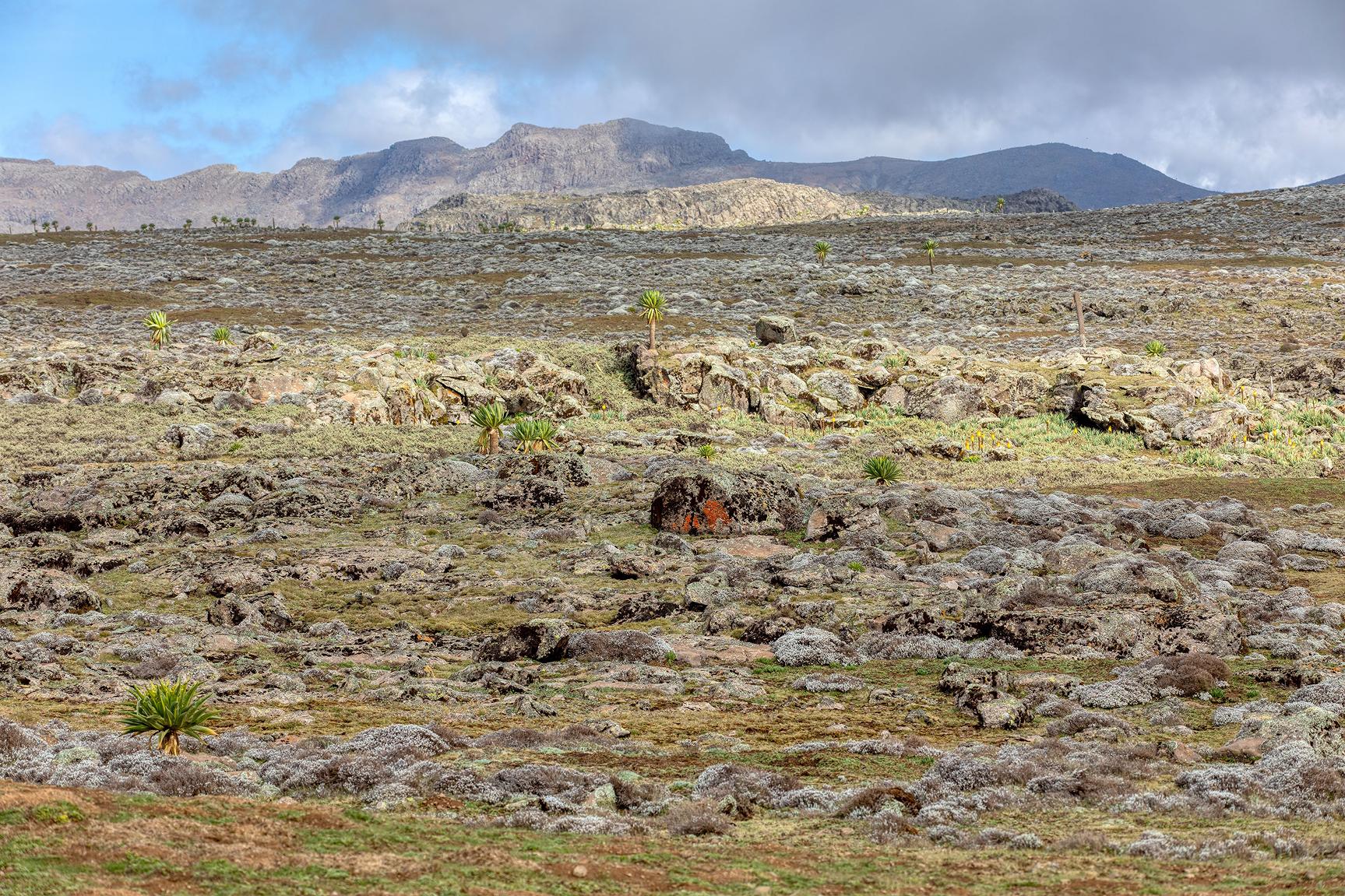
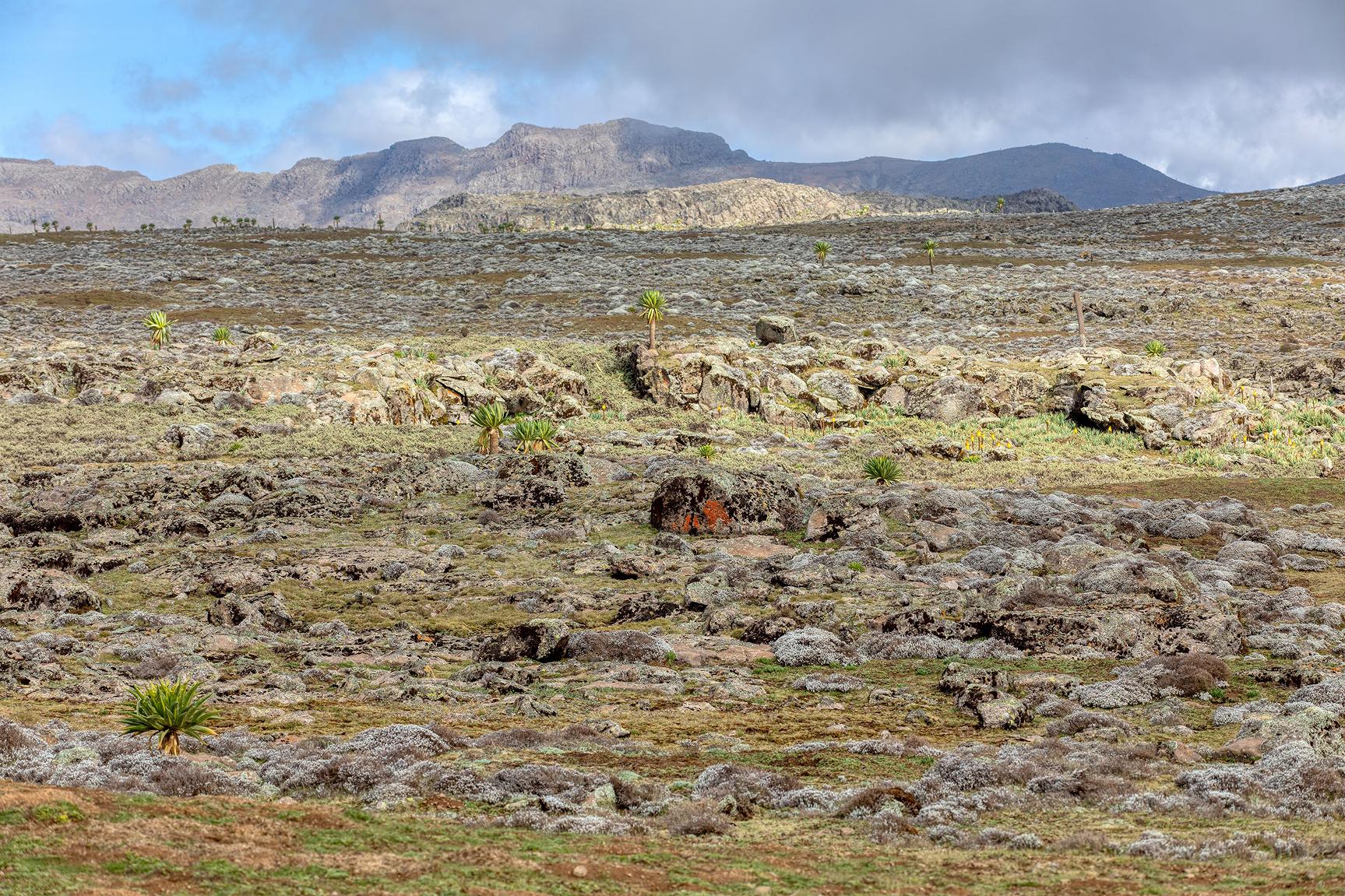
They are typically found in dry, arid bushveld with broken terrain and scattered vegetation---areas where visibility works in their favor. In Ethiopia specifically, this behavior becomes even more apparent due to the open, dry terrain they inhabit.
This is not an animal you walk up on. More often, they've already seen you and adjusted before you've even confirmed what you're looking at.
They don't react dramatically or explode out of cover. Instead, they move just enough to stay ahead of you---subtle, controlled, and deliberate. And if you're not paying attention, they're gone without ever creating a clear moment.
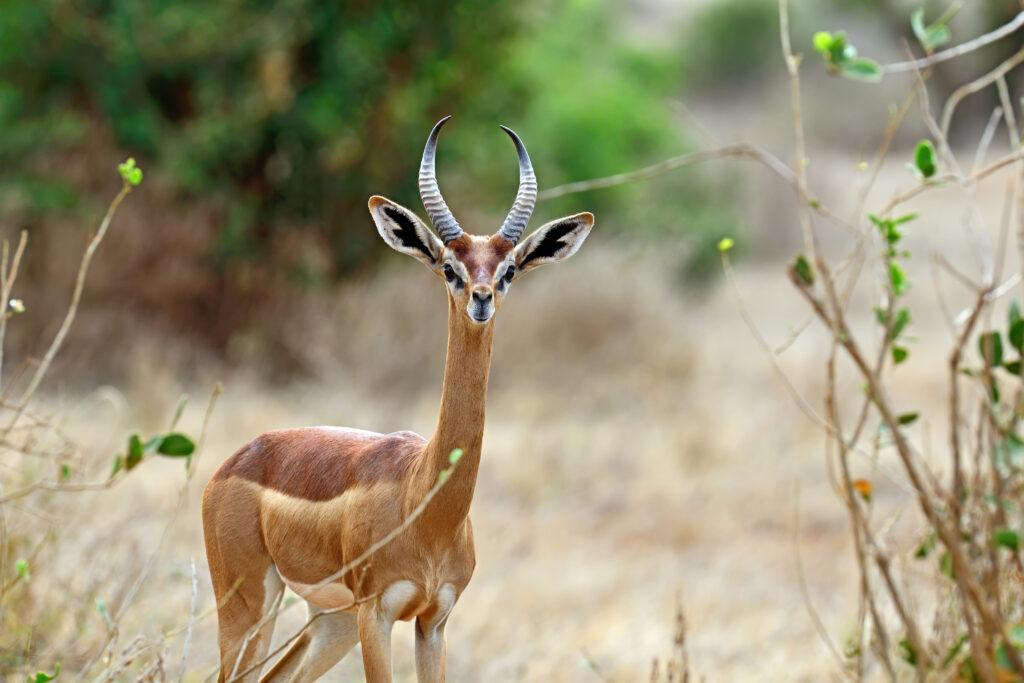
The Gerenuk is a long-necked antelope native to East Africa, often referred to as the "giraffe-necked antelope" due to its unique build.
Hunters comparing gerenuk hunting opportunities should understand where this species is most realistically hunted.
Adult males typically weigh around 90--120 pounds and stand roughly 90--105 cm (35--41 inches) at the shoulder, while females are smaller and do not carry horns.
Only males have horns, which grow backward and slightly outward with a distinct curve near the tips.
Gerenuk are browsers rather than grazers, feeding primarily on leaves, shoots, and thorny vegetation. They are well adapted to dry environments and can survive with very little direct water intake, relying instead on moisture from the plants they consume.
They are most commonly found in parts of:
Ethiopia
Tanzania
Typically in semi-arid bushveld and thorn scrub where visibility plays a key role in their survival.
Most antelope in Africa rely on speed, herd behavior, or dense cover to stay alive.
Gerenuk rely on none of those.
They rely on height, visibility, and early awareness.
They don't need to outrun danger if they've already seen it coming. They don't need a herd if they can position themselves where threats are visible. And they don't depend on thick cover, because their advantage comes from feeding above it.
That creates a completely different type of interaction.
You're not trying to catch them off guard.
You're trying to operate within a space they already understand better than you do.
Gerenuk shot placement is straightforward---but opportunity is not.
Their narrow chest, light frame, and the fact that they are often partially obscured by brush creates a slightly different visual picture compared to more familiar plains game.
The biggest mistake is waiting for a "perfect" presentation.
With gerenuk, that moment rarely improves.
They don't hold broadside in open ground for long. They feed, shift, angle, and reposition constantly---often with vegetation between you and them.
You may get a clear shot, but it won't last.
The challenge is not making the shot.
It's recognizing when the opportunity has reached its best point---and taking it before it fades.
Light to medium calibers are more than sufficient.
This is not a heavy-bodied animal, and overthinking caliber choice usually adds more complication than value.
What matters is simple---precision, bullet placement, and confidence in your setup.
Control will always matter more than power on a hunt like this.
Gerenuk are found in specific regions of East Africa, particularly in Ethiopia and Tanzania.
While they also occur in Kenya, hunting is not permitted there, making Ethiopia and Tanzania the primary destinations for international hunters.
They are typically associated with semi-arid environments, thornbush, and open country where visibility plays a major role.
In Ethiopia, this typically happens within specific controlled hunting areas where populations are stable and access is regulated.
This is not dense bushveld hunting. You spend more time glassing, scanning, and reading terrain than walking blindly into animals. In most cases, they see you before you ever feel close to them.
You don't track gerenuk in the traditional sense. More often, you find them at a distance---something that doesn't quite fit the landscape at first. A shape, a posture, a vertical line where there shouldn't be one. And then you realize what you're looking at.
They're rarely in a hurry, but they are always aware.
As you move, they begin to adjust. Not dramatically, not in a way that immediately feels like a problem---but just enough. A slight shift in position. A step behind cover. A subtle angle away from where you're approaching.
That's where most hunters misread the situation.
Because nothing looks urgent. The animal isn't running. It isn't alarmed. It feels like you have time to improve your position, to settle in, to wait for something better.
But you don't.
Because while nothing obvious is happening, the opportunity is already slipping away---quietly, and without warning.
You spot him feeding upright, reaching into a thorn bush above the rest of the vegetation. At first, there's no urgency. He's visible, not alarmed, and the situation feels stable.
You begin to set up---adjusting slightly, trying to improve the angle, waiting for a clearer shot.
Then he drops back onto all fours.
He takes a few steps, turns just enough to break his outline against the brush, and the visibility you had a moment ago is gone.
There's no sudden movement. No clear trigger.
The opportunity doesn't end---it fades.
Most hunters don't miss the shot.
They miss the timing.
Most encounters begin with glassing.
From there, the approach is slow and deliberate. Distance is closed carefully, angles are managed, and every movement is measured.
You're not forcing the situation---you're trying to stay inside it long enough for an opportunity to present itself.
Success comes down to reading subtle behavior, recognizing when the moment is about to change, and taking the shot before the animal decides to move.
They won't give you a clear signal.
They'll simply stop being there.
They can be hunted throughout much of the year, depending on location.
Drier conditions tend to improve visibility and make animals easier to locate, especially when movement becomes more predictable.
Early mornings and late afternoons usually offer the most consistent opportunities.
Gerenuk are not as widely available as other plains game species.
Availability depends on the country, the specific concession, and local population distribution.
In most cases, they are taken opportunistically as part of a broader East African safari rather than as a primary standalone objective.
Import regulations vary depending on the hunter's home country.
With less common species like gerenuk, it's important to confirm export availability, import legality, and all documentation requirements before planning the hunt.
Most plains game hunting follows a familiar pattern. Movement creates opportunity, the animal reacts, and the situation builds toward a shot.
Gerenuk hunting doesn't follow that pattern.
They rely on space, visibility, and early awareness rather than speed or herd behavior.
You're not reacting to them---you're trying to stay relevant in a situation they already understand better than you do.
Compared to impala or springbok, there is less urgency. Compared to kudu, there is less structure.
Instead, there is a quiet, controlled interaction where nothing feels rushed---but everything is slowly moving out of your favor.
For most international hunters, gerenuk never make the list.
They're not widely advertised, not included in standard plains game packages, and they don't carry the same recognition as species like kudu or gemsbok.
So they get overlooked.
Not because they lack value---but because they lack visibility.
But once you see how they behave in the field, it becomes clear this is not just another antelope.
It's something different.
And for hunters who have already experienced Africa once or twice, that difference often matters more than chasing another version of the same hunt.
This is not a hunt most first-time hunters plan.
It becomes relevant after you've experienced traditional plains game and start paying attention to animals that behave differently.
Gerenuk stand out---but only if you recognize what you're looking at.
For many hunters, that realization comes unexpectedly. And once it does, it's hard to ignore.
This hunt suits hunters who pay attention to subtle behavior, who are comfortable making decisions without perfect setups, and who understand that opportunity doesn't always improve with time.
It's not about physical difficulty.
It's about awareness---and acting before the moment quietly disappears.
Physically, this is not demanding.
What makes it challenging is interpretation.
You're often dealing with animals that already know you're there, are positioned with an advantage, and are constantly deciding whether to stay or move.
Most hunters hesitate at the wrong moment. They wait for improvement.
With gerenuk, improvement is rare.
What feels like patience is often delay---and that delay is usually what costs the opportunity.
Most missed opportunities follow the same pattern.
Hunters wait too long, expecting the situation to improve. They make small adjustments to position that seem harmless but shift the animal just enough. They misread calm behavior as safety, assuming there is more time than there actually is.
And in trying to create a perfect setup, they lose the opportunity entirely.
Nothing goes obviously wrong.
It just fades---until it's gone.
For many hunters, this isn't even a question---because they don't know enough about the species to consider it.
But once you've seen them in the field, that changes.
This is not a trophy-driven hunt. It's not about size, score, or status.
It's about encountering something that behaves differently from anything else around it.
Watching a gerenuk stand upright, feed above the bush line, and remain completely aware of its surroundings is something most hunters don't expect.
And once you've experienced it, it stays with you.
Not because it was difficult.
Not because it was rare.
But because it was different.
And in a landscape where many hunts start to feel familiar, that difference matters more than most people realize.
This is not suited for hunters who prefer fast-paced shooting, expect multiple opportunities, or need time to settle and build a perfect shot.
Gerenuk don't offer repeat chances. They don't create situations that improve with time, and they don't give you a second look once they've decided to move.
If you're used to hunts where movement creates opportunity---where animals react, stop, and present again---this will feel uncomfortable.
There is very little reset here.
What you see is usually what you get.
And if that moment passes, there isn't another one waiting behind it.
Hunters who rely on adjusting, repositioning, or waiting for a cleaner setup often find themselves just a few seconds too late. Not because the shot was difficult---but because the decision took too long.
This hunt doesn't reward hesitation.
It rewards awareness, timing, and the ability to recognize when a situation has already reached its best point.
For some hunters, that lack of structure feels limiting.
For others---especially those who have hunted Africa before---it's exactly what makes it worth doing.
Search from our range of Hunts across various popular destinations in Africa.

Book Your Hunt