Big Game Hunting in Cameroon: A Lord Derby Eland Safari
Booking Season: 2026
Hunt Difficulty: Difficult

This page is not:
• A promotional overview of Cameroon hunting
• A comparison-shopping guide
• A guarantee of outcomes or trophies
• A recommendation for first-time Africa hunters
It exists to help experienced American and Canadian hunters decide whether Cameroon is the right fit for them — honestly and without sales pressure.
Hunting in Cameroon is not for everyone — and that is exactly why it still matters.
For American and Canadian hunters who have already experienced Africa, Cameroon represents something that is becoming increasingly rare: a demanding, frontier-style hunt where logistics are complex, conditions are raw, and success is earned rather than streamlined.
This page exists to help North American hunters decide whether Cameroon is the right destination for them — not to convince everyone that it should be.
Most information about hunting in Cameroon either oversimplifies the experience or romanticizes it.
In reality, Cameroon is one of Africa's most challenging hunting destinations. It rewards patience, preparation, and resilience — and punishes unrealistic expectations. This guide is written to present Cameroon honestly, so American and Canadian hunters can make an informed decision before committing time, money, and effort.
More About Hunting in Cameroon
Cameroon On Map
You Might Also Like
Hunts Currently Available
Big Game Hunting in Cameroon: A Lord Derby Eland Safari
Booking Season: 2026
Hunt Difficulty: Difficult
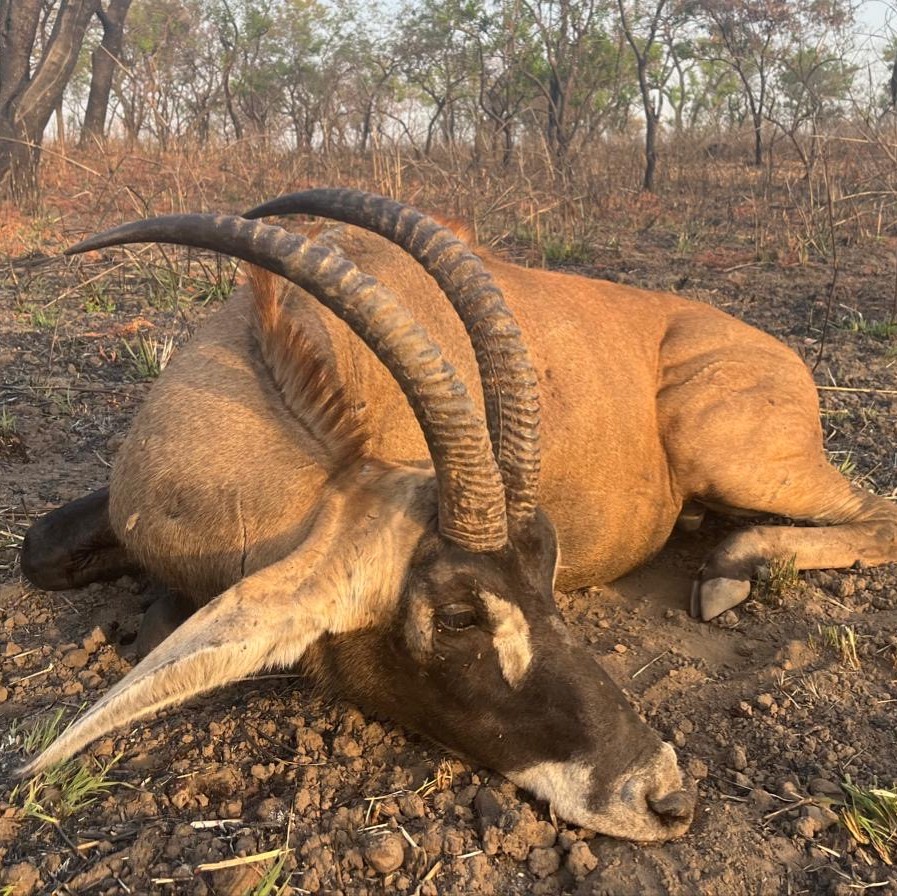
Game Hunting in Cameroon: Roan, Buffalo & 4 More Species
Booking Season: 2026
Hunt Difficulty: Difficult
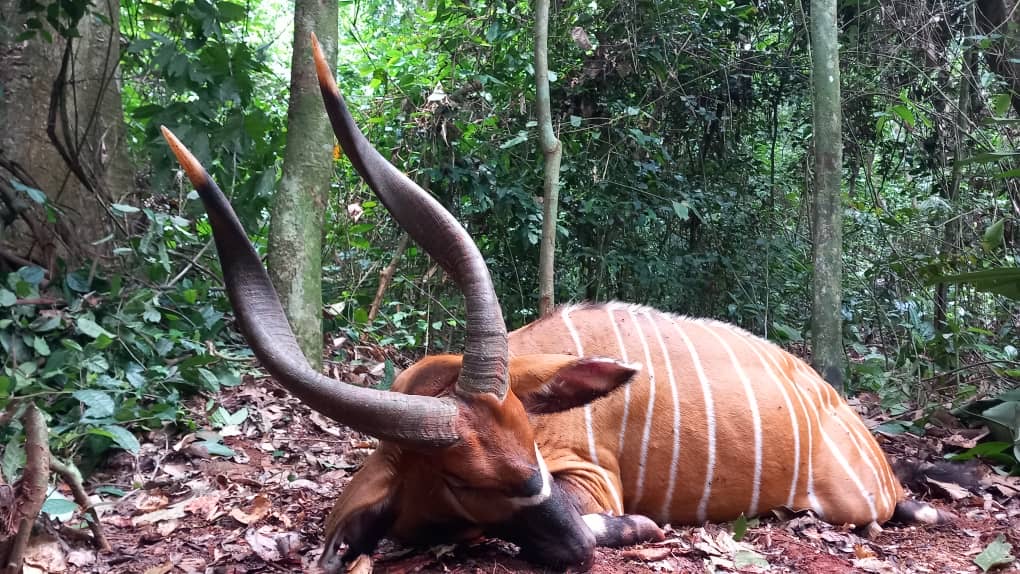
Hunt Bongo & Sitatunga in Boumba North, Cameroon
Booking Season: 2026
Hunt Difficulty: Difficult
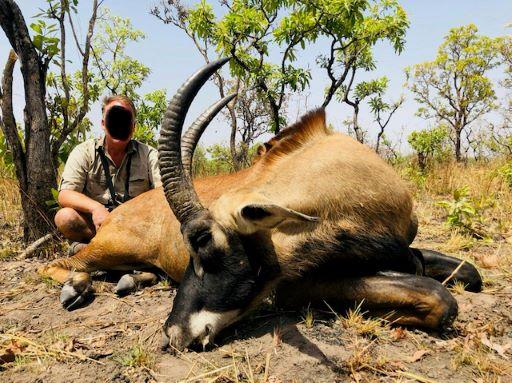
Buffalo Hunting & Roan in the Savannah Cameroon
Booking Season: 2026
Hunt Difficulty: Difficult
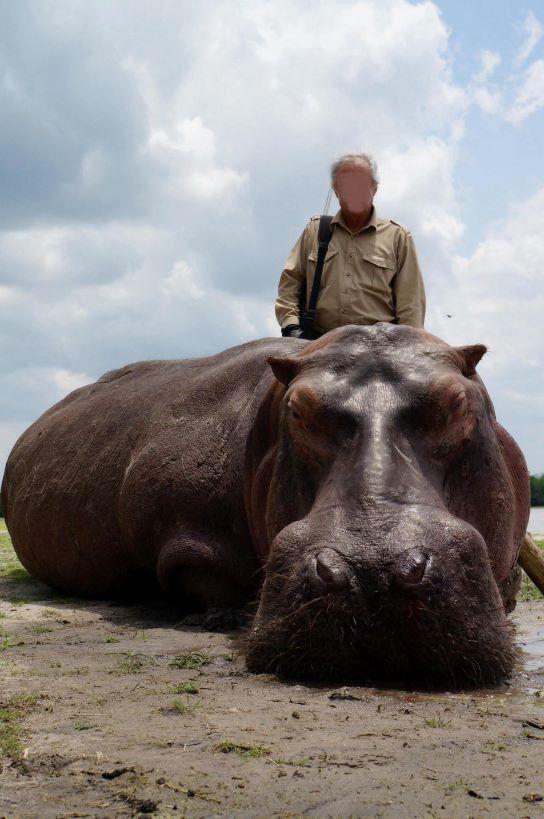
Hippo Hunting plus Lord Derby Eland 10 Days in the Savannah
Booking Season: 2026
Hunt Difficulty: Difficult
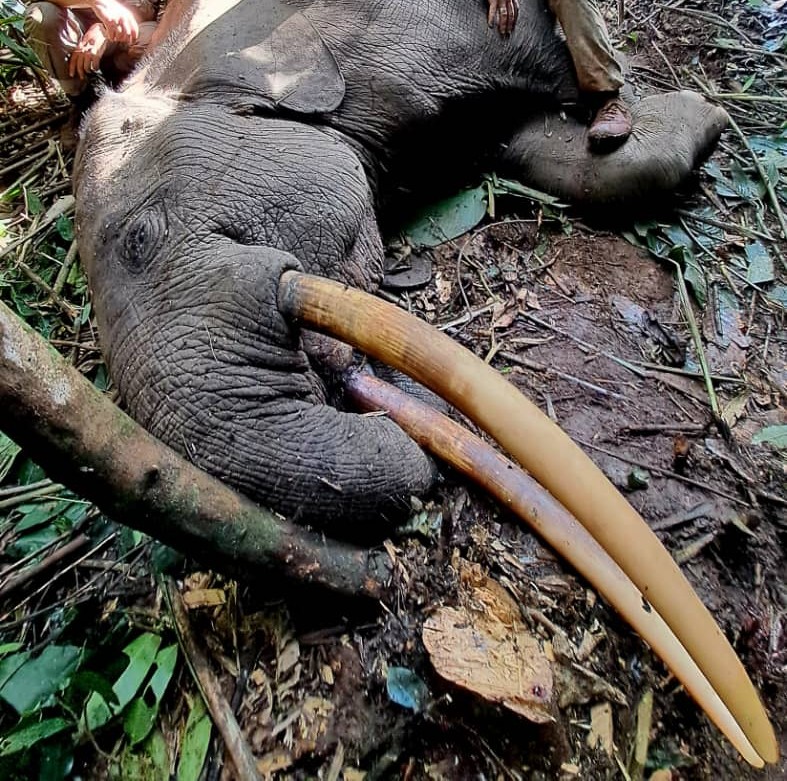
Big Game Hunting in Cameroon: Choose your Trophies
Booking Season: 2026
Hunt Difficulty: Moderate, Difficult
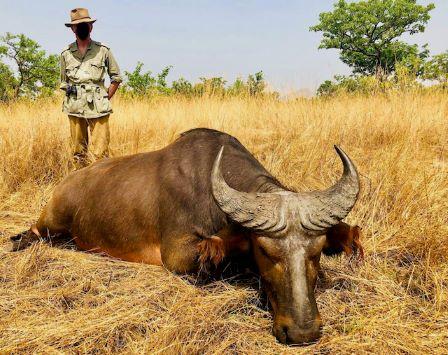
Africa Hunting Trip for Dwarf Buffalo & Sitatunga Cameroon
Booking Season: 2026
Hunt Difficulty: Difficult
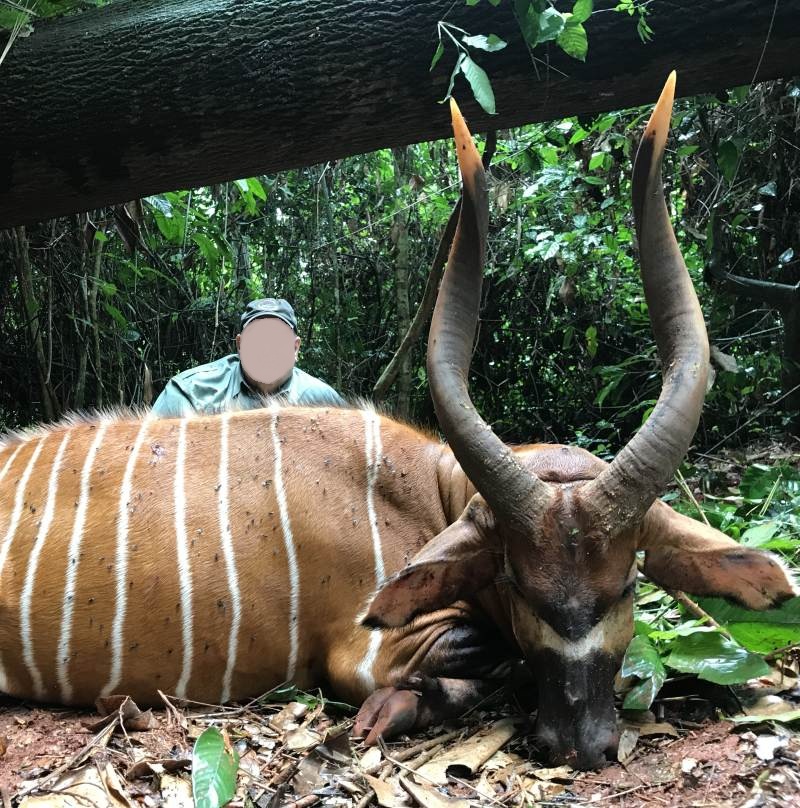
Hunt the Elusive Bongo & Sitatunga in Cameroon’s Rainforests
Booking Season: 2026
Hunt Difficulty: Difficult
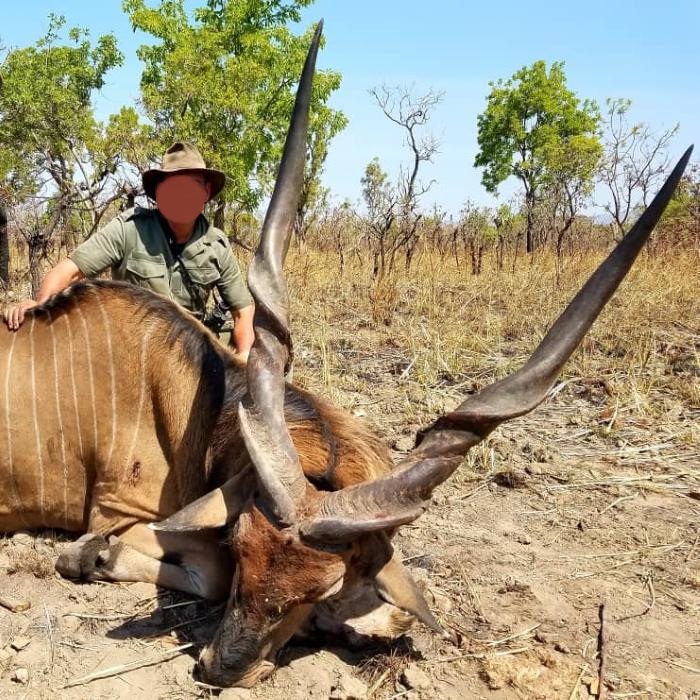
Hunt Giant Eland & 5 More Species in Cameroon
Booking Season: 2026
Hunt Difficulty: Difficult
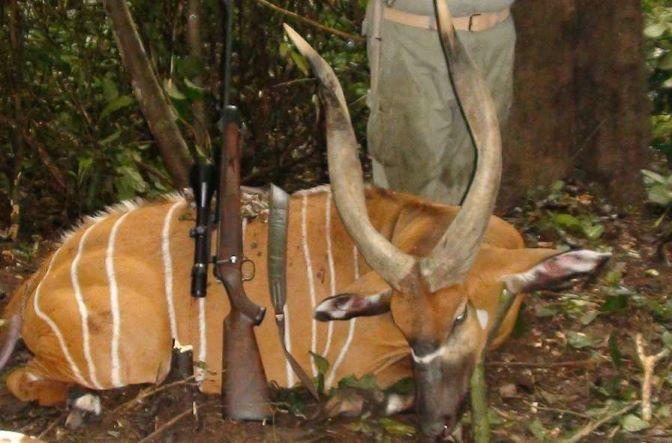
Hunting Safari for Bongo and Forest Elephant in Cameroon
Booking Season: 2026
Hunt Difficulty: Difficult
Cameroon sits at the crossroads of West and Central Africa, and its hunting reflects that geography.
Unlike destinations designed around convenience and volume, Cameroon offers:
• Vast, lightly developed concessions
• Dense savanna, floodplains, river systems, and transitional forest zones
• Dangerous game pursued under physically demanding conditions
• Limited infrastructure and long safari durations
Hunting here still feels like an expedition, not a packaged product. Camps are functional, days are long, and outcomes are never guaranteed.
For the right hunter, that is the attraction.
Late one afternoon in northern Cameroon, a small hunting team may be following the faint tracks of a Lord Derby eland bull across dry sand and scattered acacia trees. The trackers move slowly, studying the ground while the professional hunter watches the wind.
Hours may pass with little conversation, the only sound coming from boots brushing through grass and the occasional call of distant guinea fowl.
Then suddenly the trackers stop.
A fresh track crosses the path ahead — larger, deeper, and still sharp in the dust. The bull is close now.
Moments like this capture the essence of hunting in Cameroon: long stretches of patient tracking, followed by brief opportunities that arrive without warning.
Before considering species or cost, the most important factor is fit.
Cameroon is well suited for:
• Experienced Africa hunters seeking a more demanding challenge
• Dangerous-game hunters prioritizing authenticity over comfort
• Hunters who value low pressure and large, wild areas
• Sportsmen comfortable with uncertainty and physical effort
Cameroon is not ideal for:
• First-time Africa hunters
• Hunters on tight schedules
• Those expecting luxury camps or streamlined logistics
• Anyone uncomfortable with bureaucracy or delays
Being honest about this early prevents disappointment later.
You should only consider Cameroon if you can accept:
• A minimum 14–21 day safari
• Complex international and in-country travel
• Limited camp comfort
• Unpredictable outcomes
• High physical and mental demands
If any of these are deal-breakers, Cameroon is not the right destination.
Many American and Canadian hunters compare Cameroon directly to Southern African destinations. The differences are significant.
Southern Africa (South Africa, Namibia, Zimbabwe):
• Easier travel and logistics
• Shorter safari durations
• More infrastructure and comfort
• Better suited to first-time Africa hunters
Cameroon:
• Longer, more complex travel
• Physically demanding hunts
• Limited infrastructure
• Better suited to experienced, patient hunters
Cameroon is not "better."
It is harder — and that distinction matters.
Depending on region and concession, Cameroon offers a range of sought-after species, including:
• Savanna buffalo
• Forest buffalo (in select concessions)
• Elephant (where quotas and regulations allow)
• Lord Derby eland
• Roan antelope
• Bongo
• Sitatunga
• Plains game adapted to West-Central African environments
Most hunts are conducted on foot and involve long tracking sessions through heat, humidity, and difficult terrain. Hunters who enjoy Cameroon most are those who already understand how mentally and physically demanding true dangerous-game hunting can be.
One species that often surprises hunters in Cameroon is the giant forest hog. On paper they may look like just another large African pig, but in practice they can be one of the most unpredictable animals to pursue in the region.
These animals live in thick cover, move mostly at dawn and dusk, and often disappear into dense vegetation long before hunters ever see them. Even when tracks are fresh, closing the distance quietly through forest or thick riverine cover can be extremely difficult.
Professional hunters who spend years in these areas often say that giant forest hog hunting always carries roughly a fifty–fifty chance of success. Even on a well-run safari with experienced trackers, a mature boar may simply never present a clean opportunity.
That uncertainty is part of what makes the species so appealing to many experienced hunters. When a giant forest hog finally steps into view after days of tracking sign through thick cover, it feels earned in a way that few easier hunts ever do.
That is the nature of hunting in places like Cameroon — some animals simply refuse to cooperate.
Hunters researching Cameroon often ask about trophy size expectations, particularly for species such as Lord Derby eland, buffalo, and roan antelope.
Unlike some parts of Southern Africa, where intensive wildlife management can produce very consistent trophy statistics, Cameroon operates under a different model.
Animals move across extremely large concessions with relatively low hunting pressure. Population densities may be lower, and locating mature animals often requires extended tracking across wide areas of habitat.
Because of this, trophy opportunities can vary significantly from safari to safari.
Some hunts produce exceptional animals. Others involve long days of tracking before a mature animal is located. This variability is part of hunting in large, wild ecosystems where animals are not confined to smaller properties.
Experienced hunters who travel to Cameroon usually understand that the reward lies in the challenge of pursuing mature animals in vast landscapes rather than in predictable trophy measurements.
For many hunters, that unpredictability is precisely what makes the hunt meaningful.
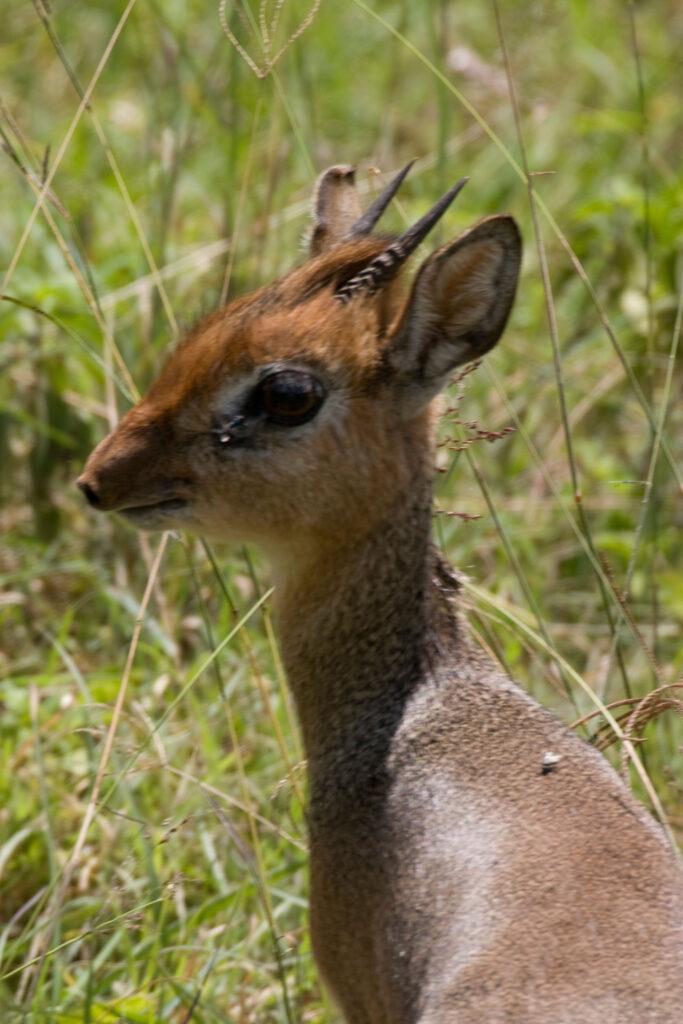
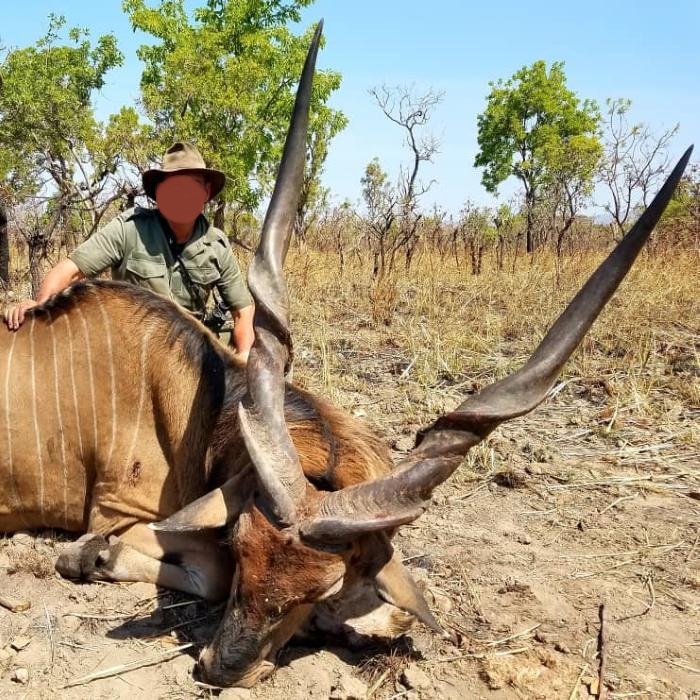
Lord Derby eland is one of the main reasons experienced hunters consider Cameroon. As the largest antelope species in the world, this animal represents one of the most distinctive trophies available in Africa. Hunting Lord Derby eland is rarely easy. Bulls often travel long distances across remote savanna concessions, and tracking sessions can stretch for many miles before an opportunity develops. Because these animals inhabit vast areas with relatively little hunting pressure, the pursuit typically requires patience, careful glassing, and long days on foot. For many hunters who travel to Cameroon, the chance to pursue Lord Derby eland in wild West-Central African landscapes is the defining element of the safari.
A typical hunting day in Cameroon begins well before sunrise. Camps start to stir in the dark as trackers gather around the fire, quietly discussing the spoor from the previous day while rifles are checked and vehicles prepared.
By first light the hunting team is already moving. In the northern savanna concessions this often means following fresh tracks of buffalo or Lord Derby eland across dry riverbeds, tall grass, and open plains. In forest concessions the pace changes completely, with trackers moving slowly through thick vegetation where visibility may be limited to only a few meters.
Many days involve hours of walking before the hunters even see the animals they are pursuing. Trackers read the ground constantly, adjusting direction when spoor changes or when animals move into thicker cover.
Some days end without a shot. Others build slowly until a final opportunity appears suddenly after hours — or even days — of patient tracking.
For hunters accustomed to faster-paced safaris elsewhere in Africa, the rhythm of hunting in Cameroon can feel very different. Here, patience and persistence often matter more than speed.
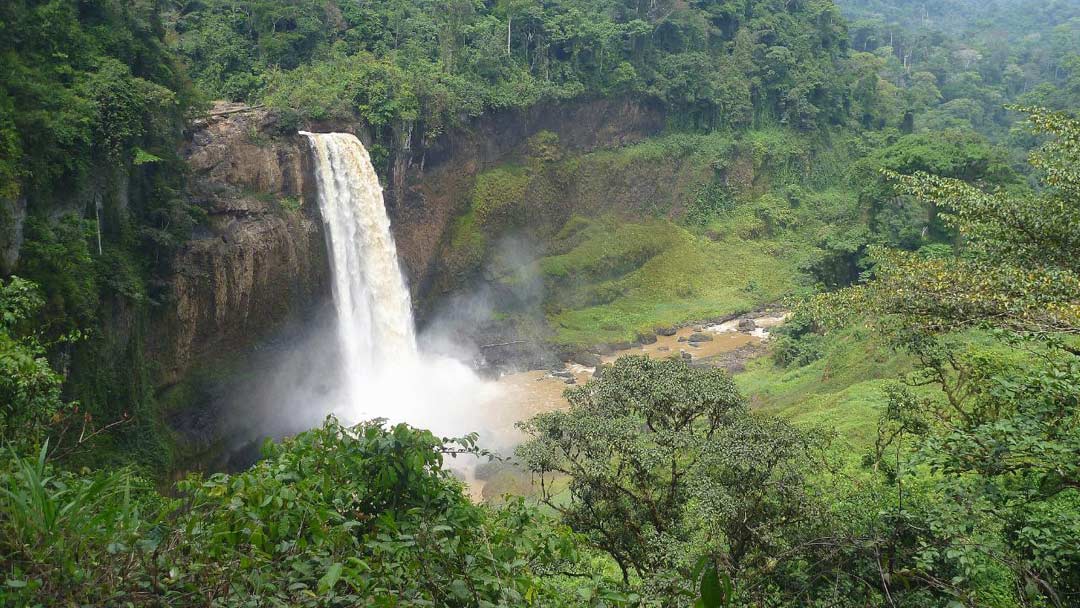
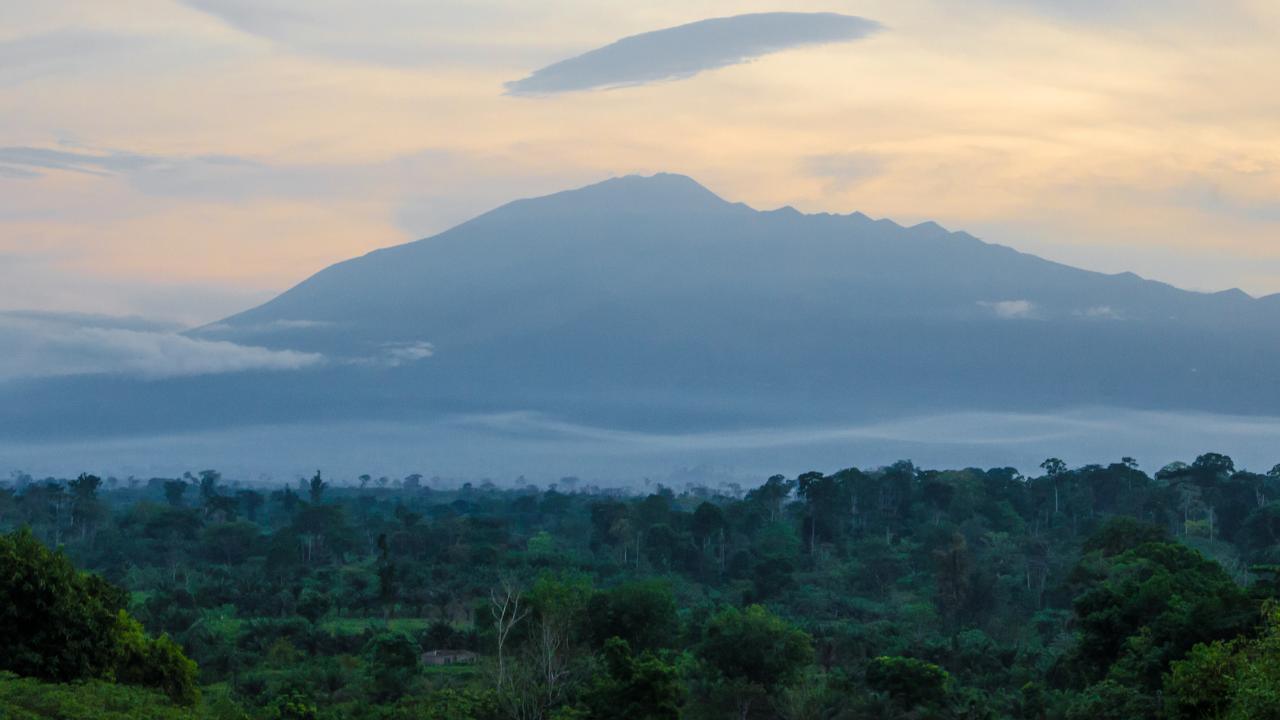
Southern and eastern regions feature dense jungle and swamp systems. Species typically pursued here include bongo, forest buffalo, and sitatunga. These hunts require patience, disciplined tracking, and acceptance of difficult terrain and limited visibility.
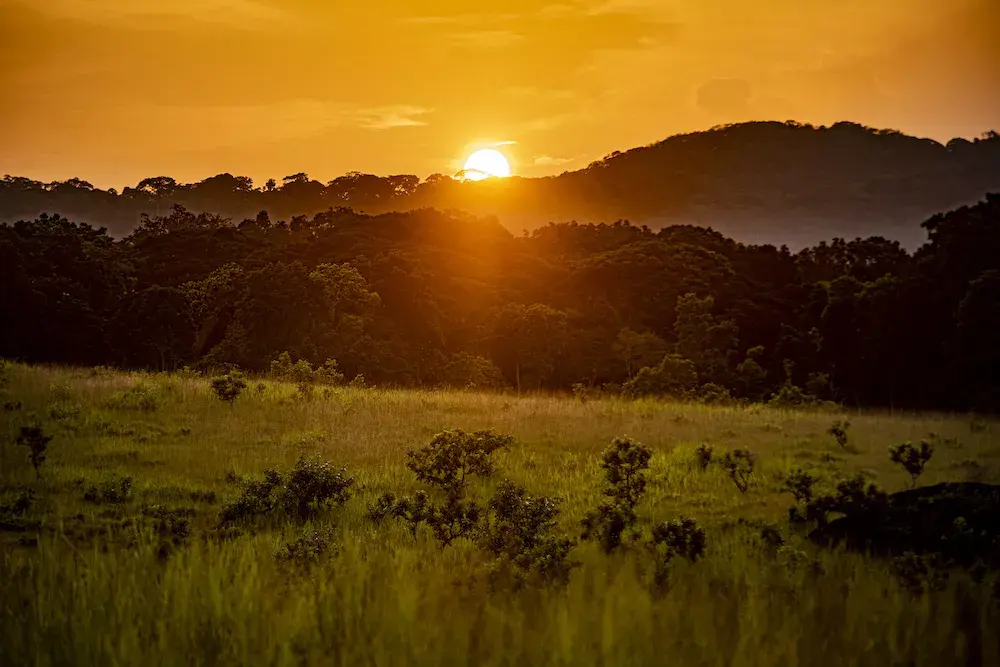
Northern Cameroon offers open savanna and floodplain environments. This region is associated with Lord Derby eland, roan antelope, West African lion (where permitted), and savanna buffalo. Hunts here involve long days, extensive tracking, and physically demanding conditions.
Not all hunting concessions in Cameroon operate the same way, and understanding this before booking a safari is important.
Most hunting takes place on large government-leased concessions that may cover hundreds of thousands of acres. These areas are typically remote, lightly developed, and managed by individual operators under government quota systems.
However, infrastructure varies widely between concessions. Some camps are well-established with experienced professional hunters and long operating histories. Others may operate more simply, with fewer staff and limited camp infrastructure.
For hunters, the key consideration is not luxury — it is management quality. Well-managed concessions maintain anti-poaching presence, enforce quotas carefully, and operate in areas with sustainable wildlife populations.
Hunters considering Cameroon should focus less on marketing photos and more on the track record and experience of the operator managing the concession.
Although Cameroon is often discussed as a single hunting destination, the country actually contains several distinct hunting ecosystems. Understanding these regions helps hunters better interpret what type of safari experience they may encounter.
Northern Cameroon contains one of the largest continuous hunting landscapes in West Africa. The Benoue ecosystem includes a network of national parks and surrounding hunting concessions that form a vast wildlife region stretching across northern Cameroon.
This area is best known for:
Hunting here typically involves long tracking sessions across open savanna, dry riverbeds, and woodland plains. The terrain allows for extensive glassing, but mature animals often travel long distances and require persistence to locate.
Many of Cameroon's classic Lord Derby eland safaris take place in concessions bordering this ecosystem.
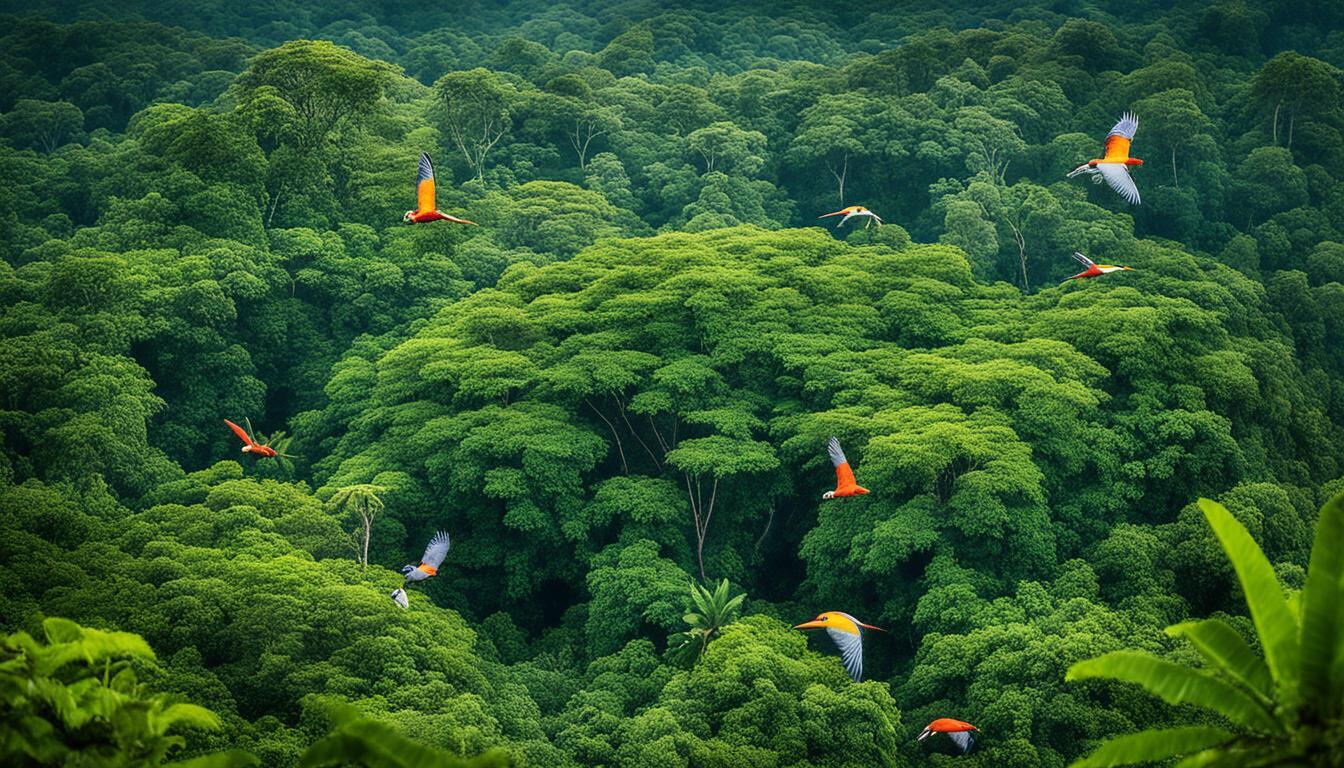
In southeastern Cameroon, the landscape changes completely. Dense tropical forest replaces open savanna, creating an entirely different style of hunting.
Species pursued in these areas may include:
Visibility is limited, humidity is high, and hunting often involves careful tracking through thick vegetation or patient waiting near forest clearings and travel corridors.
For hunters who enjoy difficult terrain and highly elusive animals, the rainforest concessions offer one of Africa's most challenging hunting environments.
Some concessions lie in transitional areas between savanna and forest environments. These regions can produce a mix of species and may require hunters to adapt quickly to changing terrain.
Tracking conditions, vegetation density, and hunting strategy can vary dramatically within a single concession.
For experienced hunters, these mixed landscapes can create some of the most interesting hunting opportunities in the country.
• Rainforest species: generally April to July
• Savannah species: generally December to May
Dry-season conditions improve tracking and movement patterns, but quotas are limited and tightly managed. Advance planning is essential.
Climate conditions vary significantly between Cameroon's savanna and rainforest hunting regions, and understanding these differences helps hunters prepare for the safari.
In northern savanna areas, the hunting season generally coincides with the dry months. Days can become extremely hot, particularly later in the season, with temperatures often climbing well above 90°F (32°C). Dry conditions improve tracking but can make long walks physically demanding.
In rainforest concessions, humidity becomes the main challenge. Thick vegetation, frequent moisture, and limited airflow can make tracking physically taxing even during shorter walks.
Dust, heat, humidity, and insects are all normal parts of hunting in Cameroon. Hunters who prepare for these conditions tend to enjoy the experience far more than those expecting milder climates.
Reaching Cameroon requires flexibility. Flights often involve multiple international connections, and internal travel can be slow due to distance and road conditions. Buffer days should be planned on both ends of the safari.
One of the defining characteristics of hunting in Cameroon is how remote many concessions are.
After international arrival, hunters often face additional domestic flights or long vehicle transfers to reach camp. Depending on the concession, travel from the capital to the hunting area can take anywhere from several hours to more than a full day.
Road conditions may vary significantly, particularly in more remote northern or rainforest regions. Travel delays are not uncommon, and flexibility is important.
Experienced hunters generally treat the travel portion as part of the expedition rather than an inconvenience. Those who expect the streamlined travel systems found in parts of Southern Africa may find Cameroon considerably more demanding.
Firearm importation is more complex than in Southern Africa and requires advance preparation, strict documentation, and coordination with licensed outfitters. This is not a destination for last-minute planning.
Long before Cameroon became known to international hunters, the region supported rich wildlife populations across its savannas, forests, and river systems. Indigenous communities hunted these landscapes for generations using traditional methods, relying on wildlife both for food and cultural practices.
During the late nineteenth and early twentieth centuries, European explorers, naturalists, and colonial administrators began documenting the remarkable diversity of wildlife found in the region. Cameroon's northern savannas, in particular, gained attention for species such as Lord Derby eland, roan antelope, and large buffalo herds.
Over time, regulated hunting concessions began to develop around these ecosystems. Large areas of land were designated for controlled hunting rather than agriculture or settlement, creating a system that helped preserve wildlife habitat across vast portions of the country.
After Cameroon gained independence in 1960, the government retained and expanded this concession model. Today, many of the country's hunting areas operate under long-term leases that require operators to manage wildlife responsibly and maintain anti-poaching presence within their concessions.
These concessions often sit alongside national parks such as Benoué, Faro, and Bouba Ndjida, forming large conservation landscapes where hunting areas act as buffer zones around protected wildlife reserves.
Because of this structure, much of Cameroon's wildlife habitat has remained intact in regions that might otherwise have faced significant development pressure.
For modern hunters visiting Cameroon, this history helps explain why the country still offers large, relatively wild hunting concessions compared to many other parts of Africa.
It also explains why safaris here often feel more like expeditions than the highly developed hunting operations found elsewhere on the continent.
One of the most common questions North American hunters ask about Cameroon is whether the country is safe to visit.
The answer depends largely on where the hunt takes place.
Cameroon is a large country with different regions that operate under very different conditions. Most hunting concessions are located in remote northern savanna areas or in specific rainforest zones that are far removed from urban centers.
Professional hunting operators working in these areas typically maintain close coordination with government authorities and local communities. Camps operate within licensed concessions, and hunting activities are conducted under regulated systems that include quota management and official oversight.
That said, Cameroon is not a casual travel destination. Hunters should understand that they are traveling to a developing country where infrastructure, healthcare access, and transportation systems are limited compared to Southern African destinations.
For this reason, experienced outfitters usually manage logistics carefully and provide clear guidance before arrival. Hunters are strongly encouraged to follow the travel advice of their outfitter and monitor official travel guidance from their home country.
For hunters comfortable with expedition-style travel, these realities are manageable. Those seeking a more predictable travel environment may prefer other African destinations.
Hunters who research Cameroon are often surprised by the length of safaris offered in the country. While many Southern African hunts may run for seven to ten days, Cameroon safaris are commonly structured around sixteen to twenty-one days.
There are several practical reasons for this. Hunting concessions in Cameroon are extremely large, and locating mature animals often requires extended tracking across vast areas of savanna or forest. Game densities can be lower than in some Southern African destinations, which means patience and time in the field play a major role in success.
Travel logistics also influence safari length. Reaching remote concessions can involve long drives or additional flights after arriving in the country, and hunters often need time to adjust to climate, terrain, and local hunting conditions.
Because of these factors, shorter safaris rarely provide enough time for hunters and professional hunters to locate the right animals and complete a demanding hunt. The longer duration is not simply tradition — it reflects the realities of hunting in one of Africa's most challenging and remote safari destinations.
One of the most common questions North American hunters ask when researching Cameroon is how much a safari typically costs.
Cameroon hunts tend to be among the more expensive dangerous-game safaris in Africa. The primary reasons are the size of the concessions, the limited number of hunters allowed each year, and the logistical challenges involved in operating remote camps.
Although prices vary between operators and concessions, typical ranges may include:
These figures usually reflect long safaris lasting sixteen to twenty-one days, which are necessary to allow enough time to locate mature animals in extremely large concessions.
Costs are also influenced by factors such as anti-poaching operations, camp logistics, staffing, and government concession fees.
For many hunters, the expense reflects the reality that Cameroon hunts operate in remote ecosystems with limited quotas and relatively low hunting volume.
In many Southern African hunting destinations, infrastructure and systems are well established. Travel logistics are relatively predictable, camps are standardized, and the overall safari experience tends to follow a fairly consistent pattern from one operator to another.
Cameroon works differently.
Most hunting takes place on extremely large, remote concessions where infrastructure is limited and day-to-day operations depend heavily on the experience of the outfitter managing the area. In these conditions, the quality of the operator can have a major impact on how a safari unfolds.
Differences between operators may include:
In well-run concessions, these elements work together to create a professional and ethical hunting environment. In poorly managed areas, the experience can feel very different.
For hunters considering Cameroon, taking time to understand who operates the concession — and how it is managed — is often one of the most important decisions in planning the safari.
All hunting in Cameroon is conducted on legally designated concessions under government oversight.
Key points:
• Licensed professional hunters are mandatory
• Quotas are limited and concession-based
• Trophy export is regulated through CITES where applicable
• Minimum caliber requirements apply for dangerous game
Conservation success in Cameroon depends on maintaining viable concessions, supporting anti-poaching presence, and creating economic incentive for wildlife preservation in remote regions. This is not a volume-driven system.
In many remote parts of Africa, hunting concessions play a significant role in wildlife conservation.
These concessions often serve as buffer zones surrounding national parks or protected areas, helping to maintain wildlife habitat across extremely large landscapes.
Operators managing hunting concessions typically invest in:
Because hunting quotas are limited and safaris are relatively few each year, revenue from these operations can help fund conservation efforts in areas that might otherwise receive little protection.
When concessions are managed responsibly, the presence of regulated hunting activity can contribute to maintaining wildlife populations and discouraging illegal poaching.
This system works best when operators maintain strict quotas and long-term stewardship of the areas they manage.
Yes — American and Canadian hunters can legally hunt in Cameroon when the safari is conducted through a licensed outfitter operating on a government-authorized hunting concession.
All hunting in Cameroon takes place under national wildlife regulations that require:
• licensed professional hunters
• government-issued hunting permits
• concession-based quotas for each species
• compliance with export regulations such as CITES for certain animals
Hunters traveling from the United States or Canada must also follow the import rules of their home country when bringing trophies back. These rules can change over time and may differ depending on the species taken.
For example, species such as elephant or certain forest animals may require additional export and import permits. Hunters should confirm the current regulations with both their outfitter and a qualified trophy shipping agent before the safari begins.
Most experienced operators assist hunters with permit coordination and documentation, but the hunter is ultimately responsible for ensuring all paperwork is correct before travel.
Because regulations can change periodically, hunters should always verify current rules before booking a safari in Cameroon.
Hunters planning a safari in Cameroon should also understand the process involved in exporting trophies and importing them back into their home country.
After a successful hunt, trophies are typically handled through a process known as dip and pack, where skins, skulls, and horns are prepared for international shipment by a licensed taxidermy facility.
Depending on the species and permitting requirements, this process can take many months before trophies are ready for export.
Certain animals — particularly elephant and some forest species — fall under CITES regulations, which require additional export and import permits.
Hunters from the United States must also comply with U.S. Fish and Wildlife Service import rules, while Canadian hunters must follow Canadian wildlife import regulations.
Because regulations can change periodically, experienced outfitters usually coordinate closely with professional trophy shipping agents to ensure all documentation is handled correctly.
Hunters should expect the complete export and shipping process to take anywhere from twelve to twenty-four months in some cases.
Understanding this timeline in advance helps prevent frustration later.
We generally advise hunters to choose a different destination if:
• Time is limited to under two weeks
• This is a first African hunt
• The primary goal is comfort or efficiency
• The hunter is not physically prepared for sustained effort
Turning the wrong hunt away protects both the hunter and the destination.
Success in Cameroon is not measured the same way it might be in more accessible hunting destinations.
Some safaris produce exceptional trophies. Others involve long days of tracking with limited opportunities. In Cameroon, it is not unusual for hunters to spend several full days following tracks before a real opportunity appears. Both outcomes are part of hunting in a remote environment where wildlife moves across vast concessions and hunting pressure is relatively low.
Experienced hunters who enjoy Cameroon most are usually those who value the process of the hunt — tracking, reading spoor, and working closely with the professional hunter — rather than focusing only on the final trophy.
Hunters who arrive expecting guaranteed opportunities or high-volume shooting often leave frustrated. Those who approach Cameroon with patience and realistic expectations tend to appreciate the experience far more.
In this part of Africa, the challenge itself is often what makes the hunt memorable.
Many professional hunters who have spent years working in West and Central Africa will quietly say the same thing: Cameroon is not the place where hunters come to collect animals. It is the place where hunters come to test themselves.
The distances are longer, the animals are often harder to locate, and success sometimes comes only after days of effort. But when the hunt finally comes together, the experience tends to stay with hunters long after the trophies have been packed and shipped home.
Most problems hunters encounter in Cameroon have little to do with shooting ability. More often, they come from misunderstandings about how hunting in this part of Africa actually works.
One of the most common mistakes is underestimating the physical demands of the safari. Long tracking sessions through heat, humidity, and uneven terrain are normal, and hunters who arrive unprepared for sustained walking often struggle to enjoy the experience.
Another frequent mistake is expecting the logistics and infrastructure found in Southern African destinations. Travel delays, long drives, and limited camp infrastructure are part of hunting in remote areas of Cameroon and should be anticipated rather than viewed as problems.
Some hunters also book safaris that are too short, hoping to replicate the pace of hunts in more developed regions. In Cameroon, locating mature animals across vast concessions often requires patience and time in the field.
Finally, hunters sometimes arrive focused entirely on trophies rather than the hunt itself. Cameroon rewards persistence, tracking skill, and patience far more than quick opportunities.
Hunters who understand these realities before arriving usually appreciate the experience far more than those expecting a predictable safari.
Many hunters underestimate the physical demands of hunting in Cameroon. Long days of tracking through heat, humidity, and uneven terrain are common, particularly when pursuing species such as buffalo or Lord Derby eland. Hunters may spend hours following spoor across savanna or through thick vegetation before even seeing the animal they are pursuing. Unlike some safari destinations where vehicle access is frequent, Cameroon hunts often involve extended walking and patient tracking. Hunters who arrive prepared for sustained effort usually enjoy the experience far more than those who expect a faster pace.
Tracking dangerous game in Cameroon often means covering significant distances on foot. Buffalo, eland, and other large animals may travel many miles during a single night, and hunters frequently begin the day by picking up tracks that cross dry riverbeds, dusty roads, or open savanna.
Once the spoor is located, the pace can vary widely. Sometimes the trackers move quickly to close distance on traveling animals. Other times the team advances slowly for hours, carefully following faint sign through grass, sand, or rocky ground.
Heat and humidity can add to the challenge, particularly later in the dry season when temperatures climb and long walks become physically demanding.
For hunters prepared for sustained walking and patient tracking, this process becomes one of the most rewarding aspects of the safari. The experience is less about quick opportunities and more about the slow, methodical process of finding mature animals in very large landscapes.
In many parts of Africa, professional hunters receive most of the attention when a safari is successful. In places like Cameroon, however, the trackers working behind the scenes often play an equally important role.
These men spend their lives reading the ground in ways most visiting hunters never fully understand. A faint disturbance in the dust, a bent blade of grass, or the direction of a single track crossing a dry riverbed can reveal where an animal passed hours earlier.
When pursuing species such as Lord Derby eland or buffalo across large concessions, the trackers are often the ones who keep the hunt moving forward. They determine whether the spoor is fresh enough to follow, whether the animal is feeding or traveling, and when the track has gone cold.
Many hunters who return from Cameroon remember the trackers just as much as the trophies. Watching a skilled tracker unravel a trail across miles of difficult terrain is often one of the most impressive parts of the entire safari.
In remote hunting regions, success rarely comes from luck alone. It comes from the combined effort of experienced professional hunters, dedicated trackers, and hunters willing to stay patient while the process unfolds.
After hours — and sometimes days — of following spoor across a concession, the moment when the hunt finally develops can feel almost surreal.
Trackers may suddenly slow their pace, pointing quietly to fresher tracks or broken grass where animals have recently passed. The professional hunter begins guiding the final approach, often moving carefully through brush or tall grass while constantly checking the wind.
Conversations stop. Every step becomes deliberate.
At this stage the hunter may only catch brief glimpses of the animal through thick cover or across open ground. The distance closes slowly as the team works into position for a clear and ethical shot.
These final minutes are often what hunters remember most about Cameroon. The opportunity may come quickly after days of effort, and when it does, it carries a weight that only long tracking sessions and patient teamwork can create.
For many hunters, this moment — when preparation, tracking skill, and patience finally align — is what defines the entire safari.
Compared to destinations such as South Africa or Namibia, Cameroon receives a relatively small number of international hunters annually.
Several factors contribute to this.
First, hunting concessions in Cameroon are extremely large and operate under strict quota systems. Only a limited number of animals can be harvested each season, which naturally restricts the number of safaris that can take place.
Second, the logistics involved in operating remote camps require experienced staff, vehicles, trackers, and significant support infrastructure. Most concessions can accommodate only a small number of hunters during the season.
Finally, the length and physical demands of Cameroon safaris mean the destination appeals primarily to experienced hunters rather than first-time visitors.
As a result, Cameroon has remained a niche destination within African hunting — attracting a smaller but highly dedicated group of hunters each year.
Despite the challenges involved, Cameroon continues to attract a small group of dedicated hunters each year. The appeal lies in the authenticity of the experience. Large concessions, low hunting pressure, and demanding conditions create a style of safari that feels closer to the expedition-style hunts that once defined parts of Africa. For hunters who have already experienced more accessible destinations, Cameroon offers something increasingly uncommon — the opportunity to pursue dangerous game and rare species in landscapes that remain vast, wild, and largely unchanged by modern hunting infrastructure.
Before committing to a Cameroon safari, it is worth asking yourself a few direct questions.
Are you comfortable spending weeks in a remote hunting concession where success may depend on long days of tracking and patience rather than frequent opportunities?
Are you prepared for travel that may involve multiple international flights, long vehicle transfers, and the occasional delay that comes with operating in remote parts of Africa?
Are you willing to accept that some days may involve hours of following tracks through difficult terrain without seeing the animal you are pursuing?
Hunters who answer "yes" to these questions often find Cameroon to be one of the most rewarding hunting experiences in Africa.
Those who hesitate may simply be better suited to destinations where infrastructure, logistics, and game density create a more predictable safari.
There is nothing wrong with either choice — but understanding the difference before booking the hunt prevents unrealistic expectations later.
Hunting in Cameroon makes sense if:
• You are seeking one of Africa's most demanding hunting experiences
• You value challenge over convenience
• You accept uncertainty as part of the hunt
• You are physically and mentally prepared
It may not be the right choice if:
• You are new to Africa
• You want predictability
• You prefer comfort and efficiency
Cameroon rewards the hunter who arrives prepared — not just equipped.
Conditions in Cameroon can change year to year due to:
• quota adjustments
• concession management
• regional access
• export regulations
This page focuses on decision suitability, not short-term availability.
Specific logistics are confirmed during consultation.
Written by Pierre van Wyk
Pierre van Wyk has spent over 30 years hunting across Africa, with experience spanning dangerous game, plains game, and remote concessions. His perspective is grounded in ethical, conservation-based hunting and helping American and Canadian hunters understand African hunting beyond myths, marketing, and assumptions.
Cameroon's hunting landscape is uniquely defined by rainforest and savannah ecosystems, each demanding different skills. Rainforest hunts emphasize close-range tracking and team communication through dense vegetation, while savannah hunts involve glassing, long approaches, and strategic wind management. This contrast makes Cameroon distinct from destinations focused on only one terrain type.
Yes. Cameroon's terrain — especially in rainforests — requires steady footwork, strong navigation skills, and physical endurance. Thick vegetation and uneven ground can make trails challenging, demanding both patience and preparedness from the hunter.
Cameroon best suits hunters who enjoy a diverse challenge and aren't deterred by demanding terrain or patient tracking. It is ideal for those who value skill, adaptability, and persistence over quick, high-density encounters.
Hunts in Cameroon, especially for rare species like bongo and Lord Derby eland, should be booked 6–12 months in advance. Limited quotas, logistical planning, and seasonal conditions make early reservations beneficial for securing preferred dates and areas.
Hunters should prepare for visa and firearm permit requirements, which vary by nationality. Internal travel between rainforests and savannah areas. Malaria precautions and vaccinations. This preparation ensures a smooth and compliant safari experience.
20 January 2026 26 October 2024
Latest Blogs About Cameroon
Hunting in Cameroon: Understanding the Red Tape & Pricing
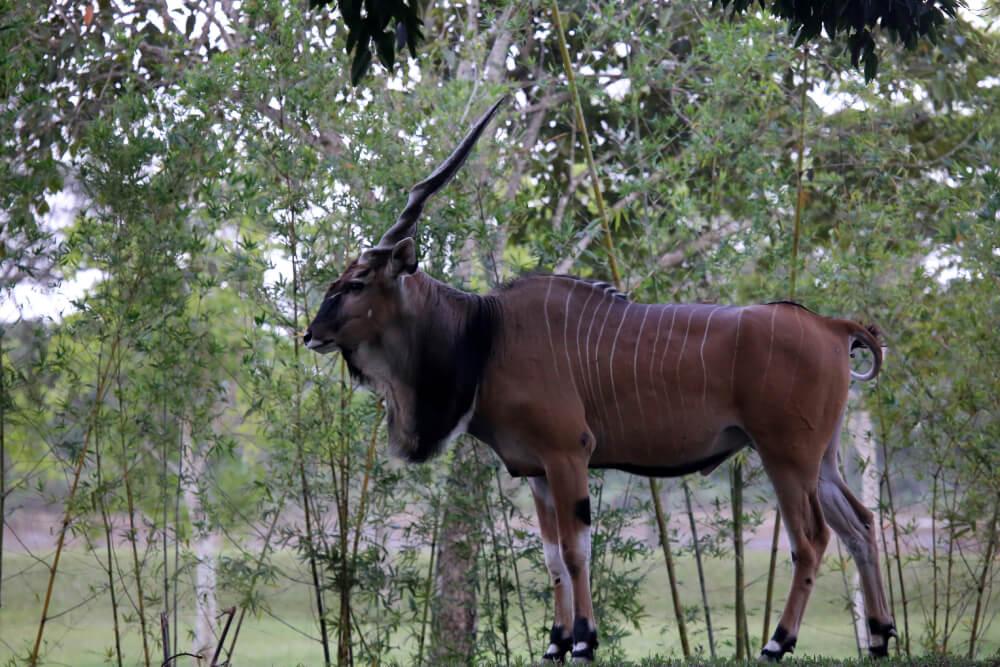
Three Good Reasons To Enjoy Hunting In Cameroon
Search from our range of Hunts across various popular destinations in Africa.

Book Your Hunt