Designed by Hunters, for Hunters

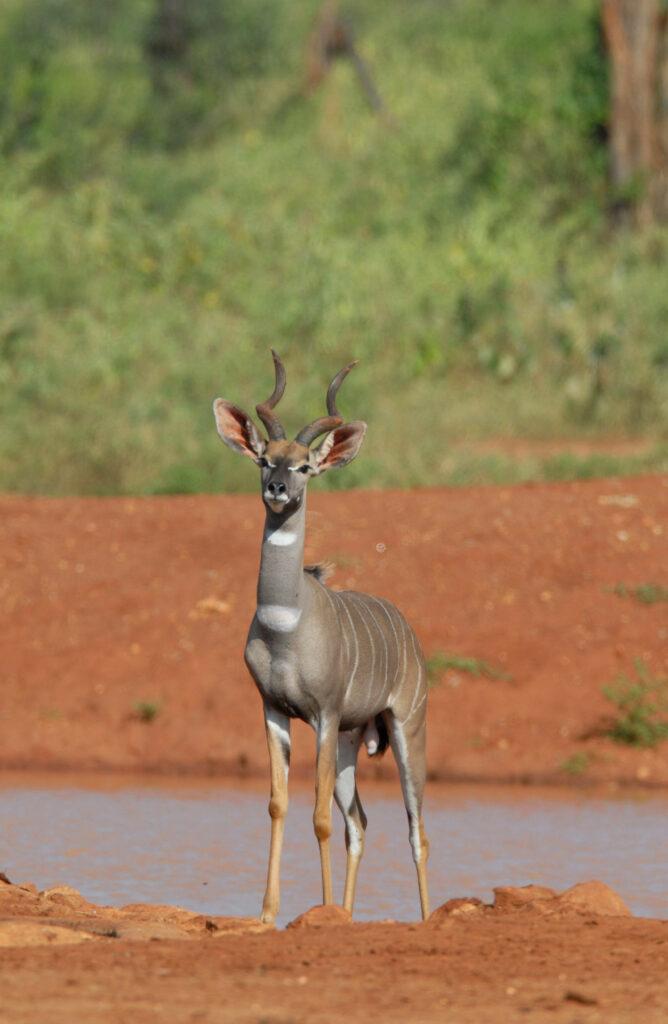
Lesser kudu hunting in Ethiopia sits outside what most American hunters are used to when planning an African safari. It is not widely available, not commonly discussed, and it does not follow the same patterns as more familiar plains game hunts.
For hunters considering hunting in Ethiopia, lesser kudu represents a very specific type of opportunity—one shaped by limited range, low encounter rates, and terrain that naturally restricts visibility. This is not a hunt built around volume or predictability. It is built around understanding how these animals use cover, how quickly they move through it, and how easily an opportunity disappears before you are fully set.
This is not something you add casually to a safari. It is a hunt you choose on purpose.
Lesser kudu are often compared directly to greater kudu, and hunters evaluating both should first review our Kudu Hunts guide, but that comparison breaks down quickly once the hunt starts.
The difference is not just size—it is how the animal lives and how you have to hunt it.
Lesser kudu hold in denser, drier environments where visibility is limited and movement is controlled by cover. In Ethiopia's bushveld and semi-arid regions, this becomes very real—animals can be inside shooting distance and still not fully visible.
They are also more reactive. Movement is quicker, less predictable, and often happens before you've had time to settle into a shot.
This is not a glass-and-plan type of hunt. It is a recognition-and-commit type of hunt.
The range of Lesser kudu is limited, and Ethiopia is one of the few places where hunting them still happens under natural conditions.
This is not a species you can add to a typical multi-country plains game safari. Availability is tight, and in Ethiopia, the habitat—dry bush, broken ground, and riverine edges—creates the exact conditions that define the hunt.
That matters, because it means this experience is not interchangeable. If you want to hunt lesser kudu properly, Ethiopia is not just an option—it is one of the places that actually forces the hunt to be what it is.
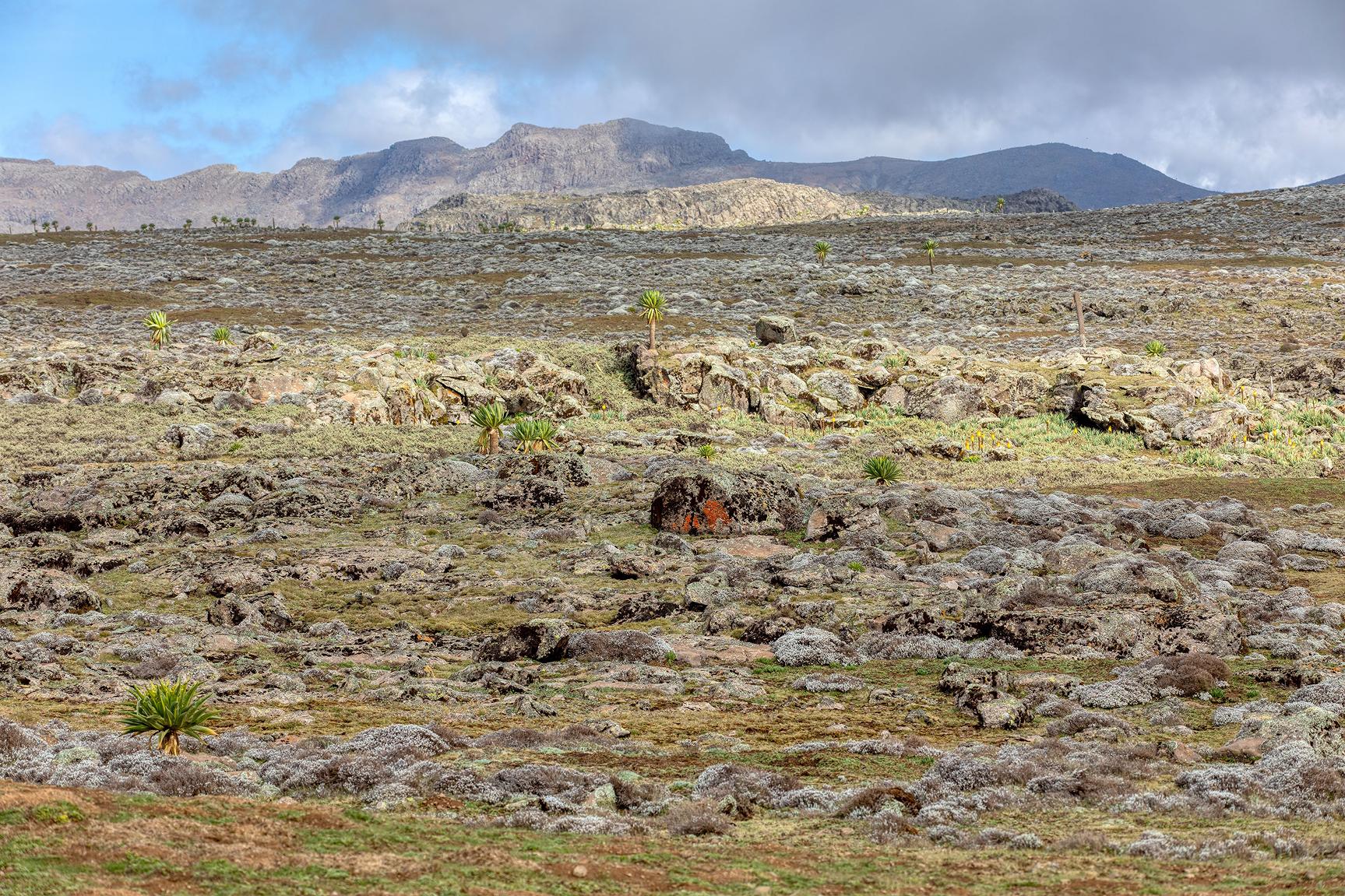
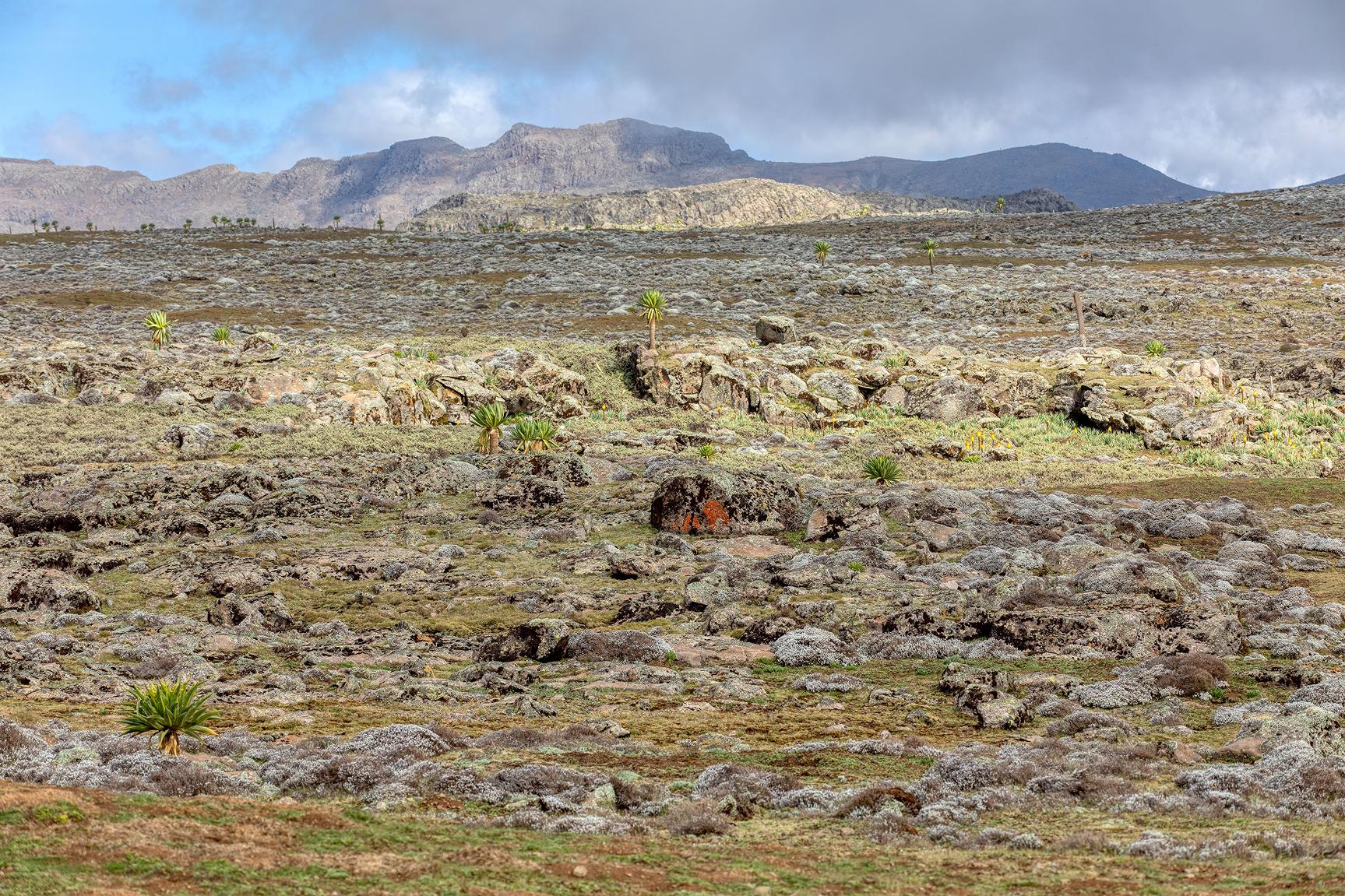
Lesser kudu hunting in Ethiopia is concentrated in specific regions where suitable habitat still exists. These are typically areas with dry bushveld, broken terrain, and access to water sources that support movement patterns.
Unlike more common plains game species, this is not a hunt available across multiple concessions or widely distributed areas. Availability is limited, and access depends heavily on outfitter and concession rights.
For the hunter, this means location matters more than usual. You are not just choosing a country—you are choosing a specific environment where the conditions align with how lesser kudu live and move.
The best time to hunt lesser kudu in Ethiopia generally aligns with the dry season, when vegetation begins to thin and visibility improves slightly.
Even then, this is not a hunt that becomes "easy" with timing. The same factors that make lesser kudu difficult—cover, movement, and limited exposure—remain consistent throughout the season.
What seasonal timing does affect is:
How much visibility you have in already restricted terrain
How animals move between feeding and cover
How predictable encounters become
For most hunters, planning around drier conditions improves the odds—but it does not change the nature of the hunt.
Lesser kudu hunting in Ethiopia is defined by limited visibility and short windows.
You are not seeing the whole animal most of the time. You are picking up pieces—movement, a shoulder, part of a horn—and trying to make sense of it before it's gone.
Encounters happen fast. You may not get a second look.
This creates pressure that most first-time Africa hunters are not used to. You are not waiting for the perfect broadside. You are deciding whether what you have in front of you is enough—right now.
This is where most lesser kudu opportunities are lost—and it usually happens in a way that feels avoidable in the moment.
A hunter picks up movement in the bush. At first it's not clear what it is—just a shift, a flicker, something out of place. Then it resolves into part of an animal. A shoulder, a horn tip, maybe the outline of the body through gaps in the cover.
At that point, there's a decision to make.
Most hunters hesitate.
They wait for the animal to step clear. They wait for a better angle. They wait for the kind of shot they are used to taking on more open plains game. It feels reasonable in the moment—like the situation is still developing and will improve if given a few seconds.
But in this terrain, it usually doesn't.
While the hunter is waiting, small things start to change. The animal takes a few steps. The cover thickens between you and it. The angle closes off. What was a partial opportunity becomes a blocked one.
And then it's gone.
Not with noise or panic—just gone. Slipped back into cover, moved off without exposing itself again, or changed direction in a way that makes recovery difficult or impossible.
What makes this frustrating is that nothing obvious went wrong. The hunter didn't rush. Didn't make a bad shot. Didn't spook the animal.
They just waited too long.
This is where lesser kudu hunting in Ethiopia catches people out. The environment does not reward patience in the same way other hunts do. It rewards recognition and commitment.
Lesser kudu do not need much to disappear completely. A few steps, a shift in angle, or a slight change in terrain is often enough to remove any chance of a shot.
Understanding this changes how you approach the entire hunt. You stop looking for perfect and start recognizing what is actually workable in the moment.
Because in this environment, waiting for perfect usually means going home without one.
In many African hunts, the challenge is distance. Here, it is visibility.
You can be close—sometimes much closer than you realize—and still not have a shot.
In Ethiopia, the terrain and vegetation work against you in a very specific way. It's not just thick bush—it's broken, uneven ground, scattered cover, and angles that constantly interrupt your line of sight. The environment doesn't open up opportunities. It quietly takes them away.
You may see part of the animal, but not enough of it. A shoulder without a clear line. Horn tips moving through gaps in the brush. A shape that never fully steps into the open.
That's where the difficulty sits.
Because now the decision isn't just "Can I hit this?"
It's "Can I actually see enough of this animal to take a responsible shot before it disappears?"
And that window is often small.
Visibility controls everything:
What shots are even possible
How quickly you have to decide
Whether the opportunity ever fully develops
You are rarely dealing with a complete picture. You are working with fragments, trying to interpret what you're seeing before it changes.
That's why finding the animal is only half the job.
Seeing enough of it—at the right moment, with just enough time to act—is what actually determines whether the hunt comes together or falls apart.
Shot opportunities are rarely clean.
The animal may be partially covered, moving, or angled in a way that isn't ideal. And you won't have much time to think about it.
You either recognize the shot and take it—or you don't.
There is no reset. No second setup. No guarantee you'll see that animal again.
This is where experience shows. Not in perfect shooting, but in knowing when "good enough" is actually good enough.
For hunters researching kudu hunting in Africa, the difference between greater kudu and lesser kudu is not just size—it's how the hunt actually unfolds in different environments
If you've hunted greater kudu before, the difference becomes clear almost immediately once you step into this environment.
With greater kudu, there is often time to work the situation. You glass, pick apart terrain, and build a plan. Even when things don't go perfectly, there is usually some room to adjust—circle, reposition, or wait for the animal to present itself again. In many cases, you are working toward a moment that develops over time.
Lesser kudu in Ethiopia does not give you that.
The hunt feels tighter. More compressed. You are not building toward a shot—you are reacting to one as it forms.
Instead of long observation, you are working off fragments. Instead of controlled setups, you are dealing with partial visibility and shifting angles. The animal is rarely fully exposed, and the situation rarely improves if you wait.
That changes how you hunt.
You gain a more specialized, less common experience—one that is shaped heavily by terrain and how these animals use it. There is a different kind of satisfaction in that, especially for hunters who have already experienced more structured kudu hunts.
But you lose the things that make greater kudu more forgiving.
You lose time to evaluate.
You lose consistent visibility.
You lose the ability to rely on clean, repeatable opportunities.
The margin for hesitation becomes smaller, and the consequences of waiting become more immediate.
This is not a better or worse hunt—it is simply a different one. And understanding that difference before the hunt starts is what determines whether the experience meets expectations or works against them.
This hunt fits a specific type of hunter.
It works for:
Hunters who have already done Africa and want something different
Those who understand that not every opportunity will come together
Those comfortable making a call without perfect conditions
It does not suit:
First-time African hunters
Hunters expecting multiple shot opportunities
Anyone who needs time to settle into every shot
This hunt rewards decisiveness. If you hesitate too long, it's over.
Your rifle setup matters—but not in the way most people expect going into this hunt.
This is not a long-range, dial-your-turret type of situation. You are not setting up on open ground with time to range, adjust, and settle in. Most opportunities happen quickly, often at moderate distances, and usually under conditions that are less than ideal.
What matters here is how quickly and confidently you can get on target when the moment presents itself.
That means being comfortable mounting your rifle without thinking about it. It means finding the animal through your scope fast—sometimes when you are only seeing part of it. And it means being able to take the shot without second-guessing your setup while the opportunity is already starting to disappear.
In this environment, hesitation is more costly than small imperfections in the setup.
Rifle familiarity becomes more important than technical precision. You are not solving a shooting problem—you are responding to a situation that is unfolding in real time, often with limited visibility and very little margin to adjust.
The shot itself is not complicated.
Everything around it is.
This hunt makes sense if you are deliberately looking for something limited, different, and less controlled.
It fits if you:
Are not chasing numbers
Understand that some chances will never fully develop
Value the difficulty as part of the experience
It does not make sense if:
You want consistency
You expect multiple clean setups
You are still building confidence in Africa
Lesser kudu hunting in Ethiopia is typically part of a larger safari rather than a standalone hunt. Because of limited availability and the remote nature of the areas where these animals are found, costs are generally higher than standard plains game packages in southern Africa.
Pricing is influenced by:
The specific concession and location
Length of the safari
Government permits and species availability
Whether lesser kudu is a primary or secondary target
For most hunters, this is not a budget-driven hunt. It is usually booked as part of a broader, specialized safari where the goal is to pursue species that are not widely available elsewhere.
This is not a hunt for everyone—and it shouldn't be.
Lesser kudu hunting in Ethiopia only makes sense if you understand what you are signing up for before you arrive. This is not a hunt where things come together cleanly or consistently. It is one where opportunities are limited, imperfect, and often gone before you fully settle into them.
For the right hunter, that is exactly the appeal.
You should consider this hunt if you are deliberately looking for something more specialized—something that doesn't follow the pattern of a typical plains game safari. It suits hunters who are comfortable operating without predictability, who don't need multiple chances to feel confident, and who are willing to act when the moment is not ideal but still workable.
It also makes more sense if you have already hunted Africa and understand how quickly situations can change when visibility and control are limited. In that context, this hunt adds something different rather than replacing something better.
On the other hand, this is not the right place to start.
If your goal is a higher-probability hunt, more structured setups, or clear and repeatable shot opportunities, there are better options elsewhere. The same applies if you prefer time to evaluate every shot or are still building confidence in African hunting conditions.
This hunt does not reward waiting. It rewards recognition and commitment.
Lesser kudu hunting in Ethiopia is not defined by how often things go right—but by how quickly they can go wrong, and whether you are ready to act before they do.
Search from our range of Hunts across various popular destinations in Africa.

Book Your Hunt