Limpopo African Hunt: Steenbok, Duiker & 3 More Tiny Trophies
Booking Season: 2026
Hunt Difficulty: Difficult

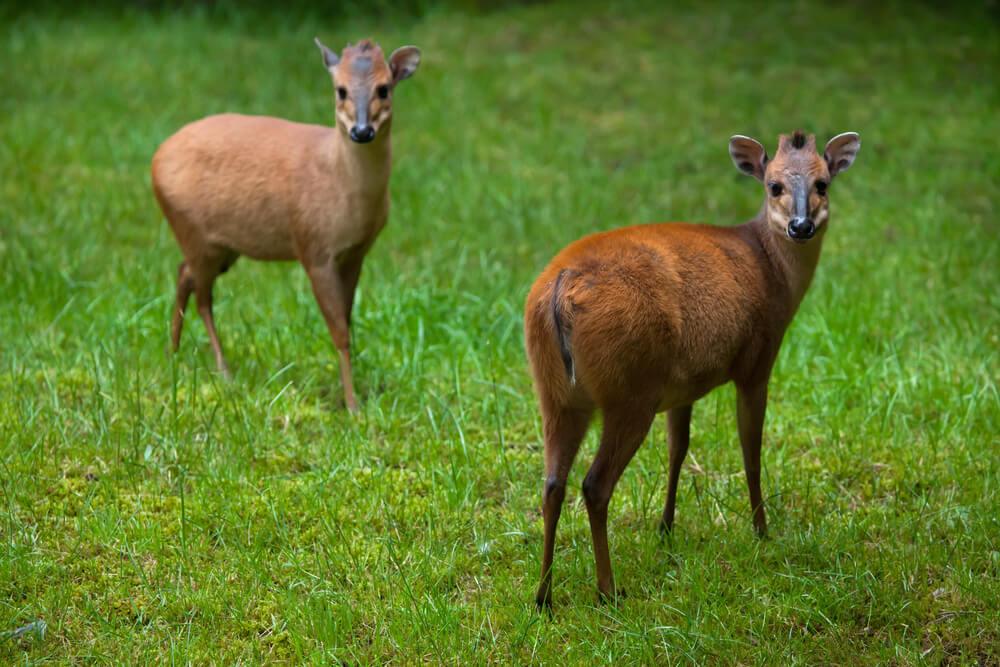
Most visiting hunters arrive in South Africa dreaming of kudu, buffalo or other iconic African game. Yet among collectors, the Red Duiker holds a very different appeal. As one of Africa's sought-after Tiny Ten antelope, it offers a challenge that has little to do with trophy size and everything to do with patience, careful hunting and spending time in the dense coastal forests where these elusive animals live.
Unlike many plains game species, Red Duiker are rarely encountered by chance. Hunters pursuing one usually do so with a specific goal in mind, often as part of a broader Hunting in South Africa safari that combines forest and bushveld species. For collectors, successfully taking a mature Red Duiker represents another step towards completing one of Africa's most respected hunting achievements.
Very few hunters travel to South Africa solely to pursue a Red Duiker. Instead, the species is usually high on the wish list of Tiny Ten collectors or hunters looking to add one of Africa's most elusive small antelope to an already well-planned safari.
The appeal lies in the challenge rather than the size of the trophy. Mature Red Duiker spend much of their lives hidden in dense coastal forests and thick riverine vegetation, where visibility is limited and opportunities can disappear in seconds. Spotting one is often difficult enough. Getting a clear shot before it slips back into cover is another challenge altogether.
A Red Duiker is not simply a trophy that can be added to the end of a safari. Success usually depends on patience, careful planning and hunting with a Professional Hunter who understands the animal's habits and the forest habitat it calls home.
Available Red Duiker Hunts
Limpopo African Hunt: Steenbok, Duiker & 3 More Tiny Trophies
Booking Season: 2026
Hunt Difficulty: Difficult
Red Duiker occur naturally along South Africa's eastern coastline, with KwaZulu-Natal and parts of the Eastern Cape offering the country's best hunting opportunities. Unlike plains game that thrive in open savannah, Red Duiker favour indigenous coastal forests, dense riverine thickets and thick vegetation where they can move almost unseen.
These habitats shape the hunt itself. Visibility is often measured in yards rather than hundreds of yards, and hunters spend more time watching narrow game paths, forest edges and small openings than glassing distant hillsides. A mature Red Duiker may appear for only a few seconds before disappearing back into the cover.
Because suitable habitat is naturally fragmented, successful hunts are generally conducted on carefully managed properties where healthy Red Duiker populations exist alongside other indigenous game species. This also makes it easy to combine a Red Duiker with several other sought-after South African species during the same safari.
Red Duiker hunting is a slow, deliberate pursuit. Unlike open-country plains game, where animals may be spotted from long distances, these small antelope are hunted in thick coastal forests where visibility is limited, and every step must be taken quietly.
Hunters often move slowly along forest edges, game trails and dense riverine cover, stopping frequently to watch for movement. A Red Duiker may stand motionless for several moments before slipping silently back into the vegetation, leaving only a brief opportunity for a safe shot.
Success rarely comes from covering large distances. Instead, it depends on patience, careful observation and being ready when a mature animal finally presents itself. Even experienced African hunters quickly discover that hunting a Red Duiker requires a very different approach from pursuing plains game across open country
One of the advantages of hunting a Red Duiker in South Africa is that it rarely needs to be a standalone safari. Many hunters pursue the species while hunting other indigenous game found in the coastal forests and surrounding bushveld, making it a rewarding addition to a broader Plains Game Hunt.
Depending on the area, Red Duiker are often combined with Bushbuck, Nyala, Bushpig and a variety of traditional plains game species. This allows hunters to enjoy the challenge of forest hunting while also spending time in more open terrain during the same safari, creating a varied hunting experience that few destinations can match.
Moving between thick indigenous forests and open valleys or bushveld also showcases the diversity of South African hunting. A morning spent quietly following narrow forest trails in search of a Red Duiker can be followed by an afternoon stalking Bushbuck along a river or pursuing Nyala through thicker bush, all within the same hunting area.
Because Red Duiker inhabit specialised habitat, hunting with an experienced Professional Hunter who knows the local forests can make all the difference when planning a successful multi-species safari.
South Africa remains one of the best places in Africa to pursue a Red Duiker because few destinations combine healthy populations, experienced Professional Hunters and the opportunity to hunt this elusive forest antelope as part of a well-rounded safari.
Rather than travelling solely for a single species, hunters can combine the challenge of tracking a Red Duiker through indigenous forests with some of Africa's best plains game hunts, often within the same hunting area.
For Tiny Ten collectors, adding a mature Red Duiker is about more than checking another species off a list. It represents time spent hunting one of South Africa's most secretive antelope in the habitat where it belongs, creating memories that often stay with a hunter long after the safari has ended.
Hunters planning broader African Hunting Trips often discover that these smaller species become some of the most rewarding trophies of the entire safari.
Yes. Red Duiker can be legally hunted in South Africa on properties where they naturally occur and where the necessary permits and regulations are in place. They are most commonly hunted in suitable forest habitat in KwaZulu-Natal and parts of the Eastern Cape.
Yes. Red Duiker are widely regarded as one of South Africa's more challenging small antelope to hunt. Their secretive nature, dense forest habitat and tendency to disappear into cover within seconds mean patience and careful hunting are essential.
Absolutely. Most hunters include a Red Duiker as part of a broader Hunting Trip. Depending on the hunting area, it may be combined with species such as Bushbuck, Nyala, Bushpig and a variety of other South African plains game. Planning a multi-species safari often provides the best opportunity to pursue a Red Duiker while enjoying a diverse African hunting adventure.
Red Duiker are highly prized by Tiny Ten collectors and hunters who appreciate difficult, fair-chase hunting. Success depends on patience, careful stalking and making the most of brief opportunities in dense forest habitat. Taking a mature Red Duiker is an achievement that many hunters remember long after their safari has ended.
Search from our range of Hunts across various popular destinations in Africa.

Book Your Hunt