Designed by Hunters, for Hunters

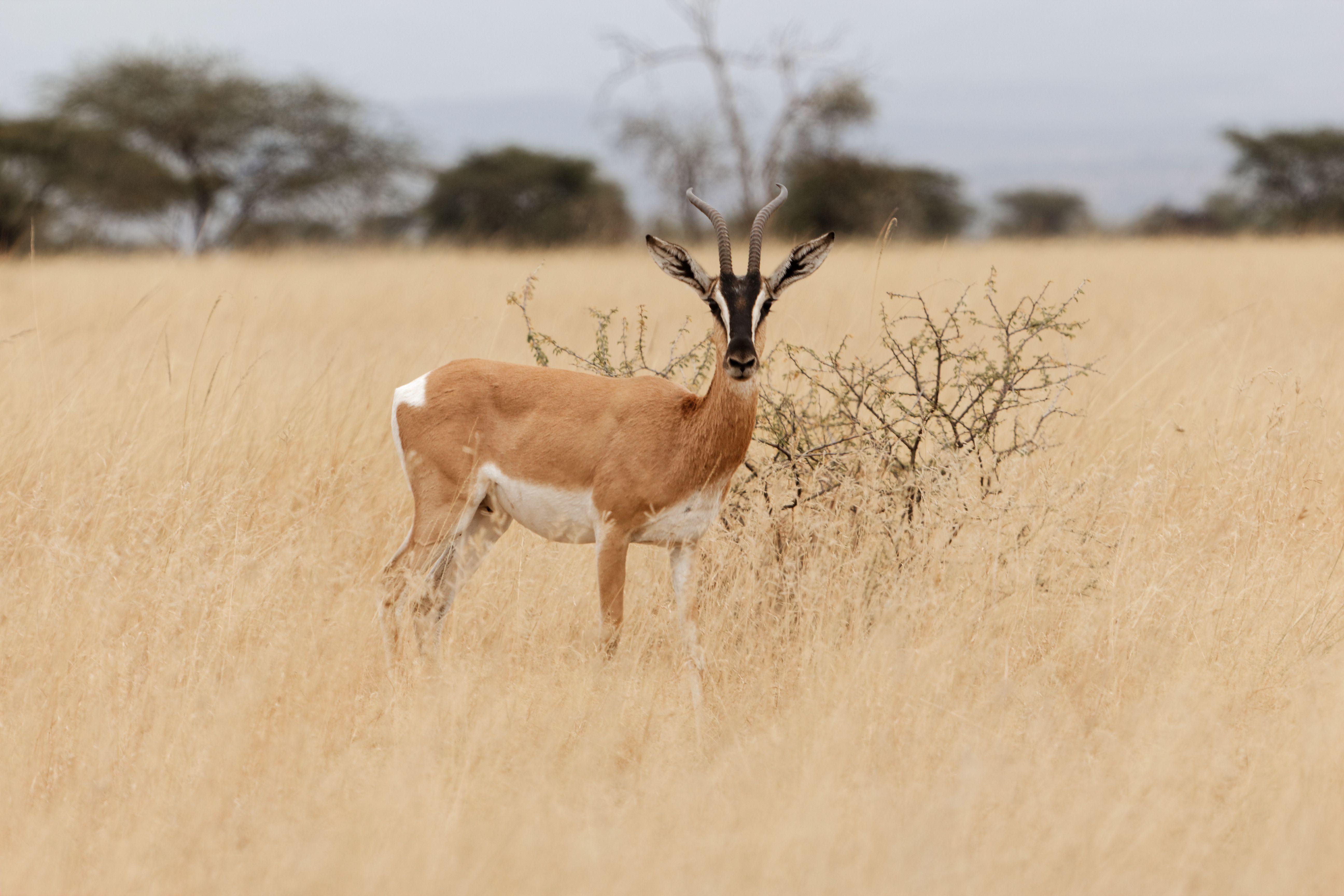
Soemmerring's Gazelle is one of the largest gazelle species found in Africa and is primarily associated with the arid and semi-arid regions of East Africa, particularly Ethiopia. Known for its long legs, strong build, and distinctive facial markings, it is well adapted to open, dry environments where visibility is high and movement is constant.
Unlike many smaller gazelle species, Soemmerring’s gazelle is typically encountered in more open terrain, making hunting in Ethiopia a classic spot-and-stalk experience that differs significantly from bushveld or riverine environments, often as part of a broader plains game hunting safari.
This species is often seen in small groups or loosely structured herds, and while not as widely pursued as plains game in Southern Africa, it represents a unique opportunity for hunters interested in East African antelope species.
Soemmerring's gazelle is not just another plains game species — it is considered a regional and collector-driven trophy, primarily due to its limited distribution and the specific conditions required to hunt it.
Unlike more widely available gazelle species found across Southern Africa, this species is largely confined to select areas of East Africa, with Ethiopia being one of the few places where it can be pursued under structured safari conditions.
This limited range means that:
• It is not commonly encountered on standard safari itineraries
• Availability is tied to specific concessions and quotas
• Fewer hunters pursue it compared to more accessible species
As a result, it holds particular appeal for hunters who are:
• Interested in less commonly hunted antelope
• Building a diverse or region-specific trophy collection
• Looking to hunt species that are not widely available elsewhere
From a trophy perspective, Soemmerring's gazelle stands out due to its:
• Larger body size compared to most gazelle species
• Distinctive facial markings and proportions
• Association with open, arid East African landscapes
However, the real value is not just in the animal itself, but in what it represents within a safari.
Taking a Soemmerring's gazelle typically reflects:
• A willingness to hunt outside traditional Southern African circuits
• An interest in regional diversity rather than just well-known species
• A more selective and experience-driven approach to hunting
For this reason, it is often pursued by hunters who are intentionally adding depth and uniqueness to their safari portfolio, rather than simply increasing numbers.
Shot placement for Soemmerring's gazelle is similar to other light-bodied plains game species, with the vital zone located just behind the shoulder.
Due to their alert nature and tendency to remain in open terrain, shot opportunities are often taken at moderate distances. A steady rest and precise shot placement are important, as these animals can cover ground quickly if not hit effectively.
Light to medium calibers such as .243, .270, or .308 are well suited for Soemmerring's gazelle.
The emphasis should remain on accuracy rather than power. Flat-shooting calibers are advantageous in open terrain where longer shots are more common. Soft-point or bonded bullets are typically preferred for clean penetration and minimal meat damage.
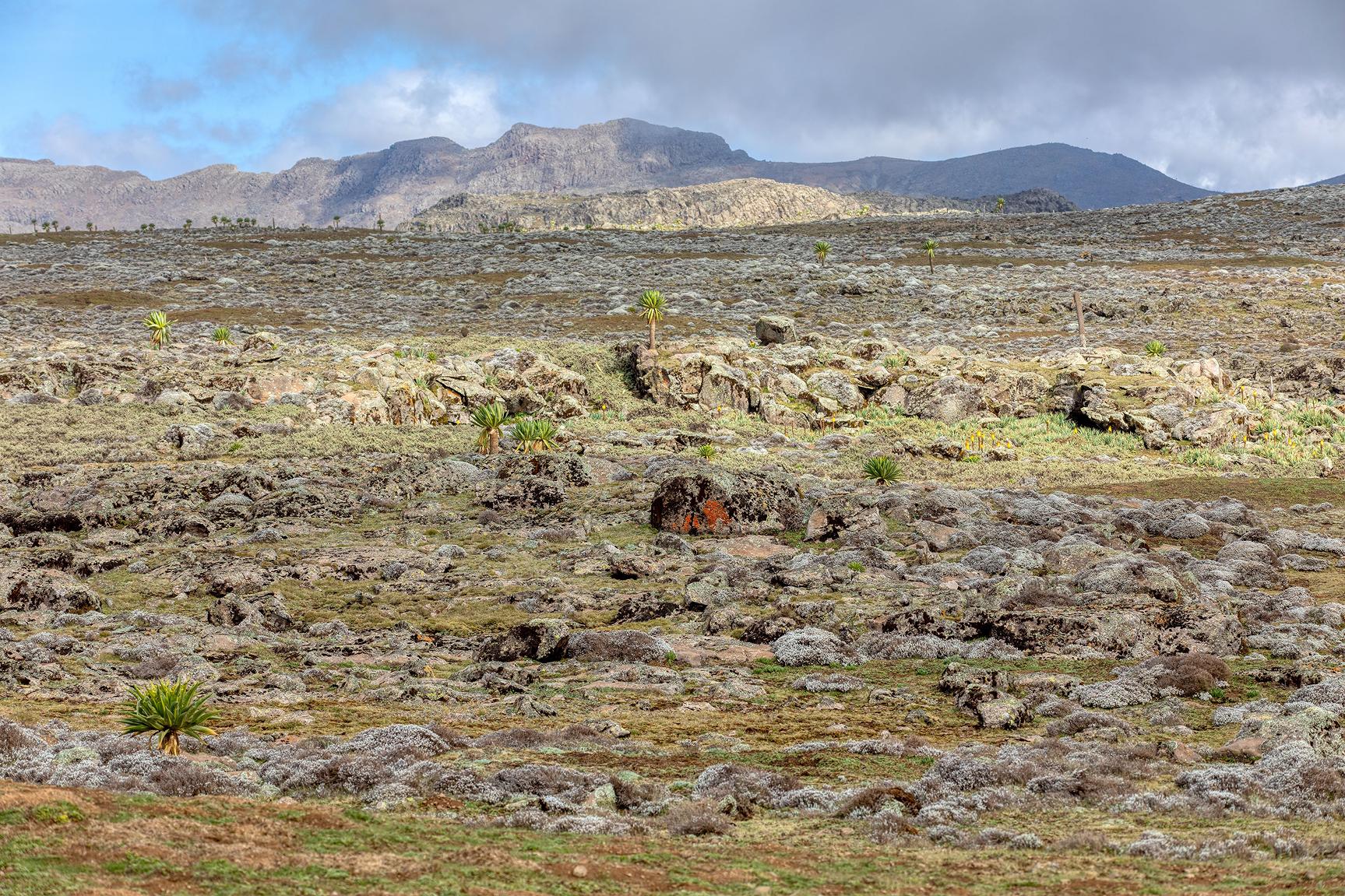
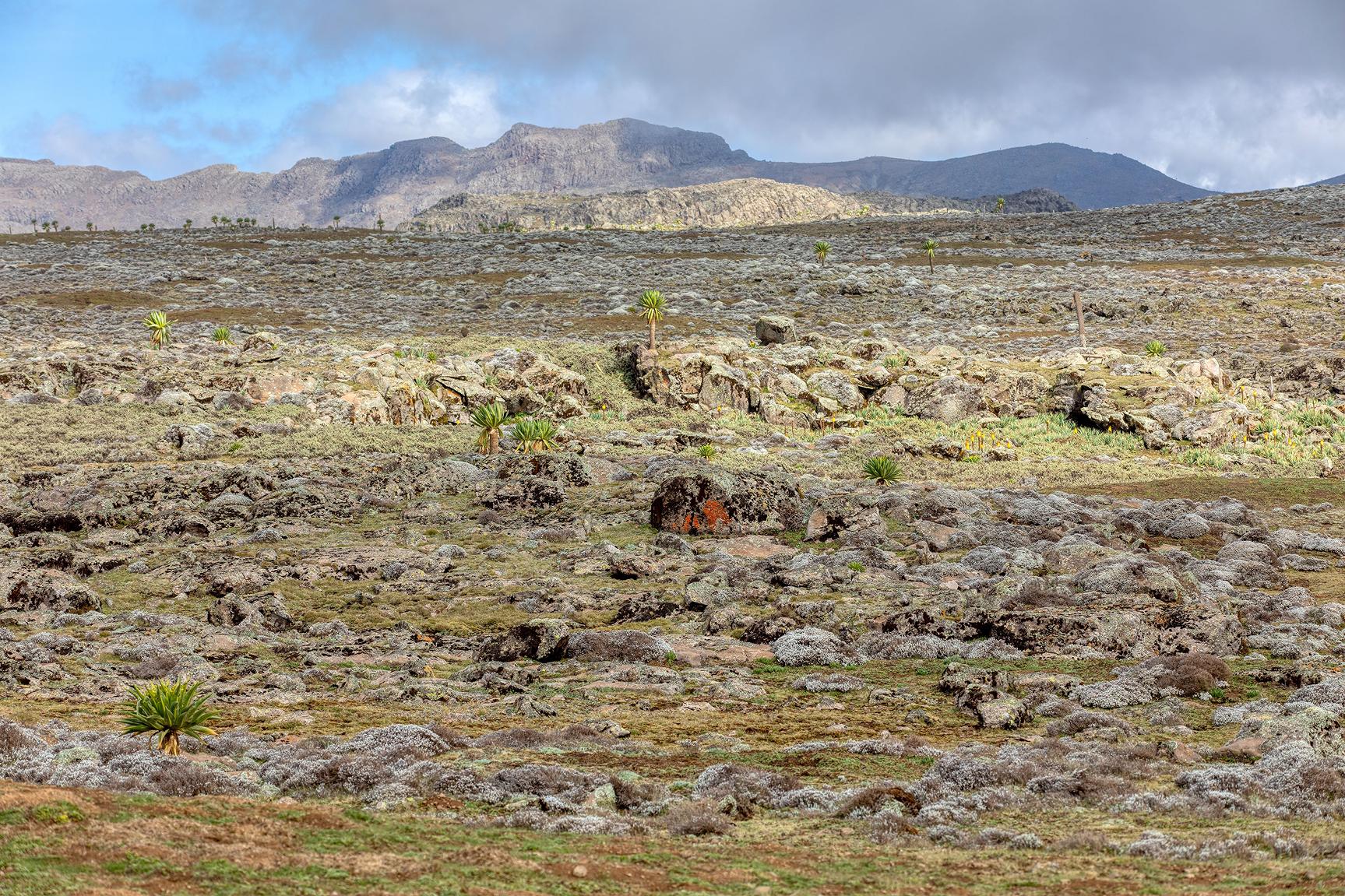
Soemmerring's gazelle is typically hunted in Ethiopia's drier eastern and central regions, where the landscape opens up into wide, lightly vegetated terrain that allows animals to rely on visibility rather than cover.
These areas are defined by:
• Expansive semi-arid plains stretching across rolling ground
• Open savannah with scattered vegetation rather than dense bush
• Light bushveld and scrub that provides minimal concealment
• Low rainfall zones where vegetation remains short and visibility stays high
From a hunting perspective, this type of environment changes everything.
Unlike thicker regions of Africa where animals are encountered at close range, here you are often seeing game long before you can approach it. The terrain lends itself to:
• Long-range glassing across open ground
• Identifying animals from distance before planning a stalk
• Using subtle terrain features rather than vegetation for cover
In many cases, the most productive areas are those with slight elevation changes, where you can glass effectively and plan approaches using dips and contours in the landscape.
This is not a confined or heavily structured hunting environment — it feels open, exposed, and natural, with animals moving freely across large areas.
For hunters used to bushveld or woodland hunting, this shift in terrain is significant. The hunt becomes less about moving through cover and more about reading the land, spotting movement early, and closing distance without being seen.
Hunting Soemmerring's gazelle is a measured, observation-driven experience, where much of the day is spent locating animals before any real opportunity develops.
Time in the field is typically divided between glassing open terrain and moving carefully through suitable areas, with a strong emphasis on spotting animals at distance before they become aware of your presence.
Because these gazelles rely heavily on eyesight rather than cover, they tend to detect movement quickly. This means hunters must:
• Move slowly and deliberately
• Use terrain features to stay concealed
• Pay close attention to wind and positioning
Unlike hunting in thicker environments, where animals may be encountered at closer range, this is a hunt where most opportunities are earned well before the shot is taken.
Encounters are not constant. It is common to spend extended periods observing, repositioning, and waiting for the right moment to begin an approach.
When opportunities do develop, they are often:
• At moderate distances
• Time-sensitive
• Dependent on clean positioning rather than speed
Overall, the pace is steady rather than fast, with success relying on patience, awareness, and the ability to act decisively when a window opens.
A Soemmerring's gazelle hunt is built around spotting animals at distance and planning deliberate stalks, rather than frequent encounters or reactive shooting.
Most days begin with glassing large open areas, either from elevated vantage points or while moving slowly through suitable terrain. The goal is to locate animals before they detect movement, which is critical in the open environments they inhabit.
Once a suitable gazelle is identified, the focus shifts to planning the approach.
This often involves:
• Using slight terrain features such as depressions or ridgelines
• Managing wind direction carefully
• Minimizing movement in open ground where visibility is high
Unlike bushveld hunting, where cover allows for closer approaches, here the challenge is closing distance without being detected, often over longer ranges and with limited concealment.
Final shooting positions are typically taken from prone or well-supported setups, as stability becomes more important with increased shot distance.
In many cases, the outcome of the hunt is decided in the final moments of the stalk — small errors in movement, timing, or positioning can quickly end the opportunity.
Success depends on a combination of:
• Patience during long glassing periods
• Careful planning before the approach
• Controlled movement in exposed terrain
• Confident shot execution when the opportunity presents
This is a hunt where fewer chances are expected, but each opportunity carries more weight.
Soemmerring's gazelle can be hunted throughout much of the year, although drier periods are generally preferred.
During these times:
• Visibility improves
• Movement patterns are easier to predict
• Terrain becomes more accessible
Hunting Soemmerring's gazelle in Ethiopia is regulated through permits and quotas tied to specific concessions.
While not as restricted as some species, availability is still controlled and typically forms part of a broader Ethiopian safari rather than a standalone hunt.
For international hunters, gazelle species are generally more straightforward to import compared to dangerous game.
However, regulations vary by country, and hunters should confirm requirements prior to booking.
Compared to gazelle hunting in countries like Namibia or other parts of Southern Africa, Soemmerring's gazelle hunting is more region-specific and tied to Ethiopia's unique terrain.
Southern gazelle species are often hunted in more developed hunting areas, while Ethiopia offers a more remote and less frequently pursued experience.
Physically, Soemmerring's gazelle is larger and more robust than many other gazelle species, making it a distinct trophy.
Soemmerring's gazelle is not typically a primary target species, and is best approached as part of a broader, well-planned Ethiopian safari rather than a standalone objective.
It fits naturally into a hunt where the focus is on regional variety and unique East African species, rather than volume or high-frequency shooting.
This hunt makes the most sense for hunters who:
• Are already committed to hunting in Ethiopia
• Want to pursue species not commonly available in Southern Africa
• Enjoy spot-and-stalk hunting in open terrain
• Are comfortable with fewer, more deliberate shot opportunities
• Prefer a slower-paced hunt with a focus on execution rather than numbers
From a planning perspective, Soemmerring's gazelle is typically included alongside other suitable antelope species found in similar terrain, forming part of a mixed-species safari rather than a single-species hunt. In practice, this often means that hunters encounter Soemmerring's gazelle while pursuing other species in the same terrain, with opportunities developing as part of the overall hunt rather than through dedicated targeting alone.
In most cases, this means the species is either:
• Included as part of a broader plains game package
• Added as an opportunistic or secondary species during a safari
• Structured within a multi-species quota depending on the concession
Understanding how these hunts are actually built is important, particularly for hunters unfamiliar with how African safaris are priced and organized.
Reviewing available plains game hunts provides a clearer picture of how species like Soemmerring's gazelle are typically included within a complete hunting package, and what to realistically expect in terms of structure, flexibility, and availability.
This hunt is ideal for hunters who are comfortable shooting at moderate distances and enjoy open-country hunting.
It appeals to those who value unique species and are interested in exploring hunting opportunities outside traditional Southern African destinations.
Gazelle hunting opportunities across Africa vary depending on species, habitat, and region.
While Southern Africa offers more accessible options, Ethiopia provides a more specialized experience with species not commonly found elsewhere.
Hunters comparing options should review gazelle hunting opportunities across Africa before making a final decision.
Soemmerring's gazelle hunting is best described as a moderate, detail-driven plains game hunt, where success depends more on execution than physical intensity.
While the terrain itself is not physically extreme, the challenge comes from the combination of:
• Open visibility — animals can detect movement at long distances
• Sharp eyesight and alert behavior — gazelles are constantly scanning
• Shot distance — opportunities are often further than typical bushveld hunts
• Limited margin for error — once alerted, animals move quickly and rarely stop again
Unlike thicker bush hunting where encounters can be closer and more frequent, this is a hunt where one mistake can end the opportunity entirely.
Hunters should expect:
• Careful, deliberate stalks rather than fast-paced action
• Time spent glassing and planning approaches
• Fewer but more meaningful shot opportunities
• The need for steady shooting positions (often prone or supported)
From a practical standpoint, this hunt favors hunters who are comfortable shooting 150–300 yards with confidence, and who understand how to manage wind, movement, and timing in open terrain.
Overall, the difficulty lies not in physical strain, but in precision, patience, and decision-making under pressure.
For many international hunters, Soemmerring's gazelle is not a primary reason to travel to Africa — and it shouldn't be approached that way.
Where it becomes worthwhile is as part of a well-rounded Ethiopian safari, particularly for hunters who value species diversity and regional uniqueness over volume.
This is a species that:
• Is not widely available across Africa
• Is rarely encountered on standard plains game safaris
• Adds a distinctly East African element to a hunt
From a trophy perspective, it offers:
• A larger-bodied gazelle than most hunters are familiar with
• Unique markings and proportions
• A different hunting dynamic compared to bushveld antelope
The real value, however, is in the type of hunt it represents.
This is not about numbers or convenience — it's about:
• Spot-and-stalk hunting in open terrain
• Reading animals at distance
• Executing a clean shot under less forgiving conditions
For hunters already committed to Ethiopia, it is a logical addition to a broader plains game safari, where species like Soemmerring's gazelle are pursued alongside other regional antelope.
It works best as part of a mixed-species hunt rather than a standalone objective, particularly for hunters looking to experience a wider range of East African plains game in a single safari.
For those deciding on a destination purely around gazelle species, more accessible options may exist elsewhere — but they will not offer the same combination of rarity and setting.
Soemmerring's gazelle hunting is not suited to every hunter, particularly those expecting a more traditional or high-volume plains game experience.
It is not a good fit for hunters who:
• Prefer close-range shooting in thicker bushveld environments
• Expect multiple daily shot opportunities or fast-paced hunting
• Are uncomfortable shooting at moderate distances in open terrain
• Prioritize well-known or high-profile species over regional variety
This hunt also does not suit hunters who rely heavily on:
• Quick follow-up opportunities after missed shots
• Predictable animal movement patterns
• Heavily managed or high-density game areas
In Ethiopia, encounters are less controlled and more dependent on natural conditions. When an opportunity is missed, there is often no immediate second chance.
Hunters focused on maximizing numbers or seeking a more structured plains game experience may find Southern African destinations more aligned with their expectations.
This hunt is better suited to those who are comfortable with:
• Fewer opportunities
• More planning per encounter
• A greater emphasis on execution over volume
Search from our range of Hunts across various popular destinations in Africa.

Book Your Hunt