10-Day Duiker & Red River Hog Hunting Safari in the Republic of Congo
Booking Season: 2026
Hunt Difficulty: Difficult

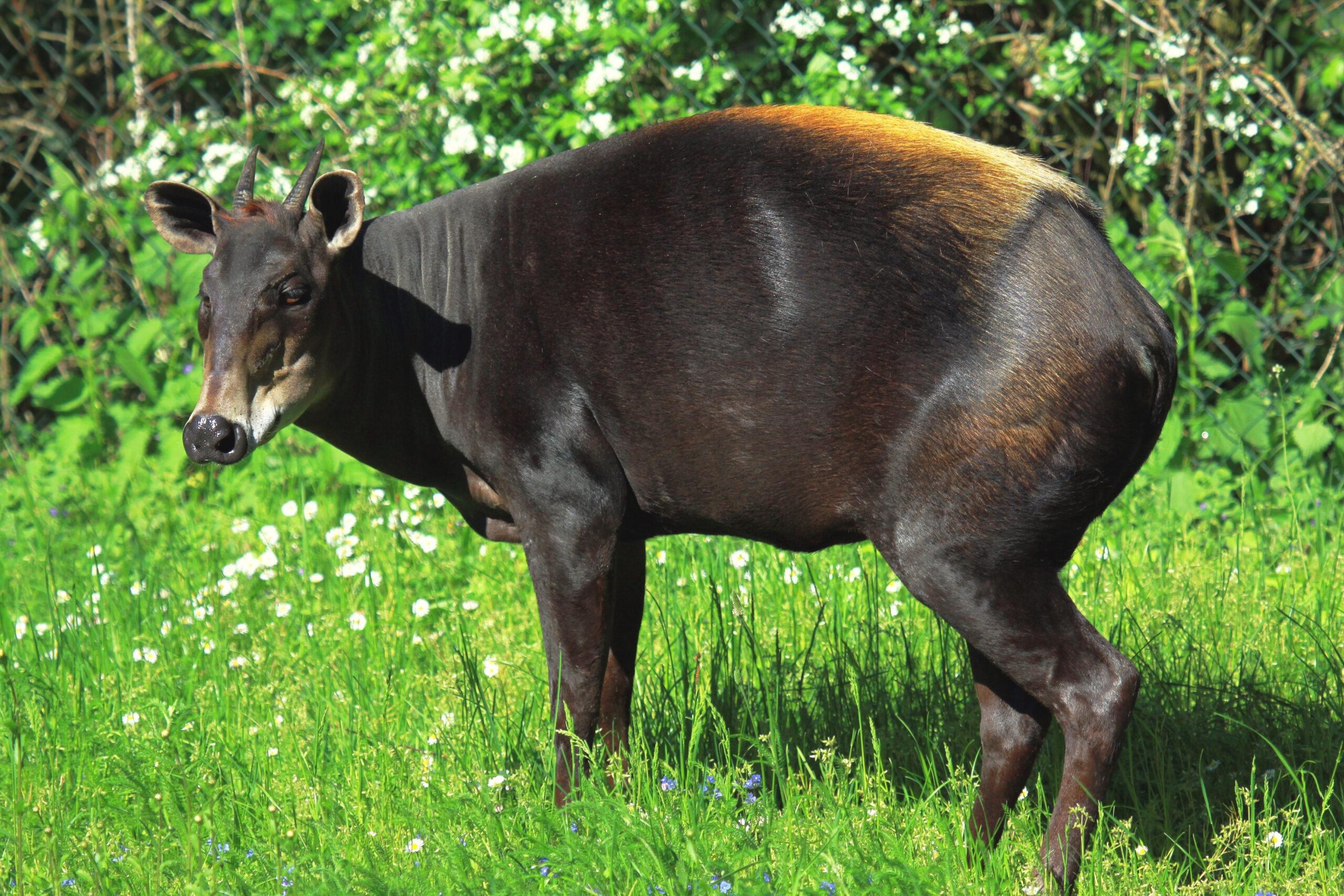
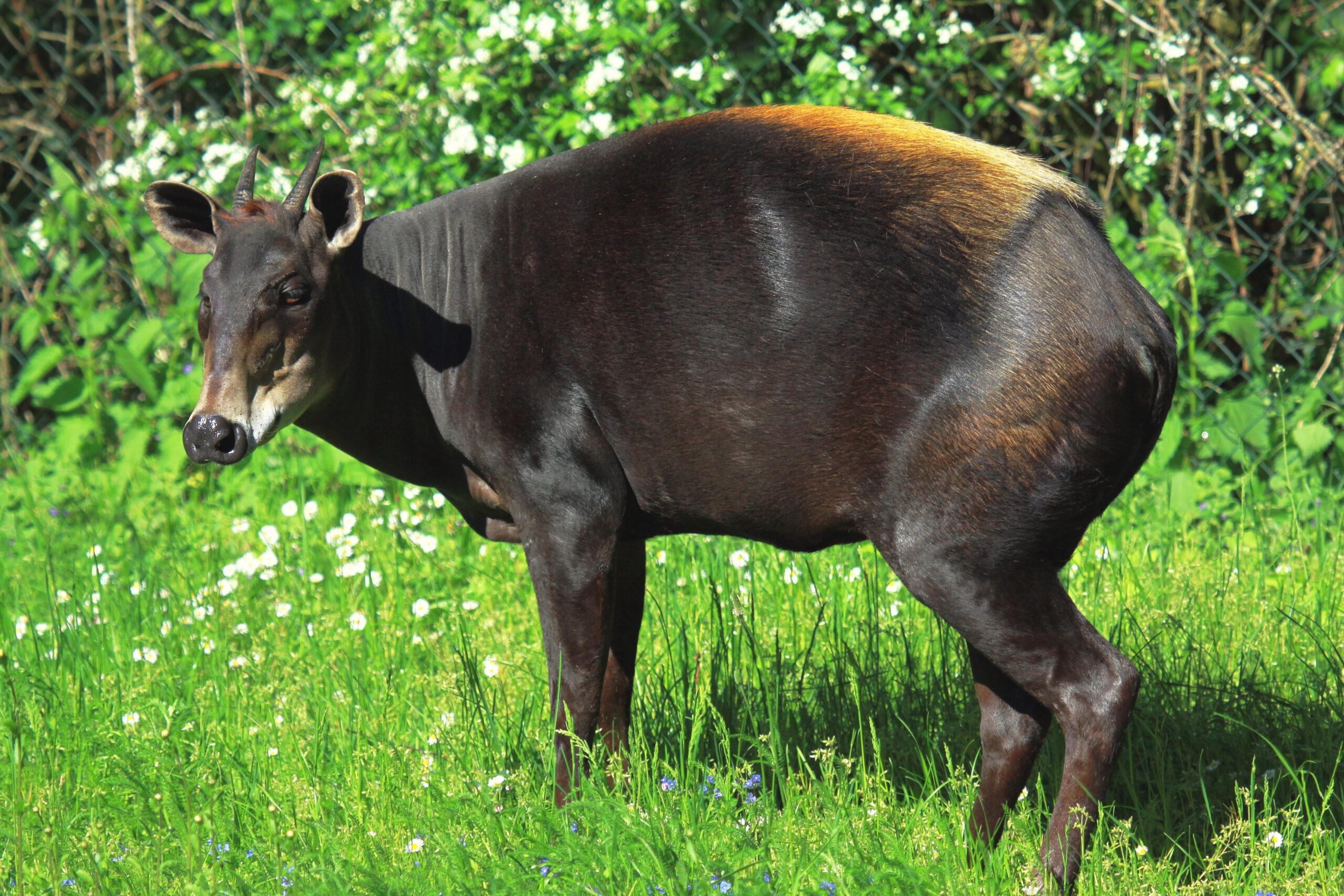
The yellow-backed duiker is not what most hunters picture when they hear the word duiker. Heavy-bodied, powerfully built and considerably larger than the small antelope encountered across much of Africa, it is a true rainforest species and one of the most distinctive trophies found beneath the canopy of the Congo Basin.
Hunting in the Republic of Congo takes place in an environment that demands an entirely different approach from the open savannas and woodlands of Southern Africa. There are no distant hillsides to glass and few opportunities to watch game standing in the open. Visibility can disappear within a few yards, animals move through vegetation that seems almost impenetrable, and an opportunity that takes hours or even days to develop may be over in seconds.
This is exactly what makes pursuing a yellow-backed duiker here so interesting. Success is rarely about how far you can see. Tracks, forest trails, feeding sign and the knowledge of local trackers become increasingly important when the animal you are looking for can disappear almost immediately into a wall of green.
The yellow-backed duiker may not carry the reputation of a forest giant such as the bongo, but that does not make a mature animal any less rewarding to hunt. A sportsman who arrives with Bongo Hunts at the top of his wish list may quickly discover that some of the Congo rainforest's lesser-known species become trophies he remembers just as clearly.
Somewhere beneath that vast canopy is a powerful forest antelope perfectly adapted to its surroundings. The challenge is getting an opportunity to see him before he disappears again.
Available Yellow Backed Duiker Hunts
10-Day Duiker & Red River Hog Hunting Safari in the Republic of Congo
Booking Season: 2026
Hunt Difficulty: Difficult
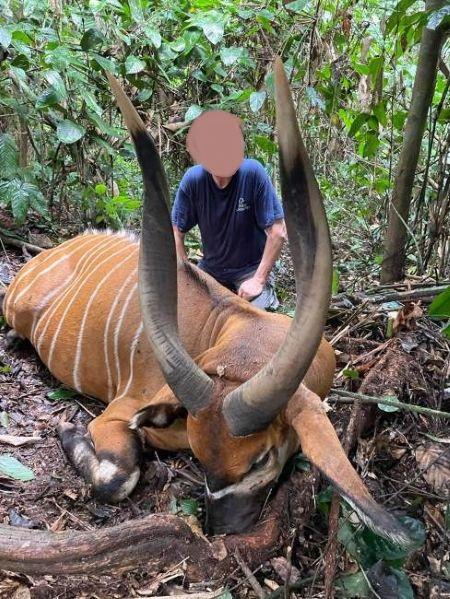
13-Day Bongo Hunting Safari in the Republic of Congo
Booking Season: 2026
Hunt Difficulty: Difficult

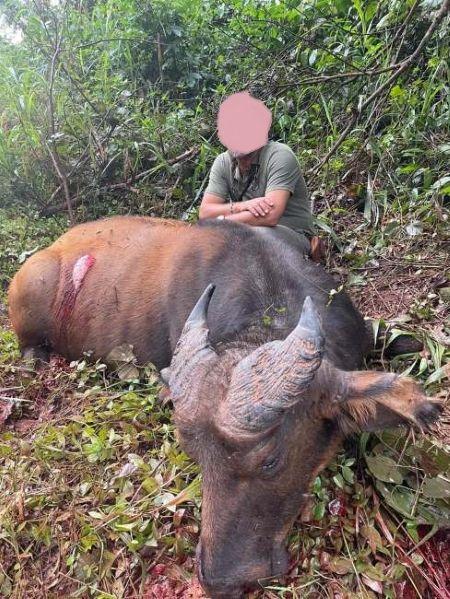
10-Day Dwarf Forest Buffalo Hunting Safari in the Republic of Congo
Booking Season: 2026
Hunt Difficulty: Difficult
The word duiker often brings to mind a small antelope darting across a track or disappearing into thick cover almost before the hunter has registered what he has seen. The yellow-backed duiker changes that picture. This is a substantial forest antelope, but despite its larger size, locating one beneath the Congo rainforest canopy can be remarkably difficult.
The forest gives very little away. Dense vegetation restricts visibility, game trails disappear beneath the undergrowth, and an animal can be moving surprisingly close without ever offering a clear view. There may be tracks and feeding sign confirming that yellow-backed duiker are using an area, yet actually seeing a mature animal is another matter entirely.
This creates a hunt where patience and concentration become increasingly important. There is often no opportunity to study an animal through binoculars for several minutes or watch it approaching across open ground. When a yellow-backed duiker finally appears, the hunter may have only a brief window to recognise what he is looking at and react.
In the Congo rainforest, knowing an animal is there and actually laying eyes on it are two very different things. The tracks may tell you a yellow-backed duiker passed through only hours earlier, but the forest can hide him again just as quickly.
A yellow-backed duiker hunt in the Congo rainforest can involve long periods when very little appears to be happening, followed by a few seconds when everything happens at once. In thick forest, there is rarely the luxury of watching an animal approach across open ground or taking several minutes to prepare for a shot.
Movement may be the first indication that something is there. A branch shifts, vegetation opens briefly, or the trackers suddenly become interested in a sound the hunter barely noticed. Even then, identifying the animal and finding a clear shooting opportunity are two different challenges. The duiker may step into a small opening, remain visible for only moments and disappear again before the hunter can react.
This places a premium on concentration. Hours in the forest can make it easy to relax, yet the opportunity everyone has been waiting for may arrive without warning.
That is one of the great adjustments a hunter must make in Congo. You are not always searching for an animal hundreds of yards away. Sometimes the challenge is recognising what is happening twenty yards in front of you before the rainforest closes around it again.
Hunting beneath the Congo rainforest canopy changes the way a hunter searches for game. In more open African country, binoculars can reveal animals hundreds of yards away. Here, the forest itself often provides the clues long before the animal is seen.
Tracks crossing a forest trail, fresh feeding sign and subtle changes noticed by experienced trackers can all indicate that a yellow-backed duiker has been using an area. Local knowledge becomes particularly important. Someone who has spent years in the forest may notice details that mean very little to a visiting hunter but provide valuable information about where an animal has been moving.
It requires a different kind of attention. You begin listening as much as looking, watching openings in the vegetation and learning that a narrow forest trail can sometimes reveal more than an hour spent trying to see through the surrounding undergrowth.
These differences extend well beyond hunting yellow-backed duiker. Anyone preparing for their first Congo safari will quickly discover that the unwritten rules of hunting Africa's rainforests bear little resemblance to those of a plains game hunt. Distances shrink, visibility disappears and the knowledge of the people who understand the forest becomes increasingly important.
The rainforest does not make finding game easy. It simply leaves clues, and much of the hunt is learning how to recognise them.
Few hunters travel into the Congo rainforest with only a yellow-backed duiker on their wish list. A safari may be built around one of the region's larger and better-known trophies, but once beneath the canopy, the variety of specialised forest game quickly becomes part of the attraction.
For dedicated African hunters and species collectors, the yellow-backed duiker is highly sought after in its own right. It is a distinctive trophy from a part of Africa that relatively few international hunters ever visit, and taking one requires access to suitable rainforest habitat and the opportunity to encounter an animal that spends much of its life hidden from view.
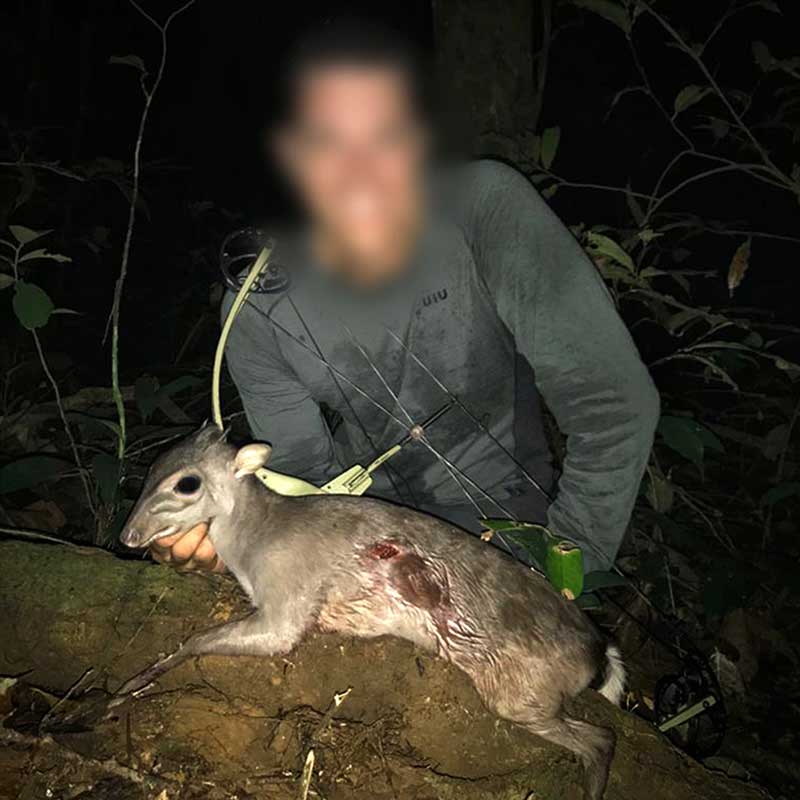
The same forests can hold other specialised antelope, including Peters' duiker and blue duiker, each presenting its own challenge. These smaller species can easily be overlooked when planning a safari from thousands of miles away, but once the hunt begins, they become part of what makes the Congo so different.
You may arrive with one major trophy at the top of the list. By the time you leave, some of the animals that occupied the smallest spaces on that list may have produced some of the biggest memories.
Yes. Yellow-backed duiker are among the specialised forest species that may be hunted in the Republic of Congo, subject to the applicable hunting regulations, quota and availability within the hunting area. Hunters interested in this species should confirm quota with their safari operator when planning the hunt rather than assuming it will automatically be available in every concession.
Hunting methods can vary according to the area and conditions, but the dense rainforest habitat plays a major role in how the hunt is conducted. Tracks, feeding areas and established forest trails can help identify where duiker are moving, while local trackers bring invaluable knowledge of the terrain and animal behaviour. Visibility is often extremely limited, so opportunities can develop at close range and may last only a few seconds.
Not necessarily. Some dedicated species collectors may place yellow-backed duiker high on their list, while other hunters travel primarily for bongo or another major forest species and add duiker when quota and opportunity allow. This is one reason African Hunting Trips into the Congo Basin can be so interesting: animals that initially appear secondary on a trophy list can become an important part of the overall safari once the hunter understands how specialised and difficult to encounter they can be.
Depending on the hunting area and available quota, the Republic of Congo offers opportunities for specialised rainforest duikers, including species such as Peters' duiker and blue duiker. Hunters interested in collecting several forest species should discuss their priorities before the safari, as distribution and quota can vary between hunting areas and seasons.
Search from our range of Hunts across various popular destinations in Africa.
Book Your Hunt