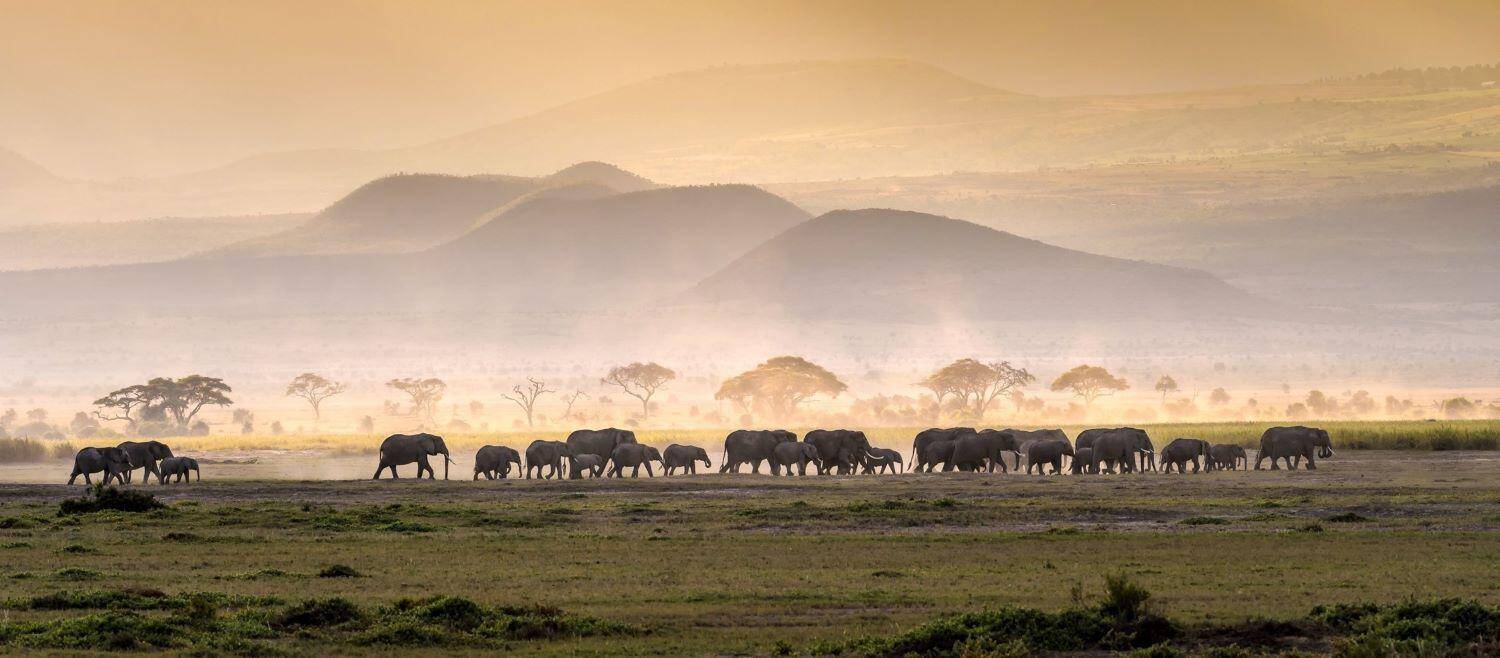
What Makes African Hunting Safari's Unique?
Safari hunting in Africa offers a structured and regulated way to hunt a wide range of species across diverse landscapes. For both experienced hunters and first-time visitors, these hunts involve pursuing game such as lion, leopard, and elephant under strict conservation and wildlife management frameworks. When exploring African hunting safaris, the focus is not only on the hunt itself, but also on ethical practices, habitat preservation, and long-term sustainability.
For those interested in pursuing Africa’s most challenging and iconic species, exploring our dangerous game hunting safaris will give you a clear understanding of what these hunts involve.
Why Choose Safari Hunting in Africa?
- Iconic Species and Unique Experiences
Africa is home to some of the most sought-after game species in the world. The “Big Five”—lion, leopard, rhinoceros, elephant, and Cape buffalo—represent a pinnacle challenge for hunters. Additionally, plains game such as kudu, oryx, and impala offer rewarding hunts for those seeking variety. - Conservation Through Ethical Practices
Safari hunting contributes significantly to conservation efforts. Regulated hunts generate funding for anti-poaching programmes, habitat preservation, and community development. When organised responsibly, hunting ensures that wildlife populations remain balanced while supporting local economies. - Expert Guidance and World-Class Facilities
Safari hunters benefit from expert trackers and guides who are deeply familiar with the terrain and animal behaviours. African hunting lodges provide modern amenities and a comfortable base for your adventures, ensuring hunts are conducted safely, efficiently, and in line with professional standards.
What To Expect As A Safari Hunter
Preparing for Your Safari Hunt
Before embarking on a safari hunt, it’s crucial to plan ahead. Here are the key steps:
- Choose the Right Location:
Countries like South Africa, Namibia, Tanzania, and Zimbabwe offer excellent opportunities for safari hunters. - Obtain Permits: Work with a licensed outfitter to secure all necessary hunting permits and comply with regulations.
Select Your - Equipment: Bring appropriate firearms, clothing, and gear for the species you’ll be targeting.
A Typical Day for Safari Hunters
Your day often starts early, with your guide briefing you on the terrain and the game you’ll be tracking. From there, you’ll set out on foot or by vehicle to locate your target. The pace varies depending on the species, but patience and attention to detail are key.
After a successful hunt, ethical safari hunters work with their guides to ensure proper handling of the game, contributing to local conservation or community initiatives.
Top Destinations for Safari Hunters
- South Africa
Renowned for its well-managed reserves, South Africa offers a variety of game, from plains species to the Big Five. With excellent infrastructure, it’s ideal for first-time hunters. - Namibia
Known for its vast, open landscapes, Namibia is perfect for hunters seeking kudu, oryx, and other plains game. The country’s strong focus on sustainable hunting makes it a popular choice. - Tanzania
Tanzania boasts legendary hunting grounds, including the Serengeti. Safari hunters here can track iconic species like lions and leopards while enjoying breathtaking views. - Zimbabwe
For those after Cape buffalo or crocodiles, Zimbabwe offers challenging yet rewarding hunts. The country’s professional guides and rich wildlife make it a top destination.
How Safari Hunters Support Conservation
Safari hunters play a vital role in preserving Africa’s ecosystems. Here’s how:
- Funding Anti-Poaching Efforts: Fees from hunts support rangers and patrols that protect wildlife from illegal poaching.
- Habitat Preservation: Revenues contribute to maintaining reserves and creating safe environments for endangered species.
- Community Benefits: Local villages receive funding for schools, healthcare, and infrastructure from hunting tourism.
Planning Your Adventure
Key Considerations for Safari Hunters
- Seasonality: The dry season (May–October) is ideal for hunting as wildlife gathers near water sources.
- Fitness Levels: Depending on your chosen hunt, you may need to prepare for physical activity such as trekking through challenging terrain.
- Sustainability: Always choose reputable operators who prioritise ethical practices and conservation.
Why Book with Professionals?
Experienced safari operators simplify the planning process, handling everything from permits to accommodation. They ensure a safe, legal, and rewarding adventure tailored to your goals.