Designed by Hunters, for Hunters

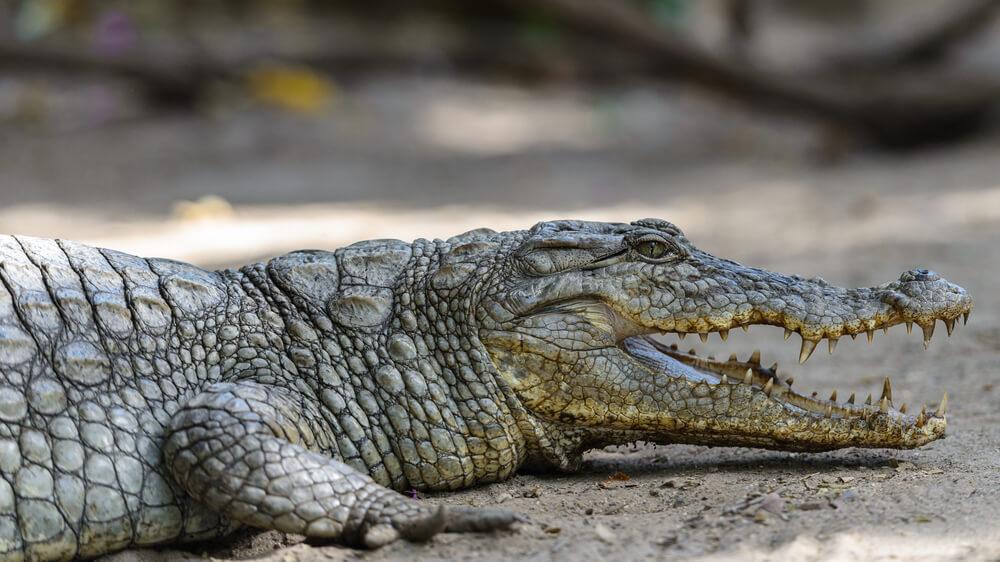
The West African crocodile (Crocodylus suchus) is a separate species from the larger Nile crocodile, although the two were historically confused. Found across parts of West and Central Africa, it inhabits rivers, wetlands, forest waterways and other freshwater environments.
Generally smaller than the Nile crocodile, this species is known for its secretive behaviour and its ability to remain concealed in water and dense vegetation. Fish, crustaceans, reptiles and small mammals form part of its diet, with feeding habits varying according to habitat and the size of the animal.
For hunters researching the different crocodile species found across Africa, it is important to distinguish the West African crocodile from the Nile crocodile most commonly associated with commercial crocodile hunts. The species, hunting area, available quota and applicable regulations should all be confirmed before assuming a particular crocodile can be legally hunted.
Name:
Crocodylus suchus
Male Weight:
200-550 pounds
Male Length:
6ft 7 in – 9ft 10 in
Incubation:
90-100 days
Range:
Found across West and Central Africa
Life span:
45 years
The West African crocodile is a worthy opponent for hunters wanting an African hunting adventure.
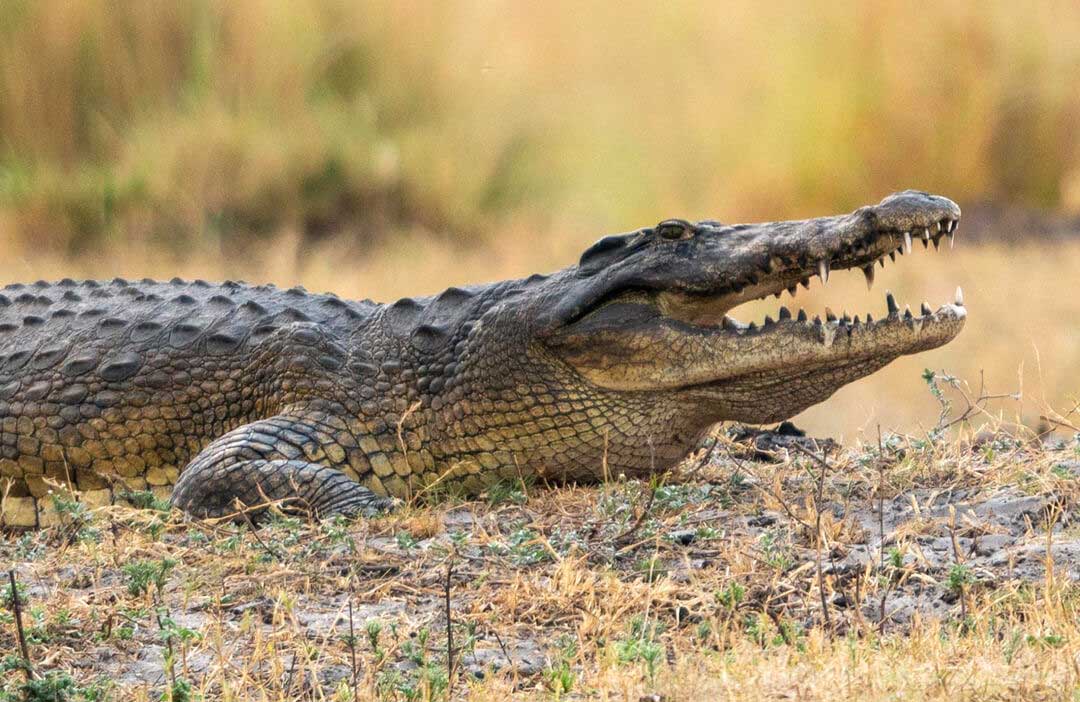
Look for a large crocodile on your game hunting safaris; it may be hiding in the water or lying catching some sun on a riverbank somewhere. These reptiles measure between 6ft 7 in, to 9ft 10in and weigh between 200-550 pounds, although larger specimens up to 660 pounds have been recorded. This apex predator’s eyes, ears, and nostrils are situated on the top of its head, allowing it to glide through the water easily and stealthily in search of prey. Its scales are brown to olive in color, with eyes that reflect at night, making it easy to spot. Its webbed feet and large, muscular tail allow it to easily navigate the water in search of some unfortunate prey.
Crocodiles are hunted using a blind or through a challenging walk-and-stalk method.
The challenge in targeting this pre-historic reptile on a game hunting adventure is its ability to not only camouflage itself but also the 30 minutes that it can stay underwater, with a swimming speed of 20 miles per hour. If you miss that first shot or rattle them, they may disappear, never to be seen again.
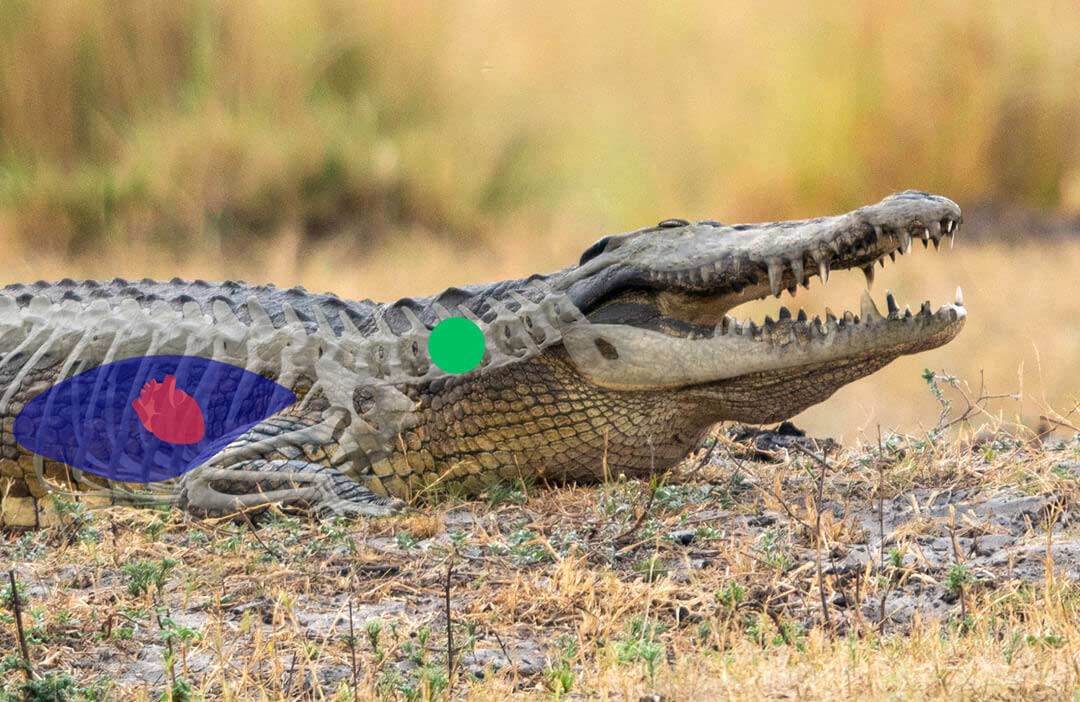
Hunters considering this species should confirm the applicable hunting regulations, minimum calibre requirements and permitted hunting methods with their outfitter. Accurate shot placement is essential when hunting crocodiles, and the professional hunter should advise on suitable rifles, ammunition and shooting distances for the particular hunting area.
Search from our range of Hunts across various popular destinations in Africa.

Book Your Hunt