
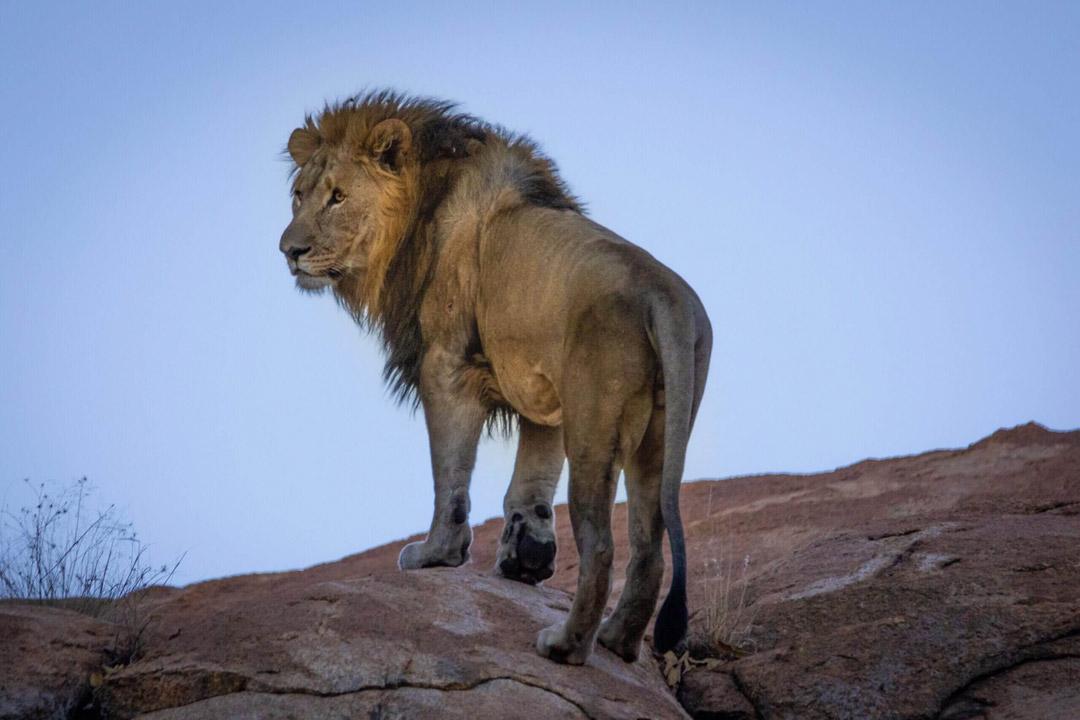
For generations, Tanzania has represented the pinnacle of traditional African dangerous game hunting. Vast unfenced wilderness concessions, legendary East African safari history, remote tented camps, and mature wild lions roaming truly untamed country have helped cement Tanzania’s reputation as one of Africa’s most respected lion hunting destinations.
Unlike many modern hunting environments, ethical lion hunting in Tanzania still revolves around patience, discipline, experienced trackers, and long days spent deep within some of East Africa’s most remote wilderness ecosystems. Many hunters spend years dreaming about following mature black-maned lions through Tanzania’s dry river systems, open savannahs, and thick jesse bush under the guidance of experienced professional hunters.
Part of Tanzania’s enduring appeal comes from the scale and authenticity of the safari itself. Traditional dangerous game hunts often operate on extended 14 to 21-day licenses across enormous wilderness concessions where hunters may go days without seeing another vehicle, fence line, or permanent settlement. The isolation, physical demands, and unpredictability of these safaris create an atmosphere that many hunters believe represents the last true expression of classic East African lion hunting.
For international hunters pursuing authentic African dangerous game hunts, Tanzania continues to stand apart not simply because of the lions themselves, but because of the wilderness, history, tracking culture, and safari traditions that surround the hunt. This combination of mature wild lions, vast wilderness concessions, and traditional safari atmosphere remains one of the primary reasons Tanzania still holds such legendary status within the dangerous game hunting world.
[DYNAMIC-BLOGTABLEOFCONTENT]
Key Takeaways
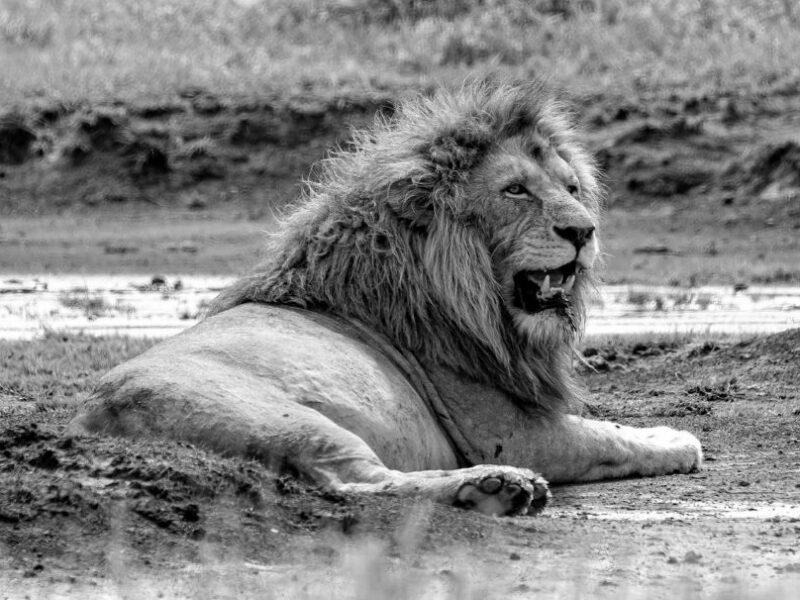
Tanzania remains one of Africa’s last truly wild lion hunting destinations, where vast unfenced wilderness concessions and traditional East African safari culture still define the overall hunting experience. Mature wild lions in Tanzania are respected not only for their trophy quality, but also for their territorial behavior, intelligence, physical presence, and ability to survive within some of Africa’s harshest wilderness environments.
Successful lion safaris in Tanzania rely heavily on experienced professional hunters, skilled local trackers, patience, spoor interpretation, and careful evaluation of mature males before any shot opportunity develops. Tanzania’s extended dangerous game safari structure, remote tented camps, and lower hunting pressure continue to attract international hunters searching for authentic wilderness hunting experiences.
Understanding lion behavior, pride dynamics, territorial movement, and proper shot placement remains essential for ethical and effective dangerous game hunting in Africa. For many hunters, authentic big game hunting in Tanzania still represents the closest modern equivalent to the classic East African safari experience that helped make the region legendary among dangerous game hunters worldwide.
Why Tanzania's Wild Lions Command So Much Respect
Wild lions in Tanzania are widely respected among dangerous game hunters not simply because of their size, but because of the environments in which they survive. Tanzania’s mature male lions often occupy enormous wilderness territories across remote river systems, open savannah, thick jesse bush, and isolated thornveld ecosystems where hunting pressure remains relatively low compared to many modern hunting environments.
Unlike lions raised within heavily managed systems, mature territorial males in Tanzania survive through constant competition, territorial conflict, scavenging pressure, drought conditions, and encounters with other dangerous game species including buffalo, elephant, and crocodile near major river systems. These harsh wilderness conditions help shape the physical appearance, behavior, and reputation of Tanzania’s mature wild lions.
Professional hunters operating within remote East African concessions place enormous emphasis on properly evaluating mature males before any hunt proceeds. Mane development, body condition, territorial behavior, spoor size, facial scarring, and overall age all play important roles when assessing whether a lion meets ethical standards for a traditional dangerous game safari.
Part of what continues to attract international hunters to Tanzania is the unpredictability of the wilderness itself. Lions may move enormous distances between river systems and territorial boundaries, often becoming active only during cooler evening and early morning hours. This combination of vast wilderness, mature free-ranging lions, and traditional safari conditions remains one of the defining characteristics of authentic East African lion hunting today.
Mature Wild Lions and Territorial Dominance in Tanzania
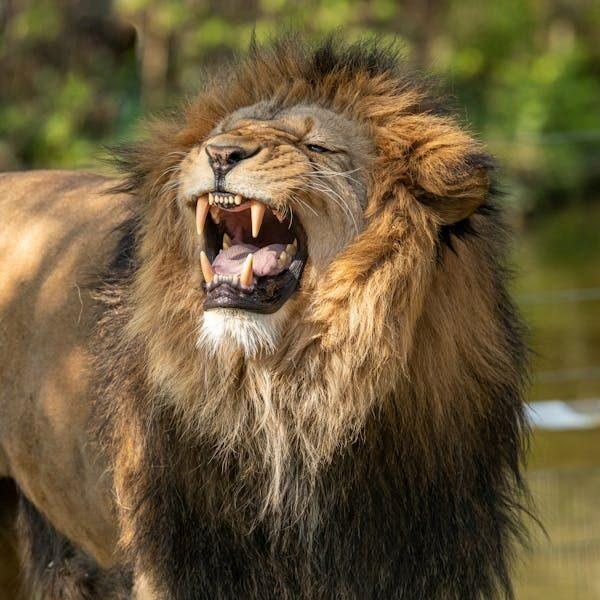
One of the defining characteristics of Tanzania’s wild lion populations is the presence of large mature territorial males occupying vast wilderness areas across remote East African concessions. These lions survive within highly competitive environments where territorial disputes, drought conditions, scavenging pressure, and conflicts with buffalo and other predators all shape their behavior and physical condition over time. In many remote Tanzanian concessions, mature lion territories also overlap with areas known for exceptional leopard populations, which is one of the reasons many dangerous game hunters eventually combine lion and leopard safaris within the same wilderness regions.
Experienced professional hunters carefully evaluate mature males before any safari proceeds, paying close attention to spoor size, facial scarring, body condition, territorial behavior, and mane development. While darker manes are often associated with maturity and dominance, professional hunters place far greater emphasis on overall age and physical condition than mane color alone when assessing a lion ethically.
Unlike heavily managed hunting environments, Tanzania’s mature wild lions often roam enormous unfenced wilderness territories where locating a specific lion can require days of tracking, bait monitoring, and careful evaluation before a professional hunter is satisfied that the animal meets ethical standards for a dangerous game safari.
Part of what continues to attract American and international hunters to Tanzania is the opportunity to pursue truly wild free-ranging lions within remote ecosystems that still retain much of their historic East African safari atmosphere. For many hunters, the experience of encountering a mature territorial lion under genuine wilderness conditions remains one of the defining moments in African dangerous game hunting.
Territorial Lions and Pride Dynamics in Tanzania
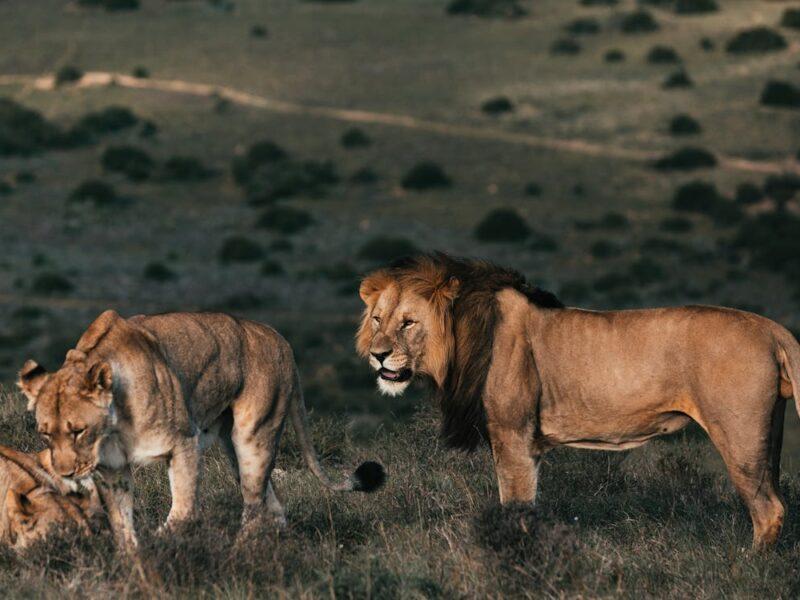
Mature male lions in Tanzania operate within highly competitive territorial systems where pride control, breeding access, and dominance are constantly challenged by younger rival males. These territorial disputes often leave older males heavily scarred and physically worn, which is one of the reasons experienced professional hunters place such strong emphasis on carefully evaluating age and maturity before any hunt proceeds.
Lionesses remain the foundation of the pride structure and play a major role in territorial stability, hunting activity, and cub protection throughout Tanzania’s wilderness ecosystems. Professional hunters and trackers therefore pay close attention to overall pride behavior when monitoring mature males within a concession, particularly when evaluating whether a lion has reached sufficient age and maturity under ethical dangerous game hunting standards.
In remote East African wilderness areas, mature male lions may control enormous territories for several years before eventually being displaced by younger rivals. These constant territorial pressures, combined with drought, competition, and injuries sustained throughout life, all contribute to the reputation of Tanzania’s mature wild lions as some of Africa’s most respected dangerous game animals.
Why East African Wild Lions Are Such Effective Predators
Part of what makes Tanzania’s mature wild lions so respected among dangerous game hunters is their extraordinary ability to survive within harsh and constantly changing wilderness environments. Lions are highly adaptable predators capable of hunting, scavenging, defending territory, and competing with other dangerous species across enormous East African ecosystems.
Most mature lions become active during cooler evening, night, and early morning hours when temperatures drop and prey movement increases. Professional hunters and trackers operating in Tanzania therefore spend considerable time monitoring spoor, territorial movement, alarm calls, and bait activity during these peak movement periods while evaluating mature males within a concession.
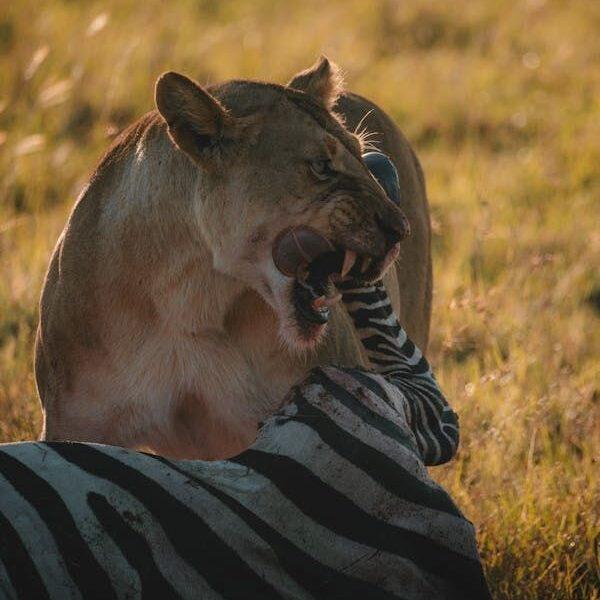
Unlike many predators that rely purely on speed, lions depend heavily on stealth, positioning, patience, and short bursts of explosive power. Mature males often patrol extensive territories that frequently overlap with buffalo herds, scavenger activity, and competing predators, creating a highly demanding environment where only experienced territorial lions maintain long-term dominance. These same wilderness regions are also renowned for exceptional Cape buffalo hunts, with buffalo remaining one of the few dangerous game animals capable of seriously injuring or even killing lions during territorial confrontations.
Scavenging also forms part of lion survival behavior within many wilderness ecosystems. Professional hunters frequently observe lions feeding opportunistically near river systems, old kills, or areas with concentrated game movement during drier periods of the year. This adaptability helps explain why mature wild lions continue to thrive across some of Tanzania’s harshest dangerous game regions.
The mane itself remains one of the lion’s most recognizable features, particularly among older territorial males. While darker manes are often associated with maturity and dominance, experienced professional hunters place far greater emphasis on overall age, body condition, and territorial behavior when evaluating lions ethically during traditional East African safaris.
Tanzania's Vast Wilderness Areas and Lion Habitat
One of the reasons Tanzania continues to hold such legendary status among dangerous game hunters is the sheer scale of its remaining wilderness habitat. Unlike many modern hunting regions where development, fencing, agriculture, and human pressure continue to shrink wildlife areas, Tanzania still maintains enormous unfenced ecosystems capable of supporting truly wild free-ranging lion populations.
Many of Tanzania’s most respected lion hunting areas are located within remote wilderness ecosystems connected to major river systems, seasonal migration routes, dense jesse bush, open savannah, and thick thornveld habitat. These diverse environments allow mature territorial lions to patrol vast hunting ranges while competing with buffalo, elephant, hyena, crocodile, leopard, and other dangerous game species throughout the ecosystem.
The scale of these wilderness concessions also plays a major role in preserving the traditional East African safari atmosphere that continues to attract dangerous game hunters from around the world. In many areas, hunters may spend days tracking lions without encountering roads, fences, lodges, or permanent settlements — conditions that have become increasingly rare across much of modern Africa.
While lion populations across Africa continue to face pressure from habitat loss, human expansion, poaching, and conflict with livestock communities, Tanzania still remains one of the continent’s most important strongholds for mature wild lions operating under genuine wilderness conditions. For many hunters, this combination of scale, remoteness, and authentic safari country remains one of the defining characteristics of traditional East African dangerous game hunting today.
Why Mature Wild Lions Command Respect in Tanzania
Even among Africa’s dangerous game species, mature wild lions occupy a unique position within Tanzania’s wilderness ecosystems. Their territorial nature, physical presence, intelligence, and ability to dominate vast hunting ranges have helped establish lions as one of the continent’s most respected apex predators.
Life for mature territorial males is far from easy. Competing males, drought conditions, injuries sustained during hunts, scavenger pressure, and encounters with buffalo and elephant all place constant strain on lions operating within remote East African wilderness systems. Many older males carry visible scars and injuries accumulated through years of territorial conflict and survival within these harsh environments.
Professional hunters and trackers working in Tanzania often speak about the immense respect required when pursuing mature wild lions under true wilderness conditions. Unlike many species that rely on flight as a primary defense, lions may stand their ground, circle back on spoor, or disappear silently into thick cover while observing approaching hunters from surprisingly short distances.
Although lion populations across Africa continue to face pressure from habitat loss, poaching, and human expansion, Tanzania still remains one of the continent’s most important strongholds for large free-ranging wild lions. This combination of wilderness scale, traditional safari culture, and mature territorial lions continues to reinforce Tanzania’s reputation as one of Africa’s premier dangerous game hunting destinations.
Conclusion
For generations, Tanzania has remained one of the most respected dangerous game hunting destinations in Africa, offering hunters the opportunity to pursue mature wild lions within some of the continent’s last truly untamed wilderness ecosystems. Vast unfenced concessions, traditional East African safari culture, experienced professional hunters, and enormous free-ranging lion territories all continue to shape what many hunters consider the ultimate Tanzania wild lion hunting experience.
Unlike heavily commercialized hunting environments, authentic lion safaris in Tanzania still demand patience, physical endurance, careful lion evaluation, and a deep respect for the unpredictable nature of dangerous game hunting under true wilderness conditions. Long days spent following spoor through remote bush country, monitoring territorial movement, and evaluating mature males remain central to the appeal of traditional East African lion safaris.
Part of Tanzania’s enduring reputation also comes from the overall safari atmosphere itself. Remote tented camps, extended dangerous game licenses, vast wilderness concessions, and low hunting pressure continue to attract hunters searching for authentic African dangerous game experiences that feel increasingly rare in the modern hunting world.
For many international hunters, big game hunting in Tanzania represents far more than simply pursuing a trophy lion. It reflects the opportunity to experience one of Africa’s last great wilderness hunting frontiers while participating in a safari tradition that has shaped dangerous game hunting history for generations.
Frequently Asked Questions
Is lion hunting legal in Tanzania?
Yes, lion hunting in Tanzania remains legal under strict government regulation and is limited to licensed dangerous game safari concessions operating under quota systems and age-based harvesting requirements. Tanzania is widely regarded as one of Africa’s most tightly controlled wild lion hunting destinations, with extended safari license requirements and professional hunter oversight helping maintain ethical hunting standards.
Why is Tanzania considered one of Africa’s best lion hunting destinations?
Tanzania is respected for its enormous unfenced wilderness concessions, mature free-ranging lion populations, traditional East African safari culture, and highly authentic dangerous game hunting experiences. Many hunters pursuing authentic lion hunting in Tanzania are specifically drawn to the country’s remote safari atmosphere, low hunting pressure, experienced trackers, and vast wilderness ecosystems.
What other dangerous game species are commonly hunted alongside lions in Tanzania?
Many dangerous game safaris in Tanzania combine lion hunting with species such as Cape buffalo, leopard, crocodile, hippo, and plains game depending on concession quotas and safari length. Buffalo are especially popular combination animals because many lion territories naturally overlap with areas known for exceptional buffalo hunting throughout Tanzania’s wilderness regions.
How difficult is tracking a mature wild lion in Tanzania?
Tracking mature wild lions in Tanzania is widely considered one of Africa’s most physically and mentally demanding dangerous game hunting experiences. Lion hunts often involve long days following spoor through thick bush, monitoring bait sites, evaluating territorial movement, and adapting to constantly changing wilderness conditions before a suitable mature male is encountered.
Reviewed by Pierre van Wyk
This article has been reviewed by Pierre van Wyk, founder of Game Hunting Safaris and an African hunting professional with more than 30 years of hunting experience across Southern and East Africa. Having pursued members of the Big 5 and Dangerous 7, including lion, Cape buffalo, hippo, and crocodile, Pierre combines extensive field experience with a deep understanding of dangerous game hunting, wildlife conservation, and African safari planning.
Growing up in South Africa's Eastern Cape, Pierre developed a lifelong passion for ethical, sustainable hunting and African wildlife. Together with his wife Tamlyn and their family, he has spent decades hunting and exploring Africa's most iconic destinations while helping international hunters better understand African hunting safaris.
Learn More About Pierre & The GHS Team