
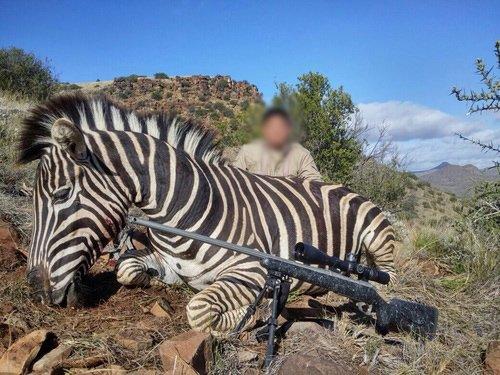
A 10-day African hunting safari sits in a specific bracket—long enough to pursue multiple species, but still structured within a defined budget. For hunters traveling from the United States, this is often the most common safari duration, balancing time in the field with overall cost.
While a 10-day safari is one of the most common options, overall pricing can vary depending on duration, species, and location—see our full breakdown of African hunting safari costs for a complete picture.
The type of hunt you choose also plays a major role in overall cost. Plains game safaris—targeting species like kudu, impala, or gemsbok—tend to be more affordable and flexible, making them a popular starting point for many hunters. In contrast, dangerous game hunts, such as Cape buffalo or elephant, come with higher costs due to permits, guiding requirements, and limited quotas. If you’re still deciding, it’s worth exploring the differences between plains game hunting safaris and dangerous game hunting safaris before comparing packages.
[DYNAMIC-BLOGTABLEOFCONTENT]
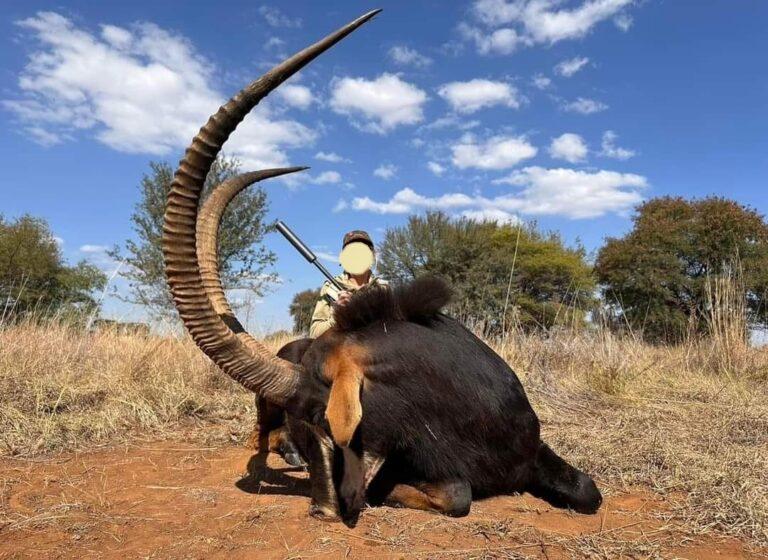
What Actually Drives the Cost of a 10-Day Hunting Safari
While many variables affect safari pricing, a 10-day hunting safari is typically structured around daily rates, species selection, and the realities of operating in specific hunting areas. Unlike shorter trips, the extended duration allows for more flexibility—but also introduces additional cost layers tied directly to time in the field.
Destination and Country-Specific Pricing
Destination plays a role, but in a 10-day hunting safari, cost differences are more often driven by concession quality, species availability, and logistics than country alone.
Accommodation Levels
Accommodation plays a role, but on a 10-day hunting safari, daily rates are usually tied more to concession quality and guiding standards than lodge luxury alone. Mid-range tented camps offer comfort at a lower cost, while basic bush camps provide a more affordable, authentic option. For example, luxury accommodations can be 2 to 3 times more expensive than comfortable mid-tier camps over a 10-day period.
Time of Year and Seasonal Variations
Seasonality affects hunting conditions as much as pricing. In a 10-day safari, timing often determines not just cost, but how effectively specific species can be pursued. Planning Cape Buffalo hunts or other African hunts outside peak months can mean notable savings.
Inclusions and Exclusions
What’s included in a 10-day hunting safari has a direct impact on overall cost, particularly when comparing outfitters and concession types.. All-inclusive African hunting safari experiences wrap in daily game drives, meals, guides, permits for big game hunting, airport transfers, and sometimes local flights. Partial packages may list lower base prices, but you’ll pay extra for hunting permits, exclusive guided excursions, or special dining. Always check what’s included, since extra fees can drive up the total cost.
These core factors help explain major price differences across African hunting safari packages and experiences. For those searching for different hunting packages and outfitter structures, understanding these differences is key to evaluating the true cost of a 10-day safari.
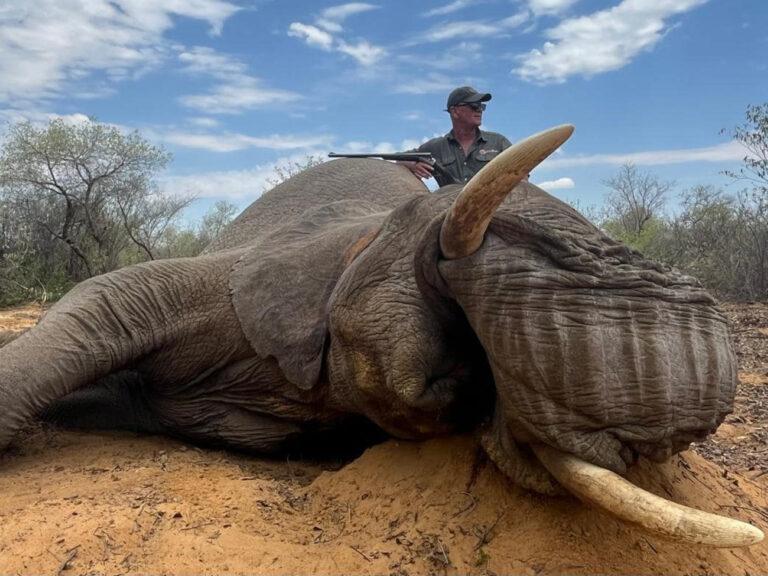
What a 10-Day Hunting Safari Actually Costs in Practice
A 10-day hunting safari is typically priced around daily rates, with overall cost shaped by species selection and location.
Budget Safaris
Budget safaris offer the most accessible entry point into hunting in Africa, with basic amenities matched to the hunting experience. Hunters opting for guided African hunts in the budget range can expect rustic camps, group settings, and limited extras. Food, park fees, and ground transport are usually included, but premium game hunting or Africa Big 5 add-ons rarely feature in these packages.
|
Package Type |
Typical Price per Person |
Key Inclusions |
|---|---|---|
|
Budget Safari |
$2,500–$4,500 |
Basic camp, meals, transfers |
Some examples: Shared hunting tags, group Cape Buffalo hunts (entry-level plains game), depending on outfitter and country.
Mid-Range Safaris
Mid-range 10-day hunting safaris strike a balance between comfort, flexibility, and species variety, often allowing for a broader range of species and more structured guiding. Accommodations commonly feature private chalets or tents and better facilities, with guided hunting safaris tailored to group size. Most packages here include some big game hunting, and plenty let you add Africa Big 5 or specific hunts like Cape Buffalo for a set fee.
|
Package Type |
Typical Price per Person |
Key Inclusions |
|---|---|---|
|
Mid-Range Safari |
$5,500–$8,500 |
Chalet/tent lodging, meals, guided hunts, select transfers |
Expect examples like guided plains game hunting, partial Africa Big 5 exposure, and cultural day trips near resorts. While airfare and specialty hunting permits may require extra payment, game selection flexibility and better scheduling often justify the difference.
Luxury Safaris
Luxury African hunting safari experiences deliver high-end comfort, private guides, and exclusive Africa Big 5 or Dangerous 7 opportunities with premium arrangements. Luxury African hunting safaris typically include high-end lodges, private guides, and exclusive Africa Big 5 or Dangerous 7 opportunities with premium arrangements.
|
Package Type |
Typical Price per Person |
Key Inclusions |
|---|---|---|
|
Luxury Safari |
$10,000–$25,000+ |
Private lodges, bespoke meals, premium hunts, flights, guides |
Examples: Private Big game hunting, Africa Big 5 pursuit, and all-inclusive hunting safari in South Africa with expert Game Hunting Safaris brokers coordinating permits, logistics, and internal flights.
Each listing varies as costs flex by destination, season, group size, and the scope of your African hunts. And while package prices increase with exclusivity and target species, even entry-level guided African hunts open doors to the continent’s unique wildlife and hunting traditions.
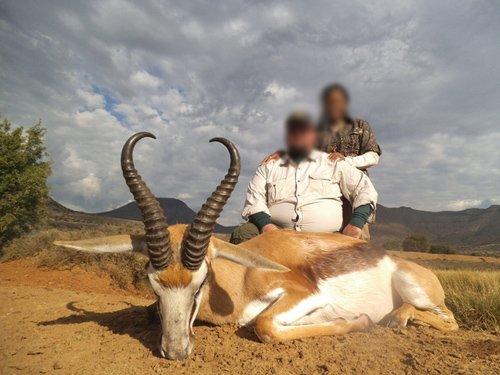
Additional Costs to Consider
When budgeting for a 10-day African hunting safari, it’s important to account for costs beyond the base package price. Hidden or optional costs can change the total amount visitors spend on African hunts and safari adventures.
Flights and Transfers
Airfare often stands as one of the biggest additional costs for a hunting safari in Africa. International flights from the US to popular hunting destinations—such as South Africa, Namibia, or Botswana—usually range from $800 to $2,000 for economy class tickets. Regional flights or bush transfers to hunting concessions may cost another $200 to $800 per person. For those planning guided African hunts in remote areas, charter flights could result in additional costs.
-
International airfare (USA-Africa): $800–$2,000
-
Regional/bush flights: $200–$800
-
Private charter (if required): $500–$2,500
Transfers, such as airport pickups and drop-offs, are often included in premium Africa Big 5 packages, but not always. Confirm whether ground transportation is included or charged separately.
Tips and Gratuities
Tipping remains customary in African hunting safaris. Gratuities for guides, trackers, camp staff, and drivers reward service and support conservation. Standard daily tips usually range from $10 to $50 per staff member, with a head guide or professional hunter often earning $50 to $100 per day. For Cape Buffalo hunts or Big game hunting involving more staff, plan for higher gratuities.
Sample Gratuity Chart:
|
Staff Role |
Typical Daily Tip (USD) |
Example Per 10-Day Safari (USD) |
|---|---|---|
|
Professional Hunter |
$50–$100 |
$500–$1,000 |
|
Tracker/Skinner |
$10–$20 |
$100–$200 |
|
Camp Staff/Chef |
$10–$30 |
$100–$300 |
|
Driver/Transfer |
$10–$20 |
$100–$200 |
Optional Activities
Many African hunting safari packages allow visitors to try extra activities beyond the main game hunting focus. These might include sightseeing tours, photographic safaris, spa treatments, or cultural village visits. Prices for activities like these often start at $50 and can go upwards of $500, especially for private tours. For those interested in expanding their African hunting safari experience—like adding a day for birdwatching or a photographic excursion—these add-ons mean more flexibility but increased spending.
-
Photographic safari add-on (per day): $150–$500
-
Village or cultural tour: $50–$150
-
Spa treatments (at luxury lodges): $50–$200
And let’s not forget, high-demand hunting areas like South Africa or Namibia might offer exclusive game drives or conservation-based excursions for an extra fee.
Factoring in these additional costs helps avoid surprises and gives a more accurate picture of the total safari cost. If any details remain unclear, hunting safari brokers specializing in Africa Big 5 adventures can help identify hidden costs tied to guided African hunts or game hunting packages.
Tips for Saving Money on Your Safari Adventure
Planning a safari carefully can reduce overall costs without limiting the experience. Small decisions—timing, accommodation, and structure—can significantly affect the total price of a 10-day hunting safari. Small changes in decision-making can cut thousands from the total cost, whether you’re interested in Big game hunting, Game Hunting Safaris, or chasing the Africa Big 5. Here’s how you can make African hunts, like a 10-day hunting safari in South Africa, much more cost-effective.
Book During the Low Season
Low season bookings for an African hunting safari often come with discounts of 10–30%. Fewer travelers visit from May to July, and this means lower rates from outfitters and more available African hunting listings. Wildlife viewing and hunting in Africa don’t stop; you might just get a little more rain or cooler nights.
Join Group Hunting Packages
Group hunting safaris in Africa lower costs by pooling lodging, guide, and transport fees. By booking with others, you get reduced per-person costs on guided African hunts—especially for Cape Buffalo Hunts or popular packages managed by African Hunting Safari Brokers.
Compare Safari Listings and Ask For Custom Quotes
Comparing listings across multiple Game Hunting Safaris operators reveals differences of $500–$2,000 for the same 10-day package. Requesting custom packages often results in better alignment with budget and species priorities.
Opt For Mid-Range Lodging
Mid-range options—like tented camps or bush lodges—often provide the essentials and comfort at half the price of luxury camps. Many of the same hunting areas and species opportunities remain accessible at this level.
Limit Optional Upgrades
Optional upgrades—such as private vehicles, exclusive-use camps, or premium add-ons—can quickly increase the overall cost of a safari. While these features enhance comfort and exclusivity, they are not always necessary for a successful hunt.
Prioritizing core elements like guide quality, concession access, and species availability often delivers better value, while keeping the total cost of a 10-day hunting safari under control.
Take Advantage of All-Inclusive Deals
All-inclusive hunting safari packages often bundle daily rates, meals, guiding, and transport into a single structure. This simplifies pricing and reduces exposure to fluctuating local costs during the hunt.
Book Early and Be Flexible
Flexible travel dates can open access to discounted or canceled slots, sometimes reducing standard rates by up to 20%.
Use an African Hunting Safari Broker
Specialized brokers provide insight into concession quality, pricing structures, and hidden costs that are not always visible in standard listings.
Where Savings Typically Come From
|
Saving Tactic |
Estimated Savings (10 Days) |
Notes |
|---|---|---|
|
Low Season Booking |
10–30% |
Less crowded, more availability |
|
Group Packages |
$500–$1,800 per person |
Varies by package and group size |
|
Custom Quotes |
$200–$1,000 |
Outfitters may match or beat offers |
|
Mid-Range Lodging |
Up to 50% vs. luxury |
Comfortable, cost-effective |
|
Limiting Upgrades |
$1,000–$5,000 |
Focus on essentials |
|
All-Inclusive Deals |
10–20% |
Protection from extra add-ons |
|
Early/Flexible Booking |
5–20% |
Access to cancellations/discounts |
In practice, these are the adjustments that make the biggest difference to total safari cost.
Conclusion
A 10-day African hunting safari is typically structured around daily rates, with total cost shaped by species selection, location, and the level of accommodation. While pricing can vary widely, understanding how these elements fit together allows for more accurate planning and fewer surprises in the field.
For hunters traveling from the United States, this often represents a shift away from fixed, species-specific pricing toward a more flexible, experience-driven model—where time in the field ultimately defines both cost and outcome.
For those ready to move beyond planning and start comparing real options, exploring available African hunting safaris can help turn estimated costs into a structured, bookable experience.
Frequently Asked Questions
How much does a 10-day African hunting safari cost?
A 10-day African hunting safari typically ranges from $2,500 to $25,000+, depending on location, species, and level of accommodation.
What affects the price of a hunting safari in Africa?
Pricing is primarily driven by location, species selection, accommodation level, seasonality, and what is included in the package.
Are there any hidden or extra costs to consider?
Yes, additional costs often include international flights, regional transfers, tips, trophy fees, and optional activities. These are not always included in base package pricing and should be confirmed in advance.
When is the best time to book an affordable African safari?
The most affordable time to book is during the low season, when demand is lower and prices drop. Booking early and remaining flexible with your dates can also help you secure better rates and package deals.
What is typically included in a safari package?
Most hunting safari packages include accommodation, meals, guiding, local transfers, and selected permits. International flights and optional activities are typically excluded and should be confirmed in advance.
How much should I budget for tips on a safari?
Tipping is standard practice on African hunting safaris. Daily rates typically range from $10 to $100 per staff member, depending on role and level of service.
Can I save money by joining group hunting packages?
Yes, joining a group hunting trip can significantly lower your per-person cost, as expenses for guides, vehicles, and accommodation are divided among participants. This structure reduces per-person cost by sharing guiding, vehicle, and accommodation expenses.
Is it worth choosing an all-inclusive safari package?
All-inclusive safari packages often provide better value by covering most expenses upfront, including meals, activities, and sometimes drinks. They help avoid unexpected costs and make budgeting easier for your trip.
Are hunting safaris suitable for first-time visitors to Africa?
Yes—provided the hunt is properly structured and operated by a reputable outfitter. Most safaris are guided and designed to accommodate varying experience levels.
How can I avoid unexpected charges during my safari?
Unexpected costs are usually tied to exclusions—such as trophy fees, charter flights, or additional days in the field. Reviewing what is included, and how the hunt is structured, is the most effective way to avoid surprises.