

Hunting in Africa can become expensive quickly. International flights, safari rates, trophy fees, firearm arrangements, transfers and getting trophies home can all add to the final bill.
That does not mean the cheapest advertised hunt is always the best way to save money. Understanding the full African Hunting Safari Prices before booking makes it easier to see where costs can realistically be reduced and where cutting corners may actually cost more.
A hunter willing to be flexible with dates, accommodation, travel arrangements and the species he wants to pursue can often reduce the overall cost considerably. The important part is knowing where saving money makes sense and where it does not.
[DYNAMIC-BLOGTABLEOFCONTENT]
Choosing Species That Fit Your Budget
The animals you choose can have a greater effect on the final cost than almost anything else. A safari built around several common plains game species can cost considerably less than one centred on buffalo, lion, leopard or elephant.
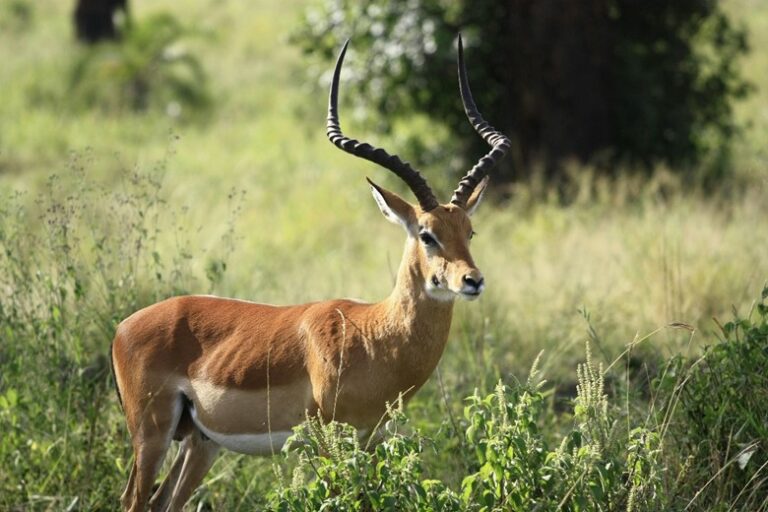
That does not mean a budget hunt has to feel like a compromise. Plains Game Hunts can be built around species such as kudu, wildebeest, impala, warthog and zebra, with the hunter deciding which animals matter most before the safari begins. Focusing on a shorter, realistic trophy list can also prevent the cost from growing once you are in camp.
It is worth comparing trophy fees before booking rather than simply looking at the daily rate. Two packages with similar advertised prices can end very differently once the animals actually hunted are added to the final account.
Choose the Hunt, Not Just the Cheapest Price
A low advertised price does not always mean a cheaper hunt. One safari may include several trophy fees, airport transfers and accommodation in the quoted price, while another starts with a lower daily rate but adds many of those costs separately.
Package hunts can offer excellent value when the included species are animals you genuinely want to hunt. A package containing kudu, wildebeest, impala and warthog may make far more financial sense than paying individual daily rates and trophy fees for the same animals. But there is little value in buying a package simply because it looks inexpensive if half the species are not animals you particularly want.
The same applies to the number of hunting days. Cutting a safari from seven days to five may reduce the daily-rate portion of the bill, but it can also leave less time to find the animals that brought you to Africa in the first place. Saving two hunting days makes little sense if international flights, travel and most of the other costs of the trip have already been paid.
Before booking, ask for the cost of the hunt from arrival to departure, not simply the advertised package price. Knowing what is included, what is excluded and which costs are likely to be added in camp makes it much easier to compare two hunts properly.
Know Which Costs You Can Control, and Which You Cannot
Some hunting costs are relatively fixed. International flights, government permits, compulsory concession charges and certain trophy fees may leave very little room to save money without changing the hunt itself.
Other costs are far more flexible.
The choice between a road transfer and charter flight, bringing a rifle or renting one, adding observers, choosing more expensive accommodation, extending the species list or booking additional hunting days can all change the final bill considerably.
Cutting the budget should begin with the parts of the trip you can actually control. Saving a few hundred dollars on accommodation may be worthwhile. Choosing a cheaper hunting area simply because the daily rate is lower may not be if it adds a costly charter flight or makes the primary species harder to hunt within the time available.
The same applies to trophy fees. If kudu is the animal you have wanted to hunt for years, removing it from the safari to save money may defeat the purpose of making the trip. It may make more sense to keep the kudu and drop two secondary animals that matter far less.
A good budget therefore does not simply ask:
“Where can I spend less?”
It asks:
“Which costs can I reduce without changing the hunt I actually want?”
Traveling while Hunting in Africa
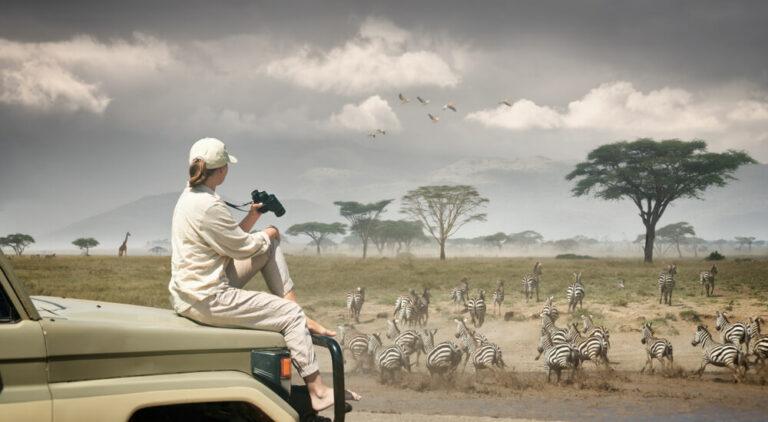
Travel costs are unavoidable, and charter aircraft are sometimes necessary to reach remote hunting areas. Where road transfers are practical, driving can reduce the cost considerably, although the distance, road conditions and time taken to reach camp should all be considered.
When comparing Hunting Trips in Africa, look at how you will actually get to the hunting area and whether transfers or charter flights are included in the quoted price. A cheaper safari can quickly become more expensive when several thousand dollars in additional travel costs are added.
Accommodation While Hunting in Africa
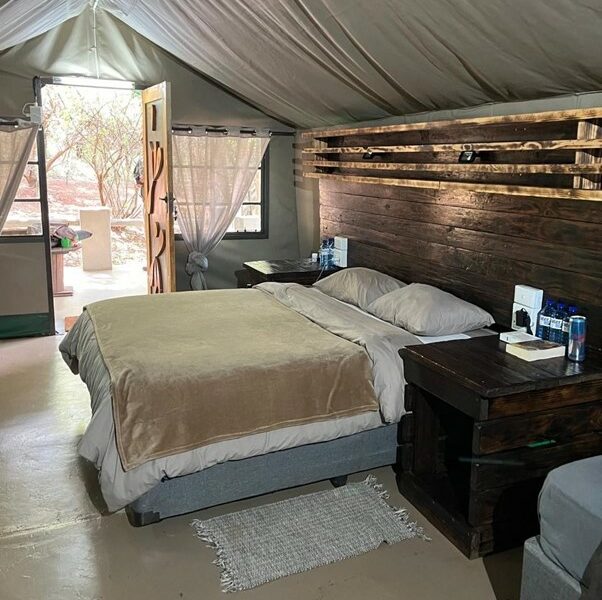
While there are creature comforts we wouldn’t want to sacrifice, compromise is sometimes needed when budget is a factor. Choosing accommodation like tented safari or self-catering facilities can be much more affordable compared to resort-style accommodation.
Firearms for Your Hunting Safari
Bringing your own weapons is often recommended as you’re most comfortable and confident in them; however, the costs of acquiring temporary permits and customs papers (as well as ammunition taxes) can make bringing your weapons a costly affair. Arranging to use your outfitter’s firearms can be a much cheaper alternative.
Timing of Your Hunting Safari
While your game hunting safari in Africa will be restricted to the hunting season, certain weeks are busier than others, and booking outside of these periods might save you a bit as those slots are less in demand.
Tipping
Tipping culture is a part of almost all African hunting safari destinations, follow the lead and advice of your PH or outfitter when it comes to this practice.
Food and Refreshments
Some hunting packages will include meals like breakfast and dinner, as well as alcoholic beverage packages. While these can be a bit pricier in the short term, they can save you in the long run as some areas are known for charging “tourist pricing” for foreigners.
Tourist Traps and Souvenirs
If there’ll be family or friends coming along who aren’t part of the hunting safari, try and arrange their excursions and activities beforehand to see if you can organize a better deal.
Other Ways to Save When on a Hunting Safari in Africa
Cull Hunts
Cull hunting in Africa is used to manage populations and ensure a balance of species, especially in fenced areas. While these hunts can be a cheaper alternative, you will be at the mercy of their chosen dates as these are organized and set by management or government policy.
Cancellation Hunts
Cancellation hunting safaris in Africa are considered the most budget-friendly as their non-refundable deposit has already been paid. Cancellation hunts are advertised by outfitters looking to ensure that they don’t lose on their investment into the hunt planning that may have already begun. Again, these will be in line with pre-booked dates so you might need to compromise.
Observer Fees
Observer fees are charged to people who accompany the hunt but don’t partake. While it is a great experience for family or friends to experience the game hunting environment, they can incur charges of hundreds of dollars per person.
Spend Less Without Compromising the Hunt
Keeping the cost of an African hunt under control does not necessarily mean choosing the cheapest safari or limiting the trip to less expensive species. It means deciding what matters most and spending the budget around those priorities.
For a plains game hunter, that may mean choosing a realistic trophy list and avoiding unnecessary travel or accommodation costs. Someone planning Big Game Hunting for buffalo, elephant, lion or leopard faces a considerably larger investment, but the same principle applies. If one animal is the reason for travelling to Africa, the hunting area, number of days and quality of the opportunity should come before saving money in the wrong places.
There are still plenty of areas where costs can be controlled. Travel arrangements, additional species, accommodation, observers, firearm rental and other extras can all influence the final bill without changing the hunt that brought you to Africa.
A good hunting budget is therefore not about making the safari as cheap as possible. It is about spending money on the parts of the hunt that matter and saving it on the parts that do not.
Frequently Asked Questions About Budget African Hunting Safaris
What is the cheapest way to hunt in Africa?
A plains game safari with a realistic trophy list is usually one of the more affordable ways to hunt Africa. Hunters can often reduce the total cost further by choosing an area that does not require expensive charter flights, limiting additional species and understanding exactly what the package includes before booking.
How much should I budget for an African hunting trip?
There is no single figure because the total depends heavily on the country, species, number of hunting days and hunting area. Hunters should budget for more than the advertised safari price, including international travel, transfers or charter flights, trophy fees, firearm arrangements, gratuities and the preparation and shipping of trophies after the hunt.
Are African hunting packages cheaper than paying daily rates and trophy fees separately?
They can be. A package can offer very good value when it includes hunting days and trophy fees for animals you genuinely want. However, a cheap package is not necessarily good value if several of the included species are of little interest to you. Compare the expected final cost rather than the headline price alone.
Can you hunt Africa on a budget?
Yes. Hunting Africa on a limited budget usually requires being realistic about species, destination, accommodation and travel arrangements. Plains game provides considerably more flexibility than expensive dangerous game, while cancellation hunts and certain package hunts can sometimes provide additional savings.
What additional costs should I expect after an African hunt?
Trophy preparation, dip and pack, taxidermy, shipping, import charges and other costs associated with getting trophies home are often separate from the safari itself. Hunters should establish which post-hunt costs are included and which will be invoiced separately before booking.
Are cancellation hunts in Africa really cheaper?
They can be. When a hunter cancels after paying a non-refundable deposit, an outfitter may offer the available dates at a reduced price rather than leave the hunting period unused. The trade-off is flexibility: the dates, hunting area and available species may already be fixed.