
Updated: May 2026
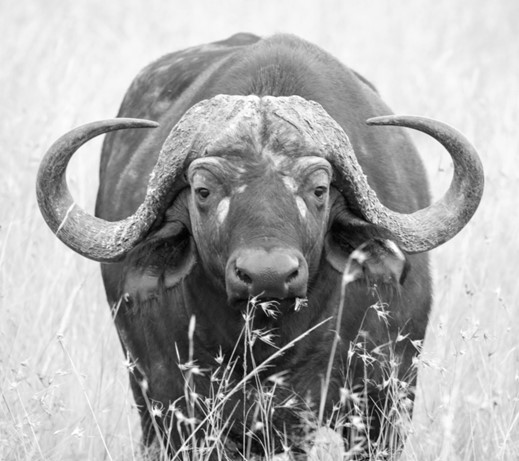
For American and international hunters, there is one animal that sits above all others on the African bucket list: the Cape Buffalo.
Known throughout hunting circles as the "Black Death," the Cape Buffalo has earned a reputation for toughness, unpredictability, and an unwillingness to back down when pressured. Unlike many trophy animals that are admired for their size alone, buffalo are respected because every encounter must be earned. Long days of tracking, close-range encounters, and the possibility of a charge have made Cape Buffalo one of the most sought-after dangerous game species in the world.
While buffalo can be hunted in several African countries, Zambia remains one of the classic destinations for hunters seeking an authentic free-range safari experience. Vast wilderness areas, strong buffalo populations, and traditional track-and-stalk hunting continue to attract sportsmen from around the globe.
A successful Cape Buffalo hunt is more than just another trophy. For hunters, it represents the culmination of years of dreaming, planning, and preparing for a true African dangerous game safari.
In this article, we explore why buffalo hunting in Zambia remains a genuine bucket-list adventure and why so many hunters consider a mature Cape Buffalo one of the greatest trophies Africa has to offer.
Why Cape Buffalo Are Unlike Any Other Trophy Animal
Most trophy animals are remembered for their size, antlers, horns, or rarity. Cape Buffalo are remembered for something entirely different: the experience of hunting them.
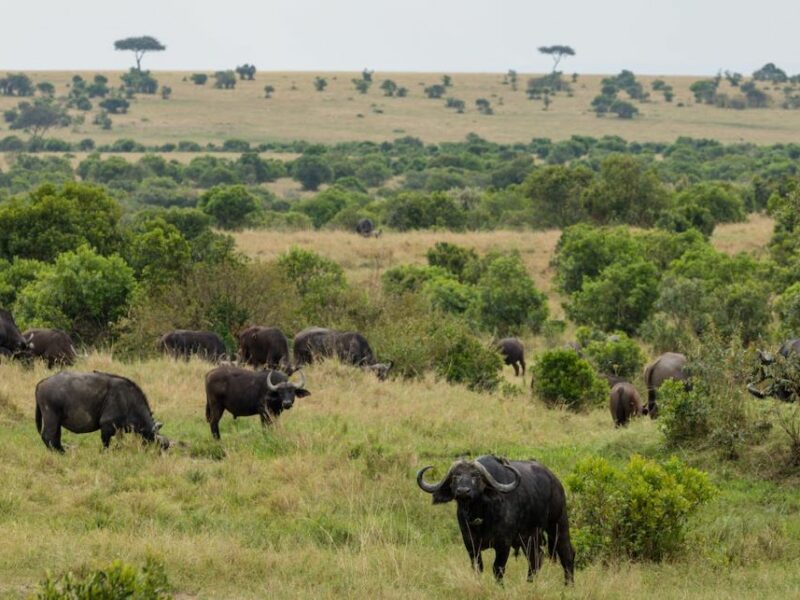
There is a reason buffalo sit near the top of so many hunters' bucket lists. Among the species pursued by hunters interested in Big Game Hunting, few combine the power, unpredictability and close-range intensity of a mature Cape buffalo. They are powerful, intelligent, and completely unpredictable. A mature bull can weigh well over 1,500 pounds, absorb tremendous punishment, and disappear into thick cover with surprising speed. Unlike many game animals that instinctively flee from danger, buffalo have earned a reputation for standing their ground when pressured.
This combination of size, strength, and attitude has made the Cape Buffalo one of Africa's most respected dangerous game species. Professional hunters often describe buffalo as an animal that demands complete concentration from the first track of the morning until the hunt is over.
The attraction goes far beyond horn measurements or trophy size. The challenge lies in matching wits with an animal that has survived predators, droughts, and hunting pressure for years. Every mature bull carries scars, experience, and a story of survival.
That is why a successful buffalo hunt is often remembered long after other trophies have been mounted on the wall. It is not simply about taking an animal. It is about earning an encounter with one of Africa's most iconic game species.
Why Buffalo Hunting Becomes Addictive
There is an old saying among dangerous game hunters: your first buffalo hunt is rarely your last.
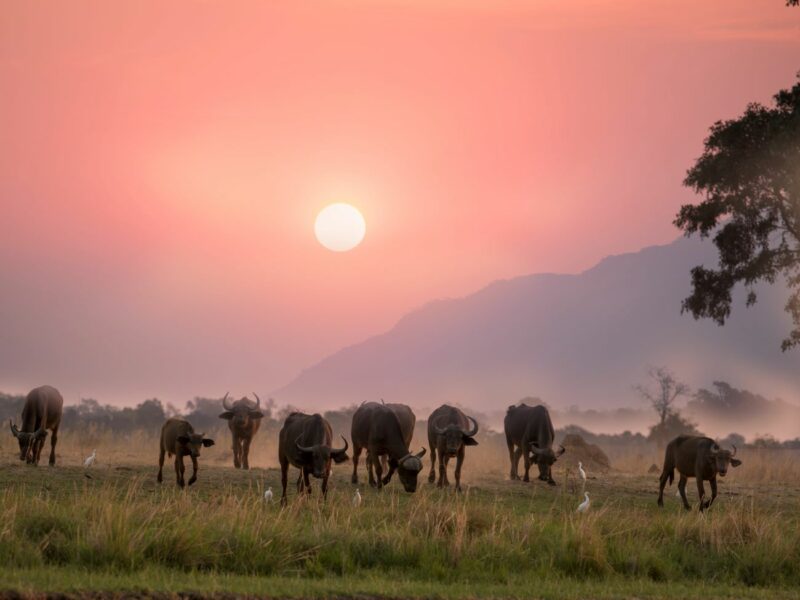
Unlike many trophy hunts where success is measured primarily by horn length or score, buffalo hunting tends to leave a lasting impression because of the experience itself. Hunters remember the fresh spoor at first light, the hours spent tracking through wild country, the sudden appearance of a mature bull, and the intensity of the final approach.
What often surprises first-time buffalo hunters is how quickly the hunt becomes less about the trophy and more about the pursuit. Every track tells a story. Every change in the wind matters. Every step through thick bush brings a sense of anticipation that is difficult to replicate on other hunts.
Veteran buffalo hunters often describe buffalo hunting as addictive because there is always another challenge waiting. One safari may involve tracking an old dagga boy through dense riverine cover, while the next could mean following a herd bull across open woodland for miles. The buffalo may be the same species, but the experience is never exactly the same.
There is also something deeply rewarding about hunting an animal that demands complete concentration. Buffalo hunting is not passive. It requires teamwork, patience, discipline, and respect for the animal being pursued. For a few days, the distractions of everyday life disappear and the focus narrows to tracks, wind, terrain, and the hunt itself.
Perhaps that is why so many hunters return to Africa for a second buffalo, and then a third. For many sportsmen, dangerous game hunting becomes a lifelong pursuit rather than a once-in-a-lifetime adventure.
What Makes a Mature Buffalo Bull So Special?
Hunters do not dream about just any buffalo. They are dreaming about an old bull that has survived years of predators, droughts, disease, and hunting pressure.
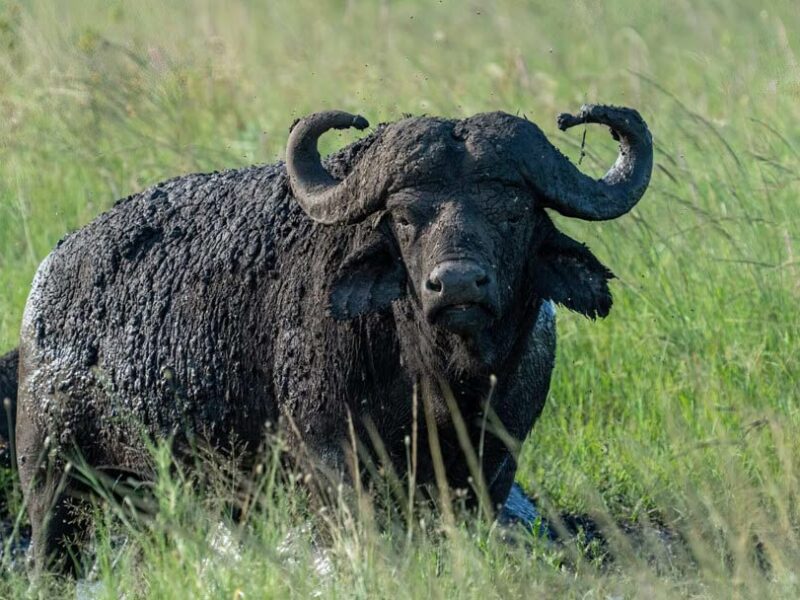
These mature bulls, often called dagga boys, have usually left the main herd and spend much of their time in thick cover, muddy wallows, and remote corners of buffalo country. Years of experience have taught them where to find water, how to avoid danger, and how to use terrain to their advantage.
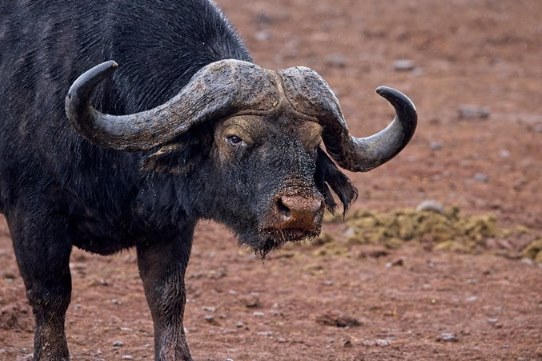
It is often these old bulls that become the most memorable trophies. Their worn bosses, scarred faces, and heavy horns tell a story that cannot be measured by inches alone. Every mark reflects a life spent surviving in some of Africa's toughest environments.
For many hunters, taking a mature buffalo bull is not simply about the trophy. It is about matching wits with an animal that has already beaten the odds for years and earning the opportunity to stand within range of one of Africa's most iconic game animals.
Why Buffalo Command So Much Respect in Zambia
Dangerous game animals can injure or kill a hunter under the wrong circumstances. What makes Cape Buffalo different is their reputation for unpredictability, particularly in the thick cover and riverine habitat often associated with Zambia's buffalo country.
Veteran buffalo hunters often describe buffalo as an animal that never seems to follow the script. A bull may run after the shot, stand its ground, disappear into thick jesse bush, or suddenly appear where least expected. In areas where visibility is limited, encounters can happen at surprisingly close range, leaving very little time to react.
Old bulls, commonly referred to as "dagga boys," are particularly respected. These mature animals have survived years of predators, droughts, and hunting pressure. Many spend their days in thick cover, muddy wallows, and remote corners of the concession where they have learned to use terrain and vegetation to their advantage.
Buffalo are also known for their strong herd instincts. Cows will often protect calves, and herd animals have been known to rally around one another when danger threatens. This combination of strength, awareness, and group behavior is one reason buffalo command so much respect throughout Africa.
Perhaps most importantly, buffalo are hunted in the type of country they are perfectly adapted to. In Zambia's river valleys, floodplains, and dense bush, a buffalo can disappear in seconds and force hunters to remain focused until the hunt is truly over.
It is this combination of power, intelligence, experience, and unpredictability that has earned the Cape Buffalo its legendary status among dangerous game hunters. For many sportsmen, there is no greater test in Africa than standing within range of a mature buffalo bull and knowing everything has to go right when the moment finally arrives.
Why Zambia Still Feels Like Wild Africa
Part of the appeal of buffalo hunting in Zambia has little to do with the buffalo itself. It is the feeling of hunting in genuinely wild country.
Many of Zambia's hunting areas remain vast, remote, and lightly populated. Days can pass without seeing another vehicle, road, or sign of modern development. Hunters often find themselves following tracks through river valleys, floodplains, and woodlands that look much as they did decades ago.
For American hunters, this sense of space is becoming increasingly difficult to find. Zambia offers an opportunity to experience traditional hunting in Zambia where the focus remains on the hunt, the landscape, and the wildlife rather than modern distractions.
When hunters reflect on their safari years later, they often remember more than the buffalo. They remember the campfire conversations, the trackers following spoor at first light, the sounds of the bush at night, and the feeling of being immersed in one of Africa's last great wilderness areas.
That combination of wild country, free-range hunting, and authentic safari tradition is one of the reasons Zambia continues to hold such a special place in the minds of dangerous game hunters.
Build a Classic Zambia Buffalo Safari
One of the advantages of hunting buffalo in Zambia is the opportunity to build a safari around several distinctive species found within the same wilderness areas. While Cape buffalo are often the primary objective, many hunters choose to extend their safari to include animals that are closely associated with Zambia's famous hunting regions.
Among the most sought-after are Cookson's wildebeest, found only in the Luangwa Valley, along with puku, Lichtenstein's hartebeest and Crawshay's zebra. These regional species allow hunters to experience far more than a traditional buffalo safari while adding trophies that cannot easily be pursued elsewhere in Africa. Hunters interested in pursuing Cookson's can learn more about our Wildebeest Hunts, including this remarkable Zambian subspecies.
Rather than travelling across multiple countries over several years, a well-planned Zambia safari can combine dangerous game with some of Africa's most distinctive plains game. It is one of the reasons experienced hunters often return to Zambia, not simply for another buffalo, but to experience everything the country's great hunting areas have to offer.
More Than Just Another Trophy
The value of a Cape Buffalo trophy goes far beyond horn measurements or taxidermy style.
A mature buffalo bull often represents years of planning, saving, and dreaming about an African safari. Hunters comparing different Hunting Trips across Africa may spend years deciding when and where they will finally pursue their first Cape buffalo. The trophy itself becomes a reminder of everything that happened before, during, and after the hunt. The early mornings in camp, the miles spent following tracks, the excitement of seeing fresh spoor, the trackers, the professional hunter, the campfire conversations, and the final moments of the hunt all become attached to that single trophy.
Many hunters discover that years later, a glance at a buffalo mount can bring those memories rushing back. It is not the horns they remember first. It is the smell of the bush after sunrise, the sound of francolin calling from the riverbank, the sight of a mature bull disappearing into thick cover, and the anticipation of knowing the next encounter could happen at any moment.
Perhaps that is why Cape Buffalo trophies hold such a special place in hunting camps, lodges, and trophy rooms around the world. As hunters grow older, the trophy often becomes less about the animal itself and more about the memories, friendships, and experiences that made the safari unforgettable.
Long after the measurements have been forgotten, the stories remain. For some hunters, that is the true value of a Cape Buffalo trophy.

Questions Hunters Often Ask About Cape Buffalo
Why is Cape Buffalo called the "Black Death"?
Cape Buffalo earned the nickname "Black Death" because of their reputation for toughness, unpredictability, and willingness to stand their ground when threatened. Their combination of size, strength, and attitude has made them one of Africa's most respected dangerous game animals.
Why do so many hunters consider Cape Buffalo a bucket-list hunt?
For some hunters, Cape Buffalo represent the ultimate combination of challenge, adventure, and tradition. Tracking a mature bull through wild African country requires patience, teamwork, and determination, making the experience far more memorable than simply collecting another trophy.
Why do hunters often return for a second buffalo hunt?
Many hunters describe buffalo hunting as addictive because every safari is different. Terrain, weather, buffalo behavior, and hunting conditions constantly change, creating a new challenge each time. For many sportsmen, the pursuit becomes just as rewarding as the trophy itself.
What is a dagga boy?
A dagga boy is an older Cape Buffalo bull that has typically left the main breeding herd. These mature bulls often live in thick cover and muddy wallows and are highly sought after by hunters because of their experience, worn bosses, and impressive character.
Why is Zambia considered a good destination for buffalo hunting?
Hunters researching buffalo hunting in Zambia are often drawn to the country's large wilderness areas, strong buffalo populations, and traditional free-range hunting opportunities. Areas such as the Luangwa Valley and Kafue ecosystem have earned a reputation among hunters seeking an authentic African buffalo hunting experience.
How difficult is Cape Buffalo hunting compared to other African hunts?
Cape Buffalo hunting is widely regarded as one of Africa's most challenging hunting experiences. Long hours of tracking, close-range encounters, and the need for constant concentration make it very different from many plains game hunts.
What makes a mature buffalo bull such a prized trophy?
A mature buffalo bull represents years of survival in the African bush. Worn bosses, heavy horns, scars, and distinctive character make every old bull unique. Many hunters value the story behind the animal as much as the trophy itself.
What memories do hunters remember most from a buffalo safari?
While every hunter remembers the moment of success, many say the lasting memories come from the experience itself: following fresh spoor at dawn, tracking through wild country, sharing stories around the campfire, and spending time with professional hunters and trackers in some of Africa's last great wilderness
About the Author
Pierre van Wyk is the co-founder of Game Hunting Safaris and an avid hunter with extensive experience across Southern Africa. He works closely with hunters, outfitters, and professional hunters throughout the region and has spent years researching African game species, hunting destinations, and safari planning. His focus is helping American and international hunters make informed decisions and enjoy authentic, well-organized African hunting experiences.