
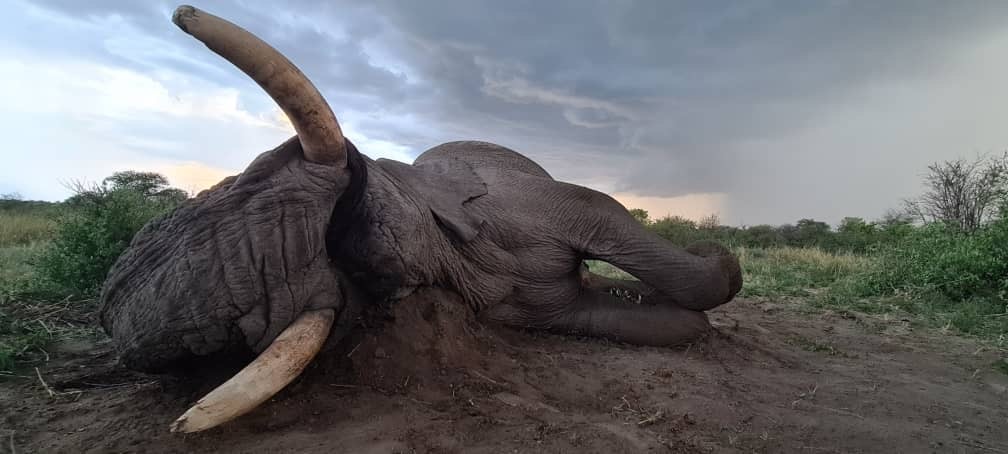
For more than a century, elephant hunting has occupied a unique place within African hunting history. Long before modern safari operators, hunting concessions, and regulated quotas existed, ivory hunters crossed vast areas of what is now Namibia in pursuit of giant tuskers carrying ivory that could weigh well over 100 pounds.
In the early days of African hunting, few animals carried the same reputation as the elephant. Tracking mature bulls on foot through remote wilderness areas with heavy rifles quickly became regarded as one of the ultimate dangerous game pursuits. Stories of giant tuskers, close-range encounters, and hunters disappearing for months into southern Africa’s interior helped shape much of the mythology still surrounding elephant hunting today.
Modern elephant hunting in Namibia looks very different from the unrestricted ivory hunting era of the late 1800s and early 1900s. However, many of the same elements that fascinated early hunters, massive ivory, remote landscapes, difficult tracking conditions, and dangerous close-range encounters, still remain part of Namibia’s elephant hunting heritage today.
[DYNAMIC-BLOGTABLEOFCONTENT]

The Ivory Trails of old Namibia
Long before regulated safari hunting existed in Namibia, ivory hunters crossed enormous stretches of remote country searching for mature bulls carrying giant ivory. Many of these early hunters traveled with ox wagons, local trackers, and heavy black powder rifles, often spending weeks following elephant spoor through dry riverbeds, thornveld, and dense mopane country.
At the height of the ivory trade, giant tuskers pulled hunters deeper into southern Africa than ever before. Elephant hunters often moved through the same remote regions that produced early rhino hunts and other dangerous game expeditions, where long periods in the wilderness became part of daily life. In what is now hunting in Namibia, enormous distances, scarce water, and thick mopane cover created conditions that demanded patience, endurance, and absolute caution around wounded game.
The rifles of that era were slow, heavy, and unforgiving. Close-range encounters were common, especially when tracking elephants on foot through riverine cover where visibility could disappear almost instantly. Many of the old ivory hunters earned their reputations through nerve and endurance as much as shooting ability, and stories of hunters spending months in the wilderness helped build much of the mythology still surrounding modern elephant hunting today.
Many terms still used in African hunting camps originated during this period. Even the phrase “day fees” traces its roots back to the old safari model, where hunters paid daily expedition costs to keep large wilderness safaris operating. Food, transport, trackers, camp staff, and supplies all had to move continuously through remote country, long before permanent safari camps existed. Over time, those daily expedition costs evolved into what modern hunters now recognize as safari day rates.
Stories from the old ivory era helped shape much of the reputation still surrounding modern dangerous game hunts today. Although modern safari hunting operates very differently now, many of the same elements that fascinated early hunters still remain part of Namibia’s elephant hunting heritage, long tracks through isolated country, dangerous close-range encounters, and the enduring fascination with giant ivory.
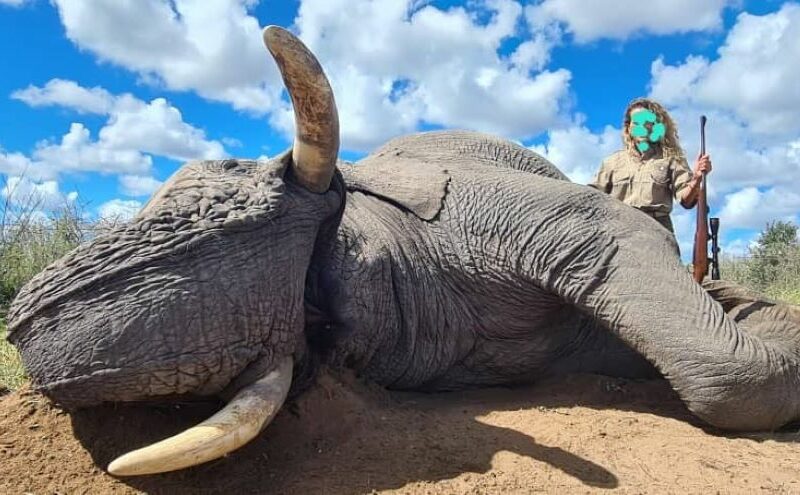
Why Namibia Became Elephant Country
Namibia developed a reputation among elephant hunters for one reason above all others: space. Vast areas of remote country, low population density and free-range wildlife have long helped define Hunting in Namibia, particularly in regions where mature elephant bulls can move enormous distances through unfenced wilderness with very little human presence.
Different parts of Namibia produced completely different styles of elephant country. In the northeast, the Caprivi floodplains and river systems offered thick vegetation, heavy game movement, and classic tracking conditions along dense riverine corridors. Farther west, the country became harsher, drier, and far more isolated.
It was in these northwestern regions that Namibia’s desert elephants helped shape much of the country’s hunting mythology. Rather than moving into wetter elephant country farther east, some herds survived by adapting to dry river systems, sparse vegetation, and long distances between water sources. Over generations, these elephants became known for their ability to survive in terrain that seemed almost impossible for elephants to inhabit.
This created a very different kind of elephant tracking experience. Dry ground, shifting wind, rocky escarpments, and vast distances made following mature bulls slow and demanding work. In many areas, hunters could spend long days tracking fresh spoor through riverbeds and broken country before ever catching sight of a bull.
These conditions helped establish Namibia as one of Africa’s most respected destinations for dangerous game hunting. Even today, many American and international hunters are drawn to Namibia because large areas still retain the feeling of old Africa, remote camps, difficult tracking, free-range elephant movements, and wilderness areas where the experience still feels shaped by the land itself rather than modern infrastructure.
Certain regions became especially respected over time. Bushmanland earned a reputation for heavy bulls moving across enormous unfenced areas, while the Caprivi Strip became known for classic riverine elephant hunting conditions. Even among modern professional hunters, those names still carry a certain weight whenever elephant country in Namibia is discussed.
When an Old Elephant Track Tells a Story
One of the enduring links between the ivory hunters of the past and modern elephant hunters is the importance of the track left behind by a mature bull.
Long before an elephant is seen, experienced trackers can begin building a picture of the animal they are following. The size and shape of the track, the depth of the impression and the length of the stride can provide clues about the bull ahead. Fresh dung, broken branches and feeding signs help establish how recently the elephant passed through and whether he is moving steadily or feeding slowly through an area.
In Namibia's dry elephant country, this process can unfold over considerable distances. A promising track picked up early in the morning may lead hunters through dry riverbeds, mopane woodland and broken terrain for hours before the elephant is ever seen.
Even then, finding the bull does not necessarily mean the hunt continues. The Professional Hunter still needs to assess the elephant carefully, considering age, ivory and the circumstances of the encounter before any decision is made.
That is one reason elephant hunting has changed technologically without completely losing its connection to the past. Rifles, vehicles and communications may have improved enormously, but once hunters leave the vehicle and begin following a mature bull's tracks, many of the fundamental skills remain remarkably similar to those relied upon generations ago.
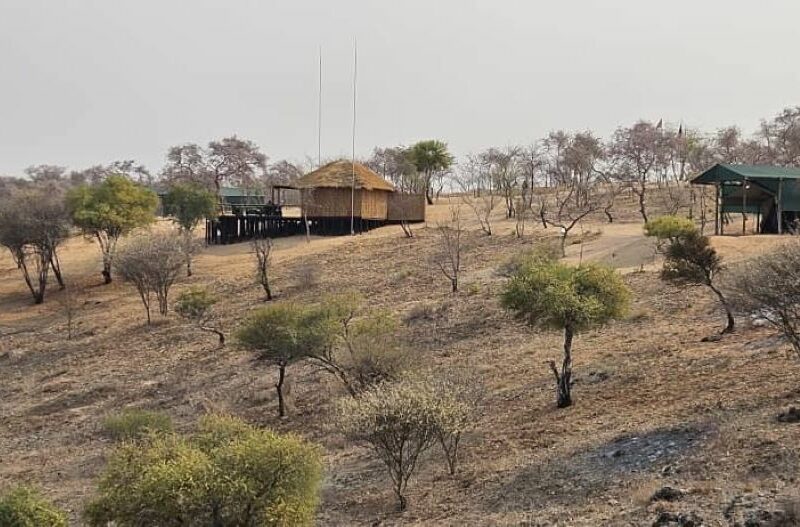
From Ivory Trade to Modern Safari Hunting
The old ivory hunting era eventually faded as African hunting laws, wildlife management systems, and organized safari operations gradually replaced the unrestricted elephant hunting of earlier decades. Across Namibia, professional hunters slowly took the place of ivory traders and expedition hunters, changing elephant hunting from a purely commercial ivory pursuit into a structured safari industry.
Like many elephant regions across Africa during the height of the ivory trade, some areas of Namibia eventually experienced increasing pressure from uncontrolled hunting. Over time, stricter wildlife management systems and regulated safari hunting gradually replaced much of the old ivory era, helping preserve elephant populations across large wilderness areas.
Although the hunting industry evolved, much of the traditional safari culture surrounding elephant hunting remained deeply rooted in Namibia. Skills passed down through generations of professional hunters, trackers, and local communities continued shaping how elephants were hunted in remote parts of the country.
Namibia’s long hunting history also helped create lasting ties with European hunters, particularly Germans, many of whom continued returning to the country generation after generation. Namibia has retained an atmosphere and style of safari hunting that had disappeared from other parts of Africa. Over time, Namibia also developed an international reputation beyond elephant hunting alone. Visiting hunters returning to the country for big game safaris eventually discovered Namibia’s exceptional plains game hunting as well, particularly for species such as kudu and gemsbok that became closely associated with the country’s open terrain and traditional safari culture.
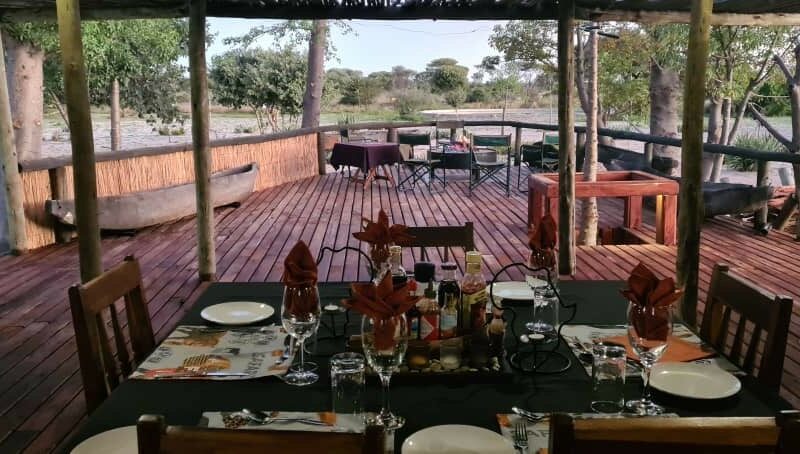
Why Elephant Hunting Became Legendary
Few animals in Africa have earned the same reputation among hunters as the elephant. As the largest member of Africa's Big Five Hunting tradition, elephant has long occupied a unique place in safari history. Long before modern safari hunting developed into a professional industry, pursuing mature bulls had already become associated with danger, heavy ivory and the psychological pressure of following something both intelligent and unpredictable through thick cover.
Part of that reputation came from the nature of elephant hunting itself. Elephant hunting rarely felt rushed. Hunters often spent long hours tracking slowly through dry riverbeds, thornveld, or dense mopane, fully aware that visibility could disappear within a few steps. A mature bull could seem calm one moment and vanish into thick brush the next, leaving trackers and hunters following fresh spoor into extremely close quarters.
Unlike many other dangerous game animals, elephants carried an unusual emotional weight for hunters. Their size alone was intimidating, but experienced hunters often spoke more about their awareness, memory, and ability to sense danger at close range. Even old ivory hunters frequently described elephant hunting with a level of respect rarely given to other game animals.
Giant ivory added to the mythology. Throughout much of African hunting history, heavy tusks became symbols of experience, hardship, and time spent in remote elephant country. Stories of massive bulls taken after days of difficult tracking spread through hunting camps across southern Africa and helped build the legendary status surrounding African elephant hunts for generations.
Even today, many professional hunters still consider elephant hunting one of the most mentally demanding forms of dangerous game hunting. The shooting itself is only part of the experience. What stays with most hunters is the tracking, the silence, the pressure of close-range encounters, and the feeling that elephant hunting still carries part of an older Africa that has largely disappeared elsewhere.
The Elephants That Were Never Taken
The history of elephant hunting is usually told through photographs of enormous tuskers and stories of successful hunts. Less often discussed are the elephants that hunters followed for hours, sometimes days, and ultimately chose not to take.
That decision has always been part of experienced elephant hunting.
A track may initially suggest an exceptional bull, only for the hunters to eventually catch up and discover an animal that does not meet expectations. A bull may carry impressive ivory but be younger than anticipated, or circumstances may simply make a responsible shot impossible.
Sometimes the elephant disappears into country where continuing the pursuit makes little sense. On other occasions, the wind changes at the wrong moment and a bull that has taken most of the day to find simply walks away.
Those elephants rarely appear in trophy photographs, yet they form part of the history of almost every experienced elephant hunter and Professional Hunter.
They are also part of what separates elephant hunting from the old image of unrestricted ivory hunting. The modern objective is not simply to find an elephant and take it. Considerable time can be spent searching for the right mature bull, and walking away is sometimes as much a part of the hunt as pulling the trigger.
Years later, hunters may remember those encounters surprisingly clearly. The bull glimpsed briefly through thick mopane, the enormous track followed until darkness, or the elephant that disappeared after the wind betrayed the hunters can become stories in their own right.
The Last Connection To Old Africa
Part of what still separates elephant hunting from many modern safari experiences is how little the fundamentals have changed. Despite modern rifles, vehicles, and communication equipment, elephant hunting in Namibia still depends heavily on tracking skill, patience, and reading the ground correctly over long distances.
In difficult elephant country, trackers often become the most important men in camp. Professional hunters will openly admit that experienced local trackers can read signs most hunters never even notice, a slight mark in dry sand, disturbed grass along a riverbank, or the direction dust settled after a herd crossed broken ground hours earlier.
For older hunters, this is part of what continues drawing people back to Namibia. Elephant hunting still carries elements of an older safari culture where tracking on foot mattered more than technology, and where success often depended on wind, spoor, silence, and experience rather than speed or comfort. In parts of Namibia, that connection to old Africa still feels remarkably intact.
Final Thoughts
The history of hunting elephant in Namibia is tied to the history of African hunting itself. From the old ivory hunters crossing remote wilderness with black powder rifles to modern professional hunters tracking mature bulls through unfenced elephant country, much of Namibia’s hunting heritage has always been shaped by space, isolation, and respect for dangerous game.
Although modern safari hunting has evolved far beyond the unrestricted ivory era, many of the traditions surrounding elephant hunting still remain remarkably intact. Tracking on foot, reading spoor across dry ground, relying on experienced local trackers, and following elephants through remote country continue to connect modern hunters to an older style of African hunting that has disappeared from many other parts of the continent.
Namibia still represents one of the last places where elephant hunting feels closely connected to the old safari era. Hunters planning future Hunting Trips to Africa may find few places where the combination of remote country, traditional tracking and vast wilderness remains quite as distinctive. Long after the hunt itself is over, hunters remember the silence, the pressure of tracking mature bulls and the feeling of moving through elephant country that still carries traces of old Africa.
Learn more about: The Appeal of Elephant Hunting In Namibia Explained and Elephant Hunting In Namibia: The Desert-Adapted Elephant
Frequently Asked Questions
Why did elephant hunting become so famous in Africa?
Elephant hunting became famous largely because of the difficulty involved in tracking mature bulls on foot through remote wilderness areas. Heavy ivory, dangerous close-range encounters, and the intelligence of elephants helped build the reputation surrounding elephant hunting in Africa for generations.
Why is Namibia known for elephant hunting?
Namibia developed a strong reputation for elephant hunting because of its vast wilderness areas, low population density, and free-range elephant populations. Regions such as Bushmanland and the Caprivi Strip became especially respected among professional hunters and experienced dangerous game hunters.
What made old ivory hunters different from modern safari hunters?
Many old ivory hunters operated as traders, explorers, or professional ivory hunters during a period when African hunting was far less regulated than it is today. Modern traditional elephant hunting safaris in Namibia operate under structured wildlife laws, professional safari systems, and regulated hunting concessions.
Why do many hunters still consider elephant hunting legendary?
For many hunters, elephant hunting remains one of the most mentally demanding forms of dangerous game hunting. Tracking mature bulls on foot through thick cover, relying on trackers, wind, and spoor, and encountering elephants at close range continues to give African elephant hunts a unique reputation among experienced hunters.
About The Authors
This article was written by Pierre and Tamlyn van Wyk, co-founders of Game Hunting Safaris. Their experience with elephant hunting in Namibia includes tracking and hunting elephant in Bushmanland, as well as numerous buffalo and hippo hunts in the Caprivi region.
Rather than relying on secondhand safari material or rewritten historical sources, their writing is shaped by firsthand experience in some of Namibia’s most remote dangerous game hunting areas.