
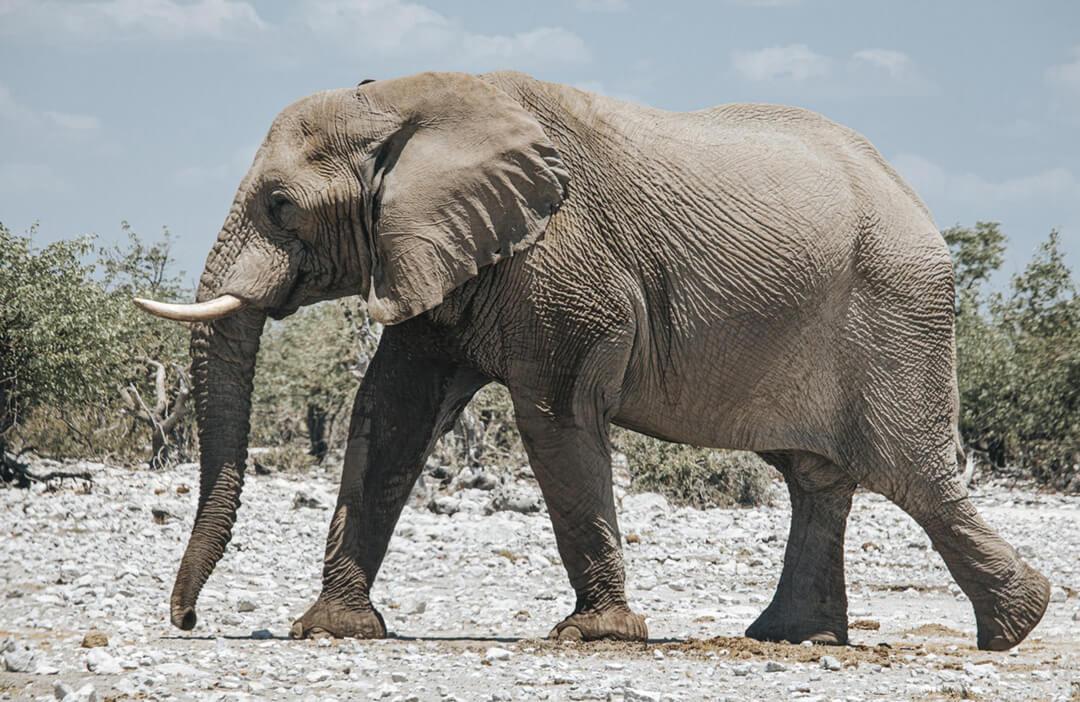
Tracking one of Africa’s Big 5 across the rugged wilderness of Namibia remains one of the most sought-after dangerous game hunting experiences on the continent. With its vast open landscapes, well-managed wildlife populations, and internationally respected hunting industry, Namibia has become a world-class destination for hunters seeking a classic African elephant safari.
From the remote sands of Bushmanland to the lush river systems of the Zambezi Region, elephant hunting in Namibia offers a diverse and challenging safari experience. The country is known for producing impressive elephant bulls while maintaining strict conservation policies that support wildlife management, anti-poaching initiatives, and local communities.
Whether you are planning your first dangerous game safari or pursuing another iconic African trophy, Namibia offers an unforgettable combination of adventure, ethical hunting practices, breathtaking scenery, and world-class safari opportunities.
[DYNAMIC-BLOGTABLEOFCONTENT]
Key Takeaways
Namibia is internationally recognized as one of Africa’s leading big game hunting destinations and remains one of the few countries where hunters can pursue all members of Africa’s Big 5. Renowned for its well-regulated hunting industry, conservation-driven wildlife management programs, and vast wilderness areas, the country offers exceptional elephant hunting opportunities in regions such as Bushmanland and the Zambezi Region.
Elephant safaris are typically conducted using traditional walk-and-stalk hunting methods, creating a challenging world-class hunting experience while supporting conservation initiatives, anti-poaching efforts, and rural communities throughout Namibia.
Namibia: The Land of Sand
Often referred to as the “Land of Sand,” Namibia is one of Africa’s most unique hunting destinations, offering vast wilderness areas, diverse landscapes, and exceptional safari experiences. Renowned for its political stability, well-regulated hunting industry, and excellent conservation programs, Namibia continues to attract hunters from around the world seeking a quality big game hunt.
From semi-desert plains and thornveld savannas to the lush floodplains of the Zambezi Region, hunting in Namibia offers an incredible variety of terrain and species. In addition to dangerous game hunting opportunities, the country is also highly regarded for exceptional plains game safaris, with sought-after trophies including gemsbok, greater kudu, blue wildebeest, and eland hunts.
Namibia remains one of the few African countries where hunters can pursue all members of Africa’s Big 5, along with species such as hippo and crocodile. Combined with experienced professional hunters, excellent infrastructure, and breathtaking scenery, the country has earned a reputation as one of Africa’s premier dangerous game hunting destinations.
Why Namibia is One of Africa's Premier Elephant Hunting Destinations
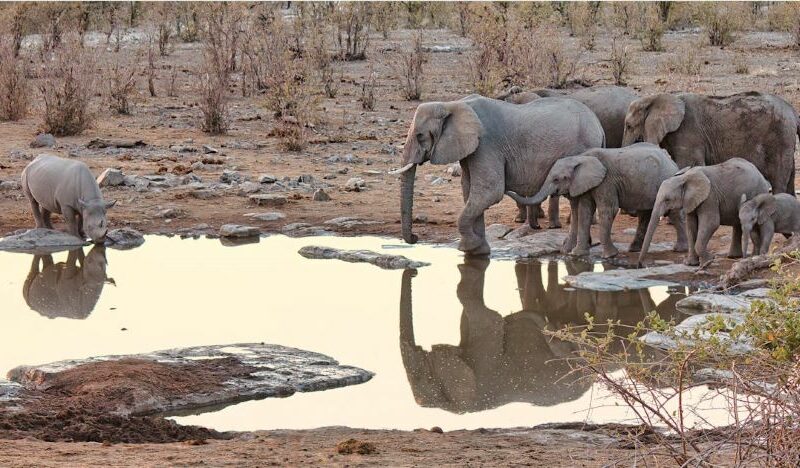
Elephant hunting in Namibia offers hunters the opportunity to pursue one of Africa’s Big 5 in some of the continent’s most diverse and challenging environments. From the remote sands of Bushmanland to the lush river systems of the Zambezi Region, Namibia provides a free-range dangerous game hunting experience supported by highly qualified professional hunters and well-managed conservancies.
The country has earned an international reputation for producing impressive elephant bulls while maintaining strict hunting regulations and conservation-focused wildlife management practices. Revenue generated through elephant hunts contributes toward anti-poaching initiatives, habitat conservation, rural employment, and community development programs throughout the country.
These Elephant hunts aso play an important role in managing human-wildlife conflict, particularly in remote rural areas where problem elephants can cause extensive damage to crops, infrastructure, and local water sources. Through regulated hunting quotas and sustainable wildlife management, elephant populations continue to provide both conservation and economic value to local communities.
Elephant Hunting Regions in Namibia
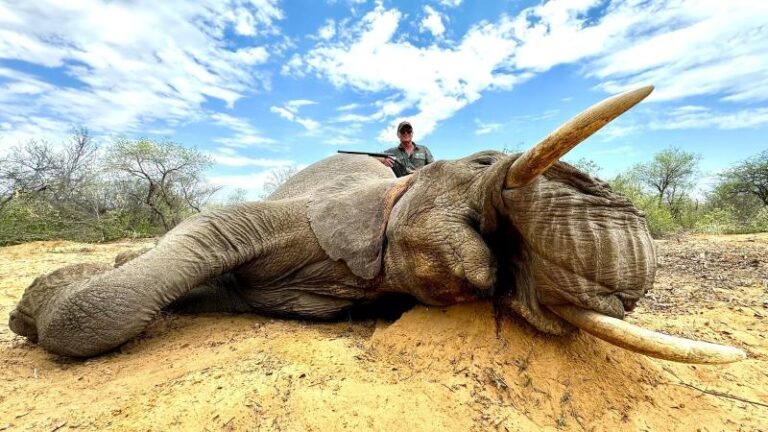
Elephant hunting in Namibia is primarily conducted in several remote wilderness regions, each offering a unique safari environment and hunting experience. The most well-known elephant hunting areas include the Zambezi Region, Bushmanland, and parts of the Kunene and Kaokoveld regions in northwestern Namibia.
The Zambezi Region, formerly known as the Caprivi Strip, is situated in the northeastern corner of Namibia and is renowned for its lush vegetation, river systems, and high elephant densities. Bordering Angola, Botswana, Zambia, and Zimbabwe, the region benefits from seasonal elephant movement across international boundaries, creating exceptional opportunities for free-range elephant hunting safaris.
Bushmanland offers a completely different hunting experience, with vast Kalahari sands, open plains, scattered woodlands, and remote conservancies that challenge hunters pursuing mature elephant bulls on foot. The area is known for its rugged terrain and traditional walk-and-stalk hunting conditions.
Further northwest, the Kunene and Kaokoveld regions are internationally recognized for their desert-adapted elephants, which have evolved to survive in some of Namibia’s harshest and driest environments. These remote regions provide one of Africa’s most unique elephant hunting experiences and showcase the remarkable adaptability of Namibia’s elephant populations.
Elephant Hunting Methods and Conservation in Namibia
Traditional elephant safaris in Namibia are typically conducted using walk-and-stalk hunting methods, requiring hunters to track elephant bulls on foot through challenging terrain and changing wind conditions. This style of dangerous game hunting demands patience, accuracy, physical endurance, and the ability to move quietly through thick bush, river systems, and open plains. Understanding proper elephant shot placement is also essential for ensuring a quick, ethical, and effective harvest in the field.
Namibia maintains strict hunting regulations for dangerous game species, including minimum caliber requirements of .375 for elephant hunts, while many professional hunters recommend larger calibers for additional stopping power. The country’s well-regulated hunting industry is internationally respected for its strong focus on ethical hunting practices, conservation, and sustainable wildlife management.
Revenue generated through elephant hunts contributes toward anti-poaching initiatives, wildlife conservation programs, rural employment, and community development projects throughout remote conservancies. In certain areas, problem elephants responsible for damaging crops, infrastructure, or local water sources may also be targeted as part of broader wildlife management efforts aimed at reducing human-wildlife conflict.
Hunting conditions can also vary dramatically between Namibia’s elephant hunting regions. In the Zambezi Region, hunters often encounter lush vegetation, river systems, floodplains, and thicker bushveld conditions that can make visibility challenging and stalking difficult. Bushmanland, on the other hand, offers a far more open and arid environment, with flat Kalahari sands, scattered Acacia woodlands, and long tracking distances across exposed terrain. These contrasting landscapes create two very different elephant hunting experiences, each requiring its own approach, tracking strategy, and shooting opportunities.
Supporting Conservation and Rural Communities
Elephant hunting in Namibia plays an important role in supporting wildlife conservation and rural communities throughout the country’s remote conservancies. Revenue generated through regulated elephant hunts contributes toward anti-poaching initiatives, habitat protection, wildlife monitoring programs, and local community development projects such as schools, clinics, and infrastructure improvements.
The hunting industry also provides valuable employment opportunities in rural areas where jobs are often limited. Professional hunting operations rely heavily on local trackers, skinners, camp staff, drivers, and anti-poaching personnel, helping create long-term economic benefits for communities living alongside dangerous game species.
In some regions, hunters may be invited to pursue older non-exportable bulls or problem elephants that are causing damage to crops, water infrastructure, or local villages. These community management hunts are carefully regulated and form part of Namibia’s broader conservation and human-wildlife conflict management programs. Many international hunters, particularly from the United States, appreciate the opportunity to participate in hunts that directly support local communities while contributing toward sustainable wildlife management.
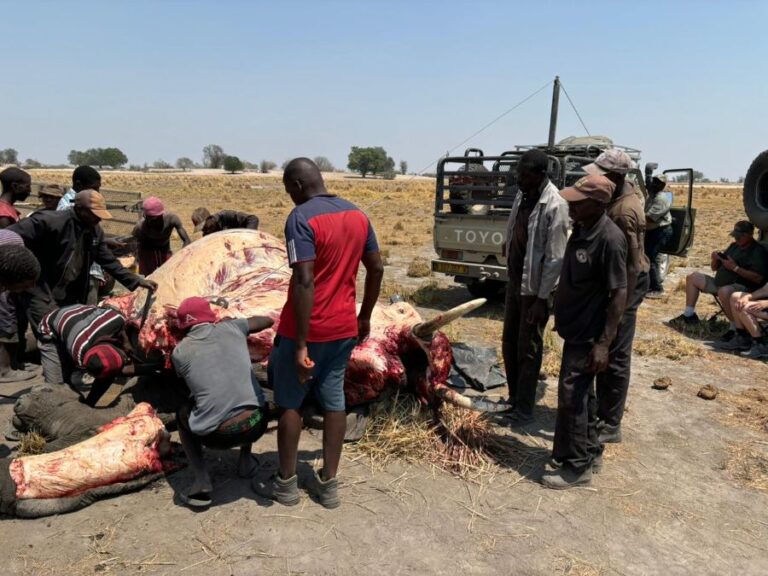
Elephant hunts also provide an important source of protein for rural communities, with large quantities of meat distributed locally following a successful hunt. By creating direct economic and conservation value for wildlife, Namibia’s hunting model continues to provide strong incentives for communities to protect elephant populations and their habitats for future generations.
Preparing for an Elephant Hunt in Namibia
Elephant hunting remains one of Africa’s most physically and mentally demanding dangerous game safaris. Hunters should arrive well prepared for long tracking distances, changing terrain, and close-range shooting opportunities in challenging conditions. Understanding elephant behavior, wind direction, rifle handling, and proper shot placement is essential for ensuring a safe, ethical, and successful hunt. Working closely with an experienced professional hunter is critical throughout the safari, particularly when tracking mature bulls in thick bush or remote wilderness areas.
Best Time of Year to Hunt Elephant in Namibia
The best time for elephant hunting in Namibia generally falls during the dry winter months between May and October, when vegetation becomes thinner, water sources become more limited, and tracking conditions improve across many hunting regions. Cooler temperatures and reduced cover often make it easier for professional hunters and trackers to follow elephant spoor through sandy terrain and dry river systems.
Seasonal elephant movement patterns can vary significantly between Namibia’s hunting areas. In Bushmanland and parts of northern Namibia, elephant movement is often influenced by rainfall patterns and seasonal migration routes between Botswana and Namibia. During the later dry season months, particularly from August into October, mature bulls may begin moving more frequently across traditional corridors as local water and feeding conditions change.
The Zambezi Region offers a very different environment, with river systems, floodplains, and permanent water sources supporting strong elephant populations throughout much of the year. Hunting conditions in the Caprivi can remain productive across a longer season due to the consistent availability of water and dense elephant populations in the area.
In northwestern Namibia, desert-adapted elephants in the Kunene and Kaokoveld regions follow ancient riverbeds and seasonal feeding routes in response to rainfall and water availability, creating one of Africa’s most unique elephant hunting experiences.
What Makes Namibia Unique for Elephant Hunting?
Namibia offers a very different elephant hunting experience compared to many other African destinations. Large conservancies, low human population density, and extensive free-range hunting areas allow hunters to pursue elephant bulls across vast wilderness landscapes with minimal fencing and limited hunting pressure.
The country is also internationally respected for its conservation-based wildlife management model, where local communities directly benefit from sustainable hunting revenue and wildlife protection programs. Combined with politically stable travel conditions, experienced professional hunters, diverse terrain, and the opportunity to combine dangerous game and plains game safaris within a single trip, Namibia continues to stand out as one of Africa’s most respected elephant hunting destinations.
Conclusion
The appeal of elephant hunting in Namibia extends far beyond simply pursuing one of Africa’s Big 5. From the remote wilderness of Bushmanland and the river systems of the Zambezi Region to the country’s conservation-driven hunting model and diverse safari landscapes, Namibia continues to offer one of Africa’s most authentic and rewarding dangerous game hunting experiences.
Whether hunters are drawn by the challenge of tracking mature elephant bulls on foot, the opportunity to experience free-range dangerous game hunting, or the chance to support sustainable wildlife conservation and rural communities, elephant hunting safaris in Namibia remain among the continent’s most sought-after hunting adventures.
To learn more about planning and preparing for a dangerous game safari, explore our article asking whether you are ready for elephant hunting in Namibia. Hunters interested in comparing the country’s leading hunting areas can also read more about Caprivi Strip vs. Bushmanland elephant hunting and the unique safari experiences each region offers.
Frequently Asked Questions
Is elephant hunting in Namibia legal?
Yes, elephant hunting in Namibia is legal and strictly regulated through government-controlled hunting quotas and conservation management programs. Namibia is internationally respected for its conservation-driven hunting industry, where regulated elephant hunts contribute toward anti-poaching initiatives, wildlife conservation, and rural community support.
What is the best time of year for elephant hunting in Namibia?
The best time for elephant hunting in Namibia is generally during the dry season between May and October, when vegetation is thinner and elephant movement becomes easier to track around water sources and traditional migration routes. Seasonal conditions can vary between regions such as Bushmanland, the Zambezi Region, and northwestern Namibia.
What caliber is recommended for elephant hunting in Namibia?
Namibian hunting regulations require a minimum caliber of .375 for dangerous game hunting, including elephant safaris. However, many professional hunters recommend larger calibers for additional stopping power and improved shot placement performance during close-range dangerous game encounters.
Which regions are best for elephant hunting in Namibia?
Some of Namibia’s best-known elephant hunting areas include the Zambezi Region (formerly the Caprivi Strip), Bushmanland, and parts of the Kunene and Kaokoveld regions. Each area offers very different terrain, elephant movement patterns, and safari experiences, ranging from lush river systems and floodplains to remote desert landscapes and open Kalahari sands.
Author Bio
This article was written by the founders of Game Hunting Safaris, Pierre and Tamlyn, experienced African hunting professionals with extensive dangerous game hunting experience across southern Africa. Having personally hunted elephant in Namibia’s Bushmanland region, as well as buffalo and hippo on numerous occasions in the Caprivi (Zambezi Region), they bring first-hand knowledge of Namibia’s diverse hunting environments, conservation-based safari industry, and dangerous game hunting traditions. Through Game Hunting Safaris, Pierre and Tamlyn continue to share their passion for authentic African hunting experiences, ethical wildlife management, and professionally guided safaris across the continent.