
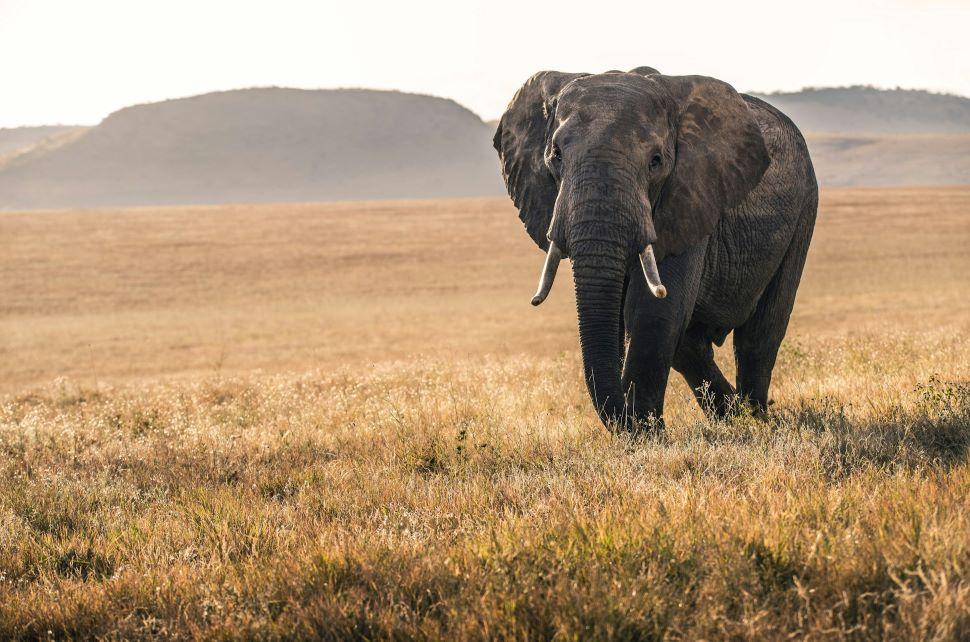
Elephant hunting in Namibia is not simply another African safari. Hunting the world’s largest land animal at close range demands physical endurance, mental discipline, proper rifle preparation, and the ability to remain calm under immense pressure. For many international hunters, the reality of tracking elephant bulls through thick bush, dry riverbeds, and remote wilderness areas becomes far more demanding than expected.
While Namibia remains one of Africa’s leading dangerous game hunting destinations, elephant hunting safaris are often regarded as the ultimate test for even experienced hunters. From managing recoil on heavy-caliber rifles to walking long distances in extreme heat and preparing for split-second shot opportunities, proper preparation plays a major role in the success of any elephant hunting safari.
Hunters considering an elephant hunt in Namibia should understand that this is not simply about harvesting a trophy. It is about preparing mentally and physically for one of Africa’s most respected dangerous game hunting experiences.
[DYNAMIC-BLOGTABLEOFCONTENT]
Preparing for the Physical Demands of Elephant Hunting
Preparing for an elephant hunting safari in Namibia involves far more than simply arriving with a suitable rifle. Many hunters underestimate the physical and mental demands involved in tracking and approaching Africa’s largest land animal through difficult terrain and extreme environmental conditions.
Depending on the hunting concession, elephant hunts may involve long hours on foot through thick bushveld, dry riverbeds, rocky terrain, or soft sand, often during long days in demanding conditions. Following fresh spoor alongside experienced trackers can quickly become physically demanding, particularly when tracking mature elephant bulls over large distances.
Unlike many traditional plains game hunts, elephant hunting often requires hunters to close the distance considerably before taking a shot. This means remaining calm and focused while approaching one of Africa’s most dangerous animals at relatively close range, sometimes under immense pressure and rapidly changing conditions.
Proper rifle preparation also plays a major role in dangerous game hunting success. Heavy-caliber rifles suitable for elephant hunting generate significant recoil, and hunters should spend considerable time practicing from shooting sticks and becoming comfortable with follow-up shots before arriving in camp. Confidence in both rifle handling and elephant shot placement becomes critically important during close-range dangerous game encounters.
Mental preparation is equally important. Fatigue, heat, adrenaline, and the pressure of a potentially once-in-a-lifetime opportunity can all affect decision-making in the field. Patience, discipline, and listening carefully to instructions can become just as important as shooting ability during an elephant hunting safari.

Rifle Selection when Hunting Elephant in Namibia
Choosing the right rifle for elephant hunting in Namibia is one of the most important parts of preparing for a dangerous game safari. While the legal minimum caliber for elephant hunting in Namibia is .375, many hunters prefer larger calibers that provide additional stopping power during close-range dangerous game encounters.
Popular calibers for elephant hunting include the .416 Rigby, .458 Lott, .470 Nitro Express, and .500 Nitro Express, with most hunters selecting the largest caliber they can comfortably and accurately shoot under pressure. Heavy recoil quickly becomes a factor during practice and follow-up shots, making regular shooting preparation essential before arriving in camp.
Rifle choice can also vary depending on the hunting area. In thicker bushveld areas, encounters often happen at very close range, while parts of the Caprivi and Zambezi floodplains can occasionally present longer shot opportunities across more open terrain. In these areas, a rifle fitted with a quality low-magnification scope can be beneficial, particularly when shots stretch beyond the distances many hunters traditionally associate with elephant hunting.
The idea of carrying a .600 Nitro Express sounds impressive around the campfire, but unless you’re Mark Sullivan, most hunters are better served using a rifle they can comfortably and accurately shoot under pressure. For hunters comfortable with large double rifles, calibers such as the .500 Nitro Express remain highly respected choices for dangerous game hunting in Africa, offering fast follow-up shots and exceptional stopping power at close range.
Reliability and familiarity with your rifle become critically important during dangerous game hunts, particularly in harsh African conditions. During one elephant hunt in Bushmanland using my 500 NE double rifle, both barrels unexpectedly discharged at the same time when I squeezed the trigger — and no, I did not pull both triggers simultaneously. Apparently the rifle’s sears were expanding in the extreme heat, causing both barrels to fire together. By the third occurrence, the recoil nearly put me flat on my back, a reminder that no matter how much preparation goes into an African dangerous game safari, things do not always go according to plan. Africa has a way of surprising you when you least expect it.
Others may prefer the familiarity and reliability of a well-balanced bolt-action rifle chambered in a proven dangerous game caliber. Equally important is ammunition selection. Solid bullets designed for deep penetration are typically preferred for elephant hunting, helping ensure reliable penetration through thick hide, heavy bone, and vital organs during close-range encounters.
The Mental Side of Elephant Hunting
Hunters may spend years preparing physically for an elephant hunt, yet still underestimate the mental side of dangerous game hunting in Africa. Unlike many other hunting safaris, elephant hunting can place hunters within extremely close distances of one of the world’s largest and most powerful land animals.
Standing less than 25 yards from a mature elephant bull weighing between six and eight tons is something difficult to fully appreciate until experienced in person. At close range, the sheer size of the animal can become overwhelming, even for confident hunters. What may have seemed straightforward on the shooting range suddenly feels very different when staring at an elephant the size of a double-decker bus.
Many hunters also spend months practicing shot placement on targets positioned at eye level, yet during a real elephant hunt, especially on frontal brain shots, hunters are often aiming sharply upward at close range. This completely changes bullet angle and trajectory, something many first-time elephant hunters do not fully anticipate until the moment arrives.
Long tracking days, exhaustion, heat, and the pressure of a potentially once-in-a-lifetime opportunity can all influence decision-making in the field. Remaining calm, listening carefully to instructions, and trusting your preparation become critically important once the final approach begins.
Even experienced hunters can struggle in these situations. During one recent elephant hunt, a hunter became overwhelmed by the sheer size and proximity of the elephant bull during the final approach, resulting in a poorly placed shot and a wounded animal disappearing into thick bush. Situations like this are a sobering reminder that elephant hunting requires far more than simply owning a large-caliber rifle.
For many hunters, the mental intensity of an elephant safari ultimately becomes one of the most memorable parts of the experience. The unpredictability, close encounters, and sheer scale of these animals create an atmosphere unlike almost any other form of dangerous game hunting in Africa.
Elephant hunting is also an intensely emotional experience for many hunters. Standing over an animal of such intelligence, size, and presence often brings a mixture of emotions very few expect beforehand. Many hunters speak openly about feeling humbled after taking an elephant, with some even brought to tears by the experience. In fact, because of the emotional weight surrounding an elephant hunt, many dangerous game hunters choose never to hunt another elephant again after fulfilling the experience once.
When is the Best Time for Elephant Hunting in Namibia?
Namibia’s elephant hunting season generally runs from March through to the end of November, although the best time for elephant hunting often depends on the specific hunting area, rainfall, and seasonal conditions during the year.
Many elephant hunts take place during the drier winter months when vegetation becomes thinner and natural water sources become more limited. During these periods, elephants often travel greater distances between feeding and watering areas, making tracking conditions more favorable for hunters and trackers on foot. Reduced foliage can also improve visibility during the final approach, particularly in thicker bushveld concessions.
In regions such as the Caprivi and Zambezi floodplains, however, the wet season can completely change the dynamics of a safari. Large sections of the area may flood, transforming parts of the concession into a maze of channels, estuaries, reeds, and shallow waterways. Elephants are often found feeding on aquatic grasses and reeds in the flooded areas or moving along the remaining embankments and islands of dry ground.
These changing water conditions also create excellent habitat for species such as hippo and crocodile, with many hunters combining elephant safaris with hippo hunts or crocodile hunts in the region.
As with hunts in Africa, flexibility and preparation remain important. Weather patterns, rainfall, and elephant movement can all influence hunting conditions from season to season, particularly in remote wilderness concessions.
What Does Elephant Hunting Cost in Namibia?
Elephant hunting in Namibia represents one of Africa’s most significant dangerous game hunting investments, with safari costs varying depending on the hunting area, outfitter, hunt duration, and whether the trophy is exportable or non-exportable.
For fully exportable elephant trophies, hunters can generally expect safari costs to range between US$45,000 and US$75,000 or more, particularly for large mature bulls in sought-after concessions. These costs often include daily rates, professional hunter fees, trackers, accommodations, meals, hunting permits, and transportation within the concession area.
Hunters should also budget for additional expenses beyond the safari itself. International flights, rifle permits, gratuities, taxidermy, dip and pack services, shipping, trophy export costs, and travel insurance can all contribute significantly to the final overall investment.
In recent years, non-exportable or own-use elephant hunts have also become increasingly popular with some hunters. These safaris are often considerably less expensive than fully exportable trophy hunts and can remove much of the administration and logistical stress following the safari. Without the need for export permits, shipping, taxidermy, or international trophy logistics, many hunters simply enjoy the experience, take photographs and memories home, and leave the meat and animal utilization entirely within the local community system.
Because elephant hunting safaris often require substantial financial planning, many international hunters spend years preparing for the experience. Understanding payment schedules, deposits, trophy fees, and financial protection before booking a safari is an important part of the preparation process.
Managing Expectations on an Elephant Hunt
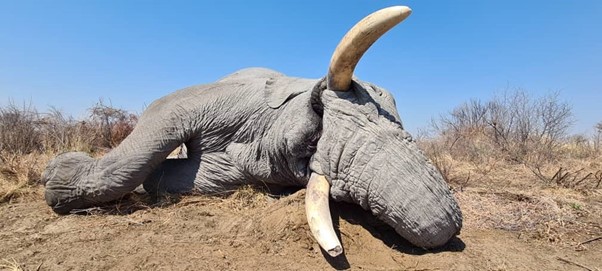
Hunters planning an elephant safari in Namibia should also understand that not every elephant hunt involves massive ivory trophies or 60-plus-pound tusks. On many community-based, own-use, or management elephant hunts, the focus is often on older bulls identified within specific quota systems rather than exceptionally large tuskers.
For many hunters, particularly those pursuing non-exportable elephant safaris, the experience itself becomes far more important than trophy size. Tracking mature bulls through remote wilderness areas, spending time with trackers and PHs, and experiencing dangerous game hunting at close range often leave a far greater impression than ivory measurements alone.
Large tuskers certainly still exist in Namibia, particularly in remote wilderness concessions, but hunters should arrive with realistic expectations and an understanding that elephant hunting in Africa involves far more than simply chasing record-book ivory.
Rules & Regulations Regarding the Import of Elephant Trophies
Hunters considering an elephant hunting safari in Namibia should carefully research the import regulations applicable to their home country before booking a safari. Elephant trophy import laws can change regularly and may differ significantly between countries, particularly regarding ivory and exportable elephant trophies.
Import permits, CITES documentation, and additional country-specific requirements may all apply depending on where the hunter resides and whether the safari involves an exportable trophy. Because regulations can change over time, hunters should always consult directly with their outfitter, professional hunting association, or wildlife authorities before finalizing safari plans.
For this reason, some hunters are increasingly considering non-exportable or own-use elephant hunts, which can significantly simplify post-hunt logistics and administration.
Elephant Hunting in Namibia - Are You Ready?
Preparing for elephant hunting in Namibia involves far more than simply selecting a rifle and booking a safari. Physical conditioning, rifle preparation, mental readiness, and understanding the realities of dangerous game hunting all play a major role in the overall experience. From long tracking days through remote concessions to close-range encounters with one of Africa’s most powerful animals, professional elephant hunts in Namibia demand preparation, patience, and respect for the game being pursued.
For many hunters, the true reward of an elephant safari extends far beyond ivory measurements or trophy photographs. The experience of tracking mature bulls through wild African landscapes, working alongside trackers and PHs, and witnessing the sheer scale and intelligence of these animals at close range often leaves a lasting impression long after the safari has ended.
Hunters interested in learning more about the growing appeal of elephant hunting safaris in Namibia can also read our article on The Appeal Of Elephant Hunting In Namibia Explained. Those planning to travel with family members or non-hunting observers may also find our guide to Hunting Namibia, Elephant And Non-Hunting Visitor Activities useful when preparing for an African elephant hunting experience.
Frequently Asked Questions About Elephant Hunting in Namibia
What caliber rifle is required for elephant hunting in Namibia?
The legal minimum caliber for elephant hunting in Namibia is .375 caliber. However, many hunters prefer larger calibers such as the .416 Rigby, .458 Lott, .470 Nitro Express, or .500 Nitro Express for additional stopping power during close-range dangerous game encounters. The most important factor is choosing a rifle you can shoot confidently and accurately under pressure.
How physically demanding is elephant hunting in Namibia?
Preparing for elephant hunting in Namibia should include physical preparation, as many safaris involve long hours tracking elephant bulls on foot through thick bushveld, dry riverbeds, rocky terrain, and soft sand. Depending on the concession and conditions, hunters may cover significant distances before getting within shooting range of an elephant.
Are non-exportable elephant hunts becoming more popular?
Yes. Many hunters are increasingly choosing non-exportable or own-use elephant hunting safaris in Namibia. These hunts are often considerably less expensive than fully exportable trophy hunts and eliminate much of the administration involved with export permits, taxidermy, dip and pack services, and international shipping logistics. For many hunters, the overall African elephant hunting experience becomes more important than importing ivory trophies.
What is the most difficult part of an elephant hunt for first-time hunters?
For many first-time hunters, the mental side of elephant hunting becomes the greatest challenge. Standing within close range of an elephant bull weighing several tons can be overwhelming, even for experienced dangerous game hunters. Adrenaline, fatigue, shot placement pressure, and the sheer size of the animal often affect hunters far more than they initially expect during an elephant hunting safari.
Author
Written by Pierre van Wyk, founder of Game Hunting Safaris. Having spent years hunting dangerous game across southern Africa, including elephant hunting safaris in remote Namibian concessions such as Bushmanland and the Zambezi Region, Pierre brings first-hand experience and practical insight into the realities of preparing for dangerous game hunting in Africa.