
Namibia remains one of Africa’s most respected hunting destinations for international hunters seeking free-range dangerous game safaris and authentic Namibia elephant safari experiences. From Bushmanland’s dry elephant country to the river systems of the Zambezi Region, elephant hunting in Namibia continues attracting hunters looking for genuine African hunting experiences in remote and often unforgiving terrain.
While many safaris are planned around specific species such as elephant, buffalo, or plains game, hunts do not always unfold exactly as expected. In some cases, hunters may complete their safari earlier than anticipated, creating opportunities to explore other parts of the country or extend the overall experience beyond the hunt itself.
Part of what makes hunting safaris in Namibia so appealing is the sheer variety available once the hunting day ends. Visitors can experience coastal towns such as Swakopmund and Walvis Bay, travel through the Namib Desert, enjoy local cuisine, or simply spend additional time relaxing in camp after long days tracking game.
For hunters interested in longer elephant hunting travel experiences in Namibia, areas such as Bushmanland and the Zambezi Region also provide opportunities to combine elephant hunts with additional plains game or dangerous game species while experiencing some of southern Africa’s last remaining free-range wilderness areas.
Namibia: A Popular Choice
Choosing a hunting safari in Namibia remains one of the most popular options for international hunters seeking free-range dangerous game safaris, diverse plains game species, and authentic African hunting experiences. Namibia has developed a strong reputation for safety, excellent hunting infrastructure, and a remarkable variety of game species across vastly different landscapes.
The country is also unique in that it offers all members of Africa’s Dangerous 7, including elephant, buffalo, hippo, crocodile, lion, leopard, and rhino. While much of Namibia consists of arid and semi-arid country, the Zambezi Region provides a completely different environment, with river systems, floodplains, and thick bush supporting aquatic dangerous game species alongside free-range elephant hunts.
Namibia is equally well known for exceptional plains game hunting. Species such as kudu, gemsbok, Hartmann’s zebra, eland, and Damara dik-dik continue attracting hunters from around the world looking for a broader African hunting experience beyond dangerous game alone.
Namibia Elephant Hunting Safaris
Most elephant hunts in Namibia are conducted over periods ranging between 14 and 21 full hunting days, excluding international travel. Depending on the hunting area and the type of elephant hunt being conducted, hunters may pursue trophy bulls, non-exportable management elephants, or problem animals hunted under special permit conditions.
When planning an elephant hunt in Namibia, hunters also need to consider additional factors beyond the safari itself. Trophy elephant hunts may involve export permits, dip and pack costs, shipping expenses, and taxidermy fees, all of which can add substantially to the total safari cost.
Bushmanland and the Zambezi Region remain among Namibia’s best-known elephant hunting areas, although the style of hunting differs considerably between the two regions. Bushmanland is widely known for large-bodied desert-edge elephants moving through dry wilderness country, while the Zambezi Region supports higher elephant numbers associated with river systems and neighboring Botswana.
One aspect international hunters do not initially consider is that an elephant hunt may conclude earlier than expected. In some cases, hunters may successfully harvest their elephant within a few days, creating opportunities to either relax in camp, pursue additional plains game hunts, or spend extra time exploring Namibia itself.
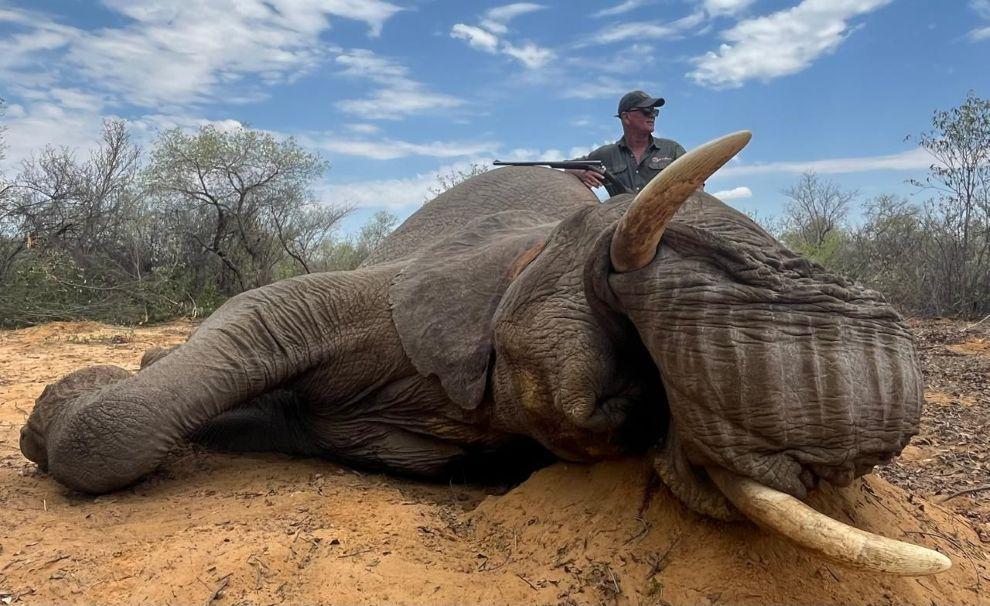
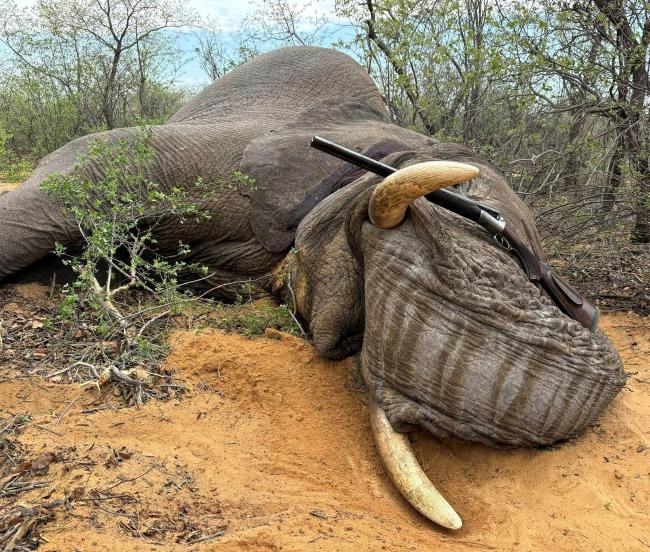
During one of our own elephant hunting safaris in Bushmanland, we encountered this exact situation after successfully harvesting a mature bull earlier than expected. The hunt involved long hours of tracking through thick bushveld before eventually closing the distance for a close-range frontal brain shot in difficult cover. During elephant hunts like these, proper elephant shot placement becomes critically important, particularly when visibility is limited and follow-up shots may need to happen quickly under pressure.
Like many dangerous game hunts in Africa, the experience proved physically demanding, emotional, and completely unpredictable. After the hunt concluded, we decided to leave the bushveld and spend additional time exploring other parts of Namibia — something many hunters and accompanying visitors choose to do once the safari ends.
Things to do, Places to go, and Experiences to Enjoy when Hunting in Namibia
Traveling between Bushmanland and the capital city of Windhoek by road usually takes between 6 and 7 hours, depending on road conditions and the time of year. For hunters wanting to extend their safari after leaving the bushveld, Namibia offers a wide range of destinations, activities, and travel experiences worth exploring.
Windhoek
Tourist activities are highly affordable to foreigners due to the weak exchange rate between the Namibian Dollar, which is linked to the South African Rand, and international currencies such as the Euro, US Dollar, and British Pound.
Windhoek is the social, economic, and cultural center of Namibia. It boasts an extraordinary craft center, nature reserves, and Botanical gardens. If museums are on the list, be sure to visit the National Museum of Namibia and Trans-Namib Railroad Museum.
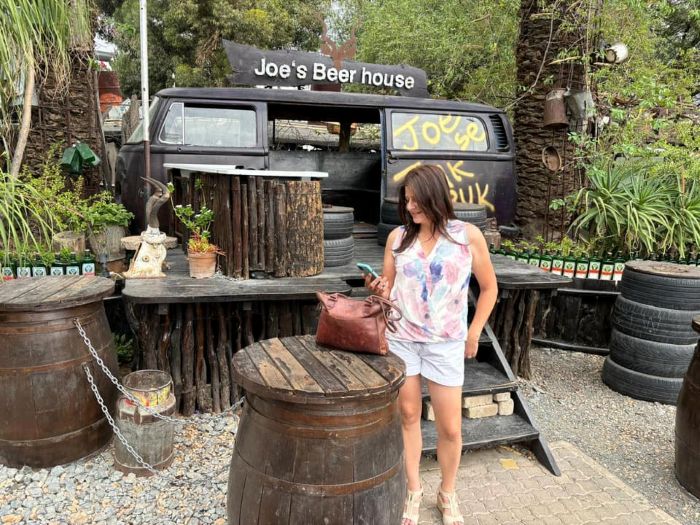
Hotels cater to international visitors and hunters and have secure lock-up facilities for firearms with incredible breakfasts. Dining at Joe’s Beerhouse situated in central Windhoek is a must and features classic cuisine such as gemsbok and springbok steaks, fresh line fish such as hake, sole, and kabeljou, and a wide variety of local beer. If you are looking for something a little more upmarket, be sure to visit The Butcher Block which boasts a wide variety of dishes.
Traveling in Windhoek is quick and affordable. Just download the Yango App on your smartphone (Namibia’s version of Uber). A seven-mile trip will cost the traveler a mere US$ 2.
When hunting in Namibia, make sure to switch any foreign currency to the local Namibian Dollar, or to the South African Rand which is accepted throughout the country.
A Visit to Swakopmund
Swakopmund is situated 163 miles from Windhoek. A four-by-four vehicle is not required and there are many service providers for car rental. Renting a Volkswagen Polo, or similar at current rates will cost on average US$ 23 per day.
Hotel rates for a four-star, breakfast included can be budgeted for at US$ 140 per day for an executive room with a sea view. Cuisine in the city ranges from a variety of fresh seafood (depending on the season) to game meat and dishes with a German influence.
Swakopmund is surrounded by the Namib Desert and the Atlantic Ocean offering a wide range of activities including:
- Desert Camel Rides
- Sandboarding on the Dunes
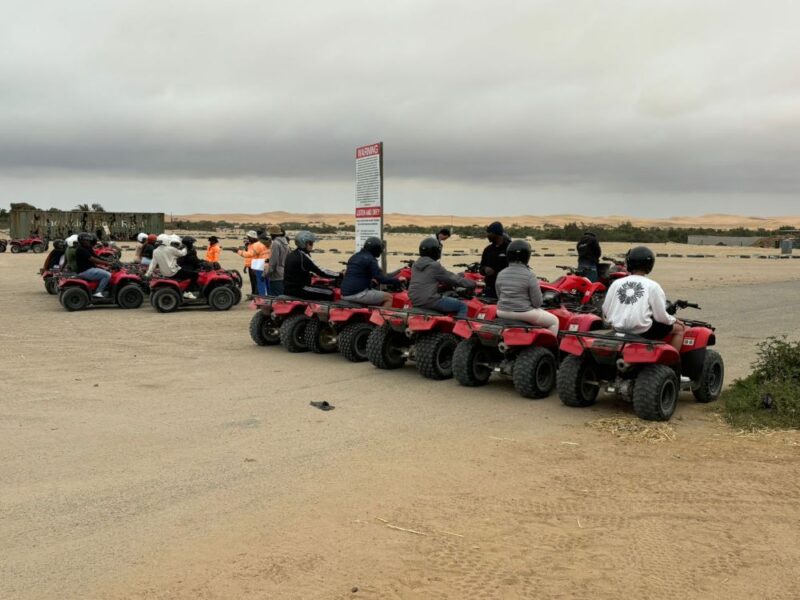
- Quad Bike rides through the Namib Desert
- Deep Sea Fishing Charters
- Living Desert Tour
- Four by Four Excursions
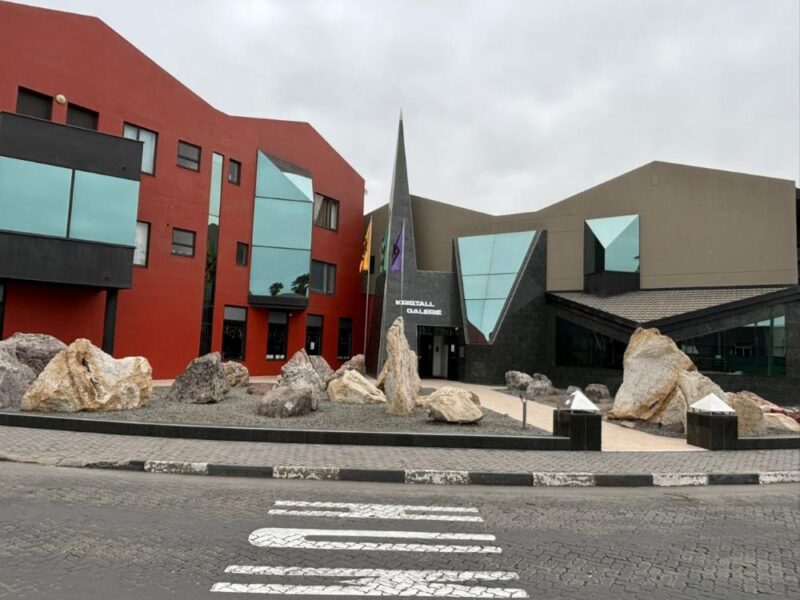
Swakopmund also boasts a superb German bakery and a visit to the Kristall Galerie is a must. For visitors who enjoy a few cold beverages on the beachfront, two large 500ml Castle Lite Draft Beers at The Reef Bar cost a mere US$ 3. A bonus at these rates is that hotels are within walking distance, so no driving is necessary.
A Drive South to Walvis Bay from Swakopmund
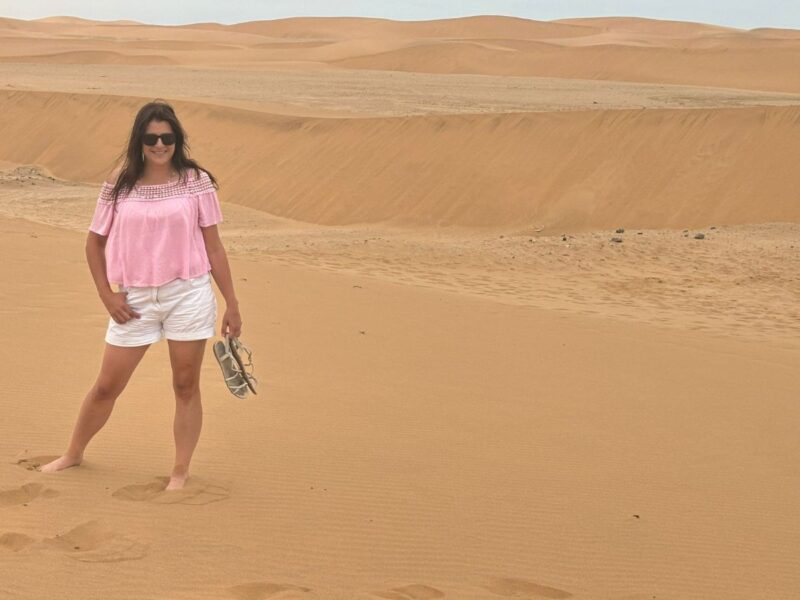
Situated only 22 miles from Swakopmund, is the famous port of Walvis Bay. The southerly drive from Namibia’s adventure capital of Swakopmund down to Walvis Bay is a safe and scenic one, through the Namib Desert.
Founded in the 1790s by Dutch Settlers from the Cape of Good Hope, this scenic coastal town has been governed by the British, Germans, and South Africans at one time. It is Namibia’s largest coastal town and the country’s second-largest city, as well as the country’s largest commercial port, with 13 commercial berths as well as a dedicated berth for passenger and cruise vessels.
The town itself is a culmination of old and new, with quaint old curio shops paired with several exquisite restaurants well worth sampling!
The city offers tourists various activities to keep them entertained and enthralled, including scenic whale and seal tours and for the more active and adventurous kayaking, windsurfing, and kite surfing. The largest dune in the area is Dune 7, while the Walvis Bay lagoon is a haven for bird life in the area.
A Coastal Drive North from Swakopmund to Henties Bay
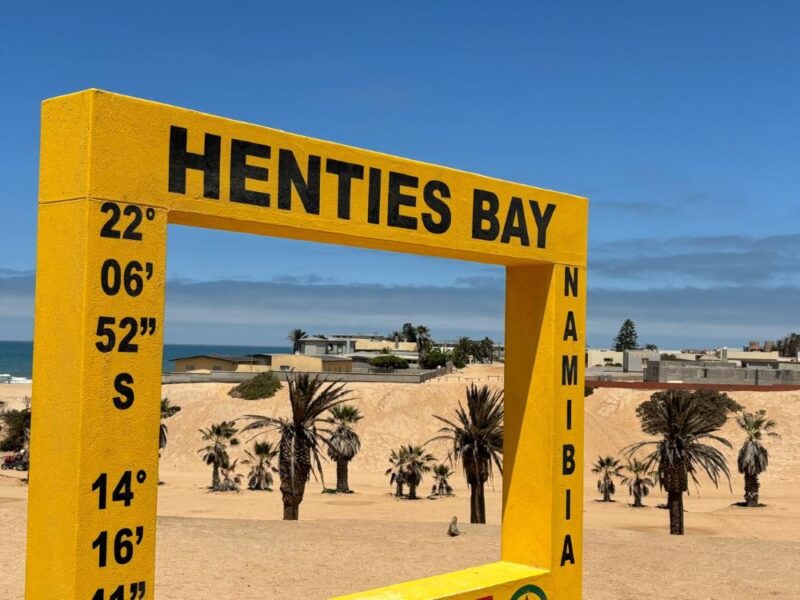
Henties Bay, or Hentiesbaai, is another Namibian destination worth visiting, and only 44 miles north of Swakopmund.
This holiday town bustles over the summer season and is largely known for its range of natural beauty including stunning beaches, as well as being a prime fishing spot. This is the place to come to get away from it all while enjoying a lovely beach holiday but be warned the water is quite chilly!
Conclusion: Beyond the Hunt
Part of what continues making Namibia such a respected African hunting destination is that the experience rarely ends once the hunt itself is over. From remote elephant country in Bushmanland to the floodplains and river systems of the Zambezi Region, many hunters discover that some of the most memorable parts of their safari happen away from the tracking spoor and hunting vehicles.
Whether spending additional days exploring Namibia’s coastline, relaxing in camp after a successful hunt, or extending the safari with additional plains game species, the country offers far more than the hunt itself. This combination of free-range hunting, remote landscapes, and diverse travel experiences continues attracting hunters looking for authentic African safaris beyond trophy photographs alone.
Hunters preparing for their first elephant safari often underestimate the physical and mental demands involved in tracking elephants on foot through difficult terrain. For additional insight into the realities surrounding dangerous game hunting, Elephant Hunting In Namibia: Are You Ready? explores the preparation and mindset required before stepping into elephant country.
For hunters interested in exploring Namibia’s river systems, floodplains, and free-range elephant areas further, Unforgettable Elephant Hunting In Namibia’s Zambezi Region offers a closer look at one of the country’s best-known dangerous game hunting destinations.
About The Authors
Pierre and Tamlyn van Wyk are the founders of Game Hunting Safaris and have spent years hunting throughout southern Africa. Their experience includes elephant hunting in Bushmanland, buffalo and hippo hunts in Namibia’s Zambezi Region, and extensive time spent exploring many of Namibia’s remote hunting areas. Their writing combines firsthand hunting experience with a strong appreciation for traditional African safari culture and free-range dangerous game hunting.
Frequently Asked Questions About Hunting Safaris In Namibia
What can non-hunters do during a hunting safari in Namibia?
Many hunting areas in Namibia are located close to well-known travel destinations and wildlife regions. Non-hunting visitors often spend time exploring coastal towns such as Swakopmund and Walvis Bay, visiting wildlife reserves, enjoying photography, or relaxing at safari lodges while the hunt takes place.
Can additional animals be hunted after an elephant safari ends?
In some cases, yes. Hunters who complete elephant hunting safaris earlier than expected may have opportunities to add plains game or other dangerous game species depending on available permits, quota availability, and the hunting area being visited.
Which areas are best known for elephant hunting in Namibia?
Bushmanland and the Zambezi Region remain two of Namibia’s best-known elephant hunting areas. Bushmanland is associated with remote dry-country elephant hunting, while the Zambezi Region offers river systems, floodplains, and higher overall elephant numbers.
Is Namibia considered a good destination for dangerous game hunting?
Namibia is widely regarded as one of Africa’s premier dangerous game hunting destinations due to its free-range hunting areas, strong wildlife management systems, political stability, and wide variety of dangerous game species available across different regions of the country.