
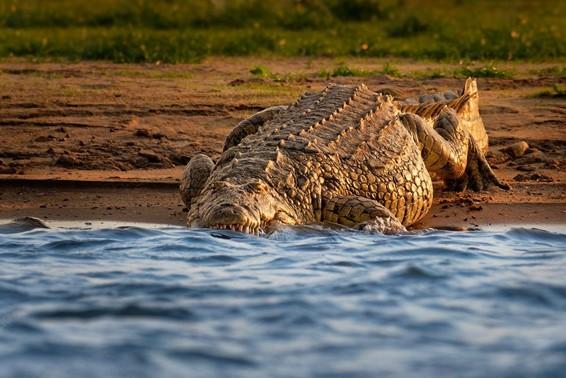
When discussing African hunting safaris, the focus is often placed on the experience, the trophy, or the destination. However, in countries like Mozambique, there is another critical dimension that cannot be ignored—the impact that hunting has on local communities living alongside dangerous wildlife. In regions where human-wildlife conflict is a daily reality, regulated hunting plays a far more complex role than many outsiders realize.
In areas where crocodile hunting in Mozambique takes place, local communities live in close proximity to rivers and waterways that are home to large populations of Nile crocodiles. These environments create both opportunity and danger, and managing this balance is essential for both human safety and long-term conservation.
As part of the broader structure of ethical hunting in Mozambique, controlled crocodile hunting contributes to reducing human-wildlife conflict, supporting conservation efforts, and creating sustainable income streams for rural communities that rely heavily on the land and its resources.
Crocodile hunting in Mozambique forms part of a broader category of dangerous game hunts in Africa, where hunters pursue some of the continent’s most unpredictable and potentially dangerous species.
Unlike plains game hunting, these safaris require a higher level of awareness, experience, and respect for the environment, as both the terrain and the animals themselves present real risks. In the case of Nile crocodiles, the added challenge of hunting in and around water makes each encounter uniquely demanding, reinforcing why this type of hunting is reserved for well-guided and carefully managed safaris.
[DYNAMIC-BLOGTABLEOFCONTENT]
Crocodile Hunting in Mozambique: Targeting Africa’s Most Infamous Reptile
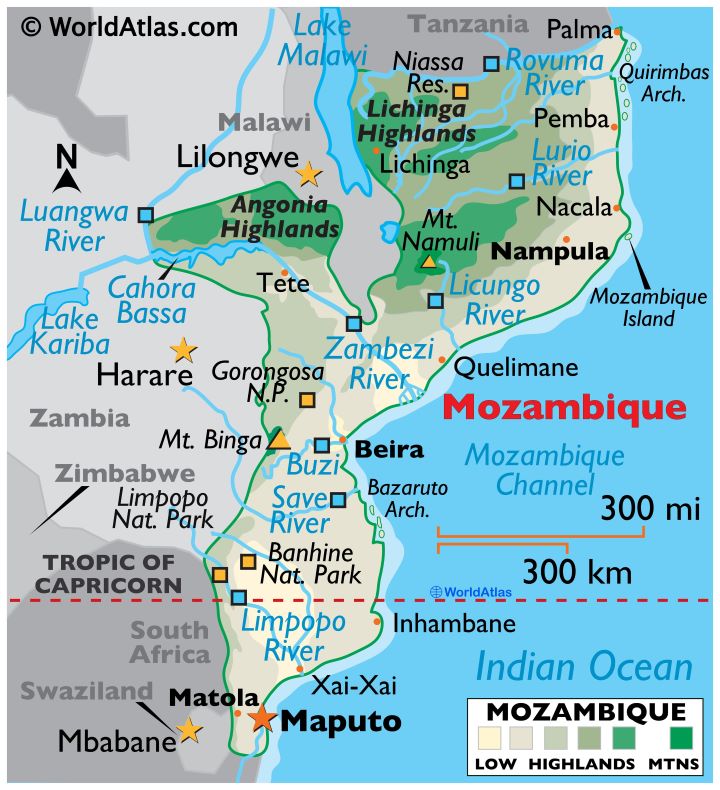
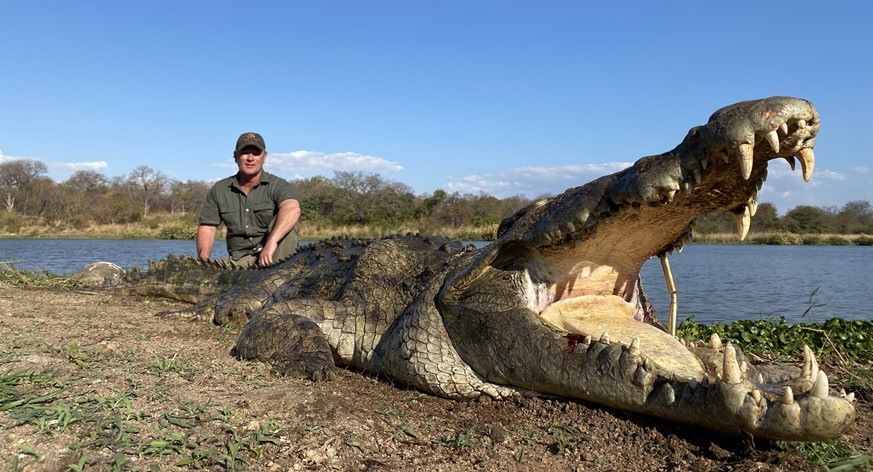
Crocodile hunting in Mozambique is a thrilling and exhilarating hunting adventure that many international hunters have firmly added to their bucket lists. The country is famous for its enormous crocodile population, with some specimens measuring more than 17 feet that are often harvested at popular crocodile hunting sites such as Lake Cahora Bassa along the banks of the Zambezi River or towards the north of the country, in the Niassa region.
They are mainly hunted through a walk-and-stalk or baiting method, using a .375 or larger.
But it is these menacing dangerous game species that are causing chaos and destruction throughout large parts of Mozambique, and big game hunting in Africa is making a difference, simply by engaging in an African hunt targeting this cunning reptile.
Is the Nile Crocodile A Dangerous Reptile?
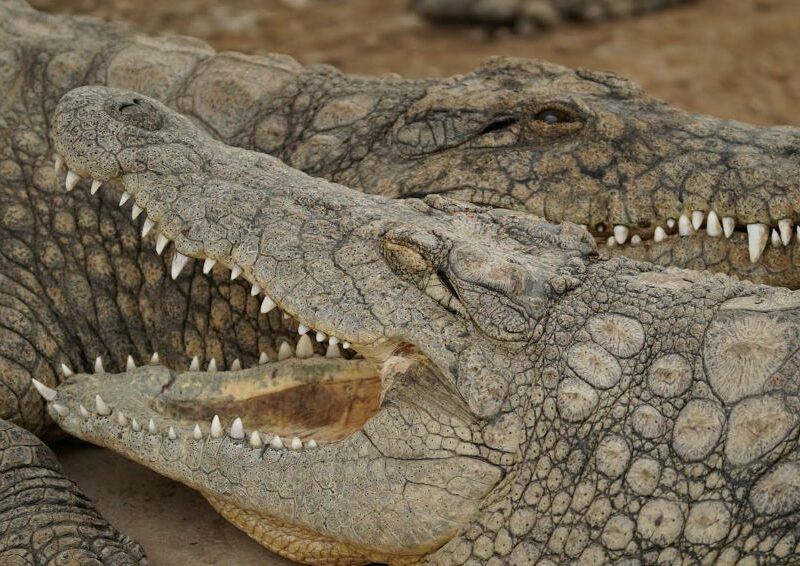
Yes, the Nile crocodile (Crocodylus niloticus) is extremely dangerous and remains a bloodthirsty, killing machine that will stop at nothing for its next meal. Weighing in at up to 2,000 pounds, with an average length of 14 feet (some specimens even reach 20 feet!), this apex predator boasts more than 60 razor-sharp teeth that can do serious damage and kill with ease. Crocodiles have the most powerful bite in Africa with a jaw pressure of 3,700 – 4,000 PSI. To give you an idea of how strong that is, the next runner-up is the lion with a jaw pressure of only 650 PSI!
As an apex predator found in freshwater throughout sub-Saharan Africa, it is responsible for the deaths of both animals and humans, with Mozambique annually recording more than 1,000 crocodile attacks.
The History of Crocodile Hunting in Mozambique
Crocodile hunting in Mozambique is an age-old chronicle that is worth exploring. Decades ago, local fisherman used to engage in crocodile hunting both for meat and its skin, earning money for themselves, while simultaneously feeding their families.
From the 1950s to the mid-1970s international hunters used to engage in dangerous game hunting and target this prehistoric beast, but the civil war and unrest in the area saw numbers waning until the beginning of the 1990s.
Nowadays, crocodile hunting in Mozambique remains a popular and exciting African hunt, especially since the region boasts some of the biggest crocodile specimens around.
Some hunters, such as some of the team at Game Hunting Safaris, heard the tales of how these apex predators target and attack villagers and saw it as an incentive to go enjoy a crocodile hunt in Mozambique. Firstly, they would gain a prize dangerous game hunting trophy on their African hunt safari, while also ensuring that there was at least one least predator patrolling the waters of the mighty Zambezi, in search of easy human prey.
Human-Wildlife Conflict in Mozambique
Human-wildlife conflict is a growing challenge across Africa, and Mozambique is no exception. As human populations expand and natural habitats shrink, encounters between people and dangerous wildlife are becoming more frequent and more severe. In rural areas, particularly those located along major river systems, communities live in constant proximity to some of the continent’s most dangerous species.
While Nile crocodiles are responsible for a significant number of attacks each year, they are not the only threat. Many of these same waterways are also home to large populations of hippos—equally territorial and highly aggressive animals that are responsible for numerous injuries and fatalities across Africa. As a result, both species contribute to ongoing human-wildlife conflict, particularly in regions where access to safe water sources is limited.
In these environments, daily activities such as fishing, bathing, collecting water, or washing clothes carry real risk. This is why regulated hunting, including both crocodile and hippo hunts in Africa, plays an important role in managing animal populations, reducing conflict, and improving safety for local communities living alongside these powerful species.
What is Human-Wlidlife Conflict?
- The IUCN (International Union for the Conservation of Nature) issued a brief in June 2022, addressing this exact issue.
- Human-wildlife conflict exists between humans and wildlife, where the wildlife is a direct and continuous threat to humans, leading to the persecution of the species. An example of this in Mozambique is the Nile crocodile, a daily threat to many communities living alongside Mozambique’s rivers.
- The brief explains how wildlife can threaten people’s safety and livelihoods, leading to conflicts between different parties on how to handle the conflict. These conflicts are becoming more serious in nature, as the animal’s natural habitat is lost with humans encroaching on them.
- These wildlife-human conflicts can threaten human lives
- The effective management of this human-wildlife conflict not only protects communities, but avoids retaliation against wildlife, and stops the escalation of human-wildlife conflict.
- In Mozambique, crocodiles and humans are one of the most dangerous and challenging human-wildlife conflicts to manage.
Crocodile Attacks: A Daily Scenario when Living in Mozambique
Local Mozambican communities residing along the country’s rivers live under daily attack from Nile crocodiles. These reptiles are the most common species of crocodile found in Africa and are known to attack and kill more people than other species of crocodiles. These man-eaters are known for their expert hunting abilities, which they, unfortunately, put to use hunting and attacking humans.
As these villagers go about their daily lives, their movements are closely monitored by this member of the Dangerous 7. They are attacked while washing their clothes, bathing, fishing, or even washing dishes in the only water supply available for many of the communities living along these crocodile-infested waters.
It has been reported that in many populations, their children are not even named until they are about three, as the chances of them not surviving and being eaten by a crocodile are so large, that it is not worth the heartache of naming them. How absolutely horrible and gut-wrenching for the parents, not knowing whether today is the day their family will lose another member!
If you search the internet, you will see numerous article headlines, citing crocodile attacks and death. The below are from an online publication called Club of Mozambique:
“Mozambique: Crocodile attack kills 14-year-old boy in Impaputo, Namaacha” (22 March 2024)
“Mozambique: At least 10 die in crocodile attacks in Manica” (04 April 2024)
“Zambézia: One body found, four still missing after Friday crocodile attacks on the Chire” (26 July 2023)
“Mozambique: Crocodile attacks a growing concern in Vanduzi – RM” (25 January 2023)
“Drownings and crocodile attacks killed five persons in Zambézia this weekend – Police” (22 March 2022)
One of the above articles relates to a mother and her four-month-old baby, who both died in two separate attacks. These man-eating reptiles are only in search of their next meal and are heartless, have no guilt, and only a stomach to fill.
Crocodile attacks are estimated at around 1,000 per annum in Mozambique, with the majority occurring close to Lake Cahora Bassa. The sad fact is that not all crocodile-related attacks (fatal or non-fatal) are reported.
Many areas are far from major cities and sadly, many incidents never make the national and international statistics relating to crocodile attacks and deaths. And, realistically, while some attacks are non-fatal, they can have disastrous consequences for the community, where a person may lose a limb and firstly not have access to adequate healthcare, and secondly, should they survive the attack, they now need to manage the rest of the lives with a severe disability that affects their ability to survive, work, and make a living in a very difficult and rural environment.
So how does crocodile hunting in Mozambique assist the community in dealing with these horrific attacks?
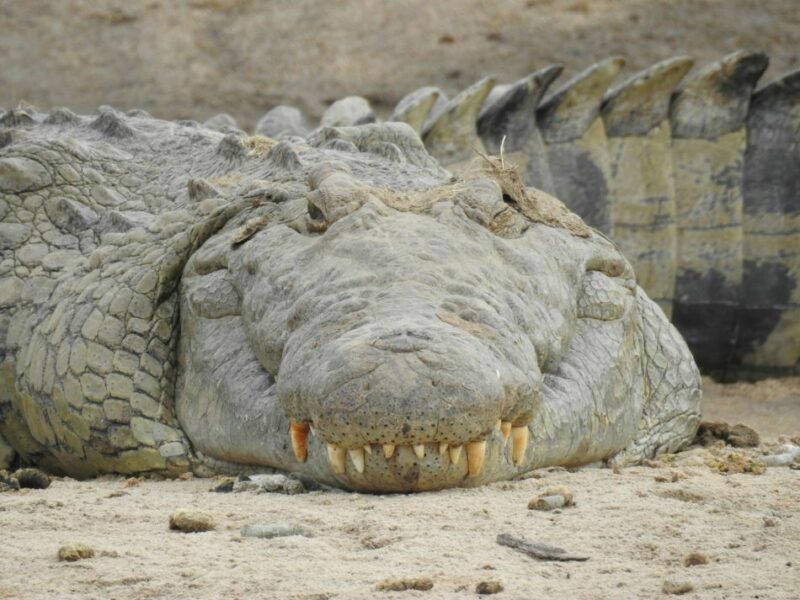
How Mozambican Crocodile Hunting Benefits the Local Communities
As mentioned, crocodile huntins in Mozambique remains a sought-after dangerous game hunting safari. The 2022 hunting season saw the government issue more than 1,000 quotas for crocodile hunts, as well as egg collection, ensuring that revenue from tags and licensing is gained.
It provides numerous opportunities to deal with the challenge of these prehistoric predators and allows local communities to benefit in various ways, including:
Economic Benefits
- Job Opportunities: Many of the local people in the communities are employed to assist with crocodile hunting in Mozambique. They fulfill numerous and various roles within the tourism and hunting industry, including trackers, skinners, cleaners, chefs, and general workers with hunting outfitters.
- Improvement of Local Infrastructure: As the hunting industry and hunting in Mozambique continues in popularity, so local investors, as well as the tourism and hunting industry, improve and invest in infrastructure. When international hunters visit for their African hunt, they require accommodation, the roads need to be upgraded, and small local shops appear to meet the needs of the communities forming around the dangerous game hunting initiatives.
- Increase in Government Income: As more hunters visit the country, they require tags, licenses, and permits to enjoy crocodile hunting or other hunting adventures in this dangerous game hunting area. All these permits cost money, which generates revenue for the Mozambican government. This in turn can be spent on conservation, and local infrastructure that can benefit the communities, such as schools and clinics, to name but a few.
- Filling Tummies: One of our members who engaged in some trophy crocodile hunting in Mozambique mentioned that he could never eat a crocodile from the area, knowing as he did that these were man-eating crocodiles and had more than likely consumed many humans along its long and illustrious life. For many local communities, crocodile hunts provide welcome protein for its people.
The Community and Conservation
- I believe that to convince a community that conservation is needed and necessary, while their family and community members are being attacked and eaten by crocodiles, is a rather challenging task.
- However, if they can see that by supporting crocodile hunting in the area, they are not only able to gain some “revenge” on the beasts that are attacking them (and not killing the crocodiles themselves or being in danger and the job is still done!), while still profiting from the hunters being there through an income and improved infrastructure, you can have a positive and winning situation.
- The local community is also more protected with crocodile hunting in Mozambique. Each crocodile hunted is one less crocodile that will seek their members out as prey, or even their livestock, which for many is their livelihood and source of food.
- Conservation efforts also allow for the education and awareness of crocodile attacks, allowing people to learn about the threat of potential danger, how and when people get bitten, and how to protect themselves.
What Steps are being taken to Prevent Crocodile Attacks in Mozambique?
It has been reported that local communities, along with relevant government authorities are working hand-in-hand to minimize crocodile attacks and the effects thereof. Some measures that have been put into place include:
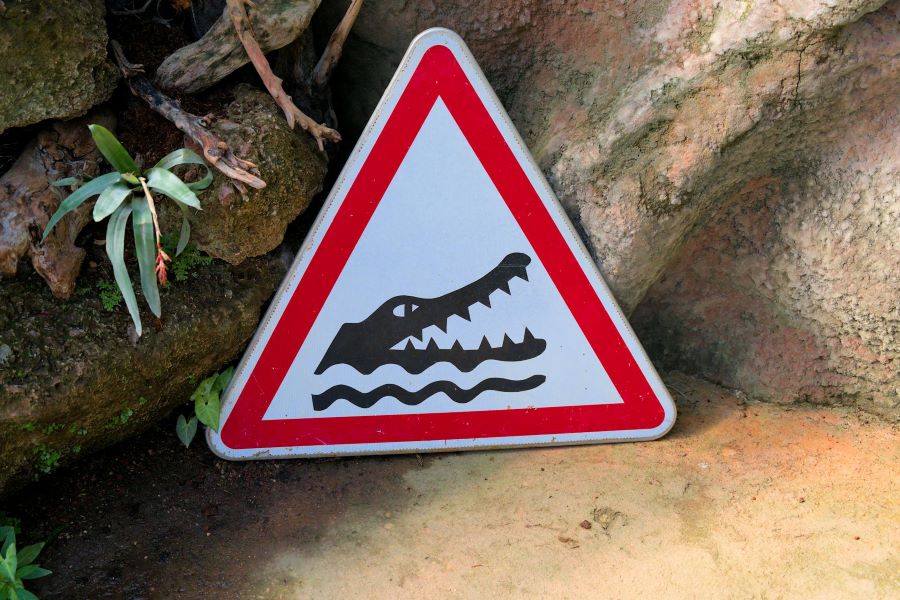
- Awareness And Educational Resources: By creating awareness of the presence of crocodiles, for example with signs near a river that is inhabited by these reptiles, you are informing, creating awareness, and teaching people to be aware of the potential danger in the situation.
- Community Involvement: Members of the community can assist in keeping a lookout for crocodiles and report any sightings and these activities can assist in keeping people safe and avoiding any potential attacks.
- Creation of Buffer Zones: While the crocodiles’ habitat is important, so are the humans who live in and around it. There is a fine line between ensuring the safety of humans and conversation efforts for the Nile crocodile. The creation of a bugger zone between a potential crocodile nesting area and a human settlement would alleviate potential wildlife-human conflicts and the dangers associated with them.
- Safe Fishing Routines: The risk of possible encounters between fishermen and crocodiles can be avoided by enforcing safe fishing practices and routines. These can include not fishing in the middle of a known crocodile breeding ground, cleaning fish away from the water, and not disposing of fish or fish waste within known crocodile areas.
- Warning Signs: These can assist in alerting people of potential danger near bodies of water that can have crocodiles within, for example, lakes and rivers. They can warn people against water activities, such as swimming, snorkeling, fishing, or canoeing in the water.
- Relocation of Species: Should a crocodile pose an active threat or be a menace in or near a community or human settlement, it may be relocated to an area that is both safer for humans and the reptile.
Your Crocodile Hunting Safari Makes A Difference
The benefits of crocodile hunting cannot be downplayed - it plays its part in assisting the locals in many ways, it is only through a combined and collaborative effort that these communities can operate and thrive daily.
These cold-blooded killers play a vital role within the environment and cannot be eliminated but together international hunters, the community, and the government each play their role in making the lives of community members just a bit better – and a bit safer.
A crocodile hunt in Mozambique is more than just a pursuit—it is an experience shaped by anticipation, environment, and the sheer unpredictability of the animal itself. From the stillness of waiting along the riverbanks to the intensity of the final moment, it is a safari that leaves a lasting impression on those who take part.
For hunters considering their own trip, it is often these firsthand accounts that provide the clearest picture of what to expect. Reading through a detailed nile crocodile safari story can offer valuable insight into both the challenges and rewards of the hunt, helping to turn curiosity into confidence when planning a future safari. At the same time, gaining a broader understanding of how these safaris operate on the ground—particularly how they support conservation and local livelihoods—can add an entirely different level of perspective. Exploring how crocodile hunting supports communities in Mozambique gives hunters a more complete view of the role these safaris play beyond the hunt itself.
Author: B. Hershensohnn