
When American hunters begin researching Buffalo Hunting in Mozambique, the conversation usually starts with Niassa. The vast wilderness areas of northern Mozambique have earned a well-deserved reputation for producing exceptional free-range buffalo hunts and some of Africa's finest dangerous game safaris.
Far fewer hunters, however, know much about the Zambezi Delta.
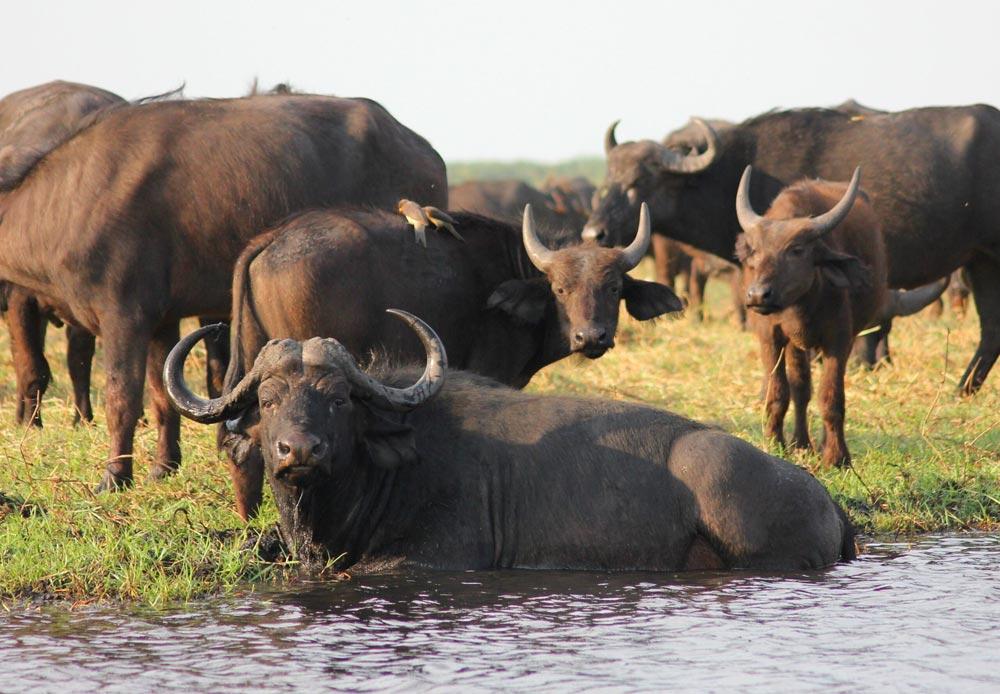
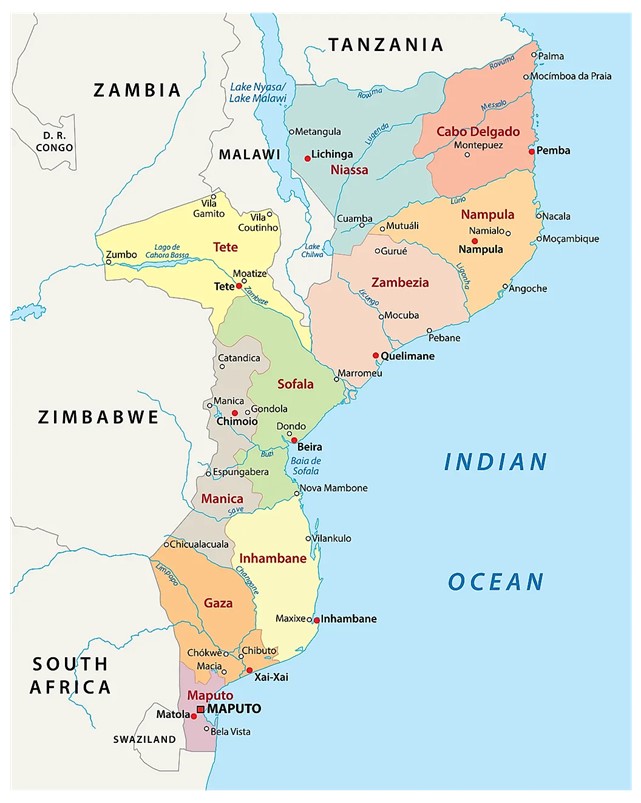
Located along Mozambique's central coast, this enormous wetland ecosystem offers a completely different buffalo hunting experience. Here, vast floodplains, grasslands, river systems, and swamps support some of the highest concentrations of Cape buffalo found anywhere in Africa. In certain areas, hunters may encounter herds numbering in the hundreds, creating a style of buffalo hunting unlike anything found in more traditional woodland environments.
The Delta is not necessarily harder than Niassa, nor is it easier. It is simply different.
The terrain hunts differently. The buffalo behave differently. The challenges are different. Hunters accustomed to tracking buffalo through mopane woodland or thick bush are often surprised by the distances involved, the sheer scale of the country, and the unique problems that come with hunting buffalo in flat, open floodplain terrain.
For hunters seeking something beyond the traditional buffalo safari, Mozambique's Zambezi Delta offers one of Africa's most overlooked dangerous game hunting experiences.
[DYNAMIC-BLOGTABLEOFCONTENT]
Not All Buffalo Hunts in Mozambique Are the Same
One of the reasons Hunting in Mozambique has become so highly regarded among international hunters is the diversity of hunting environments available across the country.
In northern Mozambique, hunters pursuing buffalo in the Niassa ecosystem can expect vast miombo woodlands, long tracking days, and classic free-range dangerous game hunting. Hundreds of miles to the south, the Zambezi Delta offers a completely different challenge. Here, buffalo inhabit floodplains, reed beds, wetlands, and open grasslands where visibility, stalking techniques, and even shooting distances can differ dramatically from what many hunters expect.
This variety is one reason experienced hunters continue returning to Mozambique. Rather than offering a single style of buffalo hunting, the country provides several distinct experiences, each shaped by the terrain, climate, vegetation, and buffalo populations found within that region.
The focus of this article is the Zambezi Delta, one of Africa's most unique buffalo hunting environments and a place where the terrain itself often becomes as much a challenge as the buffalo being hunted.
When Funding Buffalo Isn't the Hard Part
The Zambezi Delta is famous for its buffalo numbers, with hunters occasionally encountering herds numbering in the hundreds and, in exceptional circumstances, even approaching a thousand animals. While that may sound like a hunter's dream, it creates a challenge of its own.
Finding buffalo is often not the problem. Finding the right buffalo is.
Large herds contain cows, calves, immature bulls, satellite bulls, and mature breeding bulls, all moving constantly through grasslands, floodplains, and reed beds. Picking out a single mature trophy bull from hundreds of constantly moving animals requires patience, discipline, and often multiple stalks before the right opportunity presents itself.
The sheer number of eyes, ears, and noses working against the hunter can make approaching a herd surprisingly difficult. One nervous cow, a sudden shift in wind direction, or a buffalo detecting movement where it should not be can send hundreds of animals moving away at once.
Experienced professional hunters often joke that finding buffalo in the Delta is easy. Getting within shooting range of the right buffalo is another matter entirely.
Recovery in Delta Country
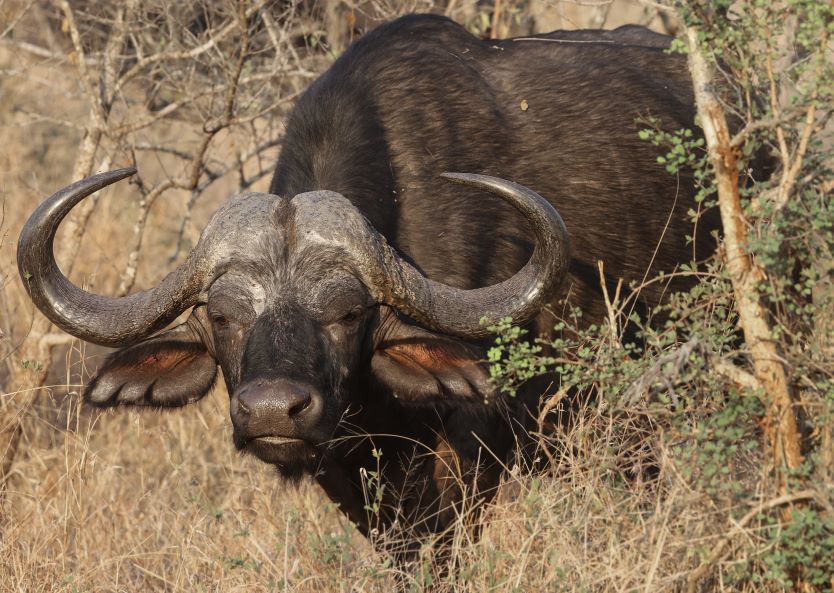
One aspect of Buffalo Hunting in the Zambezi Delta that receives little attention is the recovery process. In many parts of the Delta, vehicles simply cannot access the areas where buffalo are hunted. Floodplains, wetlands, soft ground, and thick vegetation often make vehicle recovery impossible, particularly during certain times of the year.
A successful buffalo hunt may therefore be followed by several hours of hard work. Once the buffalo is recovered and prepared, local recovery teams often carry meat, hides, and equipment back to the nearest access point entirely on foot. Distances can be considerable, particularly when hunting deep within the Delta.
For visiting hunters, this often provides a valuable insight into the realities of life in remote Africa. What may represent a trophy and lifelong memory for the hunter also becomes an important source of meat and protein for local communities. It is not uncommon to see recovery teams walking many miles through difficult terrain carrying heavy loads that would challenge most people.
The recovery of a buffalo in Delta country is rarely easy. Like the hunt itself, it demands effort, endurance, and teamwork from everyone involved.
When the Horizon Never Changes
Hunters may arrive in the Zambezi Delta expecting close encounters with buffalo in thick cover. While those opportunities certainly exist, one of the first surprises is just how difficult it can be to locate buffalo in a landscape that appears almost completely flat.
Unlike many traditional buffalo hunting areas, there are few hills, ridges, or elevated vantage points from which to glass the surrounding country. In some areas, a hunter can walk for miles with little change in elevation, making it surprisingly difficult to locate game across the vast floodplains and grasslands.
Professional hunters and trackers often rely on experience, fresh sign, and even bird activity to locate buffalo herds. On occasion, any slight rise in the terrain becomes valuable, whether it is a termite mound, an anthill, or simply a patch of ground a few feet higher than the surrounding landscape. Gaining even a small amount of elevation can reveal buffalo that would otherwise remain completely hidden.
The flat terrain can also create unexpected shooting situations. Many hunters arrive expecting close-range opportunities measured in yards rather than hundreds of yards. Yet the openness of certain parts of the Delta can occasionally produce much longer shots than hunters associate with dangerous game hunting.
It is one of the many ways the Delta challenges expectations. The country looks simple at first glance, but the longer you hunt it, the more you realize that finding buffalo is often far more complicated than it appears.
Inside Mozambique's Zambezi Delta
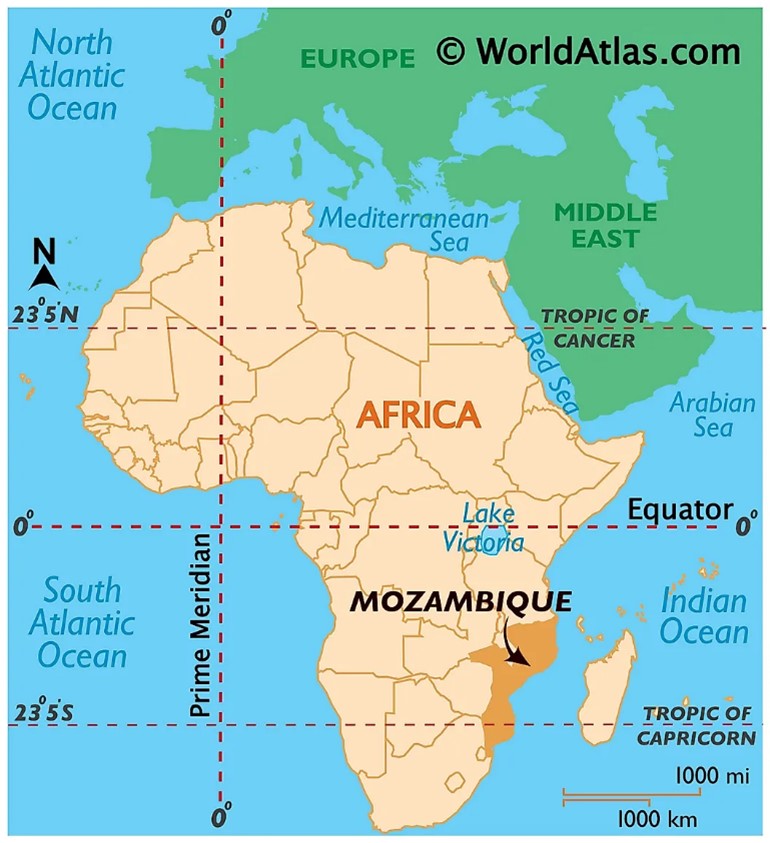
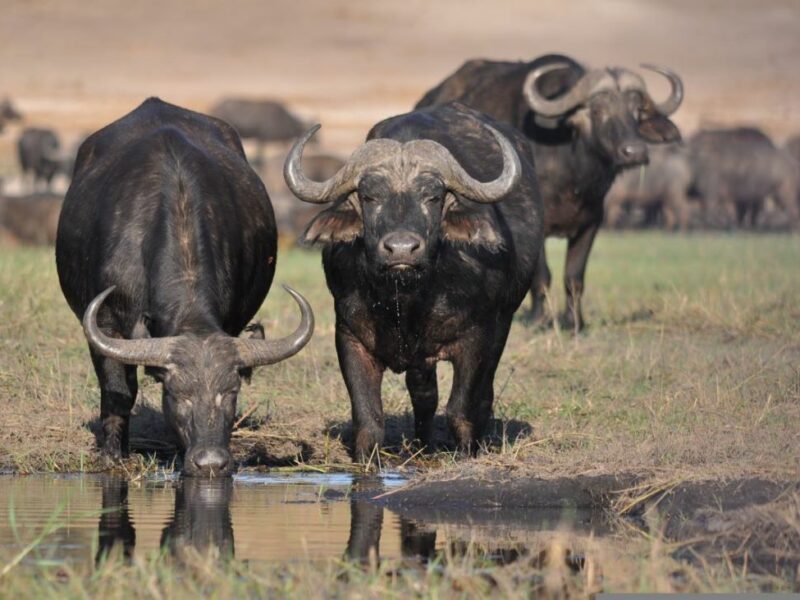
The Zambezi Delta lies along Mozambique's central coastline where Africa's fourth-longest river eventually meets the Indian Ocean. Covering thousands of square miles of floodplains, wetlands, grasslands, river systems, mangroves, and seasonal swamps, it is one of the largest and most important wetland ecosystems on the continent.
For buffalo hunters, the Delta presents a landscape unlike almost anywhere else in Africa. Water influences everything. Seasonal flooding shapes animal movements, dense reed beds provide cover, and vast open floodplains create hunting conditions that differ dramatically from traditional buffalo country further north.
The same waterways and wetlands that support enormous buffalo populations also provide ideal habitat for Hippo Hunts and Crocodile Hunts, while the surrounding wilderness supports lion, leopard, elephant, and a remarkable variety of plains game species. This abundance of wildlife is one of the reasons the Delta remains such an important ecosystem and a highly regarded destination for Dangerous Game Hunts in Africa.
Understanding the Delta is important because the terrain influences every aspect of the hunt. It affects where buffalo feed, where they rest, how they move, and ultimately how hunters must approach them. In many ways, the Delta itself becomes one of the greatest challenges of the safari.
The Delta Doesn't Make Things Easy
Cape buffalo are challenging enough in any environment. The Zambezi Delta simply adds another layer of difficulty.
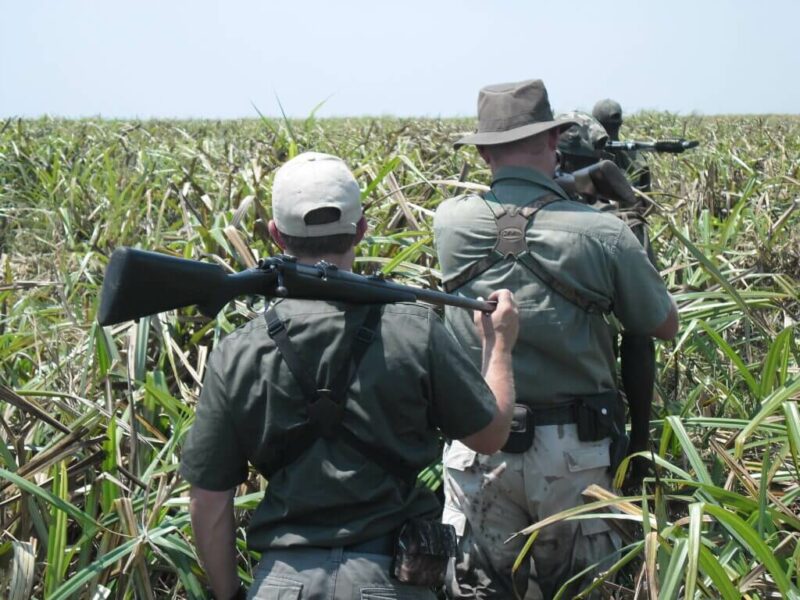
Water influences almost every aspect of the hunt. Depending on the season, hunters may find themselves crossing flooded ground, navigating reed beds, skirting swamps, or following fresh spoor through country where every step requires attention. Distances that appear manageable on a map often feel very different once you are carrying a rifle through heat, humidity, and waterlogged terrain.
The Delta also has a habit of challenging expectations. Many hunters arrive expecting close-range encounters in thick cover, only to discover that parts of the floodplain can produce surprisingly long stalks and shooting opportunities. Success often comes down to patience, adaptability, and the ability to make good decisions when conditions change unexpectedly.
The wildlife density adds another dimension to the experience. While tracking buffalo, it is not unusual to encounter fresh elephant sign, hippo paths leading into waterways, or crocodiles basking along riverbanks. The Delta is a complete ecosystem, and hunters are constantly reminded that they are moving through country shared with some of Africa's most iconic game animals.
Then comes the moment every buffalo hunter respects, the follow-up.
Buffalo have an uncanny ability to disappear into tall grass, reeds, and thick cover that appears far less intimidating from a distance. What looked like a straightforward shot can quickly become a careful and deliberate recovery. In these situations, accurate Cape Buffalo Shot Placement becomes critical, not only for a clean harvest but also for reducing the chances of a difficult follow-up in challenging terrain.
It is these realities, rather than horn measurements or trophy photographs, that define buffalo hunting in the Zambezi Delta. The terrain, the wildlife, and the unpredictability of the environment combine to create an experience that hunters remember long after the safari is over.
Zambezi Delta Buffalo vs Niassa Buffalo
Hunters researching buffalo hunting in Mozambique inevitably find themselves comparing two of the country's most famous buffalo destinations: the Zambezi Delta and Niassa.
The truth is that neither is better. They are simply very different hunting experiences.
Niassa is classic buffalo country. Vast miombo woodlands, long tracking days, and a feeling of immense wilderness define much of the hunting experience. Hunters often spend hours following the tracks of old bulls through thick cover, carefully closing the distance before an opportunity presents itself.
The Zambezi Delta offers a different challenge altogether. Here, water influences almost everything. Floodplains, wetlands, grasslands, reed beds, and river systems create hunting conditions that are unlike those found in northern Mozambique. Hunters may encounter enormous herds of buffalo, contend with longer stalks across open country, and spend much of the safari adapting to terrain shaped by seasonal flooding.
The physical demands can differ as well. While Niassa is often associated with long tracking days through woodland, the Delta can test hunters with heat, humidity, waterlogged ground, and vast distances that seem to stretch endlessly across the horizon. Neither hunt is easy. Both demand patience, determination, and good shooting under pressure.
The wildlife experience is equally distinct. Niassa has become famous for its populations of buffalo, lion, leopard, and elephant within one of Africa's great wilderness ecosystems. The Delta, meanwhile, combines exceptional buffalo hunting with extensive waterways that support hippo, Nile crocodile, and a remarkable diversity of birdlife and wetland species.
Interestingly, the plains game opportunities differ considerably as well. Species such as Livingstone's eland, waterbuck, bushbuck, reedbuck, warthog, and sable are frequently associated with Delta hunting areas, creating a very different safari experience from that found further north. Hunters interested in combining buffalo with additional species often discover that the surrounding Plains Game Hunts can become just as memorable as the buffalo hunt itself.
Ultimately, choosing between Niassa and the Delta is less about which destination is superior and more about which style of hunting appeals most to you. Both represent authentic free-range buffalo hunting. They simply tell different stories.
The Delta Looks Easy Until You Hunt It
From a distance, the Zambezi Delta can appear deceptively easy to hunt.
There are no mountains to climb, no steep valleys to navigate, and very little elevation compared to many other African hunting destinations. To a first-time visitor, the country often looks flat, open, and straightforward.
The reality is very different.
What the Delta lacks in elevation, it makes up for in distance. Hunters can spend hours crossing floodplains, grasslands, and wet ground in pursuit of buffalo, often covering far more ground than they initially expected. The horizon seems endless, landmarks rarely appear to get closer, and distances are often difficult to judge accurately.
Heat and humidity add another layer of difficulty. During the warmer months, dehydration can quickly become a concern, particularly when tracking buffalo for several hours through open country with little shade available. The terrain may look forgiving, but by the end of the day most hunters discover that the Delta can be every bit as physically demanding as more rugged hunting destinations.
Finding buffalo can present challenges of its own. In such flat country, professional hunters and trackers often rely on experience, fresh sign, bird activity, and countless small clues that visiting hunters would never notice. Something as simple as a group of birds circling in the distance can sometimes reveal the location of a herd long before the buffalo themselves become visible.
The Delta has a way of humbling hunters. What appears simple from the hunting vehicle often becomes considerably more complicated once boots hit the ground. It is one of the reasons so many hunters leave with a newfound respect not only for the buffalo, but for the vast landscape they call home.
What Hunters Often Ask About Delta Buffalo Hunting
What is the best time to hunt buffalo in Mozambique's Zambezi Delta?
The dry season, typically from June through October, is generally considered the best time for buffalo hunting. Water levels recede, vegetation becomes less dense, and buffalo movements become more predictable. July, August, and September are particularly popular months among visiting hunters.
How physically demanding is buffalo hunting in the Delta?
Many hunters underestimate the physical demands of the Delta. While the terrain appears relatively flat, long walks through floodplains, grasslands, and wet ground can be surprisingly taxing. Heat, humidity, and dehydration often present a greater challenge than steep terrain or elevation.
Can buffalo hunts be combined with other species?
Yes. Many hunters combine buffalo hunting with additional species during the same safari. Depending on the area and available quota, opportunities may exist for sable, Livingstone's eland, waterbuck, bushbuck, reedbuck, warthog, as well as Hippo Hunts and Crocodile Hunts.
Is Mozambique a good destination for dangerous game hunting?
Mozambique is widely regarded as one of Africa's premier destinations for Big Game Hunting in Mozambique. In addition to Cape buffalo, hunters may have opportunities to pursue lion, leopard, elephant, hippo, and Nile crocodile in various regions of the country.
How do buffalo hunts in the Delta differ from buffalo hunts in Niassa?
While both offer authentic free-range hunting experiences, the terrain and hunting style differ considerably. Niassa is known for vast miombo woodlands and classic tracking safaris, while the Delta combines wetlands, floodplains, grasslands, and enormous buffalo herds that create a very different hunting experience.
Why do experienced hunters keep returning to Mozambique?
Many hunters appreciate the combination of free-range hunting, large concessions, abundant wildlife, and genuine wilderness experiences. Whether pursuing buffalo in Niassa or the Zambezi Delta, Mozambique continues to offer the type of authentic African safari that has become increasingly difficult to find elsewhere.
The Zambezi Delta may never be as famous as Niassa, but for hunters willing to embrace the heat, distance, wetlands, and unique challenges of this remarkable ecosystem, it offers one of Africa's most rewarding buffalo hunting experiences. From enormous herds and exceptional wildlife densities to authentic free-range hunting in truly wild country, the Delta remains one of Mozambique's best-kept secrets. If you are considering a Cape Buffalo Hunt in Mozambique and would like assistance comparing hunting areas, outfitters, or available safari packages, contact the team at Game Hunting Safaris.
A Personal Note
I have been fortunate enough to hunt buffalo in several parts of Africa, but the Zambezi Delta remains one of the most memorable. On paper the country looks flat and uncomplicated. In reality, it can be physically demanding and deceptively difficult.
The Delta taught me a few lessons the hard way, including that buffalo do not always appear where you expect them to, distances are not always what they seem, and a long day in the African heat can feel even longer when you're following buffalo tracks. Years later, it is still one of the buffalo hunts I find myself talking about most often.
Hunters comparing Mozambique with other African destinations can also explore our African Hunting Trips guide for help choosing the right country, species and safari structure.
Pierre van Wyk
Co-Founder, Game Hunting Safaris