
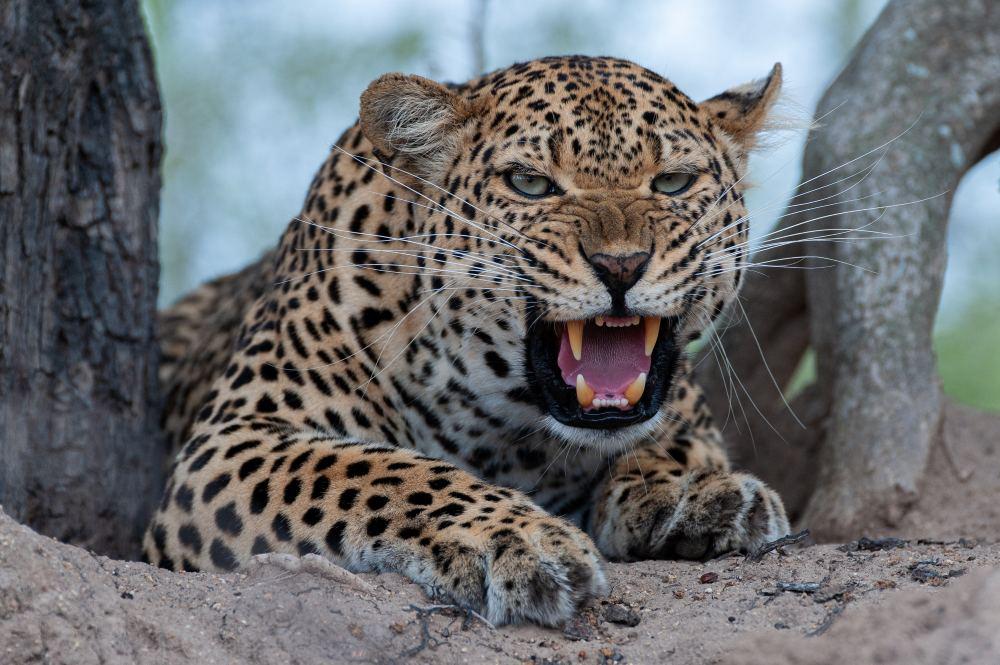
When discussing premier leopard hunting in Zimbabwe, few regions carry the same reputation as the Save Valley Conservancy. Located within Zimbabwe’s southeastern Lowveld, this vast wildlife conservancy has become internationally recognized for its free-range dangerous game safaris, strong wildlife management programs, and exceptional leopard populations. Hunters wanting broader information about the country can consult our complete Hunting in Zimbabwe guide.
Unlike many smaller fenced hunting areas found elsewhere in Africa, the Save Valley Conservancy forms part of a much larger transfrontier ecosystem supporting healthy populations of leopard, lion, elephant, buffalo, rhino, and numerous plains game species. This extensive habitat allows hunters to experience genuine African leopard hunts in remote terrain where wildlife still moves naturally across massive unfenced areas.
The conservancy is also widely respected for its role in wildlife rehabilitation and species protection, particularly involving black rhino conservation and anti-poaching initiatives. For many international and American hunters planning a dangerous game safari, the Save Valley remains one of the more established destinations for combining ethical wildlife management with challenging free-range leopard hunting opportunities in Africa.
[DYNAMIC-BLOGTABLEOFCONTENT]
Key Takeaways
- Zimbabwe remains one of Africa’s untamed dangerous game hunting destinations, offering hunters a wide array of game species to target, including four of Africa’s Big 5.
- While these hunts always present a challenge, many hunters consider leopard hunting to be the ultimate African hunting experience, with this elusive and highly dangerous predator remaining one of the most sought-after trophies in the world.
- Save Valley is renowned for its leopard trophies.
- This area remains a premier wildlife destination for leopard hunting in Zimbabwe, offering hunters the opportunity to experience an exciting hunting safari in the heart of Africa.
- Leopard hunting methods include baiting as well as hunting with hounds.
Zimbabwe: An Untamed Wilderness
- Zimbabwe remains a sought-after destination for hunting, and with its massive wilderness expanses, it is still classified as “wild Africa.”
- The majority of Zimbabwe consists of free-range hunts and the hunts take place without fences.
- Hunting in Zimbabwe is done mostly on foot, and although the rugged terrain is not exceptionally tough, hunters will need to be physically fit to navigate the hunting grounds.
- Zimbabwe's hunting concessions and game reserves can be a challenging experience, adding to the thrill of game hunting in Africa. Hunting areas are split into three main categories, namely government land, private and tribal. National Parks form feeder areas into the surrounding concession areas.
- Each of these hunting area categories has its own set of rules that need to be abided by.
- The game in Zimbabwe is plentiful. While many antelope populations were reduced during civil wars, recoveries have been very pleasing.
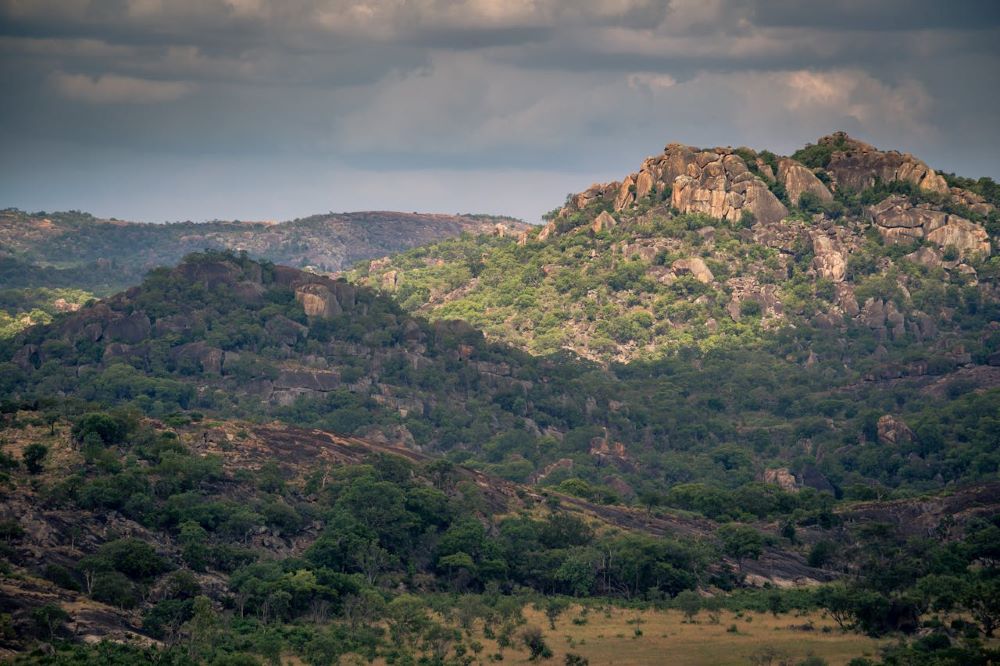
The Save Valley Conservancy
The Save Valley Conservancy was established in 1991 following a devastating regional drought that brought large-scale cattle farming and agricultural operations in the area to an end. Recognizing that wildlife conservation offered a more sustainable long-term future for the region, a group of 18 landowners joined together to create a cooperative wildlife conservancy focused on habitat restoration, species protection, and responsible safari management.
Today, the conservancy is regarded as one of Africa’s more significant privately managed wildlife areas and has earned international recognition for its role in restoring populations of endangered species and protecting large free-range ecosystems. The reintroduction of black rhino into the region became one of the conservancy’s defining conservation successes, while extensive anti-poaching initiatives and habitat management programs continue to support a wide range of species found throughout the Lowveld.
Located in Zimbabwe’s southeastern Lowveld, the Save Valley Conservancy forms part of the Greater Limpopo Transfrontier Conservation Area (GLTFCA), a massive cross-border conservation network linking protected wildlife areas across Zimbabwe, South Africa, and Mozambique. This broader ecosystem supports healthy populations of leopard, lion, elephant, buffalo, African wild dogs, and numerous plains game species, making the conservancy one of Southern Africa’s more respected regions for authentic dangerous game hunts and conservation-based safari experiences.
Beyond wildlife conservation, the conservancy also contributes toward local employment opportunities, anti-poaching support teams, infrastructure development, and rural community programs that help reinforce the long-term sustainability of the region’s wildlife economy.
Size & Location
- The Save Valley Conservancy is in Zimbabwe’s southeast Lowveld, about 93 miles south of Mutare and east of Masvingo.
- It is an area of roughly 750,000 acres
- Reaching it from main towns in Zimbabwe:
- From Mutare, individuals can travel less than 95 miles by road to reach the Conservancy
- From Harare, travelers can either drive roughly 250 miles by road, or charter flights are available, landing in nearby airstrips.
- To reach the Conservancy from Masvingo, a road transfer is often used.
Animal Species
When the Save Valley Conservancy was first established, more than 4,000 animals representing 14 different species were reintroduced into the region. This included one of the largest elephant translocation projects ever undertaken in Southern Africa, helping restore wildlife populations across the conservancy following years of environmental and agricultural decline.
Today, the conservancy supports a remarkable diversity of wildlife and remains one of Zimbabwe’s premier free-range safari ecosystems. Hunters visiting the region have the opportunity to pursue a wide variety of species while experiencing authentic dangerous game hunts in vast unfenced wilderness areas.
Species found within the conservancy include:
Africa’s Big 5, including lion hunts, African elephant hunts, leopard, rhino, and Cape buffalo hunts
Other dangerous game species such as hippo, Nile crocodile, and cheetah
African plains game including kudu, sable, zebra, wildebeest, bushbuck, nyala, waterbuck, and impala
Specialty species including baboon, warthog, giraffe, serval, civet, and brown hyena
Vulnerable wildlife populations such as African wild dogs (painted dogs) and black rhino
Extensive birdlife including southern ground hornbills, lappet-faced vultures, fish eagles, and numerous migratory species
The abundance and diversity of wildlife within the Save Valley Conservancy allow hunters to combine leopard safaris with other dangerous game and plains game hunting opportunities while experiencing one of Southern Africa’s more important conservation landscapes.
Why the Save Valley Produces Exceptional Leopard
Several factors contribute to the Save Valley Conservancy’s reputation as one of Zimbabwe’s leading leopard hunting regions. The conservancy’s vast unfenced habitat, healthy prey base, and limited hunting quotas all contribute toward producing mature toms in remote wilderness conditions.
The combination of river systems, thick bushveld, mopane woodland, and open savanna creates ideal leopard habitat while also supporting large populations of impala, bushbuck, warthog, baboon, and other prey species commonly targeted by leopard. Because the conservancy forms part of a broader transfrontier ecosystem, wildlife moves naturally across large areas without the pressure often associated with smaller fenced hunting properties.
Experienced Professional Hunters operating within the Save Valley also spend significant time monitoring leopard activity, bait sites, spoor movement, and territorial behavior before hunts even begin. This level of preparation, together with strict quota systems and conservation management practices, has helped establish the conservancy as one of the more respected free-range leopard hunting destinations in Southern Africa.
Why is Hunting in the Save Valley Popular?
The Save Valley Conservancy has earned a strong reputation among international hunters due to its combination of free-range wilderness, diverse wildlife populations, and conservation-focused safari management. Covering roughly 750,000 acres within Zimbabwe’s southeastern Lowveld, the conservancy allows hunters to experience authentic Zimbabwe hunting safaris in remote terrain where wildlife still moves naturally across vast unfenced areas.
The Save River system running through the conservancy provides an important year-round water source that attracts a wide variety of plains game and dangerous game species. This healthy prey base, together with extensive habitat diversity ranging from mopane woodland to open savanna and riverine vegetation, creates ideal conditions for African leopard hunts and other dangerous game hunting opportunities.
Another major attraction is the conservancy’s strong emphasis on sustainable wildlife management and species protection. Save Valley has become widely respected for its role in black rhino conservation, anti-poaching operations, and maintaining healthy populations of leopard, lion, elephant, buffalo, and African wild dogs within a large transfrontier ecosystem.
For many American and international hunters planning a leopard hunt in Zimbabwe, the Save Valley offers a more traditional safari experience where tracking, patience, fieldcraft, and free-range hunting conditions remain central to the hunt itself.
Target Species when Hunting in the Save Valley
The Save Valley remains a sought-after region for hunters wanting to experience the best of Zimbabwe hunting safaris with numerous hunting opportunities available:
- Dangerous Game Hunting, including elephant, lion, leopard, and Cape Buffalo
- African Plains Game, with species such as eland, waterbuck, zebra, impala, kudu, and many more.
- Specialty Species: Jackals and civets
- Members of the Tiny Ten, including duikers, steenbok, and klipspringer
- Bird Hunting opportunities focusing on pigeons, ducks, geese, and francolins.
The Challenges of Leopard Hunting in Zimbabwe’s Save Valley
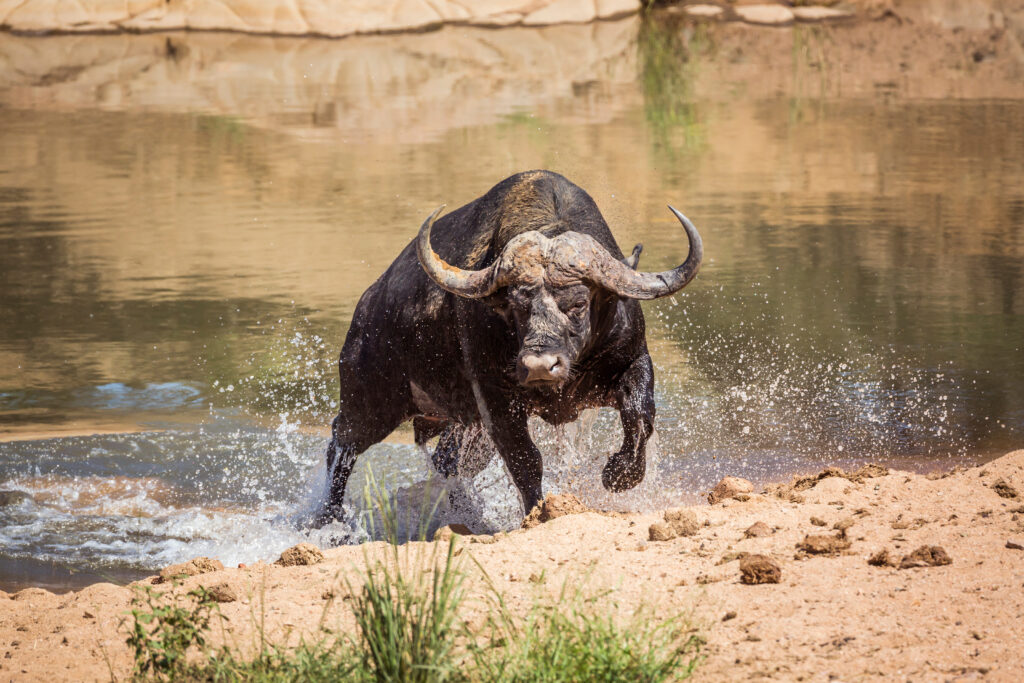
The Save Valley is renowned as a premier destination for leopard hunting, with quality trophies and exceptional dangerous game safari experiences. But it must be noted that no hunting is without risks and that most definitely includes hunting this member of Africa’s Big 5 and Dangerous 7.
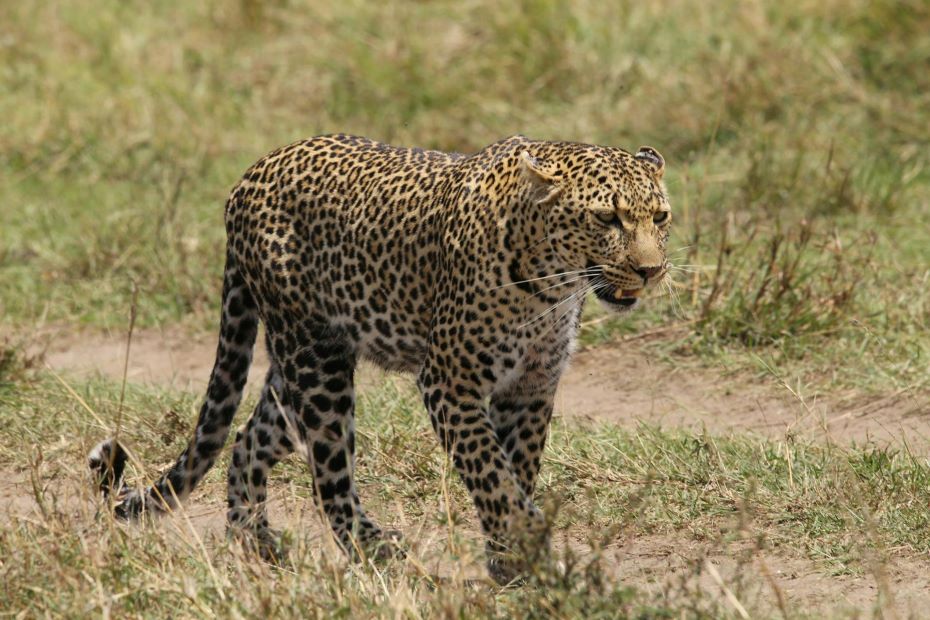
- Being nocturnal, this highly dangerous and elusive animal can be difficult to spot during the hunting safari, as it is well-versed in the art of camouflage and takes to the trees for cover and refuge.
- Leopards are known for their intelligence, tending to avoid areas where humans frequent or are sensed. Pre-baiting of the area may require several days of baiting before the leopard appears, if at all. They are naturally very cautious creatures, adding to the challenge of hunting and stalking them.
- The terrain and habitat of the Save Valley contribute to a testing hunt, with the diverse terrain, from dense deciduous woodland savannas, with mopane forests, and even open sections of veld, making it a physically demanding experience for hunters, as well as a mentally challenging one stalking and hunting this elusive African cat.
- A wounded leopard is seen as one of the most dangerous animals on earth, which brings us to the subject of leopard shot placement. Shot placement needs to be accurate, no, perfect to ensure not only a quick death for the animal and an ethical hunt but also to safeguard the hunting party against an angry and aggressive wounded leopard.
- A CITES permit is required for leopard hunting in Zimbabwe, with only a limited quota for hunting this species available, therefore requiring the hunter to book and plan the African hunt timeously.
How Leopards Are Hunted in Save Valley
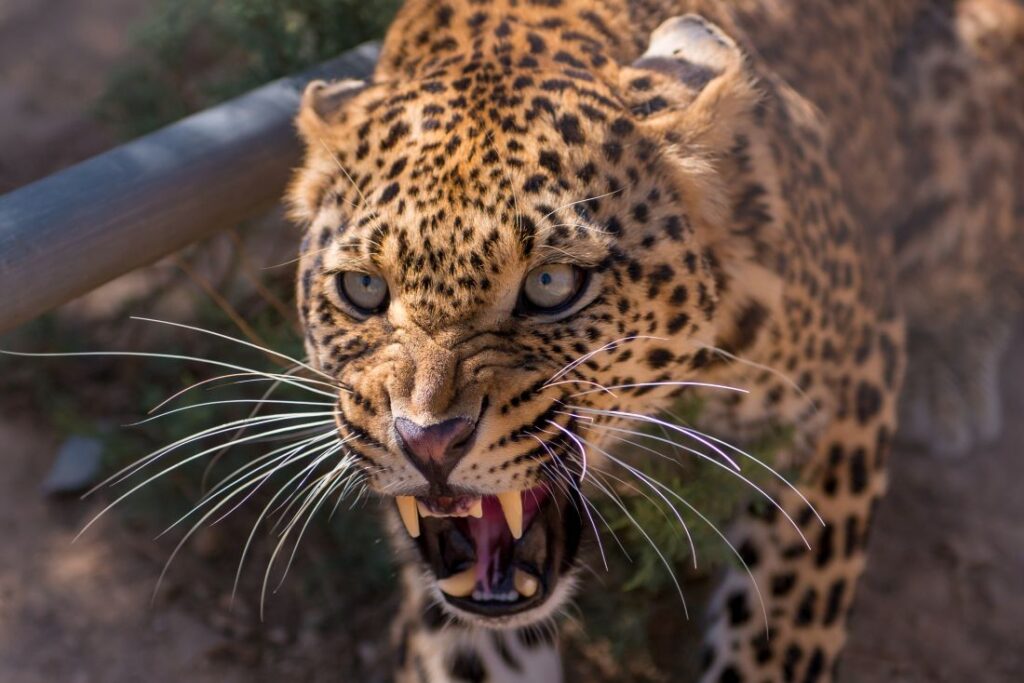
Leopard hunting is an exciting, yet highly dangerous hunt undertaken in wild Africa. There are two main hunting methods used for leopard hunting in Zimbabwe, firstly baiting and secondly, hunting with hounds.
The baiting method involves placing bait in areas that the leopard frequents. The Save Valley is an area with abundant African plains game and antelopes such as kudu, sable, and impala are used as bait, but it is often a case of whatever is available and what the leopards in the area are consuming. The bait is placed, and the wait is on to see whether the leopard will take to the bait and start eating. If this cunning African cat does start eating on the set bait, a temporary blind is then constructed and the wait starts for the leopard to return.
Using hounds when leopard hunting in Zimbabwe involves finding an area of fresh leopard tracks, allowing the hounds to track the leopard.
What Hunters Should Expect in Save Valley
The Save Valley is one of Africa’s prime wildlife areas and leopard hunting in the region is a bucket list activity for many hunters. For many, hunting the big five African game animals and harvesting them remains one of the pinnacles of hunting rewards and experiences.
Here are some tips to help ensure a successful hunting safari:
- Do your homework. Read up on leopard behavior, learn about hunting methods used on this dangerous African cat, and local rules and regulations about leopard hunting in Zimbabwe.
- Hunting leopards in Africa requires a minimum caliber of .375 with a 300-grain bullet. An expanding bullet tip is recommended. The rifle should be fitted with an excellent-quality tactical scope when hunting this highly dangerous and elusive species.
- As a follow-on to rifle requirements, a reminder that accurate shot placement is critical. A wounded leopard is one of the most dangerous animals to face, if not the worst. Ensure that your shot placement is spot on.
- Leopards are most active at dusk or night.
- Wear camouflage clothing as well as insect repellant, as the Save Valley has many bugs and insects during the warmer summer months.
- The best time to enjoy leopard hunts in the Save Valley is during the cooler months when there is increased visibility with less dense vegetation and reduced rainfall, the leopards are more active, and conditions are more comfortable.
- The Save Valley promotes sustainable hunting quotas for wildlife conservation. By participating in a regulated hunt, you contribute to local community projects benefiting areas such as infrastructure, medical services, and education.
- The Save Valley Conservancy has a wide range of species available to hunt, why not add a Cape buffalo or antelope species to your leopard hunting safari?
How Seasonal Conditions Affect Save Valley
While Zimbabwe’s hunting season runs throughout the year, the best time to hunt leopard is during the dry season, running from the end of April/beginning of May through to September.
There are several reasons why this time is more favorable:
- The weather during the cooler months ensures more comfortable conditions for hunters, with milder temperatures during the day and cooler temperatures in the evening rather than the hot temperatures during the summer months, which can be quite challenging. There are also fewer insects and bugs out when it is cooler, making for more pleasant conditions.
- The dry months result in less dense vegetation, allowing for easier spotting of game, including the leopard.
- Leopards are more active during the cooler months, making them more likely to approach the bait or be active during hunting hours.
Frequently Asked Questions
Why does Save Valley provide suitable habitat for leopards?
Save Valley combines mopane woodland, riverine vegetation, rocky ground and open savanna within an extensive free-range ecosystem. This varied habitat, together with healthy populations of impala, bushbuck, warthog, baboon and other prey species, provides suitable conditions for territorial leopards.
How large is the Save Valley Conservancy?
The Save Valley Conservancy covers roughly 750,000 acres in Zimbabwe’s southeastern Lowveld. Its scale and connection with the wider regional ecosystem allow wildlife to move naturally across large areas of varied habitat.
How are leopards managed within Save Valley?
Leopard hunting opportunities are controlled through quota allocation, licensing and conservation regulations. Professional Hunters and trackers also monitor spoor, bait sites, trail-camera photographs and territorial activity to identify mature toms. Hunters should confirm current quota and permit availability with the outfitter before booking.
What other dangerous game occurs in Save Valley?
Save Valley supports leopard, lion, elephant, Cape buffalo and other dangerous game alongside numerous plains game species. This diversity contributes to its reputation as an important free-range wildlife area. Hunters researching the continent’s best-known dangerous game animals can also consult our complete guide to Big Five Hunting.
Conclusion
The Save Valley Conservancy remains one of the more respected destinations for leopard hunting in Zimbabwe, combining vast free-range wilderness, strong wildlife management programs, and healthy dangerous game populations within one of Southern Africa’s largest privately managed conservation areas. For hunters seeking authentic African leopard hunts, the conservancy offers a rare combination of mature trophy potential, experienced Professional Hunters, and genuinely wild terrain where leopard hunting remains both challenging and unpredictable.
Beyond the leopard itself, the Save Valley’s broader conservation success and species diversity allow hunters to experience a complete dangerous game safari within an important transfrontier ecosystem that continues to support wildlife restoration and anti-poaching initiatives across the region.
Whether visiting Zimbabwe for a first dangerous game safari or returning for another African hunting adventure, the Save Valley Conservancy continues to stand among the continent’s more respected free-range leopard hunting destinations.
Hunters comparing available concessions, species and properly structured safaris can also explore our current African Hunting Trips before confirming an outfitter and hunting area.
About the Author
Pierre van Wyk is co-founder of Game Hunting Safaris and has extensive experience hunting dangerous game and plains game across Southern and Central Africa. Having spent time in some of Africa’s leading safari regions, Pierre has participated in elephant hunts, leopard safaris, and a variety of free-range dangerous game expeditions. His writing focuses on realistic African hunting experiences, wildlife conservation, safari preparation, and the practical realities of hunting in remote African wilderness areas.