
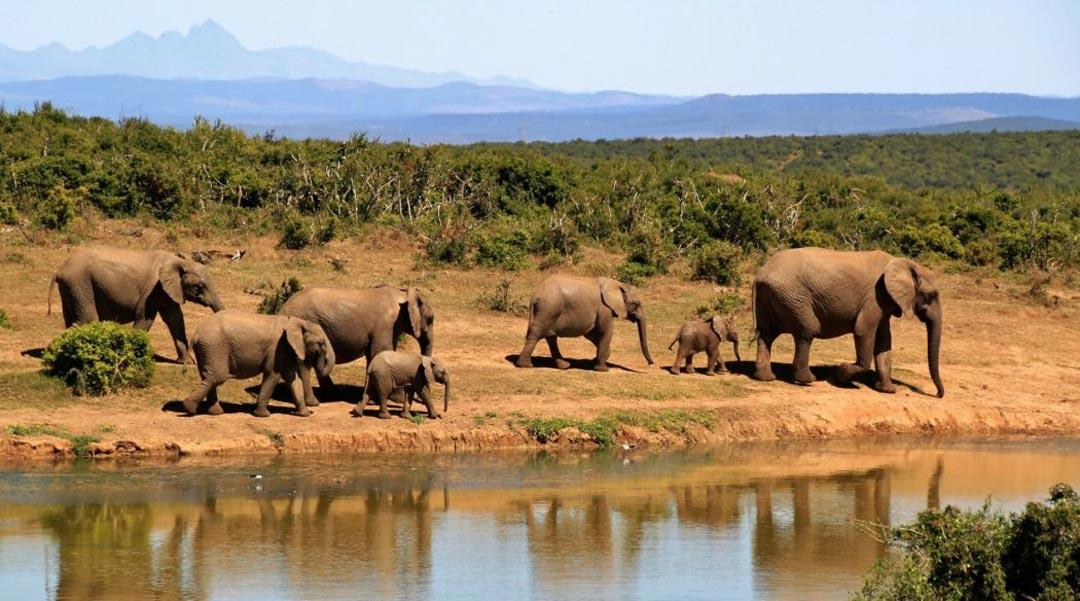
Africa offers some of the world's finest big game hunting, but there is no single destination that suits every hunter. A Cape buffalo safari in Zimbabwe bears little resemblance to hunting plains game across Namibia's open landscapes, while pursuing elephant in Botswana demands different expectations again. Choosing the right safari begins with understanding those differences.
From traditional Big Five Hunting to classic plains game species such as kudu and impala, Africa offers remarkable variety in both the animals available and the way they are hunted. The country you choose, the hunting area, the terrain and the style of safari all influence the experience, making careful planning just as important as deciding which species you hope to pursue.
This guide explains what makes Africa's leading Big Game Hunting destinations different, what first-time hunters should expect and how to choose the safari that best matches your hunting goals.
Understanding Big Game Hunting in Africa
Big game hunting in Africa is unlike hunting anywhere else in the world. It is not defined by a single species or destination, but by the sheer variety of landscapes, wildlife and hunting traditions found across the continent. From tracking Cape buffalo through thick mopane woodland to glassing for eland across open plains or waiting patiently for a mature leopard to approach a bait, every safari presents its own challenges and rewards.
Africa is home to an extraordinary range of huntable species, including the iconic Big Five alongside dozens of plains game animals found nowhere else on earth. Just as importantly, each country offers its own style of hunting. South Africa provides exceptional diversity and accessibility, Zimbabwe is renowned for traditional tracking safaris, Tanzania offers vast wilderness hunting blocks, while Namibia and Botswana each provide their own distinctive hunting environments. Understanding those differences is the first step towards planning a safari that matches your expectations.
Unlike other hunting destinations, an African safari is rarely about a single day in the field. It is an immersive hunting adventure that often unfolds over several days as hunters work closely with Professional Hunters, trackers and camp staff. Every stalk, every fresh track and every decision becomes part of the story, making the journey just as important as the trophy itself.
What Makes African Big Game Hunting Different?
Planning an African hunting safari involves far more than choosing a country and booking a date. Every destination has its own regulations, hunting traditions, terrain and game species, and understanding those differences before you arrive is one of the keys to a successful safari.
African safaris are built around experienced Professional Hunters, trackers and camp staff working together as a team. Before the first stalk even begins, they have already considered recent animal movements, prevailing winds, water sources and countless other factors that influence where the hunt will take place. Their local knowledge allows hunters to focus on the challenge of the hunt while knowing that safety, ethical hunting practices and legal requirements are being carefully managed.
Preparation is equally important. Every safari requires planning, from selecting suitable rifles and ammunition to understanding travel requirements, firearm permits and the species you intend to hunt. Taking the time to prepare properly allows you to spend less time worrying about logistics and more time enjoying the hunt itself.
Perhaps most importantly, African hunting rewards hunters who arrive with realistic expectations. Some days unfold exactly as planned, while others are shaped by changing winds, fresh spoor or animals that simply refuse to cooperate. That unpredictability is part of what has drawn hunters to Africa for generations, and it remains one of the reasons no two safaris are ever quite the same.
Combining Adventures
One of the advantages of hunting in Africa is the opportunity to combine different types of hunting during the same safari. A hunter may spend several days tracking Cape buffalo through remote wilderness before shifting focus to a traditional Plains Game Hunt, pursuing species such as kudu, impala, zebra or wildebeest. This combination not only offers greater variety but also allows hunters to experience different landscapes, hunting methods and challenges within a single trip, creating a more complete African safari.
Evaluating Top Hunting Destinations
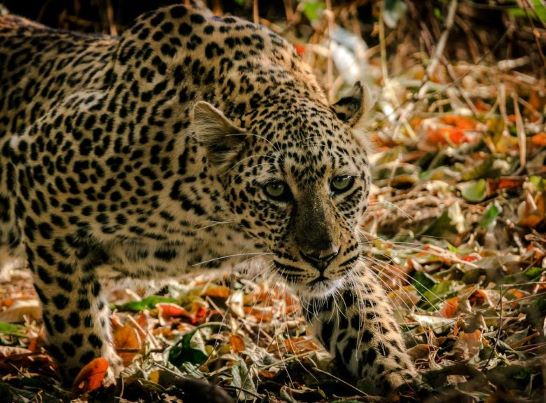
No two African hunting destinations are exactly alike. Some are renowned for traditional tracking safaris through vast wilderness, while others are known for exceptional plains game diversity or specific dangerous game species. Understanding what each country does best is the first step towards choosing the right African hunting safari.
South Africa
Hunting in South Africa offers one of the widest selections of game species on the continent, supported by established hunting infrastructure, experienced professional hunters and a broad range of hunting areas. Opportunities range from plains game such as kudu and impala to dangerous game, including Cape buffalo, elephant, lion and rhino where legally available. With relatively straightforward travel logistics and safari options suited to both first-time visitors and experienced hunters, South Africa remains one of Africa's most popular hunting destinations.
Namibia
Namibia’s vast, open landscapes make it perfect for those seeking a challenging African hunting safari. Known for its desert-adapted species, this country lets hunters experience unique game such as the Oryx and Springbok. The sparsely populated areas mean there’s less human disturbance, providing a more natural hunting experience. Participants often work with experienced guides who ensure a safe and lawful safari, adding to the allure of Namibia as a hunting destination.
Zimbabwe
Hunting in Zimbabwe is known for traditional, tracking-focused safaris conducted across large wilderness areas and established hunting concessions. The country is particularly well regarded for elephant and Cape buffalo hunting, alongside opportunities for lion, leopard and plains game. Zimbabwe's experienced professional hunters and trackers, combined with its extensive wild country, continue to make it a popular destination for hunters seeking a classic African safari.
Tanzania
Tanzania Hunting Safaris are known for vast hunting blocks, remote wilderness and the traditional feel of a classic East African safari. The country offers opportunities to pursue lion, leopard, Cape buffalo, elephant and a wide variety of plains game across some of Africa's most expansive hunting areas. Long safari durations and the sheer scale of the country make Tanzania particularly appealing to hunters seeking a true expedition-style hunt.
Botswana
Hunting in Botswana offers access to vast wilderness areas and is particularly well known for its elephant hunting opportunities. The country's low-volume approach to hunting, combined with carefully managed quotas and community-based conservation initiatives, appeals to hunters seeking a remote African safari in areas with relatively little hunting pressure.
Together, these destinations offer very different landscapes, species and styles of hunting, giving hunters plenty to consider when planning their next African safari.
Factors to Consider When Choosing a Hunting Destination
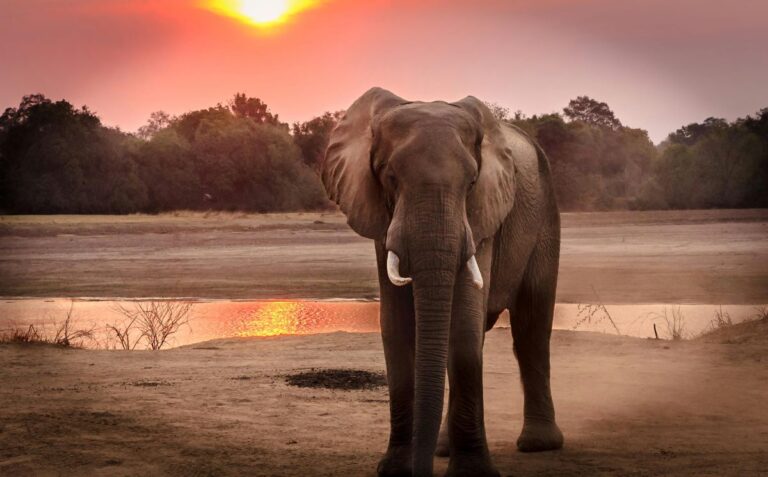
Choosing where to hunt in Africa involves far more than comparing countries on a map. The species available, the hunting area, the style of safari and your own expectations all influence which destination is right for you. Hunters who take the time to consider these factors before booking are far more likely to enjoy a safari that matches the hunt they have always imagined.
Start With the Hunt You Want
One of the first decisions when planning an African safari is deciding what you want the hunt to look like. The answer often determines the best destination more naturally than simply comparing countries.
A hunter pursuing an old Cape buffalo bull through remote wilderness will usually choose a very different safari from someone planning a traditional Plains Game Hunt or hoping to complete a Big Five Hunting safari. Likewise, a hunter looking for several representative African trophies may favour destinations offering exceptional species diversity, while someone chasing a single mature leopard or elephant will often place far greater emphasis on the hunting area itself.
Defining your hunting goals before comparing destinations makes the decision far easier and helps ensure the safari you book matches the experience you want in the field.
Every Hunting Area Tells a Different Story
It is easy to compare countries, but experienced hunters often compare hunting areas instead.
The terrain beneath your boots shapes almost every part of the safari. Thick mopane woodland demands slow, methodical tracking, while open savannah often requires longer stalks and greater emphasis on glassing. River systems, floodplains, mountains and thornveld each create their own hunting challenges, influencing how game moves, where animals feed and the opportunities a hunter is likely to encounter.
Two safaris in the same country can feel completely different simply because they take place in different hunting areas. That is one of the reasons choosing the right hunting trip is often more important than choosing a destination on a map. Professional Hunters often talk about "reading the country" before they begin hunting. Fresh tracks in soft river sand tell a different story from spoor crossing dry rocky ground, while thick jesse bush demands a completely different approach from open grasslands.
Understanding the country you are hunting becomes part of the challenge, and it is one of the reasons many hunters return to Africa again and again.
Game Variety Is Only Part of the Decision
Every hunter has a wish list of species, but the number of animals available should never be the only factor influencing where you hunt. Some destinations are renowned for exceptional dangerous game, while others excel because of their diversity of plains game or the opportunity to combine several species during one safari.
Rather than asking which country offers the longest species list, consider which destination offers the type of hunting you enjoy most. A safari that matches your expectations will almost always be remembered more fondly than one chosen simply because it offered another species or two. Hunters comparing destinations should also understand the differences between dangerous game hunts and traditional plains game hunts before making a decision.
Every Safari Has Its Own Style
No two African hunting safaris are exactly alike. Some hunts involve walking many miles each day behind experienced trackers, while others combine hunting with game viewing, photography and time around camp. Accommodation can range from comfortable tented camps deep in the wilderness to luxury safari lodges offering every modern convenience.
Understanding the style of safari you want is just as important as choosing the animals you hope to hunt. The best destination is not always the most famous one, but the one that matches your expectations both in the field and back at camp.
Africa Changes the Way You Hunt
One of the biggest surprises for first-time visitors is that hunting in Africa rarely unfolds at the pace they expect.
The days begin before sunrise, often with coffee around the fire while trackers discuss where game crossed the roads during the night. Once boots are on the ground, the hunt settles into a rhythm dictated by the animals rather than the clock. Plans change when fresh spoor is found, the wind shifts or a herd disappears into thick cover. Success often comes to the hunters who are willing to slow down, observe and trust the experience of the people around them.
For someone hunting Africa for the first time, it can take a day or two to adjust. Back home, hunting often revolves around stands, blinds, feeders or familiar ground. Africa asks something different. Every morning brings new country to explore, fresh tracks to interpret and decisions that can change within minutes. You quickly learn that the hunt is rarely about covering the most ground. It is about moving carefully, paying attention to small details and allowing the bush to reveal its clues one step at a time.
By the end of the safari, hunters often discover that Africa has changed the way they think about hunting. Patience becomes more important than rushing. Reading tracks becomes just as satisfying as pulling the trigger. The stories shared around the campfire, the people you hunted beside and the moments when everything finally came together often become every bit as memorable as the trophies themselves.
Conservation and Responsible Hunting
Successful hunting destinations are built on responsible wildlife management. Well-regulated hunting quotas, habitat conservation and support for local communities all contribute to healthy wildlife populations and sustainable hunting opportunities for future generations.
Before booking any safari, hunters should ensure they are working with reputable outfitters who operate legally, follow ethical hunting practices and understand the regulations that apply in their hunting areas.
Ethical hunting extends beyond following regulations. Responsible hunters respect wildlife, support sustainable management practices and understand the important role that regulated hunting plays in conserving habitat and generating income for local communities. Choosing experienced outfitters who operate within these principles helps ensure that Africa's hunting traditions remain sustainable for future generations.
Hunting With a Professional Hunter
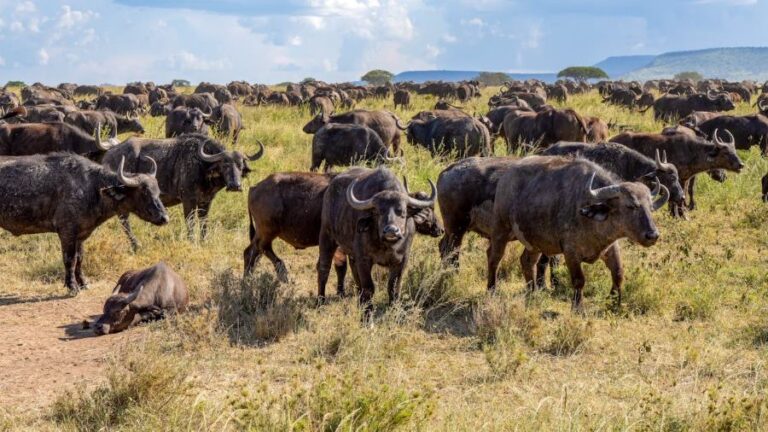
One of the biggest differences between hunting in Africa and many other parts of the world is the role of the Professional Hunter (PH). While the hunter always makes the final decision to take the shot, a successful safari is very much a team effort built around the experience of the PH, trackers and camp staff.
Long before an opportunity presents itself, your PH is making countless decisions that influence the hunt. He is reading the wind, interpreting fresh spoor, deciding whether to continue a stalk or back out, judging the age and quality of an animal, and constantly balancing the chance of success against the risk of pushing game too hard. These decisions often determine whether a hunt ends with a handshake around the campfire or another day spent tracking.
A first-time hunter is often surprised by how much information an experienced PH can gather from the smallest details. A single track crossing a sandy road, a broken branch, the behaviour of birds or the direction in which a herd fed before sunrise all help build a picture of where game is likely to be. Working alongside experienced trackers, the PH turns those small clues into a practical hunting plan.
Perhaps the greatest value a Professional Hunter brings is knowing when not to take the next step. Sometimes the wind changes. Sometimes the animal becomes alert. Sometimes backing away and trying again later is the decision that ultimately leads to success. That judgement comes from years spent hunting African game, and it is one of the reasons so many first-time visitors leave with a new appreciation for the skill involved in a traditional African safari.
Success Is Measured Differently by Every Hunter
Ask a group of experienced hunters about their favourite African safari and the answers are rarely the same. One hunter may remember taking an old Cape buffalo bull after several days of tracking through thick mopane. Another may talk about a leopard finally appearing on bait after days of waiting. Someone else may hardly mention a trophy at all, choosing instead to describe watching elephant move quietly through the bush at first light or sharing a first safari with a son, daughter or lifelong friend.
The truth is that the memories which stay with hunters are often the moments between the trophies. The long walks behind experienced trackers, reading fresh spoor in the sand, hearing francolin call before sunrise or sitting around the campfire replaying the day's events frequently become just as meaningful as the animals taken.
That is why choosing the right safari is about far more than selecting a country or chasing the longest species list. The destination, the hunting area, the Professional Hunter and the style of hunt all contribute to the memories you will take home.
The most successful African safaris are not measured only by what hangs on the wall afterwards. They are measured by whether the hunt delivered exactly what you hoped to find when you first decided to come to Africa.
Conclusion
There is no single best place to hunt in Africa. The right destination depends on the species you want to pursue, the style of safari you enjoy and the type of memories you hope to take home.
Some hunters are drawn to tracking old buffalo bulls through remote wilderness. Others dream of a classic plains game safari, pursuing the Big Five or simply spending time in some of Africa's last truly wild places. Every destination offers something different, and understanding those differences is one of the most important parts of planning a successful safari.
If you are comparing destinations, species and safari styles, exploring our Hunting Trips can help you find the African hunting safari that best matches your goals before making your final decision.
Frequently Asked Questions
What are the top destinations for big game hunting in Africa?
South Africa, Botswana, Tanzania, and Namibia are the top destinations for big game hunting. Each offers unique wildlife experiences, from South Africa’s Big 5 and plains game to Namibia’s desert-adapted species. Tanzania is known for its untouched wilderness and big cat populations, while Botswana provides exclusive, low-volume safaris focused on ethical practices and conservation.
Why is preparation crucial for a hunting safari in Africa?
Preparation is vital for ensuring a safe and successful hunting safari. It involves selecting the appropriate gear, understanding legal requirements, and researching destination-specific regulations. Proper preparation enhances the hunting experience and ensures adherence to conservation and ethical practices.
What are the ethical considerations in big game hunting in Africa?
Ethical considerations include practicing fair chase, ensuring humane kills, and respecting local customs and regulations. Ethical hunting supports conservation efforts, as revenue from hunting often funds projects that benefit local communities and ecosystems. Hunters are encouraged to understand and follow local laws and obtain necessary permits.
How do professional hunters contribute to African hunting safaris?
Professional hunters ensure safety and excitement during safaris by using their expertise to navigate landscapes and understand game behavior. They meticulously plan hunts, help comply with regulations, and secure permits, fostering conservation and ethical practices. Their local connections enhance the safari experience and support local economies.
What should hunters consider when choosing a hunting destination?
Hunters should consider game variety, regulations, conservation efforts, accessibility, and accommodations. Different regions offer unique species, with South Africa providing Big 5 and plains game, and Tanzania known for big cats. Understanding local laws and ensuring sustainable practices are key to selecting a suitable destination for an ethical and rewarding experience.