
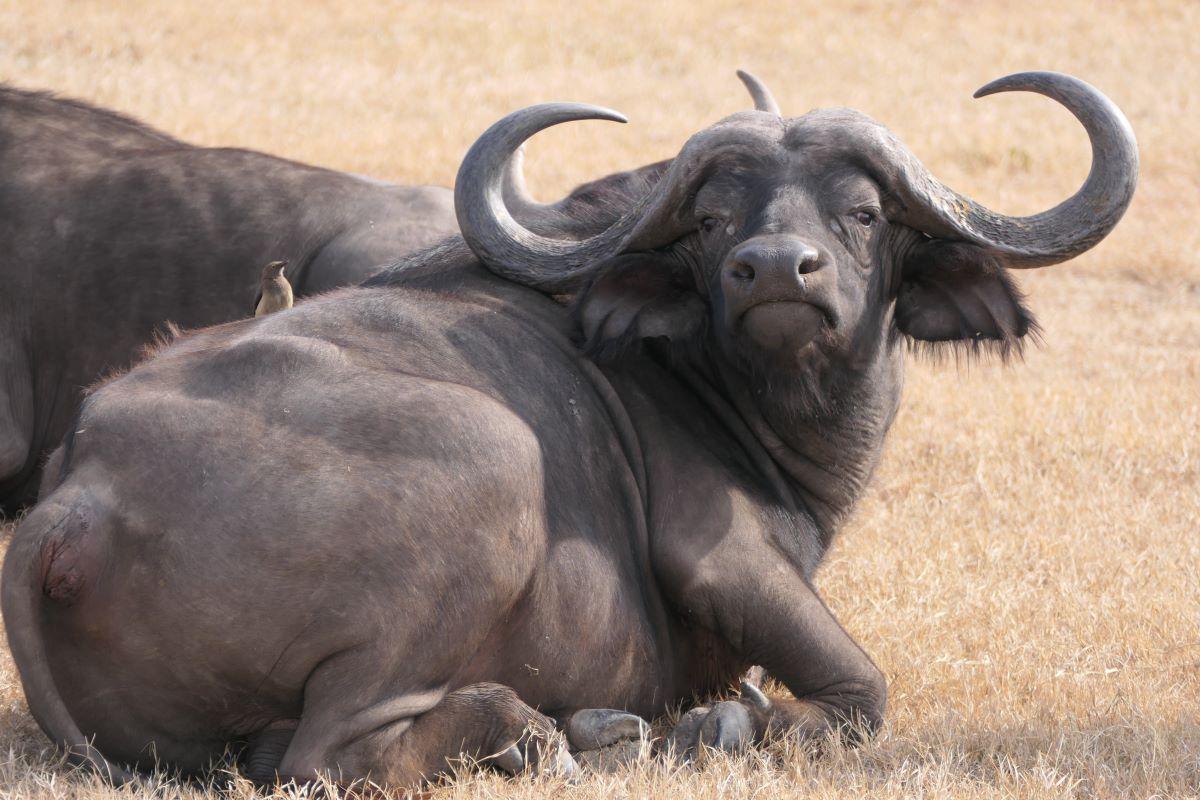
Cape buffalo hunting is unlike almost any other safari in Africa. Not because the buffalo is the continent's largest dangerous game animal, or even because of its reputation as "Black Death." What sets a Cape Buffalo Hunt apart is that success depends on far more than accurate shooting. Every decision, from reading the wind and following fresh spoor to knowing when not to take another step, becomes part of a carefully planned stalk where patience often matters more than speed.
For hunters, the greatest surprise is that a Cape buffalo safari is rarely defined by the shot itself. The memories that last are often the hours spent tracking through thick bush, watching experienced trackers interpret signs that others would miss, and seeing how a professional hunter quietly makes dozens of decisions long before a rifle is ever raised. It is these moments that make Dangerous Game Hunting unlike any other pursuit in Africa.
This guide explores what truly makes Cape buffalo hunting so different, offering practical insights into the hunt itself and helping hunters understand why pursuing this iconic animal leaves such a lasting impression on those fortunate enough to experience it.
[DYNAMIC-BLOGTABLEOFCONTENT]
Key Takeaways
- Cape buffalo hunting is as much about decision-making as shooting, with trackers, wind, terrain and patience all playing a role in a successful hunt.
- The shot is only one part of the safari. Hours of tracking, careful observation and knowing when not to move often define the hunt far more than the final shot.
- Professional hunters constantly make decisions hunters rarely notice, from reading buffalo behaviour to adapting the stalk as conditions change.
- Every Cape buffalo hunt unfolds differently, making flexibility, teamwork and fieldcraft more important than following a fixed plan.
- Respect for the buffalo comes from understanding the hunt, not simply harvesting the trophy, which is why it remains one of Africa's most admired dangerous game animals.
- Hunters who understand how Cape buffalo behave enjoy a more rewarding safari, whether it is their first dangerous game hunt or one of many.
It Starts Long Before You See a Buffalo
Many hunters imagine a Cape buffalo hunt begins the moment a herd comes into view. In reality, the hunt often starts several hours earlier. Before a buffalo is ever seen, experienced trackers are already reading fresh spoor, studying broken grass, testing the wind and quietly piecing together where the herd travelled during the night. What appears to be an ordinary game trail can reveal whether the buffalo were feeding, travelling with purpose or settling into thick cover before the heat of the day.
This is where buffalo hunting separates itself from most other African safaris. Rather than simply covering ground in search of game, every step has a purpose. A slight change in the wind, fresh dung on the track or the alarm call of a nearby bird can completely change the direction of the stalk. Sometimes the trackers move steadily for kilometres without hesitation. At other times they stop without a word, studying the ground or exchanging a quiet glance before deciding on the next move. Those small decisions, repeated throughout the day, often determine whether the hunters eventually catch up with the herd.
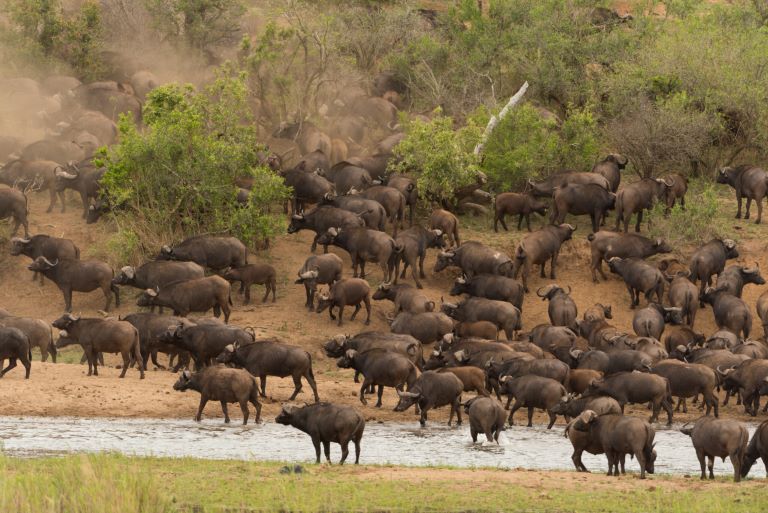
Buffalo hunting is built around understanding behaviour rather than simply locating an animal. A herd that crossed a road at first light may already have changed direction more than once. An old dagga boy may separate from the herd altogether, choosing thicker cover where he feels secure. Every fresh track raises another question, and every answer shapes the next decision.
By the time the buffalo finally appear, the hunt has already been unfolding for hours. The shot may become the photograph that hangs on the wall, but the tracking, patience and teamwork required to reach that moment are what most hunters remember long after the safari has ended.
Buffalo Rarely Follow the Script
One of the biggest misconceptions about Cape buffalo hunting is that once a herd has been located, the difficult part is over. Veteran professional hunters know the opposite is often true. Finding buffalo is only the beginning. Successfully approaching them without being detected is where the real challenge begins.
Buffalo are constantly responding to their surroundings. They feed, rest, change direction and react to the slightest changes in wind, sound and movement. A herd that appeared to be travelling in one direction may suddenly stop, double back or disappear into thick cover without warning. An old dagga boy may separate from the herd altogether, forcing the hunting team to abandon one plan and quietly develop another.
Unlike many hunts where success is measured by covering ground quickly, buffalo hunting rewards patience and good judgement. It is not unusual for a carefully planned stalk to be abandoned simply because the wind changes or the buffalo move into terrain that offers no safe approach. Walking away may feel frustrating at the time, but experienced hunters understand that forcing the situation rarely ends well.
This constant need to adapt is one of the reasons Cape buffalo hunting commands respect. The hunt is never simply about following tracks or closing the distance. It is about understanding an animal that continues making decisions of its own, requiring the hunting team to adjust their plans until the right opportunity finally presents itself.
Every Member of the Hunting Team Has a Role
Cape buffalo hunting feels different in that success is rarely the work of one person. While the hunter ultimately takes the shot, reaching that moment depends on the combined skill of the entire hunting team. Every member has a specific role, and each decision builds on the one before it.
The trackers are often the first to read the story unfolding on the ground. Fresh spoor, broken branches, disturbed grass and even the smallest change in the soil can reveal where the buffalo travelled, how quickly they were moving and whether they are likely to be feeding or resting. What may appear insignificant to most hunters often provides all the information needed to decide which direction the stalk should continue.
The professional hunter is responsible for turning that information into a plan. Every decision, from choosing the safest route to judging the wind and selecting the right moment to move, is made with the buffalo's behaviour in mind. The objective is never simply to get closer. It is to approach without being detected while creating the best possible opportunity for a safe, ethical shot.
The hunter also has an important role, as Buffalo hunting rewards patience far more than haste. Remaining quiet, following instructions and trusting the pace of the hunt become just as important as accurate Buffalo Shot Placement. The most difficult part is often resisting the temptation to rush when the buffalo finally come into view.
When each member of the team works together, the hunt develops almost without conversation. A glance, a hand signal or a quiet nod is often enough to communicate what needs to happen next. It is this teamwork, built on experience and trust, that allows the hunting team to close the distance on one of Africa's most respected dangerous game animals.
The Last Hundred Yards Change Everything
Hours of tracking often come down to the final hundred yards. It is here that Cape buffalo hunting changes completely. Conversations stop, movements become slower and every member of the hunting team becomes intensely focused on the buffalo ahead. The pace of the hunt is no longer determined by the trackers. It is dictated by the buffalo.
At this distance, every sound and movement matters. A snapped twig, a shifting breeze or a careless step onto dry leaves can end the stalk in seconds. Veteran professional hunters constantly study the wind, the position of the herd and the surrounding cover, looking for the safest route that offers both a clear shot and a reliable recovery if required. Progress that took hours to achieve can disappear in an instant if the buffalo detect something they do not like.
Buffalo rarely stand exactly where hunters would prefer them to. Cows may move between the hunter and the bull, younger bulls may block the shot or the entire herd may slowly drift into thicker cover. It is not unusual to wait several minutes, sometimes much longer, for a mature bull to present a safe, ethical opportunity. Patience during these final moments often determines whether the hunt continues or whether the team quietly slips away to begin the process again another day.
These final hundred yards are often remembered more vividly than the shot itself. The silence, the concentration and the knowledge that every decision matters create a level of focus unlike almost any other form of hunting. By the time the rifle is finally raised, the shot feels less like the climax of the safari and more like the natural conclusion to hours of careful planning, teamwork and discipline.
Sometimes Walking Away Is the Right Decision
One of the hardest lessons in Cape buffalo hunting is learning that not every opportunity should become a shot. After hours of careful tracking and a perfectly executed stalk, the hunting team may finally find themselves within range, only for the professional hunter to quietly decide that the hunt should not continue.
The reasons are rarely obvious at first. The wind may begin to shift, placing the hunters at risk of being detected. Cows or younger bulls may move into the line of fire, the chosen bull may turn away at the wrong moment or thick vegetation may prevent a clear view of the vital area. Sometimes the safest and most ethical decision is simply to wait. Other times it is to leave altogether and begin tracking again the following day.
Walking away can feel frustrating after investing so much time and effort, particularly when the bull is finally within range. Veteran professional hunters see it differently. They understand that patience is part of the hunt and that forcing a poor opportunity can result in a wounded buffalo, a dangerous follow-up through thick cover and, in the worst cases, no trophy at all. Waiting for the right opportunity is not hesitation. It is good judgement built on experience.
Choosing not to shoot demonstrates the same discipline as making the right shot. It reflects respect for the animal, confidence in the hunting team and an understanding that a successful buffalo safari is measured by far more than the outcome of a single moment. It is one of the reasons Big Game Hunting in Africa demands patience, sound judgement and respect from every hunter who steps into the field.
The Shot Is Only the Beginning
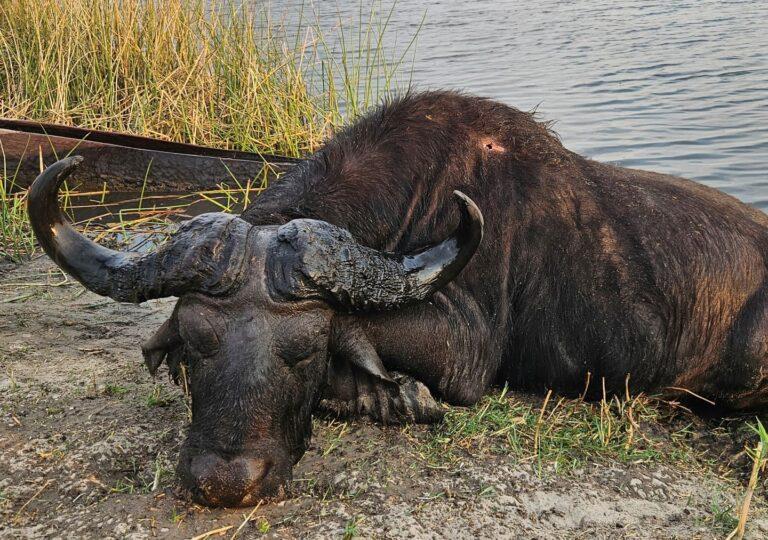
A well-placed shot marks an important milestone, but it does not immediately signal the end of the hunt. Veteran professional hunters remain focused, carefully watching the buffalo's reaction and allowing the situation to unfold before making any decisions. Rushing forward too quickly is never part of the process.
Even an excellent shot does not always bring a buffalo down immediately. Their remarkable strength and determination mean they may continue moving for some distance before finally coming to rest. It is not unusual for a follow-up shot to be required, and experienced hunting teams are always prepared for that possibility. The objective is not simply to fire another shot, but to ensure the buffalo is brought to a quick, humane conclusion while protecting everyone involved.
Even when a buffalo appears to be down, the approach is made with patience and caution. Every movement is deliberate, every observation shared quietly between the trackers and the professional hunter. There is an old saying among dangerous game hunters that the most dangerous buffalo is one you believe is already dead. Whether taken literally or simply as a reminder never to become complacent, it reflects the respect every hunting team has for these remarkable animals.
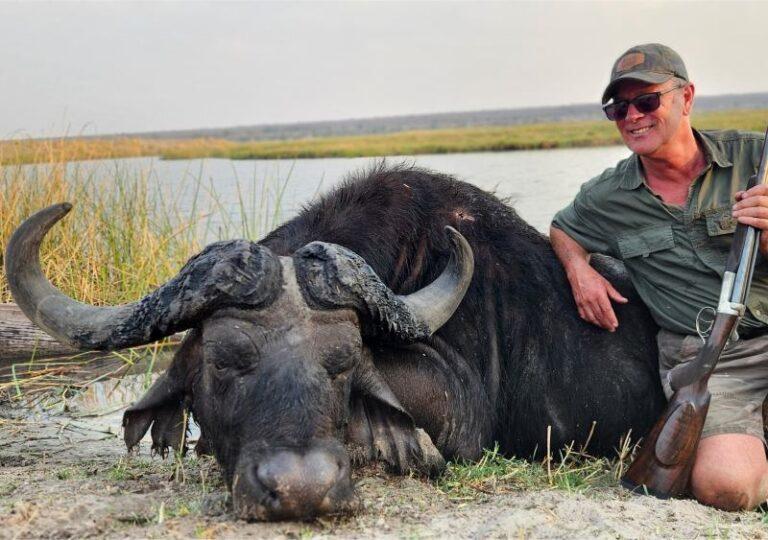
Only once the team is satisfied that the situation is safe does the atmosphere begin to change. The tension that has quietly built throughout the day gives way to reflection. Congratulations are exchanged, photographs are taken and the significance of the hunt begins to sink in. Hours of tracking, careful planning and disciplined decision-making have all led to this single moment.
Looking back, the shot itself often occupies only a small part of the story. What remains are the memories of the stalk, the teamwork, the decisions made along the way and the respect earned for one of Africa's most iconic game animals.
Why Cape Buffalo Earn So Much Respect
Ask ten veteran professional hunters which African animal has taught them the most, and Cape buffalo will appear near the top of almost every list. That respect is not earned because buffalo are simply large or dangerous. It comes from the way they hunt, the decisions they force hunters to make and the patience they demand from everyone involved.
A successful buffalo safari is rarely remembered because of a horn measurement alone. Hunters remember the first fresh spoor crossing the road at sunrise, the quiet confidence of the trackers, the moment the wind suddenly changed or the decision to walk away when the opportunity was not quite right. Those are the moments that stay with people long after the trophy has been measured and the photographs have been taken.
Perhaps that is why Cape buffalo have earned their place among Africa's Big Five Hunting species. They reward preparation over haste, discipline over impatience and teamwork over individual achievement. Every successful hunt reflects the combined efforts of the trackers, the professional hunter and the hunter himself, all working together towards the same goal.
Cape buffalo hunting is remembered not because it is easy, but because it demands so much from those who pursue it. The respect it commands is earned one careful decision at a time, making every successful safari feel less like a trophy hunt and more like the culmination of skill, patience and trust.
Why the Hunt Stays With You
Cape buffalo hunting has earned its reputation not because it is simply one of Africa's most challenging hunts, but because every stage of the safari demands patience, discipline and good judgement. From reading fresh spoor at first light to making the difficult decision to walk away when conditions are not right, success is built on hundreds of small decisions rather than a single moment.
Long after the safari has ended, the memories that remain are rarely limited to the trophy itself. Hunters remember the trackers reading the ground, the quiet confidence of the professional hunter, the final hundred yards and the teamwork that made everything possible. Those lessons continue to shape the way many hunters view not only buffalo hunting, but African hunting as a whole.
Perhaps that is what truly makes Cape buffalo hunting so different. The trophy may last a lifetime, but it is the journey leading to that moment that hunters remember most.
Hunters considering the hunt itself can explore our Cape Buffalo Hunts page for destinations, current opportunities, costs and safari planning.
Frequently Asked Questions
Why is Cape buffalo hunting considered so difficult?
Cape buffalo hunting demands far more than accurate shooting. Success depends on reading the wind, following fresh spoor, understanding buffalo behaviour and working closely with experienced trackers and a professional hunter. Every hunt unfolds differently, making patience and good judgement just as important as marksmanship.
Why do professional hunters sometimes decide not to take the shot?
A veteran professional hunter may decide to walk away if the wind changes, the shot angle is unsafe, cows move into the line of fire or visibility is poor. Waiting for a better opportunity helps prevent wounded buffalo, improves hunter safety and increases the chances of a clean, ethical harvest.
Why is teamwork so important during a Cape buffalo hunt?
A successful buffalo hunt depends on every member of the hunting team. Trackers interpret spoor and movement, the professional hunter plans the stalk and manages safety, while the hunter follows instructions and waits for the right opportunity. Success is built on trust and communication rather than individual effort.
Can a Cape buffalo require more than one shot?
Yes. Even with excellent shot placement, Cape buffalo are exceptionally tough animals and may remain on their feet after the initial shot. Professional hunters are always prepared to deliver a prompt follow-up shot when necessary to ensure a quick, humane conclusion and maintain the safety of everyone involved.
Why is the final approach so important?
The last hundred yards often determine the outcome of the entire safari. At close range, a slight change in the wind, an unexpected movement or a snapped twig can alert the buffalo and end the stalk. Remaining patient and disciplined during these final moments is one of the defining characteristics of successful buffalo hunting.
What makes Cape buffalo different from other dangerous game animals?
Every dangerous game species presents its own challenges, but Cape buffalo constantly test a hunter's patience, decision-making and ability to adapt. Their unpredictable behaviour, keen senses and preference for thick cover make every stalk unique and require the hunting team to adjust their approach throughout the day.
Is Cape buffalo hunting suitable for a first dangerous game safari?
Yes, provided the hunt is conducted with an experienced professional hunter and realistic expectations. Many hunters choose Cape buffalo as their first dangerous game species because it teaches the fundamentals of tracking, teamwork, patience and shot discipline that carry over to other African hunts.
What do hunters remember most about a Cape buffalo safari?
While the trophy is always a lasting reminder, many hunters remember the journey even more vividly. Following fresh spoor at sunrise, watching trackers work, closing the final distance and sharing the experience with the hunting team often become the memories that stay with them long after the safari has ended.