
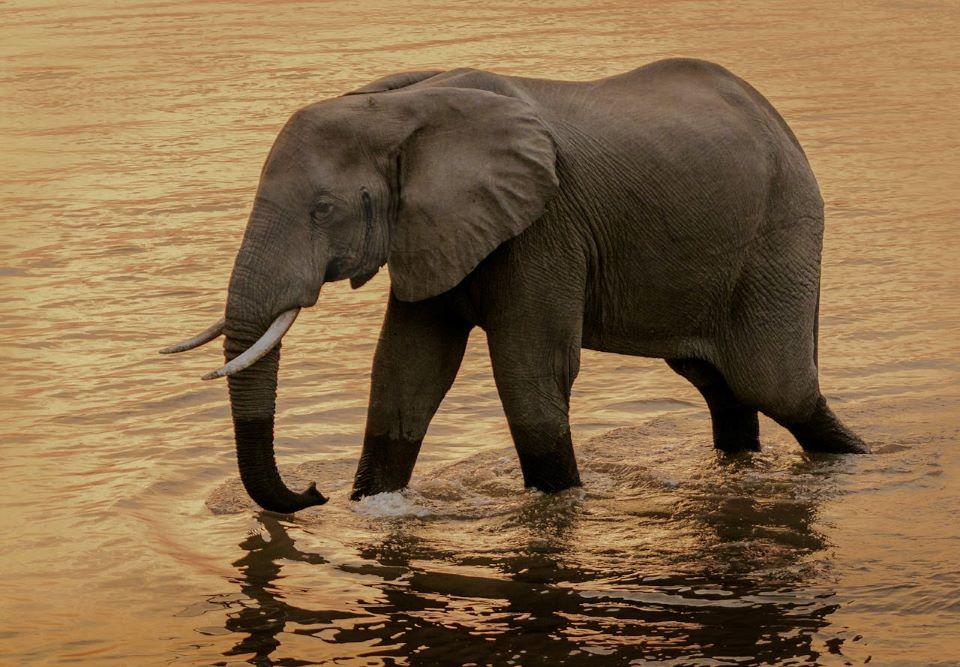
Botswana is a country of extraordinary contrasts. From the dry expanses of the Kalahari to the seasonal floodplains of the Okavango, its landscapes create very different hunting conditions. Terrain, vegetation and water availability influence how hunters locate game, follow tracks and approach a hunt. Understanding these differences is an important part of planning a successful safari when hunting in Botswana.
[DYNAMIC-BLOGTABLEOFCONTENT]
Two Very Different Botswana Hunting Environments
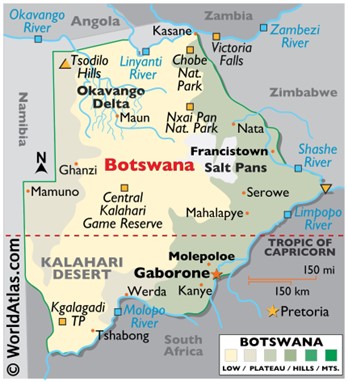
Botswana can be described as a land of opposites. On the one hand, you have a stretch of the Kalahari and an arid desert landscape; while on the other you have the Okavango Delta, one of the lushest and life-rich areas worldwide.
These opposites in terms of geographical landscapes lend themselves to the best of both worlds when big game hunting in Botswana. Both areas attract animal life in their ways. The Kalahari and Okavango each house species preferring their respective habitats, while at the same time, migration brings all the herds to the Delta in search of water, food, and even mating partners.
The Kalahari landscape is the dominant feature of Botswana’s geography and flows from the central to southwestern territories. But unlike other deserts marked by massive dunes, the Kalahari Desert is flat and marked by areas of thorny brush, rolling savannah, grassy plains, and even rocky outcrops. The region isn’t known for its great rains but does have a short rainy season to nurture the flora that feeds the plains.
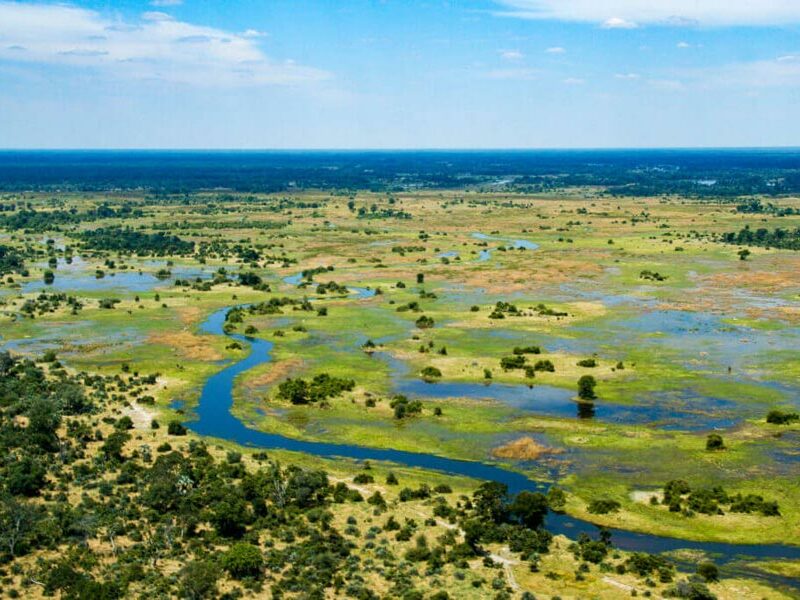
The famous Okavango Delta occupies Botswana’s northwestern area and is known as a UNESCO World Heritage site. The Delta is famous for its seasonal floods which turn an otherwise dry land into a lush and green space that attracts thousands of animals during migratory periods. The Okavango also forms an endorheic basin, meaning no water flows out of it.
Due to its flat landscape, as the floodwaters recede, water is left in main channels and lagoons which draw animals back to the region as the seasons change.
How Botswana's Landscapes Influence Hunting Methods
Walking or walk-and-stalk
These types of hunting safari typically start with a 4×4 drive from your hunting camp or resort to the area where your hunt is arranged. From here you will leave the vehicle and proceed on foot with the use of trackers, usually native Bushmen employed by outfitters.
This style can be used for both African plains game and big game hunting in Botswana, depending on your area and the advice of the PH and outfitter.
Spot-and-stalk
A spot and stalk hunting safari traditionally lends itself to the African plains game hunting side of hunting safaris in Botswana. These hunts also begin by vehicle, with the hunter, trackers, and PH doing periodic spotting or glassing until the desired targets are located. From here the hunting party will proceed on foot, much like in the above.
Blind
Game hunting by blind is the traditional choice for bow hunter hunting in Botswana. These blinds are typically erected near known watering holes or salt licks. When it comes to big game hunting in Botswana, this method lends itself to a leopard hunting safari where the blind will be erected near the bait site.
The Okavango's Waterways
The Okavango's channels, lagoons and seasonal floodplains create very different conditions from the dry Kalahari. Water influences animal movements, access to hunting areas and the routes that trackers and professional hunters can follow.
As floodwaters rise and recede, areas that were previously accessible may become difficult to reach, while wildlife movements change with the availability of water and grazing.
This makes local knowledge particularly important when planning a hunt in northern Botswana.
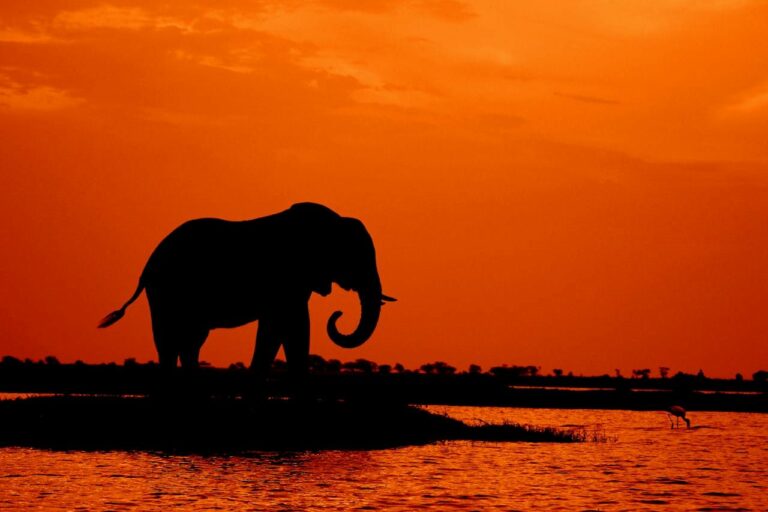
From the open country of the Kalahari to the waterways of the Okavango, Botswana's landscapes shape the way hunters travel, track wildlife and approach their safari. Understanding these differences helps hunters choose an experience suited to their expectations. For a complete overview of hunting areas, available species and safari planning, explore our guide to hunting in Botswana.
Author: A. Baker