
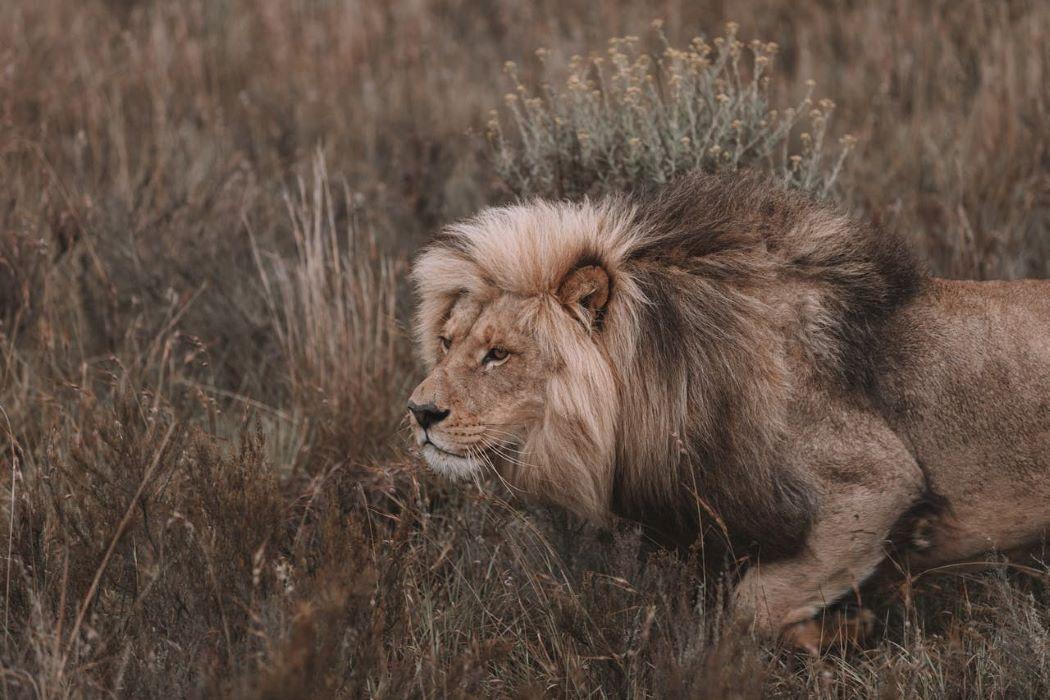
For dangerous game hunters, few experiences compare to tracking a mature wild lion on foot through the remote wilderness hunting areas of East Africa. Ethical lion hunting in Tanzania demands patience, discipline, physical endurance, and complete trust in the professional hunters and trackers guiding the safari through some of Africa’s most unforgiving terrain.
Unlike traditional big game hunts, tracking lions in Tanzania often involves long days following spoor through thick jesse bush, dry river systems, open savannah, and dense thornveld while carefully monitoring wind direction, territorial movement, and subtle changes in animal behavior. In many cases, hunters may spend several days tracking lions without ever getting a clear opportunity at a mature male.
For American hunters planning dangerous game safaris, the reality of tracking wild lions in Tanzania is often far more physically demanding and mentally intense than expected. Experienced trackers may follow faint tracks for miles through extreme heat while remaining constantly alert for sudden close-range encounters in thick cover. Every sound, spoor mark, alarm call, or territorial roar can potentially change the direction of the hunt within seconds.
Professional hunters operating within remote Tanzania hunting concessions understand that successful lion safaris depend not only on accurate shooting, but on patience, emotional control, careful lion evaluation, and the ability to adapt to unpredictable wilderness conditions throughout the tracking process.
For international hunters pursuing authentic big game hunting in Tanzania, tracking mature wild lions on foot remains one of the most physically demanding and mentally intense experiences available in modern African dangerous game hunting. This guide explores the realities of spoor interpretation, dangerous game behavior, follow-up situations, physical preparation, and what hunters should realistically expect during traditional East African lion safaris.
[DYNAMIC-BLOGTABLEOFCONTENT]
Understanding Lion Behavior While Tracking in Tanzania
Successfully tracking wild lions in Tanzania requires hunters and professional trackers to understand far more than simply spoor size or movement direction. Experienced dangerous game hunters pay close attention to lion behavior, territorial patterns, feeding activity, wind conditions, and pride movement throughout the safari.
Wild lions occupy a wide variety of habitats across Tanzania, ranging from open savannah and dry river systems to dense jesse bush and thick thornveld. These constantly changing environments often influence how lions move, rest, hunt, and respond to pressure during dangerous game safaris.
One of the most important realities hunters quickly discover during lion hunts in Tanzania is that lions are extremely intelligent predators capable of detecting movement, scent, and unnatural sounds long before hunters ever see them. Experienced trackers therefore move slowly and cautiously while constantly monitoring wind direction, bird alarms, fresh spoor, territorial markings, and subtle changes in animal behavior throughout the tracking process.
Professional hunters also pay careful attention to pride dynamics while evaluating lions during a safari. Lionesses often perform most of the hunting within a pride and are extremely alert to danger, particularly in thick cover where visibility becomes limited. Many dangerous game hunters underestimate how quickly lionesses can detect approaching hunters during tracking situations.
Tracking mature male lions on foot through remote Tanzania dangerous game hunting areas can involve long physically demanding days covering significant distances across difficult terrain. During hot conditions, lions may spend much of the day resting in dense cover before becoming more active during cooler evening or early morning hours.
Understanding how lions behave under wilderness conditions helps hunters better appreciate why patience, discipline, and experienced professional hunters remain so important during authentic East African dangerous game safaris.
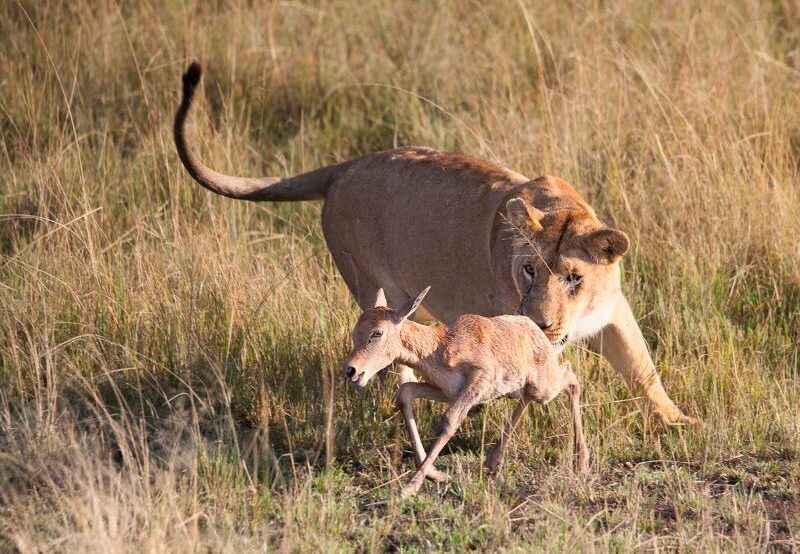
Tanzania vs Zimbabwe: Two Very Different Lion Tracking Experiences
While both Tanzania and Zimbabwe remain highly respected dangerous game hunting destinations, the overall tracking experience can differ considerably between the two countries.
In Tanzania, professional hunters often work within vast unfenced wilderness concessions where tracking mature male lions may involve covering significant distances through remote river systems, dense jesse bush, open plains, and thick thornveld. Many safaris operate on traditional 21-day dangerous game licenses, allowing trackers and hunters more time to carefully evaluate spoor, territorial movement, and mature lion behavior under true wilderness conditions.
Zimbabwe, by comparison, often offers shorter and slightly more structured dangerous game safaris with strong lion populations across both private conservancies and government concession areas. Baiting remains a common strategy in many Zimbabwe lion hunting regions, particularly around established water sources and game movement corridors during the dry season.
For international hunters pursuing authentic big game hunting in Tanzania, however, the scale of the wilderness, lower hunting pressure, physically demanding tracking conditions, and traditional East African safari atmosphere remain some of the biggest attractions when pursuing mature wild lions on foot.
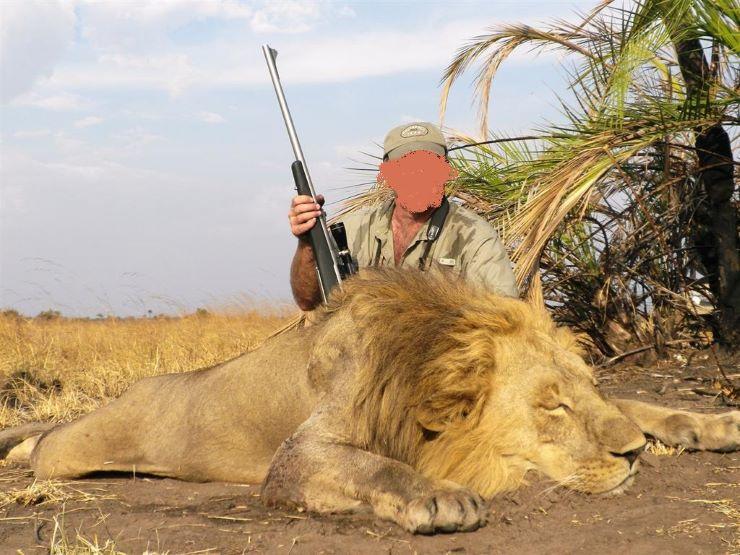
Following Wild Lions in Tanzania: Tracking, Baiting and Close-Range Encounters
Tracking wild lions in Tanzania is rarely a fast process. Experienced professional hunters and trackers may spend several days following spoor, monitoring bait sites, studying territorial movement, and evaluating mature males before a realistic shooting opportunity develops.
Two primary approaches are commonly used during traditional lion hunting in Tanzania safaris: baiting and spot-and-stalk tracking. In many wilderness concessions, both methods are often combined throughout the course of a dangerous game safari depending on lion movement, terrain, weather conditions, and the maturity of the lions being evaluated.
Baiting Mature Lions
Baiting remains one of the most widely used methods for locating mature territorial lions across remote East African hunting concessions. Professional hunters typically position bait animals near active lion movement corridors, dry river systems, water sources, or territorial boundaries where mature males are known to patrol.
Experienced trackers carefully monitor bait sites each day for spoor size, feeding patterns, territorial behavior, and signs of mature male activity before deciding whether a lion is worth pursuing further. In many cases, hunters may spend several days evaluating lions on bait before a professional hunter recommends a final stalk opportunity.
Long hours spent waiting silently near active bait sites can become mentally exhausting for first-time dangerous game hunters. Wind direction, visibility, sound, and patience all play critical roles during these close-range encounters, particularly in thick bush where lions may approach cautiously without ever fully exposing themselves.
Spot-And-Stalk Tracking
For hunters pursuing authentic big game hunting in Tanzania, tracking mature lions on foot remains one of Africa’s ultimate dangerous game experiences. Once fresh spoor is identified, the hunting party may follow lions for miles through thick jesse bush, dry riverbeds, thornveld, and open savannah while constantly monitoring wind conditions and surrounding cover.
Unlike other dangerous game species, lions are capable of circling back, lying in cover, or quietly observing the tracking party without immediately revealing themselves. Professional hunters therefore maintain constant situational awareness throughout the stalk, especially when visibility becomes limited in dense vegetation.
Following a wounded lion into thick cover remains one of the most mentally demanding situations in dangerous game hunting. Emotional control, disciplined shooting, clear communication, and proper lion shot placement become critically important when tracking potentially dangerous animals at close range under unpredictable wilderness conditions.
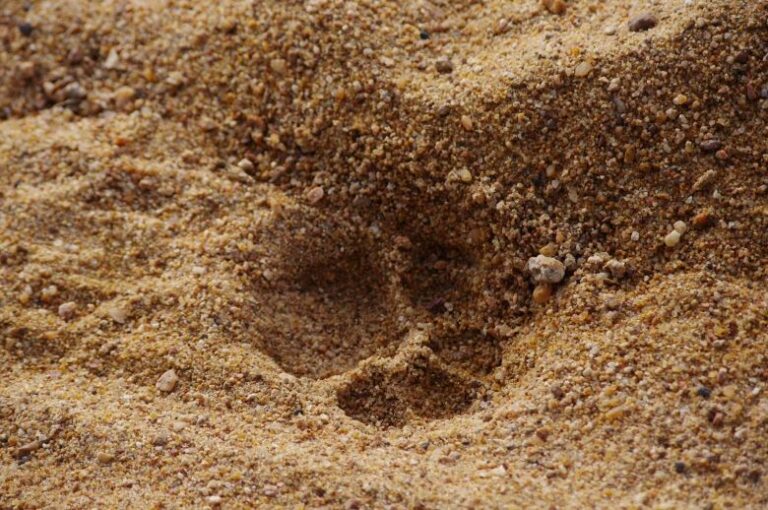
Stopping Rifles and Close-Range Lion Encounters
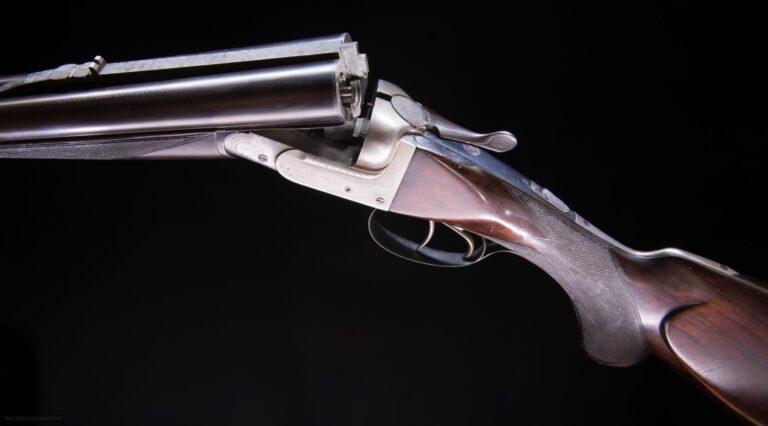
Tracking mature wild lions through thick Tanzanian bush can quickly become a close-range affair, particularly during follow-up situations in dense cover. While many professional hunters recommend the legal minimum .375 H&H for lion safaris, experienced dangerous game hunters often prefer carrying heavier stopping rifles when tracking wounded lions at short distances.
Large-caliber dangerous game rifles such as the .500 Nitro Express remain highly respected among professional hunters because of their tremendous stopping power during fast-moving close encounters under heavy bush conditions. In thick jesse bush, where visibility may be measured in only a few yards, the ability to “hit hard” and stop a charge quickly becomes critically important.
For many hunters pursuing traditional big game hunting in Tanzania, carrying a classic dangerous game rifle forms part of the overall safari experience itself. Heavy recoil, quick target acquisition, controlled shooting under pressure, and absolute familiarity with the rifle all become important when following potentially dangerous lions through unpredictable terrain.
No matter the caliber chosen, however, experienced professional hunters consistently emphasize that disciplined shooting and proper lion shot placement matter far more than raw rifle power alone during dangerous game safaris. A well-balanced dangerous game rifle allows the hunter to stay focused on the lion itself rather than anticipating heavy recoil during close-range encounters.
The Moment Every Lion Hunter Remembers
Few moments in dangerous game hunting compare to the final moments of a successful lion safari in Tanzania. After days spent tracking spoor through dust, thornveld, dry riverbeds, and heavy jesse bush, the sudden appearance of a mature wild lion at close range creates an intensity that most hunters never forget.
Even experienced dangerous game hunters often describe lion encounters differently from any other African safari experience. The silence before the shot, the awareness of how quickly situations can change in thick cover, and the realization that the hunter has entered the territory of a true apex predator all combine to create an atmosphere unlike almost any other form of hunting.
For hunters, that emotional pressure, rather than the shot itself, is what ultimately stays with them long after the safari ends.
After the Hunt: Preserving The Memory of a Tanzania Lion Safari
For hunters, the memories attached to tracking a mature wild lion in Tanzania last far longer than the safari itself. Long days following spoor through thick bush, hours spent studying bait sites, close-range encounters in dense cover, and the emotional intensity of dangerous game hunting all become part of the story behind the trophy.
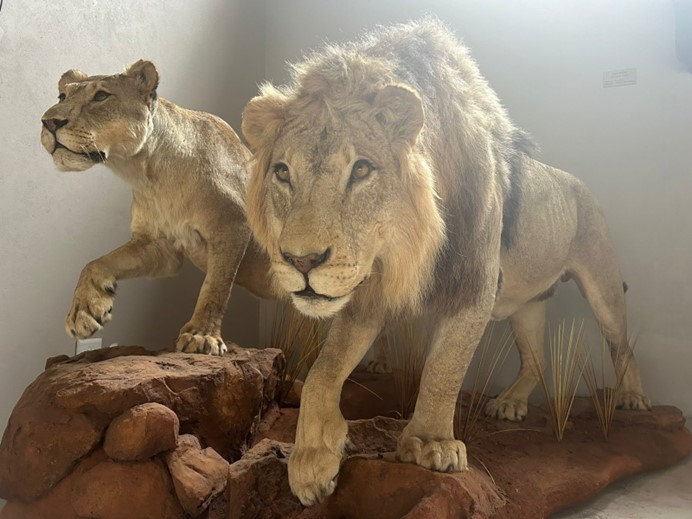
Hunters choose to preserve that experience through traditional taxidermy mounts, particularly full-body displays that capture the scale, posture, and presence of a mature wild lion. A well-prepared mount often becomes more than simply a trophy display, it serves as a lasting reminder of the wilderness, tracking experience, and professional safari team behind the hunt itself.
For hunters who have experienced authentic East African dangerous game safaris, the lion often represents far more than a mounted trophy alone. It represents the challenge, discipline, patience, and emotional intensity involved in following one of Africa’s most respected predators on foot through remote wilderness country.
Conclusion
Tracking mature wild lions through Tanzania’s remote wilderness concessions remains one of the most physically demanding and emotionally intense experiences in dangerous game hunting. Long days following spoor through thick bush, waiting silently near active bait sites, and navigating close-range encounters under unpredictable conditions all form part of the reality behind authentic East African lion safaris.
For hunters pursuing ethical wild lion hunting in Tanzania, the challenge extends far beyond simply taking a trophy. Success often depends on patience, discipline, physical preparation, emotional control, and the ability to work closely with experienced professional hunters and trackers under true wilderness conditions.
Modern Tanzania dangerous game safaris also place enormous emphasis on mature lion evaluation, conservation-based hunting practices, and fair-chase principles designed to protect the long-term future of wild lion populations across East Africa. Understanding these realities helps hunters better appreciate why Tanzania continues to hold such a respected position within the dangerous game hunting world.
The true reward of tracking wild lions in Tanzania is not measured only by the trophy itself, but by the experience of entering one of Africa’s last true wilderness hunting environments and matching skill, patience, and nerve against one of the continent’s most respected predators.
Frequently Asked Questions About Tracking Wild Lions In Tanzania
How physically demanding is tracking wild lions in Tanzania?
Tracking wild lions in Tanzania can be extremely demanding, particularly during long follow-up situations through thick jesse bush, dry riverbeds, and thornveld. Hunters may spend hours or even days following fresh spoor under hot conditions while remaining alert for sudden close-range encounters. Good physical conditioning becomes very important during authentic lion tracking safaris in remote wilderness concessions.
What other dangerous game tracks might hunters encounter while tracking lions?
While following lions through remote wilderness areas, hunters and trackers often encounter spoor from other dangerous game species including elephant, buffalo, leopard, hyena, and occasionally crocodile near river systems. Many areas used for dangerous game lion hunting also support exceptional Cape buffalo hunts, creating opportunities for hunters to experience multiple dangerous game species within the same concession.
Is tracking lions on foot more dangerous than hunting from bait?
Both methods involve risk, but tracking lions on foot generally creates more unpredictable close-range situations because hunters may encounter lions suddenly in thick cover. Experienced professional hunters therefore place enormous emphasis on wind direction, spoor freshness, communication, and disciplined movement throughout the tracking process.
Why do professional hunters spend so much time evaluating lion spoor?
Spoor provides critical information about a lion’s size, age, territorial behavior, direction of travel, and overall maturity. Experienced trackers can often determine whether a lion is potentially worth pursuing long before the animal is ever seen. During ethical tracking wild lions in Tanzania safaris, spoor interpretation remains one of the most important skills used by professional hunters and local trackers.
Can lion safaris be combined with elephant or buffalo hunts in Tanzania?
Yes. Many hunters planning extended dangerous game safaris in Tanzania choose to combine lion hunting with additional species such as buffalo, leopard, plains game, and in certain areas, elephant hunts where regulations and quotas allow. Combining multiple dangerous game species often forms part of traditional East African safari planning, particularly during longer wilderness hunts.
Reviewed by Pierre van Wyk
This article has been reviewed by Pierre van Wyk, founder of Game Hunting Safaris and an African hunting professional with more than 30 years of hunting experience across Southern and East Africa. Having pursued members of the Big 5 and Dangerous 7, including lion, Cape buffalo, hippo, and crocodile, Pierre combines extensive field experience with a deep understanding of dangerous game hunting, wildlife conservation, and African safari planning.
Growing up in South Africa's Eastern Cape, Pierre developed a lifelong passion for ethical, sustainable hunting and African wildlife. Together with his wife Tamlyn and their family, he has spent decades hunting and exploring Africa's most iconic destinations while helping international hunters better understand African hunting safaris.