
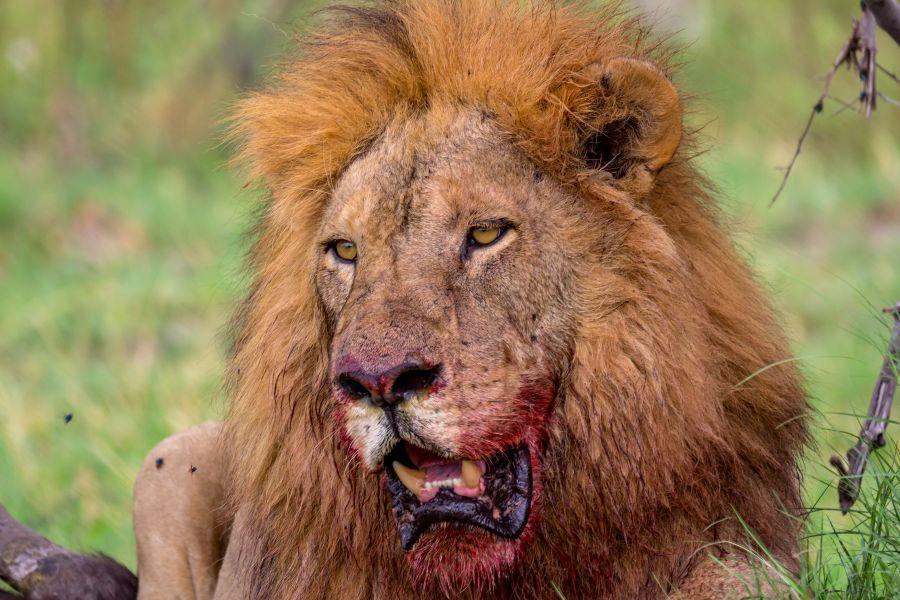
For many dangerous game hunters, pursuing ethical lion hunting in Tanzania remains the ultimate African safari achievement. Unlike general plains game hunting, trophy lion hunting requires patience, discipline, experienced professional hunters, and a deep understanding of lion maturity, territorial behavior, and ethical shot selection under true wilderness conditions.
Not every large-maned lion is necessarily an old lion, and experienced professional hunters often spend days carefully evaluating tracks, body structure, facial features, territorial patterns, and overall maturity before recommending a lion for harvest. In Tanzania’s vast unfenced safari concessions, selecting the right mature male lion is considered one of the most important responsibilities in ethical dangerous game hunting.
For American hunters planning lion hunting safaris in East Africa, understanding how mature wild lions are evaluated before a hunt begins can dramatically shape both trophy expectations and overall safari success. Mane color alone rarely tells the full story. Factors such as nose pigmentation, shoulder development, neck thickness, body scars, spoor size, and territorial behavior often provide more reliable indicators of true maturity than mane appearance by itself.
Experienced professional hunters in Tanzania place enormous emphasis on age-based lion selection because younger breeding males play a critical role in maintaining healthy pride structures across remote wilderness ecosystems. Ethical dangerous game operators therefore focus heavily on identifying mature post-breeding males before any stalk opportunity develops during a safari.
This guide explores how professional hunters evaluate mature trophy lions in Tanzania, what hunters should realistically expect from free-range dangerous game lion hunting, and why proper lion selection remains one of the most important parts of ethical East African safari management today.
[DYNAMIC-BLOGTABLEOFCONTENT]
Key Takeaways
Evaluating a mature wild lion in Tanzania involves far more than simply judging mane size or color, as experienced professional hunters rely on body structure, territorial behavior, spoor size, facial features, and overall maturity before recommending a lion for harvest.
Ethical trophy lion hunting in Tanzania focuses heavily on older post-breeding male lions in order to protect pride stability and support long-term conservation management across remote wilderness concessions.
Many experienced dangerous game hunters consider Tanzania one of Africa’s premier destinations for mature free-range lion safaris because of its vast unfenced hunting areas, traditional tracking methods, and low hunting pressure.
Professional hunters may spend several days evaluating lions at bait sites, along spoor lines, or through territorial movement patterns before a realistic stalk opportunity develops during a safari.
For American hunters planning dangerous game safaris, understanding how mature lions are ethically selected can help create more realistic trophy expectations while improving overall appreciation for fair-chase lion hunting in East Africa.
What Makes A Mature Trophy Lion In Tanzania?
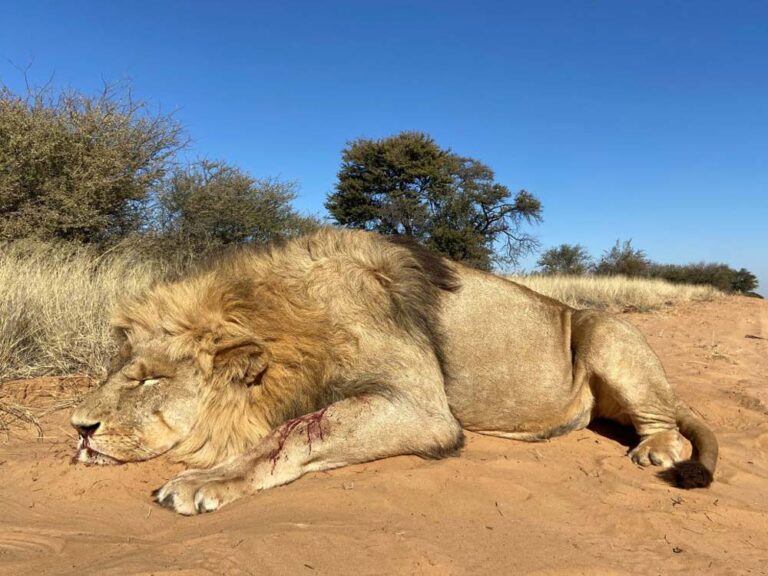
Evaluating a mature wild lion in Tanzania involves far more than simply looking at mane size or overall appearance. Experienced professional hunters and trackers often spend days assessing spoor, territorial behavior, body structure, and physical maturity before recommending a lion for harvest under ethical dangerous game hunting standards.
In Tanzania’s remote wilderness concessions, mature male lions are typically considered suitable for hunting only once they have passed their primary breeding years, usually around six years of age or older. By this stage, males have normally established and defended territories, competed for breeding rights, and reached full physical maturity. Ethical lion hunting operators place significant emphasis on age-based lion selection in order to protect younger breeding males and maintain stable pride structures across free-range safari areas.
Many first-time American hunters incorrectly assume that a large dark mane automatically represents an old lion. In reality, professional hunters often focus more heavily on overall body characteristics than mane appearance alone when evaluating mature trophy lions in Tanzania.
Body Size And Physical Structure
Older male lions often develop noticeably heavier shoulders, thicker neck muscles, broader skulls, and deeper chests than younger males. Mature lions may also appear longer through the body with a more powerful front-end build developed through years of territorial fighting and hunting activity.
Facial Features And Nose Pigmentation
Professional hunters frequently examine facial aging signs when evaluating lions at bait sites or through binoculars in open terrain. Older males often show heavier facial scarring, worn ears, darker nose pigmentation, and rougher facial structure compared to younger lions still entering breeding maturity.
Mane Condition And Wear
While mane size and color remain important visual characteristics for many hunters pursuing lion hunting safaris, mature lions living in harsh wilderness environments often carry damaged, uneven, or lighter-colored manes caused by fighting, age, heat stress, or thick thorn bush habitat. Some of Tanzania’s oldest territorial males may actually appear less visually impressive than younger prime breeding males carrying fuller manes.
Spoor Size And Territorial Behavior
Large spoor size, territorial marking behavior, roaring activity, and pride movement patterns also play a major role in evaluating mature lions during dangerous game safaris. Experienced trackers may follow spoor for several days before professional hunters feel comfortable making a final maturity assessment.
For many hunters pursuing ethical dangerous game lion hunting, the true value of a trophy lion lies not only in mane appearance, but in the age, wilderness history, territorial experience, and overall maturity of the animal itself. In Tanzania’s remote unfenced safari concessions, patience and proper lion evaluation remain some of the most important parts of responsible fair-chase dangerous game hunting today.
Why Mane Color And Size Can Be Misleading When Evaluating Trophy Lions
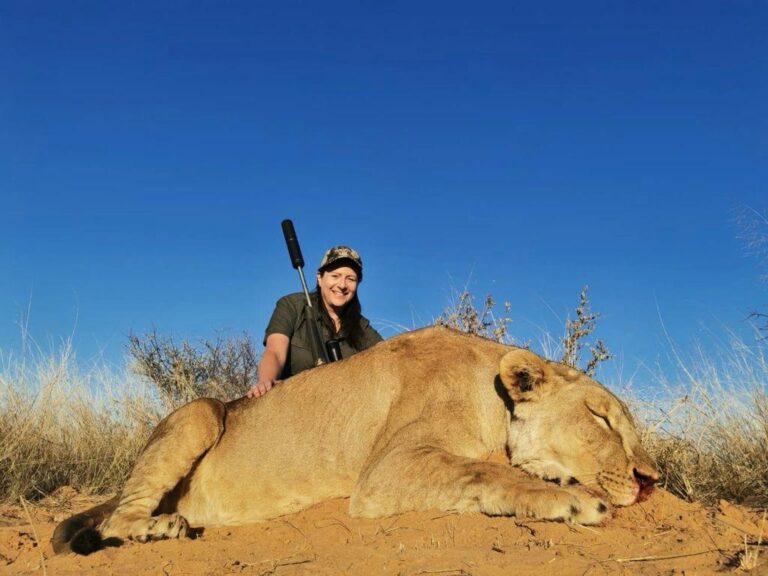
For many hunters planning a Tanzania lion safari, mane size and color remain some of the first characteristics noticed when evaluating a potential trophy lion. Large dark-maned lions have long been associated with dominance, strength, breeding success, and the traditional image of Africa’s “King of the Beasts.” While mane appearance certainly contributes to the visual appeal of a mature male lion, experienced professional hunters understand that mane quality alone does not always indicate true age or overall maturity.
Many first-time hunters incorrectly assume that the darkest or fullest-maned lion automatically represents the oldest or best trophy animal in the concession. In reality, environmental conditions, genetics, climate, nutrition, fighting history, and even habitat type can all influence how a lion’s mane develops throughout its life.
The Purpose of a Lion’s Mane
Wildlife researchers and professional hunters have debated the purpose of a lion’s mane for decades. One widely accepted theory is that the mane serves as both a visual display of strength and a protective barrier during territorial fights between dominant males. Larger darker manes are often associated with stronger genetics, higher testosterone levels, and breeding dominance within lion prides.
Studies have also suggested that lionesses may show preference toward darker-maned males, likely because mane color can signal maturity, health, territorial strength, and survival ability under harsh wilderness conditions.
Dark-Maned Lions And Testosterone
In many East African safari areas, dark-maned lions are often viewed as highly desirable trophies because of their impressive appearance and association with mature territorial males. Research has shown that darker-maned lions may carry slightly elevated testosterone levels and often dominate breeding competition within their territories.
However, darker manes may also create disadvantages for lions living in extremely hot environments. Thick black manes absorb and retain heat, increasing thermal stress in already harsh African conditions. professional hunters operating while Hunting in Tanzania frequently observe that some older territorial males may actually carry thinner or lighter manes due to age, climate pressure, fighting damage, or habitat conditions.
Why Mane Size Alone Is Not Enough
One of the biggest misconceptions surrounding lion hunting safaris is the belief that mane size alone determines trophy quality. Experienced professional hunters instead place greater emphasis on overall maturity, territorial behavior, body structure, and breeding age before recommending a lion for harvest.
Some younger breeding males may carry visually impressive manes while still lacking the physical maturity, facial aging, and territorial experience associated with truly old lions. Conversely, older post-breeding males living in harsh wilderness terrain may appear rough, scarred, thin-maned, or uneven due to years of fighting and environmental stress.
The Tsavo Lions And Regional Mane Differences
One of Africa’s most famous examples of regional lion variation comes from Kenya’s Tsavo ecosystem, where some male lions grow very small manes or almost none at all. Wildlife researchers believe the region’s extreme heat, dry climate, and thick thorn bush habitat may contribute to reduced mane growth as an adaptation for temperature regulation and easier movement through dense vegetation.
This example highlights an important reality for hunters pursuing ethical dangerous game lion hunting safaris in East Africa: mane appearance alone rarely tells the full story. Experienced professional hunters focus far more heavily on maturity, behavior, spoor size, and territorial dominance than simple visual mane characteristics when evaluating a truly exceptional wild lion trophy.
Conclusion
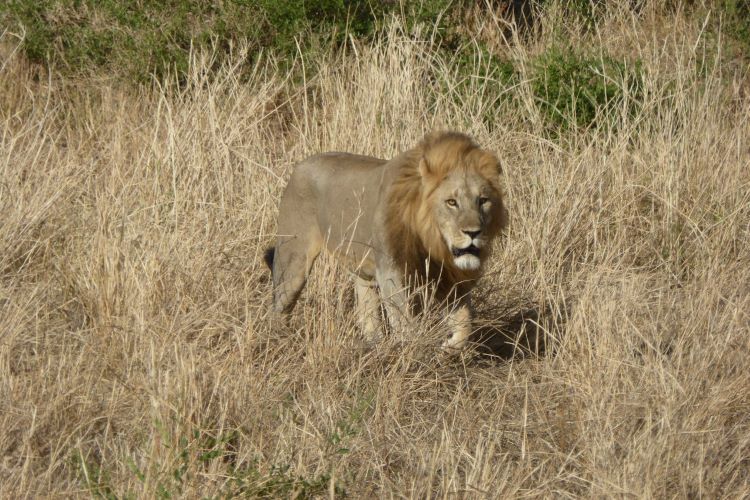
Evaluating a mature wild lion in Tanzania involves far more than simply judging mane color or overall size. Experienced professional hunters rely on years of field experience, spoor interpretation, territorial behavior, body structure, facial aging, and wilderness observation when determining whether a lion meets ethical fair-chase standards for harvest.
For dangerous game hunters, the true value of a Tanzania lion safari comes not only from the trophy itself, but from the challenge of pursuing an old free-range male lion within some of Africa’s last remaining wilderness hunting ecosystems. Long tracking days, careful lion evaluation, patience at bait sites, and strict conservation-based hunting regulations all contribute to making Tanzania one of the continent’s most respected dangerous game destinations.
Proper maturity evaluation, ethical lion selection, and disciplined lion shot placement remain some of the most important responsibilities in modern dangerous game hunting today.
Hunters comparing Tanzania with other destinations can explore our current African Hunting Trips, while our complete guide to Lion Hunting in Tanzania covers safari costs, hunting areas and practical booking considerations.
Frequently Asked Questions
How do professional hunters determine if a lion is mature enough for harvest?
Professional hunters evaluate several factors including spoor size, nose pigmentation, facial scarring, body structure, territorial behavior, mane wear, and overall physical maturity before recommending a lion for harvest. Ethical Tanzania lion safaris focus heavily on selecting older post-breeding males that meet fair-chase conservation standards.
Does a darker mane always mean a better trophy lion?
Not necessarily. While darker manes are often associated with strong mature males and elevated testosterone levels, mane color alone does not reliably indicate true age or trophy quality. Climate, genetics, habitat conditions, nutrition, and fighting history can all influence mane appearance in wild lions.
Why are older male lions preferred during ethical lion hunting safaris?
Older post-breeding males are generally preferred because they have already contributed genetically to pride populations and are less critical to long-term breeding stability. Tanzania’s conservation-based lion hunting regulations therefore place significant emphasis on mature male selection and age-based harvest standards.
What caliber is commonly recommended for dangerous game lion hunting in Tanzania?
Most professional hunters recommend a .375 H&H or larger caliber for ethical dangerous game lion hunting in Tanzania. Hunters should also spend considerable time practicing from shooting sticks and understanding proper lion shot placement before arriving on safari, as wounded lions in thick cover can create extremely dangerous follow-up situations.
About The Author
Pierre van Wyk is the co-founder of Game Hunting Safaris and has spent years working alongside professional hunters and safari operators across Africa’s leading dangerous game regions. With extensive experience around Tanzania lion safaris, Cape buffalo hunts, and traditional East African tracking concessions, his work focuses on ethical fair-chase hunting, mature trophy evaluation, and helping international hunters better understand the realities of authentic African dangerous game hunting.