
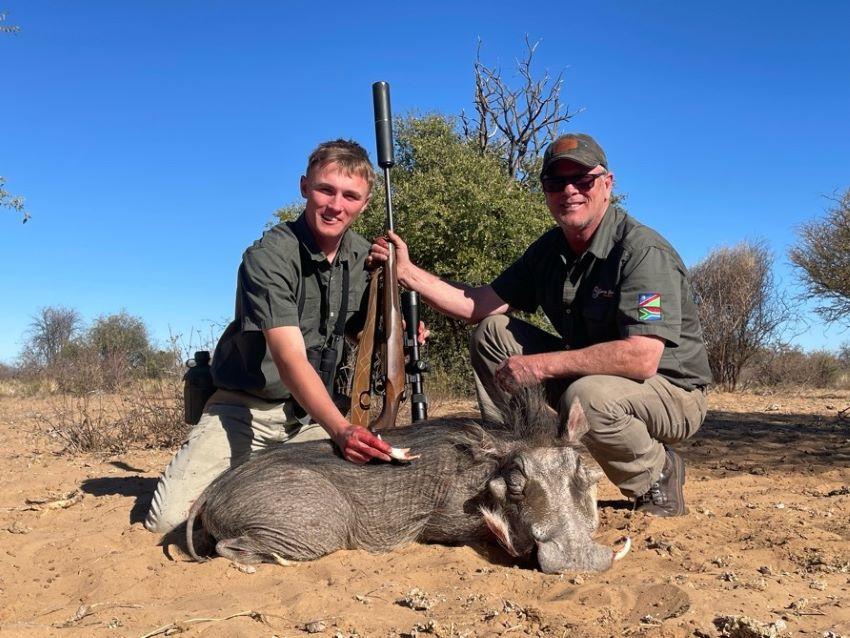
When planning an African adventure, many travelers wonder, is it legal to go hunting in South Africa? The answer isn’t just a simple yes or no. South Africa has established clear regulations to manage game hunting, focusing on conservation and ethical practices.
We understand the importance of responsible hunting and know that legality is a top concern for anyone considering a safari. With vast landscapes and rich biodiversity, South Africa remains a leading destination for hunters worldwide. Knowing the legal framework helps ensure your experience is both safe and sustainable.
[DYNAMIC-BLOGTABLEOFCONTENT]
Key Takeaways
-
South Africa permits game hunting under strict national and provincial regulations aimed at ensuring conservation and ethical practices.
-
Hunters must obtain appropriate licenses and species-specific permits, and all hunts require professional guide supervision for legal compliance.
-
Both trophy and recreational hunting are allowed, with specific guidelines, quotas, and designated hunting seasons to protect wildlife populations.
-
Revenue from legal hunting supports critical conservation programs, anti-poaching initiatives, and community development.
-
Ongoing challenges include animal welfare concerns, equitable distribution of economic benefits, and balancing international scrutiny with sustainable local practices.
Overview Of Game Hunting In South Africa
Game hunting operates under regulated systems that guide African hunting safari experiences toward sustainability and ethical standards. Permits control most big game hunting activities, with national and provincial authorities managing these processes. Every legal hunt must follow established guidelines covering quotas, seasons, and designated hunting zones.
Legal Framework Governing Game Hunting
South Africa manages game hunting with specific legislation that includes the National Environmental Management: Biodiversity Act and provincial wildlife laws. These rules set minimum requirements for hunting in South Africa, covering protected and threatened species during African hunts. Permits indicate approved species, hunting zones like Limpopo and Eastern Cape, and allowed methods. If hunting takes place on private land, landowner approval and provincial permits remain necessary.
Conservation and Ethical Hunting Practices
Ethical practices stand central to every permitted hunting safari in Africa. South African wildlife authorities, working with private landowners and conservation groups, connect regulated game hunting to ongoing animal population management. Hunting fees and licensing revenue get reinvested into local conservation projects, anti-poaching efforts, and community support.
For those exploring African hunting listings and packages, it's key to verify that operators comply with national and provincial hunting regulations. This way, every safari ensures a lawful, ethical, and rewarding experience in South Africa's rich wilderness
Legal Status Of Game Hunting
Game hunting in South Africa stands on a solid legal foundation, linked to both national policies and provincial oversight. This regulated structure lets hunters, including those booking a Hunting Safari in South Africa, navigate diverse game hunting opportunities while ensuring wildlife and habitat protection.
National And Provincial Laws
South Africa’s game hunting laws rely on two layers: national legislation and provincial regulations. The National Environmental Management: Biodiversity Act is the core statute setting minimum protections for species, governing wildlife use, and defining restricted hunting periods and methods. Provincial authorities, like those in Limpopo or KwaZulu-Natal, layer on specific criteria for open seasons, quotas, and game species lists.
Some regulations address:
-
Species protection: Lists banned or quota-controlled animals, including species associated with Big Five Hunting, such as Cape buffalo and rhino.
-
Designated hunting zones: Marks official hunting blocks, wildlife conservancies, and private ranches for hunting in South Africa.
-
Hunting methods: Permits use of select firearms, bows, and guides during African hunts.
-
Sustainable harvest quotas: Sets annual quotas for game hunting safaris, varying by species and habitat.
Licensing And Permit Requirements
To take part in any African hunting safari, including both plains game and Big Game Hunting, hunters get licenses and permits from provincial departments or national agencies. Each permit aligns to the targeted species, location, and the type of hunt, like guided safaris hunts for Dangerous Game Hunts or plains species packages.
Permit requirements include:
-
Valid hunting license: Issued annually, linked to hunter qualifications and past compliance.
-
Species-specific permits: Separate documentation for protected or quota-managed species, including those on Africa Big 5 safaris.
-
Professional guide involvement: For most hunting safari in Africa options, a licensed professional hunter must supervise any non-resident or international hunters.
-
Regulatory compliance: Hunters submit game numbers, harvest details, and trophy shipment data to maintain tracking and oversight.
Hunters confirm their outfitter or African Hunting Safari Broker holds valid operating registrations before booking hunting packages. Adhering to these licensing protocols ensures lawful hunting in South Africa and supports conservation efforts tied to regulated game use.
Regulation And Ethical Considerations
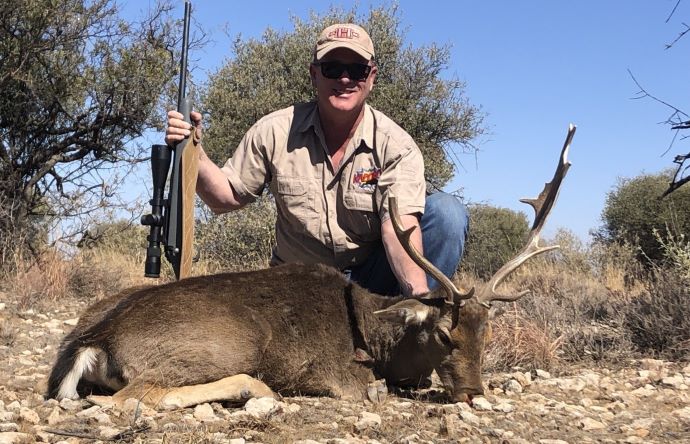
Game hunting in South Africa depends on strict rules that promote ethical hunting and wildlife conservation. Regulatory bodies set clear standards for African hunting safaris, making responsible practices central to every big game hunting experience.
Conservation Efforts
Conservation efforts drive all legal hunting in South Africa. We see regulated hunting directly supporting habitat protection and species management. Fees from Cape Buffalo hunts, Africa Big 5 packages, and guided African hunts channel into vital wildlife conservation programs. These programs focus on:
-
Population monitoring: Agencies track species numbers annually, including lion, elephant, and antelope, to set harvest quotas.
-
Biodiversity protection: Authorities limit big game hunting zones to maintain ecological balance and healthy genetics.
-
Community engagement: Local projects receive funds from hunting licenses, improving education and infrastructure.
Transparent programs connect each legal hunting safari in Africa with measurable conservation benefits.
Responsible Hunting Practices
Responsible hunting practices stay at the core of hunting in South Africa. Professional hunters lead all African hunts under codes developed by governing bodies and conservation groups. We commit to:
-
Legal compliance: Obtaining every permit and license required for our chosen game, just as outlined in national and provincial wildlife laws.
-
Selective hunting: Targeting mature animals during the prescribed season, never protected or endangered species.
-
Sustainable harvest: Sticking to science-based quotas for numbers and types of animals, especially on hunting safari in South Africa listings.
-
Fair chase: Pursuing animals in natural settings without the use of unethical methods or technology.
For anyone booking Game Hunting Safaris or using an African hunting safari broker, these standards guarantee a legal, ethical, and truly rewarding experience when hunting in Africa.
Challenges And Controversies
Game hunting in South Africa often faces intense debate, especially as African hunting safaris and listings attract global attention. These challenges highlight animal welfare issues and ongoing economic and social questions tied to hunting in Africa.
Animal Welfare Concerns
Animal welfare drives much of the controversy in African hunting safari practices. Critics argue that hunting trips, especially ones targeting the Africa Big 5, like Cape Buffalo hunts—sometimes lead to unethical outcomes when rules aren't followed. Wildlife advocacy groups point to instances of overhunting, poaching, or nonselective hunting of younger or breeding animals. For example, guided African hunts that disregard fair chase or hunting quotas may harm local populations and disrupt natural ecosystems. On the other hand, regulations require all hunting safaris in South Africa to use science-based quotas, issue permits, and employ established ethical codes to ensure mature, non-breeding animals are selected. When every party follows proper legal process, the risk to animal welfare drops significantly. Still, ongoing monitoring and enforcement by provincial authorities are needed to address gaps and prevent illegal activities that could hurt conservation goals.
Economic And Social Impact
Economic and social impacts of game hunting safaris in Africa stir both support and criticism. Supporters note that hunting in South Africa fuels rural economies, offers jobs for trackers, guides, and anti-poaching units, and injects funds into conservation and local projects. Fees from hunting packages, including African Big 5 trophy hunts and plains game excursions, often support habitat management and directly assist community projects. I
However, critics raise concerns over inequitable benefit distribution and loss of long-term non-hunting tourism potential. Sometimes, profit from guided African hunts funnels to a small group, limiting wider community benefits. Indigenous and local communities may also see limited involvement in decision-making. Growing international scrutiny, especially around listings for species like lions or rhinos, intensifies debate and shapes policy adjustments. To ensure hunting remains sustainable and broadly beneficial, stakeholders oversee continual review and adjustment of policies for hunting safari in Africa, weighing ecosystem protection with real economic needs.
Conclusion
Hunting in Africa sits at the intersection of conservation, law, and community interests. As travelers or hunters, we need to approach every safari with awareness and respect for the rules in place.
Hunters comparing legal, professionally guided opportunities can explore our available African Hunting Trips before discussing current permit requirements with their chosen outfitter.
By partnering with reputable guides and staying informed about current regulations, we can help ensure that our hunting experiences contribute to both wildlife protection and local livelihoods. The future of game hunting relies on our collective commitment to ethical and sustainable practices.
Frequently Asked Questions
Is game hunting legal in South Africa?
Yes, hunting is legal in South Africa, but it is strictly regulated by national and provincial laws to ensure ethical and sustainable practices. Hunters must comply with these rules and obtain the required permits.
What laws govern game hunting in South Africa?
Game hunting is regulated by the National Environmental Management: Biodiversity Act and additional provincial wildlife laws. These set rules for hunting seasons, species protection, quotas, and hunting zones.
Do I need a license or permit to hunt in South Africa?
Yes, all hunters must obtain the appropriate licenses or permits from national or provincial authorities. Requirements depend on the chosen species, hunting type, and location.
How does hunting support conservation in South Africa?
Regulated hunting fees are reinvested into conservation projects, species management, habitat protection, and local community support, making legal hunting an important tool for wildlife and ecosystem preservation.
What are some ethical hunting practices in South Africa?
Ethical hunting includes targeting only mature animals, obeying legal quotas, practicing fair chase, ensuring quick kills, and always following both national and provincial regulations.
What challenges face game hunting in South Africa?
Challenges include concerns over animal welfare, illegal poaching, and controversies about the fair distribution of economic benefits. Effective regulation and regular policy reviews aim to address these issues.
Should I verify my hunting outfitter in South Africa?
Absolutely. Always confirm your safari operator or broker is licensed and registered to ensure your hunting trip is legal, ethical, and supports conservation efforts.