
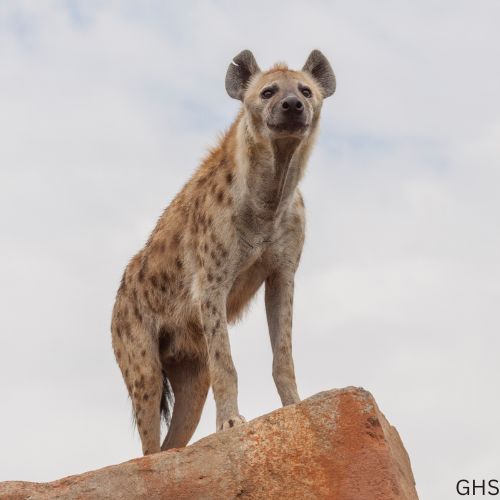
Why the rules matter when the night gets loud
Hyena Hunts are different. The bush feels alive. Calls carry. Eyes flash and fade. One second the night is quiet, then the hillside laughs back and your heart does that quick stutter. You know what? That buzz is exactly why clear guidelines matter. They keep the hunt safe, legal and ethical. They also raise your odds of a clean, quick Hyena Hunting Safari that becomes one of those memorable African Hunting Trips you'll still be talking about years later.
The legal frame that keeps the story clean
Every Hyena Hunt lives inside national wildlife laws and local rules for the property you hunt. No shortcuts here. Paperwork, permissions, and methods must match what is allowed for those dates and that land.
Your non negotiables
- Licensed outfitter and licensed Professional Hunter. Ask for license numbers and concession permissions in writing. A good operator sends this before you ask.
- Open season on a legal parcel. Your booking should tie to a specific property or block with current permission for hyena.
- Method rules that fit the place. Night activity, use of lights or thermal, call use, vehicle repositioning, and firearm restrictions vary by country and even by province. Your PH will brief you.
- Export and import basics. Hyena skulls and skins require accurate paperwork. It is not the mountain of dangerous game admin, but names, dates, and species notes must match.
If anyone treats permits like an afterthought, slow down. The quiet work now prevents noisy problems months later, with hyena hunting regulations being mandatory, not an afterthought.
Same animal, different rulebooks
“Country” is a headline. The concession is the story. Terrain and pressure change your Hyena Hunt more than any brochure line.
- Arid and semi arid flats give long sightlines and sound travel. You will work wind, distance, and sound discipline.
- Bushveld and mopane create tight angles and make night calls feel closer than they are.
- Farmland edges can hold smart, pressured hyena that circle downwind and hang up.
- Coastal scrub or river corridors bring shifting winds and surprise routes to bait or call sites.
Pick the concession and team first, not just the flag on the map. Whether you're planning Hunting in Namibia, Hunting in Zimbabwe, or another African destination, understanding how the concession operates is often more important than the country itself. We pair hunters with operators who know where hyena travel, how they circle, and when to reset instead of forcing a marginal setup.
Ethics in practice, not just talk
Ethics are not slogans. They show up in a hundred small choices at night with a cross breeze on your cheek.
- Target selection. Focus on legally eligible animals and mature individuals. Your PH will read head size, shoulder build, behavior, and group dynamics before the shot.
- Fair chase inside legal method. Whether you call, sit over bait where allowed, or work day sign to set a night approach, the animal should have a real chance to move and the shot must be responsible.
- The pass that pays. Quartering toward you at a marginal angle. Animals stacked behind your target. Wind flipping across the site. Wait. That pass at 9:40 often becomes a perfect broadside at 10:15.
A calm, steady outfit will talk you through age cues, angles, and restraint. That is a green flag.
Field methods that actually work
A Hyena Hunt is a patience game. Stillness and silence are skills. Although hunters encounter hyena during broader Plains Game Hunts, successfully pursuing one often requires a completely different mindset. Build those skills before you board the plane.
Common approaches
- Calling where legal. You and your PH will choose a wind honest site with a safe backstop. Volume, sequence, and silence matter. Hyena often circle downwind. Plan for that arc and do not force a rushed shot across unsafe background.
- Bait sites where allowed. Bait placement, distance, and lighting must follow local rules. A good team sets a clear, safe lane with a solid backstop and a steady rest. Consent and compliance are part of the site plan, not a footnote.
- Day sign for a night plan. Tracks, scat, and travel routes guide where you sit after dark. You may walk during daylight to mark wind seams and entry paths, then return with a clean approach.
- Daylight chances. Hyena move in early and late light, especially on cool days or near carcasses. Spot and stalk is possible. Expect quick windows and longer walks.
Rifles, bullets, and shot placement in plain English
Bring a rifle you handle without thinking. Confidence beats caliber debates.
Caliber guidance
- .243 to .308 works well for Hyena Hunts with premium bullets, and many hunters pick .270 Win, 6.5 Creedmoor, .308 Win, or .30 06 for a simple, reliable setup.
- If your safari includes heavier plains game, a .300 class rifle works fine if you control the recoil and keep shot placement crisp.
Bullets
- Choose a bonded or monolithic controlled expansion bullet that mushrooms without blowing up at typical night distances. You want a straight line through the vitals and an exit if possible.
- Bring plenty from the same lot so your zero never shifts.
Zero and practice
- Keep a simple 100 yard zero and learn your hold at 150 to 200.
- Practice standing off three leg sticks and a steady seated rest.
- Drill the cadence. Mount. Breath. Press. Cycle without lifting your cheek. Reacquire and stand by for a follow up call.
Shot placement that reduces tracking is especially important on night hunts. Our Specialty Shot Placement Guide explains the preferred aiming points and common shot angles in more detail before your safari.
- Broadside is your best friend. Aim one third up the body tight behind the shoulder for the heart lung triangle.
- Quartering away is excellent. Aim through the near side ribs to exit behind the far shoulder.
- Quartering to is risky unless mild and your PH calls it.
- Head and neck shots look tempting on a still animal under light but go wrong fast if anything moves. Keep it simple unless your PH calls a specific angle at close range.
If you are unsure, ask your PH to talk you onto the exact spot. Pride costs less than a long night track.
Safety around night work and recovery
Night adds complexity. Good habits keep things calm.
- Muzzle control, always. People are close. Angles are odd. Safe lanes matter.
- PH has the final say. If the PH says wait, you wait. That simple rule prevents bad angles and protects non targets.
- Light discipline. White light, red light, and thermal each have a role where legal. Your PH will signal when to light, when to dim, and when to go dark.
- Backstops matter more at night. Brush is not a backstop. Confirm what sits behind your target.
- Recovery plan. Agree on roles before the shot. Who watches, who marks, who moves first.
- Vehicle etiquette. Off loading distance, approach paths, and exit routes follow the plan, not the mood.
Calm looks boring. That is the point.
Seasonality, moon phase, wind and scent
Timing changes your Hyena Hunt more than many people expect.
- Dry periods often create predictable travel around water and carcass sites. Sound carries. Scent also carries.
- Green periods spread food and water and can make calling less predictable. Expect to sit longer and move with more care.
- Moon phase changes how hyena travel and how you manage light. Dark nights favor sound. Bright nights favor silhouette management and tighter movement.
- Wind habits are your real playbook. Ask for typical morning and evening winds for your week. Hyena circle downwind. Your site should make that circle safe and visible.
A short date specific brief from your operator is worth gold. Temps, wind, expected yardage, and likely windows save time and shots.
Trophy care that keeps the smile months later
Great Hyena Hunts stay great when skulls, skins, and forms arrive in the same shape they left the salt room.
- Field care. Skin handling and facial work need patient hands. Keep dirt and blood off the mask early. Shaded photos hold color better.
- Skull. Clean, label, and pack with care. Write left and right notes for unique features.
- Salt and airflow. Even salting and proper drying prevent slip and salt burn. Do not stack wet capes.
- Taxidermy path. Decide between local taxidermy or dip and pack for a U S studio. Compare finish quality, crate standards, references, and timeline.
- Export and import. Names, dates, species codes, and permit references must match. Keep clean digital copies with clear file names.
Need introductions to shippers or studios that deliver consistent work? Just ask!
Fitness, practice, and mindset
You do not need marathon lungs. You do need quiet feet, patient eyes, and a steady trigger when a window opens.
- Practice what you will use. Sticks at 80 to 180 yards and a seated rest for calmer shots.
- Conditioning. Short hill walks, ankle and hip mobility, and a few intervals. Sand and heat make small flaws loud.
- Mental reps. Visualize passing on a bad angle. Visualize waiting for the broadside. Visualize a smooth follow up you may not need.
Confidence comes from reps, not pep talks.
Money talk with clean lines
Clarity up front protects friendships and budgets.
Usually included
- Licensed PH, trackers, skinners
- Accommodation, meals, water or soft drinks
- 4x4 use inside the hunting area
- Basic field prep and salt
Common exclusions
- Trophy fee if priced separate from daily rates
- Charter flights or long transfers
- Observer fees
- Rifle or ammo rental
- Taxidermy, dip and pack, freight, import brokerage
- Conservation or community levies that your operator should list by line
Tipping
- Your PH will suggest norms by role. Bring small bills and envelopes so you can thank people directly and quietly.
If a quote looks too low, there is usually a reason. Before comparing operators, it helps to understand how African Hunting Safari Prices are structured, including daily rates, trophy fees and additional costs. Ask what is missing and who controls the concession.
Questions to ask every outfitter
Copy this into your notes and tick them off during calls.
- Which concession are we hunting, and who holds the permissions for hyena there
- Recent results, with photos and dates from the last two seasons
- Method plan for that block, including what is legal for calls, lights, or thermal
- Typical approach distances, expected yardage, and preferred rests
- Safety and follow up protocol, with hand signals and roles
- Seasonal brief for my dates, including wind patterns and moon phase
- Rifle and ammo suggestions for that terrain and average shot distance
- Full list of extra fees, such as charters, transfers, permits, and levies
- Export and import workflow, including who handles which documents
Confident teams answer clearly and match what past clients say.
Gear that earns its baggage weight
Function first. Quiet fabrics. Neutral tones. Pieces you already trust.
Bring
- Your rifle with a rugged sling
- Premium controlled expansion ammo from the same lot
- Shooting sticks and a simple seated rest solution
- Compact rangefinder if your PH does not carry one
- Polarized eyewear for day glassing and a spare lens cloth
- Headlamp that runs quietly, plus spare batteries
- Light, breathable layers with long sleeves for sun and thorn
- Broken in boots with real tread, spare laces
- Small med kit with blister care and electrolytes
- Dry bags for dust control in trucks and at night sites
Often unused
- Heavy jackets, giant glass, and gadgets that beep or blink at the worst time
Quiet and reliable wins.
Red flags and avoidable mistakes
A short list that saves long nights.
- Skipping the on arrival zero. Flights move scopes. Confirm before a real shot.
- Rushing a head shot under light. If anything twitches, that shot turns bad fast.
- Trusting your eyes and not your rangefinder in heat shimmer. Numbers beat guesswork.
- Lifting your cheek to cycle the bolt. Stay in the gun and reacquire.
- Ignoring wind and scent. Hyena circle downwind. Plan for the circle, not the straight line.
- Paperwork apathy. Names and dates must match. Future you will thank present you.
If your gut says not right, listen. There is always another window.
What success really looks like
It is not loud. It is steady. It is a team that moves like one mind. You glass, plan the wind, sit still, and wait for the safe angle. You make a clean shot, run the bolt, and hold for a measured follow up that you might not need. You take shaded photos, handle the skull and skin with care, and keep the documents tidy. That is a Hyena Hunt that still feels good five years from now.
Ready to plan with confidence
If you want a Hyena Hunt that is legal, ethical, and well run, you've come to the right place. Tell us where you are in the process. Early research. Dates chosen. Ready to book. We will pair you with the right concession, the right team, and a paperwork path that keeps the fun parts fun.
Frequently Asked Questions
Is hyena hunting legal in Africa?
Yes. Hyena hunting is legal in several African countries where it is carefully regulated through hunting seasons, permits and quota systems. Regulations vary between countries and hunting concessions, making it important to hunt with a licensed outfitter who understands the local legal requirements.
What caliber is best for hunting hyena?
Most standard plains game calibers perform well when loaded with quality premium bullets. Cartridges such as the .270 Winchester, .308 Winchester, .30-06 Springfield and similar calibers are commonly used. Accurate shot placement is far more important than simply choosing a larger caliber.
Is hyena hunting dangerous?
Although hyena are predators with powerful jaws, they are not generally hunted in the same way as Africa's dangerous game species. The greatest challenges usually involve hunting at night, judging shot placement under artificial light and recovering animals safely after the shot.
Can hyena be hunted during a plains game safari?
Yes. Many hunters pursue hyena while already on broader Plains Game Hunts, particularly where opportunities arise naturally during the safari. Others choose a dedicated hyena hunt, especially if it is one of their primary trophy species.
When is the best time to hunt hyena?
The best time depends on the country, local regulations and hunting concession. Dry periods often produce more predictable movement around water and bait sites, while weather, moon phase and prevailing wind conditions can also influence hunting success.
Are hyena hunted during the day or at night?
Both methods are possible, although many hyena hunts take place during the evening or at night when the animals are naturally more active. In some areas, spot-and-stalk opportunities may also occur during daylight, particularly around carcasses or known travel routes.
How far are most hyena shots?
Most shots are taken at moderate distances, often between 50 and 150 yards depending on terrain, vegetation and the hunting method being used. Every hunting area differs, so hunters should discuss expected shooting distances with their Professional Hunter before the safari.
What makes hyena hunting so challenging?
Hyena are intelligent, cautious and highly aware of their surroundings. Hunting often takes place in darkness, wind direction becomes critical and opportunities can appear and disappear within seconds. Success depends on patience, discipline and working closely with an experienced Professional Hunter.
Can I combine a hyena hunt with other African species?
Absolutely. Many hunters combine hyena with plains game, while others include species such as leopard where regulations, quotas and safari schedules allow. Combining species often makes better use of travel time and creates a more varied African safari.
Why do hunters choose to hunt hyena?
Hyena hunting appeals to hunters looking for something different from a traditional plains game safari. Success is rarely about covering long distances or simply finding the animal. Instead, it often comes down to patience, careful planning, understanding wind direction and waiting for the right opportunity. For hunters, pursuing one of Africa's most intelligent and adaptable predators is every bit as rewarding as adding another trophy to the collection.