
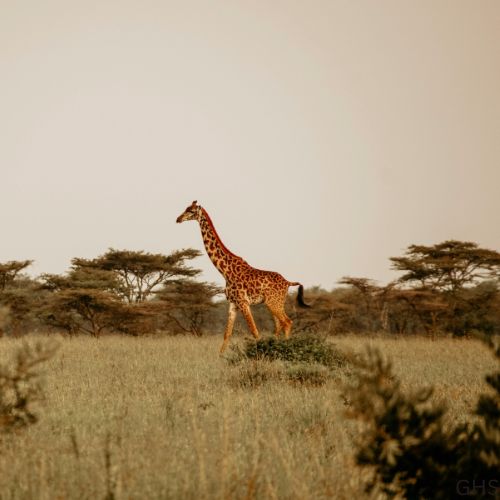
Why the “boring” rules make a Giraffe Hunt better
Giraffe hunting can look straightforward from the outside. The animal is enormous, highly visible and usually found in open or semi-open country. In practice, a giraffe hunt still depends on good judgement, patience and following the rules that govern the area you are hunting.
For hunters comparing Giraffe hunts, the important details are not only where the hunt takes place or what it costs. Legal permissions, concession rules, animal selection, shot angles, trophy handling and the decisions made by the PH all influence how the hunt is conducted.
The best giraffe hunts are usually the ones where nothing is rushed. The hunter understands what is legal, the PH is clear about which animal is suitable, and everyone is prepared to pass a poor opportunity rather than force the shot.
The legal frame: licenses, seasons, permissions, method rules
Every Giraffe Hunt sits inside national and regional wildlife laws. No shortcuts available for giraffe hunting regulations.
Your non-negotiables
- Licensed outfitter + licensed PH. Ask for license numbers and concession/ranch documentation. Pros share them without fuss.
- Open season + legal parcel. Your booking must tie to specific land and valid permissions for giraffe on your dates.
- Method rules. Some areas limit off-road driving, night activity, lights, or suppressors; caliber minimums may exist. Your PH will brief you before boots hit dirt.
- Export/import basics. If you’ll ship a skull, cape, or flat skin, paperwork must be accurate. It’s simpler than dangerous game admin, but names, dates, and species notes still need to match.
If anyone treats permits like an afterthought, slow down. The paperwork is the quiet piece that keeps the trip simple months later.
Same giraffe, different rulebooks: why concession choice matters more than the map
“Country” is the headline; concession is the story. Terrain, vegetation, and pressure shape your Giraffe Hunt far more than a brochure line.
- Vegetation & visibility. Mopane forms visual walls; acacia/combretum gives mixed lanes and shade pockets; sandveld opens longer glass but adds mirage.
- Topography. Koppies and rolling folds create vantage points for glassing and natural backstops for shots.
- Density & pressure. Some blocks hold relaxed resident groups; others produce older, wary bulls that hug thick cover and test your wind game.
- Access rules. Many concessions encourage on-foot approaches from drop points. That’s fair-chase, and better stories.
We pair you with teams that know where giraffe feed, rest, and slip when wind shifts.
Ethics: age class, sex ID, condition—and the pass that pays
Ethics aren’t a speech; they’re a hundred small decisions you make with your PH.
- Mature animals. Focus on older bulls or legally eligible animals as defined for that property. Your PH will read ossicone wear, head/neck mass, body condition, scarring, and behavior.
- Sex ID. Bulls carry thicker ossicones (often balder on top from wear), heavier heads, and broader chests; cows tend to show thinner ossicones with tufts and a narrower face.
- Body condition & herd context. If a calf is close by or the herd is bunched tight, wait for clean separation.
- Passing with purpose. Quartering-to through thorn? Wind just flipped? Animals behind your target? Don’t manufacture a shot. The pass you take now often becomes a perfect broadside at last light.
A crew that talks calmly about age class, angles, and restraint is a crew you can trust.
Safety and team choreography
Giraffe aren’t dangerous game, but the animals are huge, the team is close, and the terrain can be busy.
- Muzzle control—every second. Trackers, skinners, and your PH will be near you at odd angles.
- PH calls the shot. If they say “wait,” you wait. That’s how you avoid risky angles and busy backgrounds.
- Backstops matter. Brush isn’t a backstop, and a miss at height travels. Confirm what’s beyond the animal.
- Follow-up discipline. Cycle briskly, stay on target, and be ready. Don’t celebrate until the PH clears it.
- Vehicle etiquette. Off-loading distance, approach routes, and recovery paths follow the plan, not the moment.
Calm looks boring. That’s the goal.
Smart questions to vet an outfitter (copy this)
- Which concession/ranch are we hunting, and who holds permissions for giraffe there?
- Recent mature bulls: “Photos and age cues from the last two seasons?”
- Method plan: “Typical approach distances, expected yardage, and preferred rests?”
- Wind & terrain: “What’s the usual morning/afternoon wind and vegetation height for my dates?”
- Safety: “Backstop policy, off-loading distances, and follow-up roles?”
- Paperwork: “Who handles export docs and how do you coordinate import?”
- Rifle & ammo: “Given my experience, which caliber/bullet has worked best here?”
- Costs: “List every extra fee, fuel, transfers, permits, so I can plan cleanly.”
Straight answers come fast and match what you hear from references.
Red flags and easy mistakes to avoid
A short list that saves long days:
- Skipping the on-arrival zero. Flights shift scopes. Shoot a group before you hunt.
- Forcing through-brush shots. Twigs move bullets; tall animals make misses travel. Wait for daylight between ribs.
- Rushing on sticks. Settle, exhale, press, don’t yank.
- Paperwork apathy. Names, dates, and codes must match, full stop.
- Chasing height over age/condition. Mass, maturity, and character beat a few flashy inches.
- Ignoring wind. If the wind tells on you, the plan unravels fast.
If your gut says “not right,” listen. There’s always another window.
What success really looks like
It’s calm. It’s measured. It’s you and your PH moving like one mind, glass, decide, loop the wind, wait for the angle, make a clean shot, and hold for a controlled follow-up you may not need. It’s tidy paperwork, even salting, and photos that look like a magazine spread. That’s a Giraffe Hunt that still feels good a decade from now.
Frequently Asked Questions About Giraffe Hunts
Is a giraffe hunt considered Big Game hunting?
Yes. Giraffe are large African game animals and can fall within the broader category of Big Game hunting. They are not part of the Big Five, but their size, hunt structure and the judgement required in the field mean they fit naturally within the wider Big Game category.
Are giraffe hunts part of plains game safaris?
Yes. Giraffe are commonly hunted as part of broader plains game hunting safaris, although they may also be a specific objective within a multi-species safari.
Do giraffe hunting rules differ between concessions?
Yes. National or regional wildlife laws set the legal framework, but individual hunting areas can have different access rules, hunting methods, management objectives and conditions around which animals may be taken.
How do you know which giraffe is legal to hunt?
The professional hunter should confirm that the animal meets the legal and property-specific requirements before a shot is taken. Sex, age, condition, management objectives and the terms attached to the hunting area can all matter.
Can you pass on a legal giraffe?
Yes. Legal does not automatically mean it is the right animal or the right opportunity. A hunter may choose to pass because of the animal’s condition, herd position, shot angle, background or simply because the opportunity is not clean enough.
What should I confirm before booking a giraffe hunt?
Confirm the hunting area, who controls it, whether giraffe permissions are current, what class of animal will be hunted, which hunting methods are allowed, how trophy handling is managed and which costs are excluded from the quoted price.
Is giraffe hunting dangerous game hunting?
No. Giraffe are not normally classified with Africa’s traditional dangerous game species. They are extremely large animals and still demand careful shot placement and disciplined follow-up, but they sit outside the usual dangerous-game category.
Planning the Right African Hunting Trip
A giraffe hunt may be the main objective of a safari or one part of a broader multi-species itinerary. The important thing is matching the hunt structure, hunting area and available time to the species you actually want to pursue.
Hunters comparing different safari options can also explore our broader hunting trips in Africa to see how giraffe and other species fit into different hunt structures and destinations.