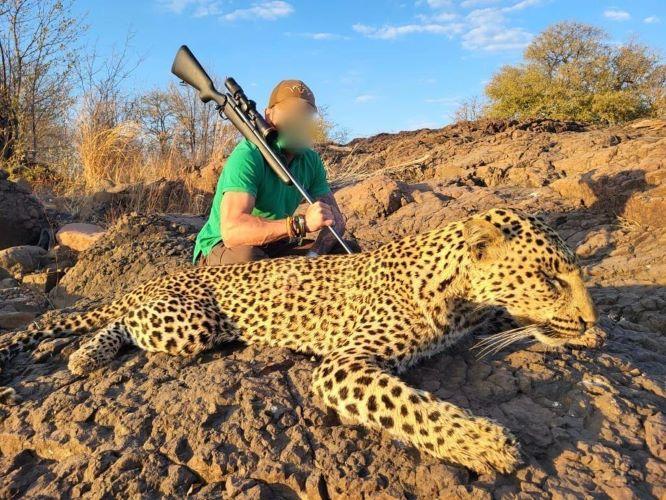
14-Day Leopard & Plains Game Safari | Matabeleland, Zimbabwe
Booking Season: 2026
Hunt Difficulty: Moderate, Difficult

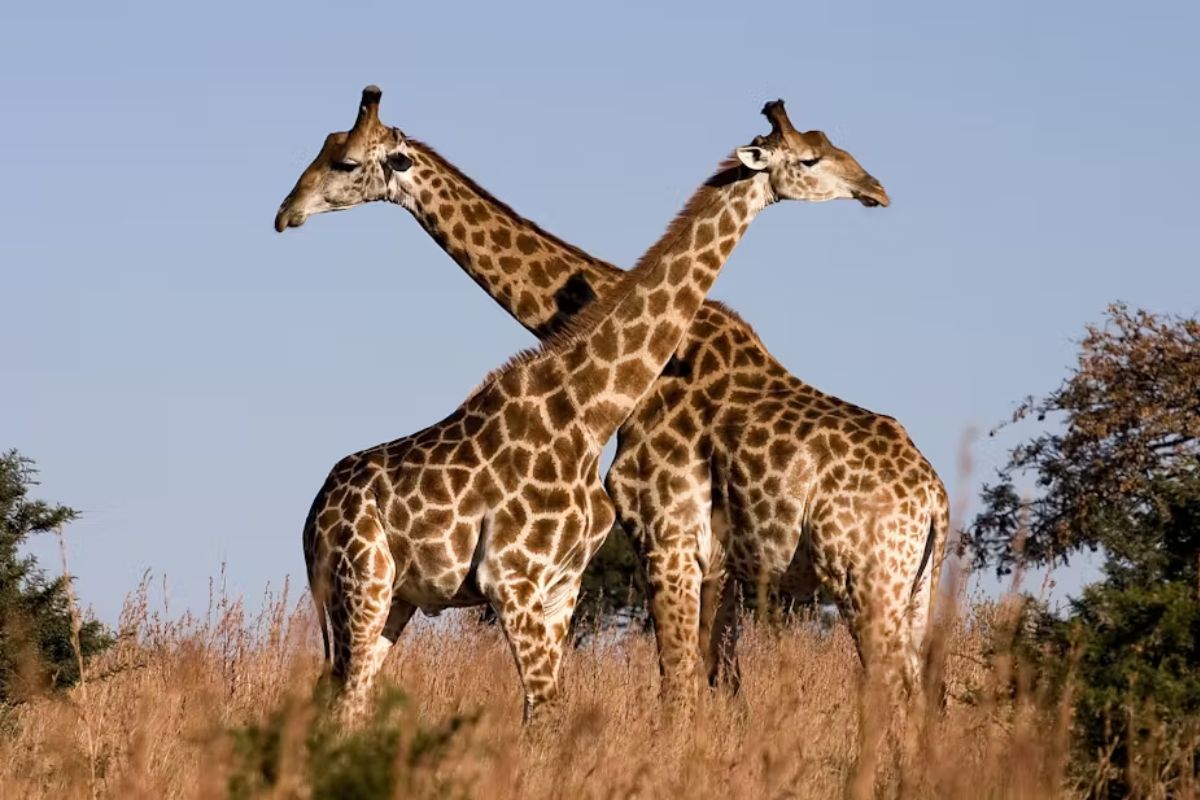
Giraffe hunting looks easy until you actually try to get close to one.
They are enormous animals, but that does not make them simple to hunt. A giraffe can stand above the bush and still disappear surprisingly well in broken thornveld. Their eyesight is exceptional, they cover ground quickly, and once a herd becomes alert, getting into a clean shooting position can take patience.
Available Giraffe Hunts
14-Day Leopard & Plains Game Safari | Matabeleland, Zimbabwe
Booking Season: 2026
Hunt Difficulty: Moderate, Difficult
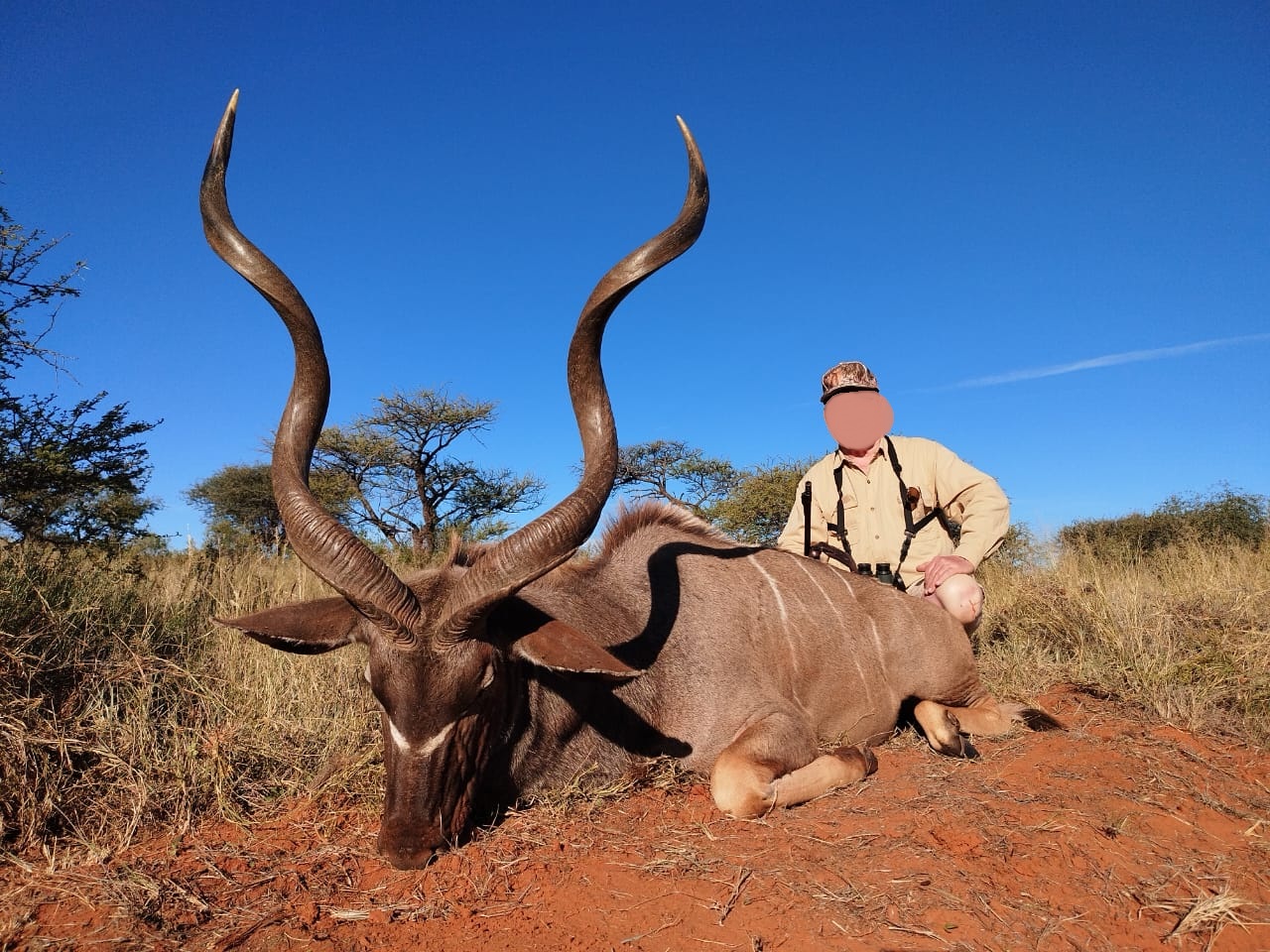
Family Hunting Adventure: Plains Game in Limpopo
Booking Season: 2026
Hunt Difficulty: Moderate
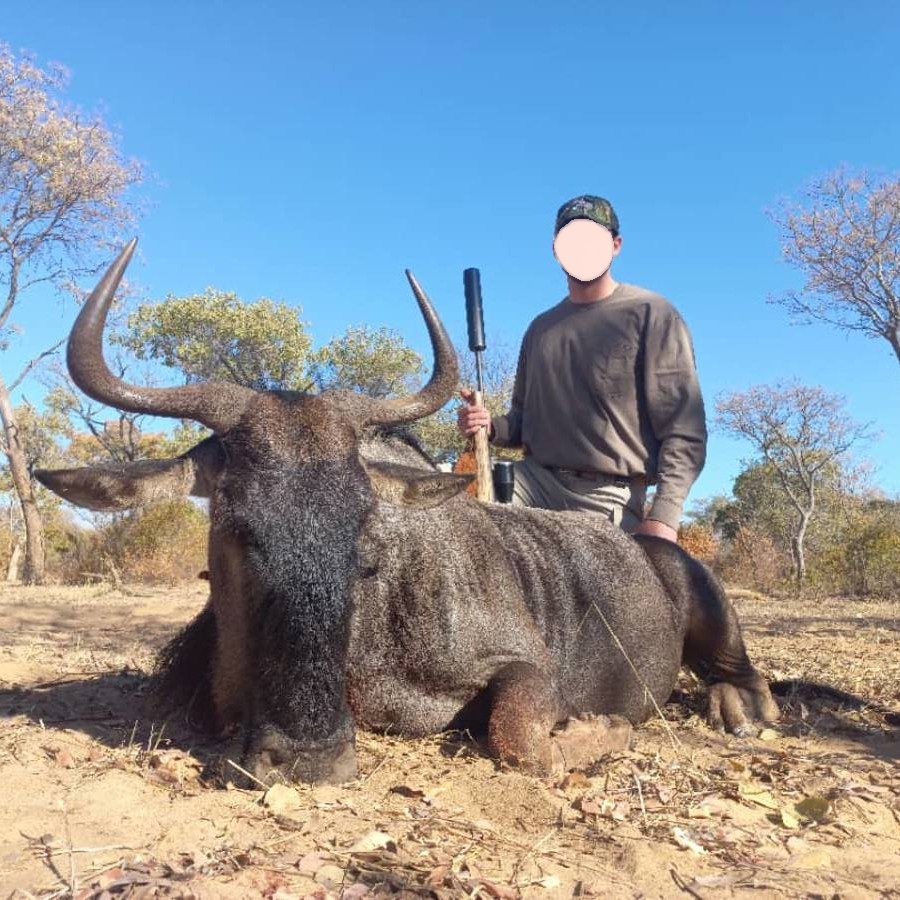
African Plains Game in Namibia: 5 Days, 4 Species, Plus FREE Observer Included!
Booking Season: 2026
Hunt Difficulty: Moderate
14-Day Cape Buffalo & Plains Game Safari for Two Hunters
Booking Season: 2026
Hunt Difficulty: Moderate, Difficult

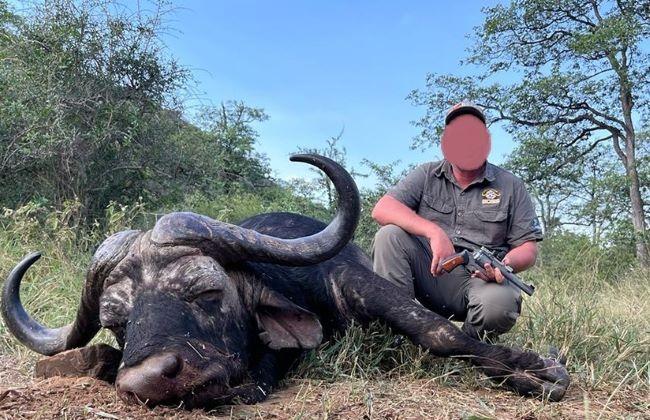
Cape Buffalo, Plains Game & Night Hunting in South Africa
Booking Season: 2026
Hunt Difficulty: Moderate, Difficult
Namibia Plains Game Extravaganza | 9 Species in 12 Days
Booking Season: 2026
Hunt Difficulty: Moderate
Hunt Namibia's Iconic Species: Kudu, Eland & Giraffe
Booking Season: 2026
Hunt Difficulty: Moderate
Giraffe Hunting Incl 3 x Spiral Horn, 10 x Days in Zimbabwe
Booking Season: 2026
Hunt Difficulty: Moderate, Difficult
Plains Game Hunting: 7 Days In Save Valley
Booking Season: 2026
Hunt Difficulty: Moderate, Difficult
Most giraffe hunts take place in southern Africa, particularly South Africa, Namibia and Zimbabwe, where the hunt may be conducted in anything from open savannah to thick bush and broken country. The terrain matters. So does the wind. So does having a PH who understands how to judge the animal and get the hunter into the right position.
Giraffe are often included as part of a broader plains game hunting safari, but they can just as easily become the main objective for a day or two. Either way, this is a hunt that rewards patience, good fieldcraft and accurate shooting. Giraffe can be hunted as a dedicated objective or included within a longer multi-species safari. A focused giraffe hunt may only require a few hunting days, while combining giraffe with kudu, wildebeest, gemsbok or other plains game normally calls for a longer safari.
The structure of the hunt matters more than the label. Hunters should understand which giraffe is available, the hunting area, how many days are allocated, whether the trophy fee is included or separate, and what permits or export documentation apply to the specific country and hunt.
The main giraffe hunting destinations are South Africa, Namibia and Zimbabwe, but the experience can differ considerably between them.
Giraffe hunting in South Africa offers the widest range of options, with hunts available in provinces such as Limpopo, North West and KwaZulu-Natal. Terrain can vary from open plains to thick thornveld and broken bush, so the style of hunt can change significantly from one property or region to another.
Giraffe hunting in Namibia is often associated with more open, arid country where visibility can be better, but long sight lines and sparse cover can make the final approach difficult.
Giraffe hunting in Zimbabwe offers a more traditional safari setting in many areas, with giraffe forming part of broader plains game or mixed-species hunts in larger hunting country.
The best choice depends less on the country name alone and more on the specific hunting area, terrain, available animals and how giraffe fits into the wider safari.
Giraffe can be hunted at different times of year depending on the country, but the cooler, drier months generally offer the best hunting conditions.
In South Africa, giraffe hunting can take place throughout the year, although May through September often brings cooler temperatures, thinner vegetation and better visibility. Namibia’s main hunting season runs from February through November, while Zimbabwe’s season generally falls between April and October. Dry-season conditions usually make giraffe easier to locate and stalk because vegetation is thinner, visibility improves and animals tend to use remaining water sources more predictably.
Giraffe hunting safaris provide a unique experience for hunters wanting to pursue an unusual and impressive African trophy.
A mature giraffe bull can stand between 16 and 18 feet tall and weigh between 2,500 and 3,000 pounds. Because giraffes continue growing throughout their lives, older bulls are often identified by thicker ossicones, darker coat patterns, and larger overall body size. A mature bull harvested on safari is considered an exceptional and unusual trophy for any serious African hunting collection.
Most giraffe hunts are conducted using spot-and-stalk hunting methods. Professional hunters and trackers first locate giraffe herds by glassing from elevated terrain or by following fresh tracks. Once a mature bull is identified, the hunting party carefully stalks within range using terrain, vegetation, and wind direction to remain undetected. Because giraffes stand far above surrounding vegetation and possess excellent eyesight, closing the final distance can often be the most challenging part of the hunt.
Not all giraffe hunts are structured the same way. In some areas, the challenge is finding and judging a mature bull among a healthy population. In thicker country, the harder part may simply be getting close enough for a clean shot. The hunting area matters. So does the number of giraffe available, the amount of hunting pressure they receive, the terrain, and whether the outfitter is selecting from several animals or already has a specific bull in mind.
Before booking, ask how giraffe are actually hunted in that area, how much time is normally allowed, and what sort of stalking conditions to expect. Those answers usually tell you more about the quality of the hunt than the country name alone.
A giraffe hunt can be undertaken as a standalone safari or as part of a larger African plains game hunt. These safaris typically include:
The cost of a giraffe hunt depends on the country, hunting area, quality of the animal and whether giraffe is booked as a dedicated hunt or added to a longer plains game safari.
Most hunts are priced using a combination of daily rates and a giraffe trophy fee, although some outfitters offer short packages that combine both. Trophy fees can vary considerably between areas, so the lowest advertised price should not be looked at in isolation. Before booking, confirm exactly what is included in the quoted price. Accommodation, meals, professional hunter services, trackers, hunting vehicle and field preparation are often included in the daily rate or package, while dip and pack, taxidermy, international shipping, transfers and gratuities are usually separate unless specifically stated.
For a broader breakdown of how safari costs are structured, see our African hunting safari prices guide.
Giraffe shot placement differs from most plains game due to the animal’s height and anatomy. The preferred shot is typically placed high on the shoulder to break the spine or through the heart-lung area when the animal is broadside. Due to the animal’s size, thick skin, and heavy bone structure, professional hunters generally recommend a minimum caliber of .375 H&H or similar to ensure a quick and ethical harvest.
A harvested giraffe provides a significant quantity of meat that is widely used within local communities and hunting camps. The hide is often used to produce leather goods, furniture coverings, and traditional crafts.
Ethical hunting operations ensure that the entire animal is utilized while contributing valuable revenue to conservation and rural economies. Because of the animal’s size, recovery, skinning and meat processing can take several hours and require additional manpower, suitable vehicles and careful planning. This is one of the practical differences between a giraffe hunt and most ordinary plains game hunts.
Search from our range of Hunts across various popular destinations in Africa.
Book Your Hunt