
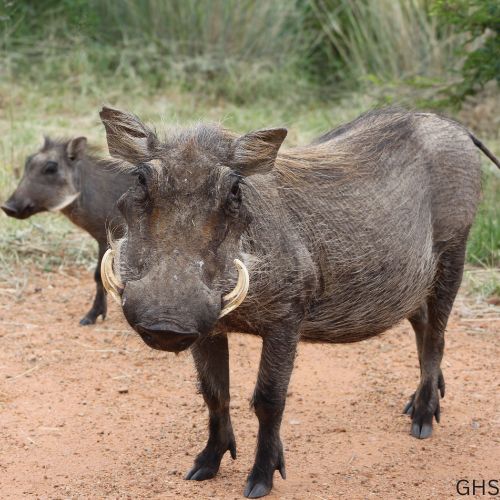
Planning a Warthog Hunt involves far more than choosing a destination and packing a rifle. Understanding local hunting regulations, selecting suitable equipment, preparing for travel and knowing what to expect in the field all contribute to a smoother and more enjoyable safari.
Although warthogs are among Africa's most popular plains game species, successful hunts still depend on good preparation. Hunting regulations vary between countries, hunting areas differ considerably, and practical decisions such as rifle selection, trophy care and travel planning are often best made well before leaving home.
This guide explains the practical aspects of planning a successful African warthog safari, from preparing for your trip and choosing the right equipment to understanding trophy care and the questions worth asking before you book. Hunters considering a broader Plains Game Hunt will also find many of the same planning principles apply, helping them make the most of their time in Africa.
Choosing the Right Country for a Warthog Hunt
Warthogs are widely distributed across southern and eastern Africa, but the hunting experience varies considerably from one country to another. Habitat, hunting methods, trophy quality and the opportunity to combine a warthog with other species all influence which destination is best suited to your safari.
Hunting in South Africa is often the first choice for hunters planning their first African safari. Warthogs are common throughout many hunting areas and are frequently pursued alongside species such as kudu, impala, zebra and wildebeest. Namibia Hunting Safaris offer a different style of hunt, with more open terrain where longer shots and careful glassing are often part of the experience, while countries such as Zimbabwe provide a more traditional safari setting in large unfenced hunting areas.
Rather than choosing a destination based solely on trophy size, think about the type of safari you want to enjoy. Some hunters hope to take a mature warthog while pursuing a variety of plains game species, while others specifically set out to hunt an old boar. An experienced outfitter can help match your expectations, budget and available hunting days with the destination that best suits your safari.
Choosing the Right Hunting Area
Not all warthog hunting areas produce the same type of trophy. Habitat, hunting pressure, food availability and even the soil and terrain all influence the size and character of mature boars.
In agricultural areas with abundant food, warthogs often reach heavier body weights and excellent tusk development. By contrast, boars living in rocky country or hard, abrasive soils may wear their tusks down over many years, even though they are fully mature animals. Hunters looking for exceptional tusk length often choose areas known for producing older boars with minimal tusk wear, while others are simply looking to add a representative warthog to a broader African safari.
The type of hunt also matters. Some properties manage warthogs as an important trophy species, with selective harvesting of mature boars. Others have abundant populations where warthogs are commonly taken as part of plains game safaris or population management programmes. Neither approach is necessarily better; it simply depends on the type of hunt you are looking for.
Before booking, ask your outfitter about the hunting area, the average age and quality of boars taken there, and whether the safari is aimed primarily at trophy hunting or opportunistic hunting during a broader plains game safari. Setting realistic expectations before you arrive will help ensure the hunt matches your goals.
What to Expect During a Typical Day
Most warthog safaris begin early, taking advantage of the cooler morning hours when animals are active. Depending on the hunting area, the day may involve driving between different parts of the property before continuing on foot, or it may begin with a walk directly from camp.
Unlike hunts that focus exclusively on one species, warthogs are frequently encountered while pursuing other plains game. A slow morning tracking kudu or searching for a mature wildebeest can suddenly become exciting when a good boar appears from a patch of thornveld or trots across an open clearing. Many Professional Hunters joke that warthogs have a habit of brightening the day just when the hunting has gone quiet, creating unexpected opportunities that quickly lift everyone's spirits.
Dedicated warthog hunts naturally focus more time on finding mature boars, but even then, no two days are alike. Weather, wind and animal movement constantly influence the hunt, and experienced Professional Hunters adapt their plans to the conditions rather than following a fixed routine.
Choosing the Right Rifle
Warthogs do not require exceptionally large calibers, but they do deserve the same level of preparation as any other African game animal. The most important factor is bringing a rifle that you shoot confidently and accurately, rather than choosing a calibre simply because it is more powerful.
Popular plains game calibers such as the .243 Winchester, .270 Winchester, .308 Winchester and .30-06 Springfield have accounted for countless warthogs over the years. Hunters planning to pursue larger plains game species during the same safari may also choose cartridges such as the .300 Winchester Magnum, provided they remain comfortable shooting from sticks under field conditions.
Before travelling, spend time practising from shooting sticks, as this is the position most commonly used during African safaris. Arriving confident with your rifle will do far more for your success than chasing extra velocity or energy.
Precise shot placement remains the key to a quick, ethical harvest. Hunters unfamiliar with warthog anatomy should review our Shot Placement Guide for Hunting Game in Africa, which includes detailed diagrams and recommendations for warthogs and many other African species.
Understanding Hunting Regulations
Hunting regulations vary between African countries, and in some cases even between provinces or individual hunting areas. Seasons, licensing requirements, permitted hunting methods and firearm import procedures can all differ depending on where you choose to hunt.
Fortunately, reputable outfitters handle much of this process on your behalf. They will advise you on the applicable hunting season, obtain the necessary permits where required and guide you through any firearm import documentation before your safari begins.
It is also worth understanding that regulations are designed to support sustainable wildlife management. Hunting quotas, permit systems and species-specific rules help ensure healthy warthog populations while allowing hunters to enjoy ethical, well-managed safaris.
Before confirming your booking, ask your outfitter what documentation you will need before travelling and whether there are any country-specific requirements that should be completed well in advance of your departure.
Understanding the Cost of a Warthog Hunt
The cost of a warthog hunt depends on far more than the trophy fee alone. Your final safari budget will be influenced by the destination you choose, the number of hunting days, whether you're hunting one species or several, the standard of accommodation, and any additional travel or trophy export costs.
Most African hunting safaris include the services of a licensed Professional Hunter, trackers, accommodation, meals and transport within the hunting area. Depending on the outfitter and safari package, trophy fees may either be included in the quoted price or charged separately. Hunters should also budget for expenses such as international flights, rifle hire where required, taxidermy, dip and pack services, shipping and any import costs once trophies arrive home.
Rather than comparing hunts on price alone, it is important to understand exactly what is included in each quotation. A safari with a higher upfront price may ultimately represent better value if it includes services that would otherwise be charged separately.
Hunters looking for a more detailed explanation of how African safari pricing works can read our African Hunting Safari Prices guide, which explains daily rates, trophy fees, common additional costs and the factors that influence the overall cost of a hunting safari.
Questions to Ask Before Booking
Booking a warthog hunt is about more than comparing prices or choosing a destination. Asking the right questions before paying a deposit will help ensure the safari matches your expectations and reduce the chance of unexpected surprises once you arrive in Africa.
Ask your outfitter about the hunting area itself, including the type of habitat, the average quality of mature boars and whether warthogs are primarily hunted as trophy animals or encountered as part of a broader plains game safari. Understanding the hunting style and what a typical day looks like will help you decide whether the safari suits your goals.
It is equally important to confirm exactly what is included in the quoted price. Ask whether trophy fees, airport transfers, rifle hire, observer rates and trophy preparation are included or charged separately. Knowing these details before booking allows you to compare safari quotations fairly and budget with confidence.
Finally, discuss the practical arrangements before travelling. Confirm what documentation you will need, what equipment your outfitter provides, and whether there are any country-specific requirements you should complete before your departure. Reputable outfitters are always happy to answer these questions and help hunters prepare for a successful safari.
What Should You Pack?
Packing for a warthog hunt is generally straightforward. Comfortable, well-worn boots, quiet neutral-coloured clothing and a hat for protection against the African sun are far more important than carrying large amounts of specialist equipment. Most outfitters provide shooting sticks, hunting vehicles and the equipment needed for the safari itself.
If you are bringing your own rifle, make sure you have practised with it before travelling and confirm the applicable firearm import requirements for your destination. Binoculars, sunglasses, sunscreen and copies of your travel documents are all worthwhile additions to your hunting gear.
One item that should never be overlooked is your personal medication. Many African hunting areas are located in remote regions where pharmacies and medical facilities may be several hours away. If you rely on prescription medication or have any specific medical requirements, pack enough for your entire trip, together with a small reserve in case of unexpected travel delays. While professional hunting outfitters typically carry well-stocked first-aid kits and basic medical supplies for treating minor injuries and common ailments, they cannot be expected to carry every prescription medication a hunter may require.
Perhaps the biggest mistake first-time hunters make is overpacking. African hunting safaris are practical by nature, and experienced hunters soon discover that comfortable clothing, reliable footwear and familiar equipment contribute far more to a successful hunt than the latest gadgets or unnecessary accessories.
Final Thoughts
Planning a successful warthog hunt begins long before you arrive in Africa. Choosing the right country, selecting a hunting area that matches your expectations, understanding the costs involved and preparing properly all help create a smoother, more enjoyable safari.
Whether a mature warthog is your primary trophy or simply one of several species on your wish list, careful preparation allows you to spend less time worrying about logistics and more time enjoying the hunt. Many hunters discover that warthogs become one of the unexpected highlights of their safari, providing memorable stalks and exciting opportunities throughout the trip.
If you are still deciding where to hunt or which safari best matches your goals, our Hunting Trips guide provides an excellent starting point. It explains the different types of African hunting safaris available and can help you choose the destination, species and hunting experience that best suits your budget, timeframe and expectations.
Good planning rarely guarantees a perfect hunt, but it almost always leads to a better one.
Frequently Asked Questions
Can I hunt a warthog on my first African safari?
Yes. Warthogs are an excellent species for first-time hunters visiting Africa. They are widely available in many hunting destinations, can be pursued using traditional spot-and-stalk hunting methods and are often included as part of broader plains game safaris. Many hunters who initially view warthogs as a secondary species quickly discover they become one of the most memorable trophies of the trip.
Which African country offers the best warthog hunting?
South Africa, Namibia and Zimbabwe are all excellent destinations, but each offers a different hunting experience. South Africa is often chosen by first-time visitors because of its accessibility and variety of plains game. Namibia provides more open terrain and longer spotting opportunities, while Zimbabwe offers a traditional safari atmosphere in extensive unfenced hunting areas. The best destination ultimately depends on the type of safari you want to enjoy.
What is the best time of year to hunt warthogs in Africa?
Warthogs can be hunted throughout the legal hunting season in most African countries. The cooler, drier months are generally preferred because vegetation is less dense, animals are easier to locate and hunting conditions are more comfortable. The ideal months vary by destination, so discuss the timing with your outfitter before booking.
What calibre should I use for a warthog hunt?
Most standard plains game calibres are well suited to warthogs. Cartridges such as the .243 Winchester, .270 Winchester, .308 Winchester and .30-06 Springfield have proven themselves for decades. More important than calibre is using a rifle you shoot confidently and placing your shot accurately under field conditions.
Can I bring my own rifle to Africa?
Yes. Most African hunting destinations allow visiting hunters to import their own sporting rifles, provided the necessary documentation and temporary import permits are completed. Firearm regulations differ between countries, so always confirm the requirements with your outfitter well before travelling.
Can I export my warthog trophy to the United States or Canada?
In most cases, yes. Warthog trophies can generally be exported legally, provided all permit, veterinary and export requirements are met. Your outfitter and taxidermist will normally coordinate the export process, while a customs broker in your home country can assist with the import requirements. It is always advisable to confirm the latest regulations before booking your safari.
Do I need previous hunting experience to hunt a warthog?
No. Warthogs are well suited to both experienced hunters and those planning their first African safari. Success depends far more on listening to your Professional Hunter, practising with your rifle before travelling and arriving with realistic expectations than on previous African hunting experience.
Can I hunt other species during a warthog safari?
Absolutely. Warthogs are commonly hunted as part of a broader plains game safari, and many hunters combine them with species such as Kudu Hunts, Impala Hunts and Waterbuck Hunts. One of the advantages of an African hunting safari is the opportunity to pursue several species during the same trip, making the most of your time in Africa while enjoying different hunting methods, habitats and terrain.
About the Author
Tamlyn van Wyk is the Co-Founder of Game Hunting Safaris and has spent years travelling throughout Africa's leading hunting destinations alongside professional hunters, outfitters and international clients. Drawing on firsthand experience in the safari industry, she writes writes practical guides that help hunters plan and prepare for their African hunting safaris.