
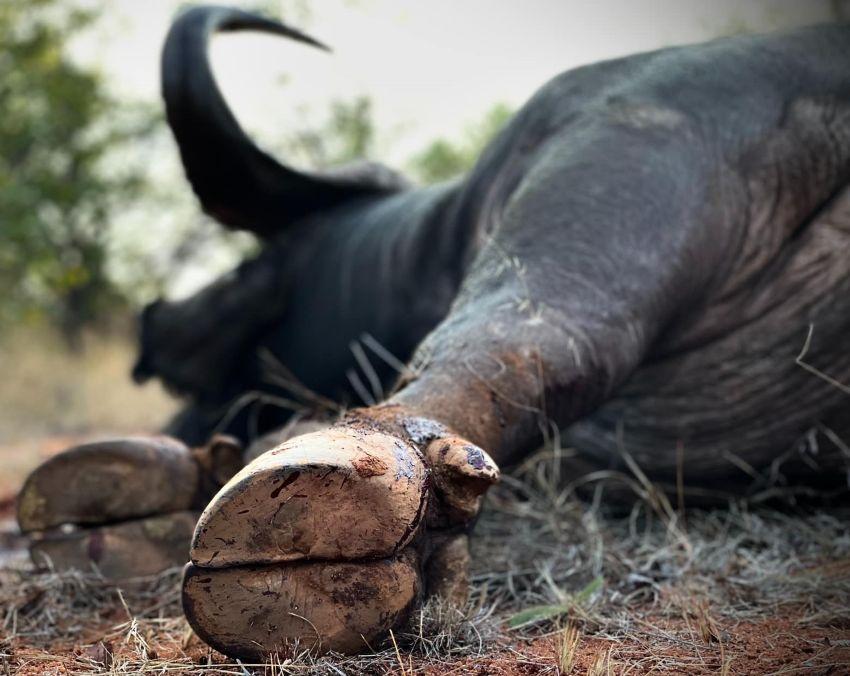
Preparing properly for an African buffalo safari involves considerably more than buying suitable clothing and choosing a large-caliber rifle. A hunter must arrive comfortable with the rifle, capable of shooting from sticks and physically prepared to spend long hours tracking in difficult country.
Conditions differ between destinations and hunting areas, but the fundamentals remain the same. Boots should already be broken in, equipment should be familiar and rifle practice should include realistic shooting positions rather than relying entirely on a bench. The hunter must also be ready to listen carefully and respond immediately when the Professional Hunter gives an instruction.
Hunters still deciding where to go, what a safari costs or how buffalo are hunted can find that broader information on our primary Cape Buffalo Hunts page. This article deals specifically with what the hunter should do before arriving in camp.
[DYNAMIC-BLOGTABLEOFCONTENT]
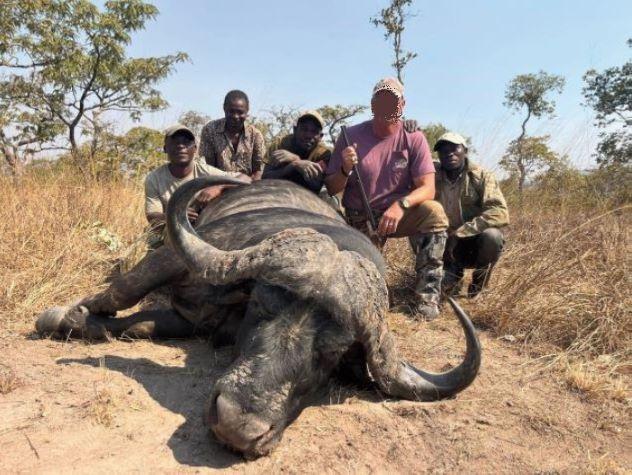
Key Takeaways
- Arrive comfortable with the rifle, its safety and its action rather than trying to build confidence after reaching camp.
- Practise from shooting sticks and realistic field positions, including controlled follow-up shots.
- Build enough fitness to walk for several hours over uneven ground and in warm conditions.
- Break in boots well before departure and keep clothing and everyday field gear simple.
- Confirm rifle-import paperwork, ammunition restrictions and minimum-caliber requirements with the outfitter.
- Ask about the terrain and expected amount of walking so that preparation reflects the actual hunting area.
- Listen carefully to the Professional Hunter and be ready to respond immediately when an instruction is given.
What a Hunter Should Prepare for Before the Safari
Buffalo sits at the demanding end of Big Game Hunting in Africa, and the preparation required can vary considerably between hunting areas. A hunter may spend hours following tracks through heat and thick cover or covering broken ground before a suitable opportunity develops. Arriving physically ready and completely familiar with the rifle matters far more than trying to improve either once the safari has begun.
Physical Demands Vary Between Hunting Areas
The physical demands of a buffalo safari depend heavily on the country, terrain and time of year. Some hunts involve long hours following tracks through sand or open woodland, while others require shorter but more difficult walks through heat, mud or thick cover.
Ask the outfitter what a normal hunting day involves before deciding how to train. A hunter does not need exceptional fitness, but should be comfortable walking for several hours, stepping over fallen timber and remaining steady enough to shoot after physical exertion.
Arrive Familiar With Your Rifle and Equipment
A buffalo safari is not the place to become familiar with a new rifle. Before travelling, the hunter should be completely comfortable with the safety, trigger, bolt or action, scope and sling. Rifle handling should feel natural without requiring conscious thought.
Practise from shooting sticks, standing and other realistic field positions. Include controlled follow-up shots and occasional practice after walking or mild exertion. This provides a far better indication of field readiness than shooting exclusively from a bench.
Preparation becomes especially important when pursuing species included in Dangerous Game Hunts, where rifle familiarity, discipline and an immediate response to the Professional Hunter’s instructions all matter.
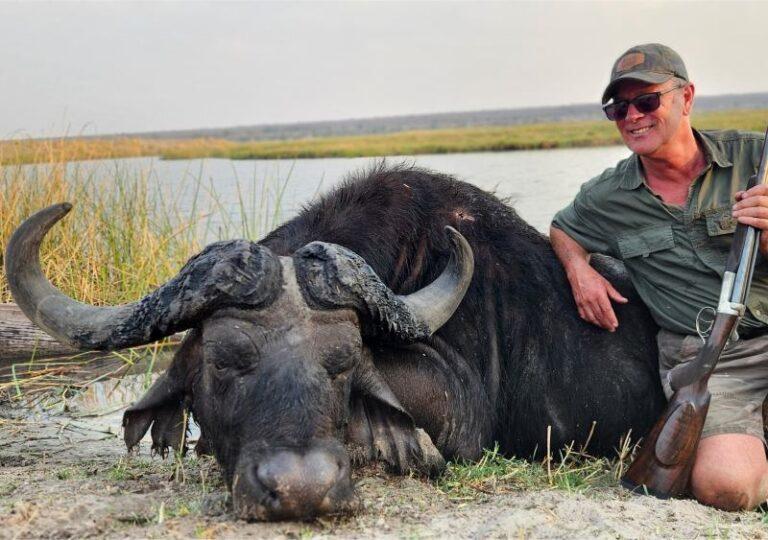
What to Bring on an African Buffalo Safari
The correct equipment will depend on the destination, season and hunting area. Before buying additional gear, ask the outfitter what conditions to expect and what will already be available in camp. Familiar, reliable equipment is generally more useful than packing for every possible situation.
Rifle and Ammunition Preparation
Confirm the required caliber and recommended ammunition with the outfitter before travelling. Regulations and field conditions differ between countries, and the Professional Hunter may have specific preferences based on the hunting area.
Use the same rifle, scope and ammunition during practice that you intend to use on safari. Confirm reliability, learn how the rifle handles from sticks and practise cycling the action without lifting your head unnecessarily. The rifle should be checked again after arriving in camp because air travel can affect zero.
Rifle practice should also include a clear understanding of Cape Buffalo Shot Placement. Knowing the correct aiming point before arriving allows the hunter to concentrate on the animal, shooting position and Professional Hunter’s instructions when an opportunity develops.
Boots and Clothing
Boots should be comfortable, quiet and thoroughly broken in before departure. The best footwear depends on whether the hunt involves sand, rocks, mud or long walks through dry bush, so ask the outfitter what works in that particular area.
Lightweight clothing in neutral colors is normally more practical than heavy camouflage. Pack enough layers for cool mornings, warm afternoons and unexpected rain without carrying an excessive wardrobe. A hat, light gloves and a simple rain layer may also be useful depending on the season.
Optics and Everyday Field Gear
A familiar scope and a dependable pair of binoculars are generally more valuable than complicated equipment that has not been used before. Make sure all optics are properly adjusted and comfortable to use before leaving home.
The Professional Hunter and trackers normally handle navigation and much of the specialist field equipment. Hunters should therefore confirm what they are expected to bring instead of automatically packing GPS devices, maps and unnecessary accessories.
What Belongs in the Daypack
Keep the daypack light enough that it does not become a burden during a long tracking day. Water, spare ammunition, sunscreen, personal medication, a compact rain layer and a few basic essentials will usually be sufficient.
Ask the outfitter whether water, first-aid supplies and other equipment will be carried by the hunting team. Game bags, processing equipment and bulky survival gear should not be packed unless the outfitter specifically requests them.
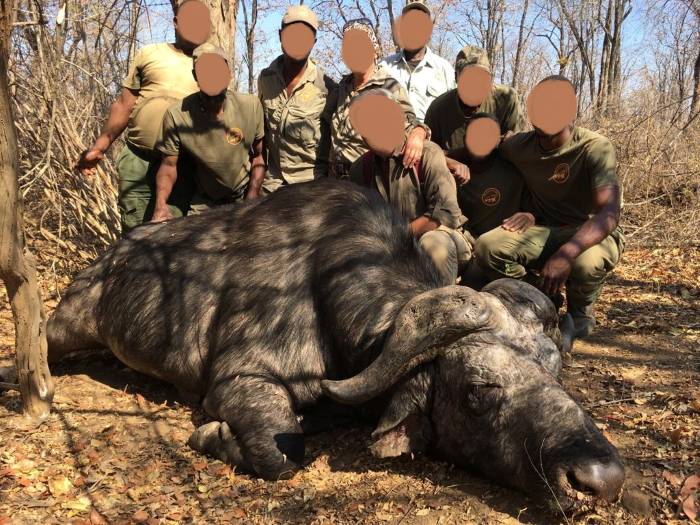
Preparation That Cannot Wait Until Camp
The broader decisions involved in planning Cape Buffalo Hunts, including destination, hunting area and safari structure—should already have been settled. The hunter’s remaining responsibility is to arrive physically prepared, familiar with the rifle and ready to work with the Professional Hunter.
Be Ready to Follow the Professional Hunter
A hunter should understand before arriving that the Professional Hunter controls the final approach and shooting opportunity. Instructions may be short and immediate, particularly when visibility is limited or animals are moving.
Listen carefully during the pre-hunt briefing and ask questions before entering the field. When the moment arrives, the hunter must be ready to adjust the sticks, move position, wait or shoot without lengthy discussion.
Communication When It Matters
The Professional Hunter should know which instructions the hunter understands clearly and whether hearing protection could affect communication. Discuss simple commands for stopping, moving, waiting and preparing for a follow-up shot before the hunt begins.
The tracker and Professional Hunter will normally manage the approach. The visiting hunter’s role is not to organise formations or direct the team, but to remain quiet, attentive and ready to follow instructions.
Build Fitness Without Overcomplicating It
Preparation does not require an elaborate training program. Consistent walking, moderate cardiovascular exercise and basic leg strength will help considerably, particularly when the hunt involves heat or uneven ground.
Learn What the PH Expects Before the Hunt
Ask how far hunters typically walk, what the terrain is like and whether shooting opportunities commonly follow a lengthy track. This information allows training to reflect the actual safari rather than an imagined version of buffalo hunting.
The Professional Hunter will interpret tracks, animal behaviour and changing field conditions. The visiting hunter should concentrate on remaining alert, handling the rifle safely and following instructions.
Emergency Planning Before Leaving Home
Provide the outfitter with relevant medical information and confirm what emergency communication and evacuation arrangements exist in the hunting area. Carry personal medication in sufficient quantities and keep essential prescriptions in hand luggage while travelling.
Emergency responses in the field must be directed by the Professional Hunter. Generic online advice cannot account for the terrain, distance, animal or exact circumstances of an incident.
Staying Physically and Mentally Prepared
Regular walking is the simplest preparation for long days in the field. Add hills, uneven surfaces or a light pack when possible, and wear the boots intended for the safari during some training sessions.
Mental preparation is equally straightforward. Arrive patient, accept that opportunities cannot be forced and remain composed when instructions are given quickly. Confidence should come from preparation rather than assumptions about how the hunt will develop.
Rifle Paperwork and Safari Requirements
International African Hunting Trips require preparation beyond the hunt itself. Confirm rifle-import documentation, airline firearm procedures, ammunition limits and transit-country requirements well before departure. The outfitter should also confirm any permits or documentation arranged locally.
Confirm the Paperwork Before Departure
Requirements vary by destination, airline and transit route. Confirm every document directly with the outfitter or rifle-permit service rather than relying on an old checklist or information from a different country.
Check firearm details, ammunition limits, permit dates and the spelling of names before departure. Keep printed and electronic copies of important documents and allow enough time to correct mistakes before flying.
Final Preparation Before Flying to Africa
A well-prepared hunter arrives with broken-in boots, familiar equipment, the correct paperwork and enough fitness for the expected terrain. More importantly, he arrives ready to listen to the Professional Hunter and adapt to the conditions encountered in the field.
Once those fundamentals are covered, there is little value in filling bags with unnecessary equipment or trying to predict every situation. Good preparation should make the safari simpler, not more complicated.
Frequently Asked Questions
How fit should I be before an African buffalo safari?
You do not need to train like an athlete, but you should be comfortable walking for several hours over uneven ground and in warm conditions. Regular walking, moderate cardiovascular exercise and some leg-strength work can make long tracking days considerably easier.
How should I practise with my rifle before the safari?
Practise from shooting sticks and realistic field positions rather than spending all your time at a bench. You should be comfortable operating the safety, cycling the action and taking a controlled follow-up shot without having to think about the rifle’s controls.
Should I practise with the same ammunition I will use in Africa?
Yes. Confirm with your outfitter which ammunition will be used and practise with it before travelling. Different loads can change recoil, point of impact and how confidently you handle the rifle. The rifle should also be checked again after arriving in camp.
Should I buy new boots for the safari?
New boots should be purchased and worn well before departure. Buffalo country can involve long walks through sand, rocks, mud, thorns and uneven ground. Arriving with boots that have not been broken in can quickly cause blisters and make every day more difficult.
What should I carry in my daypack?
Keep the daypack light. Water, spare ammunition, basic medication, sunscreen, a compact rain layer and any personal essentials are generally sufficient. Your Professional Hunter or outfitter can advise you if the hunting area requires anything additional.
What should I confirm with the outfitter before travelling?
Confirm rifle-import requirements, ammunition restrictions, minimum-caliber rules, clothing recommendations, expected terrain and the level of walking involved. You should also ask what equipment will already be available in camp so that unnecessary gear can be left at home.