
Hunting in Africa is an experience unlike any other, and Tanzania remains one of the continent’s most iconic destinations for dangerous game and plains game hunting alike. From vast unfenced wilderness areas and remote safari concessions to exceptional trophy quality, the country offers hunters an authentic East African safari adventure steeped in tradition and challenge. Whether pursuing buffalo, lion, leopard, elephant, or sought-after antelope species, Tanzania hunting safaris deliver some of the most rewarding and memorable experiences Africa has to offer. Hunters looking to pursue Africa’s most iconic species can also explore our dangerous game hunts for additional safari opportunities across the continent.
Tanzania continues to attract hunters from around the world, including experienced international sportsmen seeking a traditional East African safari experience in some of Africa’s last truly wild hunting areas.
[DYNAMIC-BLOGTABLEOFCONTENT]
Key Takeaways
- Tanzania remains a sought-after game hunting destination with the international hunting community
- The region offers an array of game hunting species to target, including plains game and dangerous game options.
- These species include iconic game, such as the lion, leopard, Cape buffalo, greater kudu, sable and roan, to mention but a few.
- Hunting licenses are required for a Tanzanian hunt and these come in 10-day, 16-day and 21-day options, depending on the species that are going to be targeted.
- Tanzania offers diverse hunting concessions across remote wilderness regions with exceptional dangerous game and plains game opportunities.
- The official hunting season in Tanzania is annually from 01 July – 31 December.
Why Tanzania is a Premier African Hunting Destination
Did you know that close to 75% of Tanzania’s territories are comprised of hunting areas, wildlife parks, and game reserves? Many of these reserves are unfenced, allowing hunters to experience the thrill of an authentic hunting adventure in the heart of Africa. Add to this a wide array of game species, diverse landscapes, and challenging terrain, and you have all the ingredients for a truly authentic East African safari experience.
Tanzania is a sought-after hunting destination for many reasons:
- It offers hunters diverse landscapes and conditions: From swamps and savannas to wetlands and forests, each ecosystem offers hunters a unique set of challenges and species to target.
- Hunters can experience Africa at its best with remote hunting locations, and unfenced hunting areas.
- Tanzanian hunting safaris combine exceptional dangerous, big game and African plains game species.
- Seasonal variations allow hunters to challenge themselves, with the dry season allowing better visibility and easier tracking than the wet season.
- Hunters get to experience the challenges and rewards of hunting exceptional trophies in testing conditions, like Frederick Courtney Selous during his hunting safaris in the region.
Hunting Licenses in Tanzania
Tanzania’s strict quota and licensing systems play an important role in supporting sustainable wildlife management, conservation efforts, and ethical hunting practices throughout the country’s safari areas.
10-Day License:
This specific license allows for the hunting of buffalo as well as specific African plains game species, including the bushbuck, impala, warthog and zebra. This is generally a less expensive license than the other license options, and this must be purchased even if the hunt is shorter than 10 days.
16-Day License:
All species that are hunted under the 10-day license can be targeted under this license, as well as additional game species, such as the Nile crocodile and waterbuck. This license does cost more than the 10-day one, as there are additional species included.
21-Day License:
This is seen as the premier license and offers hunters the widest array of species, including dangerous game such as the lion, leopard, elephant, and hippo, together with plains game species such as the eland, greater kudu, sable and the roan. This is the most expensive of the license options, due to the length of the Tanzania hunting safari, as well as the sought-after species that are included in this hunting license.
This license does, however, have restrictions on it. Even when there are two hunters and one guide, only one leopard and lion can be hunted.
Please note: These rules, regulations, and information can be altered at any time, and it’s always recommended to check with your outfitter or service providers for any updates and changes.
Top Dangerous Game & Plains Game Species in Tanzania
Tanzania is renowned for its exceptional variety of dangerous game and plains game species, with iconic trophies such as Cape buffalo, lion, leopard, sable, kudu, and roan attracting hunters from around the world. These are some of the most sought-after game species found across Tanzania’s remote hunting concessions and wilderness areas.
The Cape Buffalo
Known for its fierce temperament, aggression, and never-say-die attitude, the Cape buffalo is widely regarded as one of Africa’s most dangerous animals. Often referred to as Africa’s Black Death or the Widow Maker, these powerful bovines have earned a fearsome reputation among professional hunters and safari enthusiasts alike. Hunters planning Cape buffalo hunts should ensure they are accompanied by experienced professional hunters and trackers, as wounded buffalo are notorious for doubling back on the hunting party and turning the hunter into the hunted.
Some of the best regions for buffalo hunting in Tanzania include the Kilombero Valley, Rungwa Game Reserve, and Selous Game Reserve. While the Rungwa and Selous regions offer more open savanna terrain, the marshlands and dense vegetation of the Kilombero Valley provide hunters with an even greater tracking challenge. The dry season is generally considered the best time to pursue buffalo, as reduced vegetation improves visibility and tracking conditions considerably.
As with all dangerous game safaris, understanding proper shot placement is essential, and hunters should familiarize themselves with vital zones before the hunt by reviewing our Cape buffalo shot placement guide.
The Lion
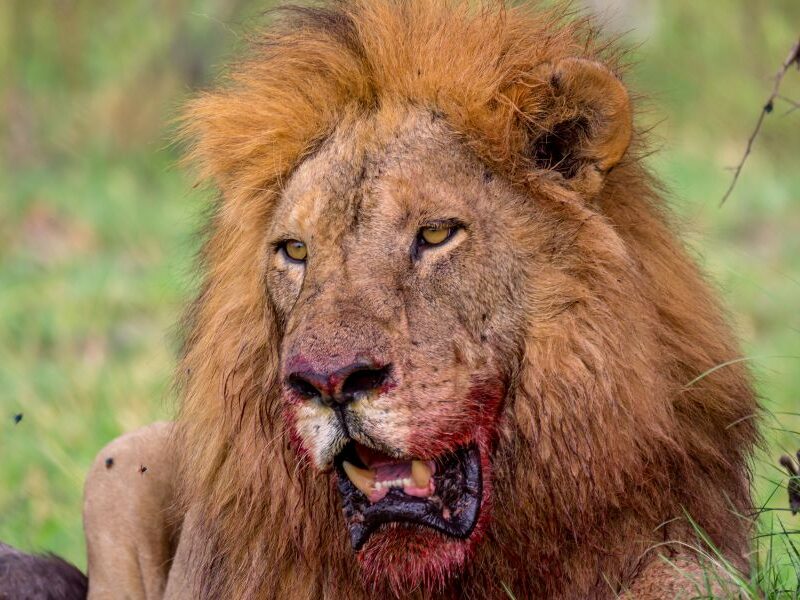
Africa and lions are forever intertwined, and few trophies command as much respect as the king of the jungle. Powerful, intelligent, and exceptionally dangerous, lions remain one of the most sought-after species in African dangerous game hunting. Hunters pursuing lion hunts quickly discover that patience, discipline, and accurate shooting are just as important as tracking ability when following these predators through remote safari concessions. While lion hunting can be productive throughout the season, the dry months generally provide improved visibility and significantly better tracking conditions.
Some of the most respected regions for hunting lion in Tanzania include the Rungwa Game Reserve, Moyowosi Game Reserve, and the Kizigo Central Areas. These remote hunting blocks are renowned for producing exceptional trophies while delivering a truly authentic East African safari experience in vast unfenced wilderness areas.
A lion safari is never a sprint. Success often comes down to endurance, patience, and remaining calm under pressure when the moment finally arrives. Proper shot placement is absolutely critical when hunting dangerous game, and hunters should familiarize themselves with recommended techniques and vital zones before the safari begins by reviewing our lion shot placement guide.
The Leopard
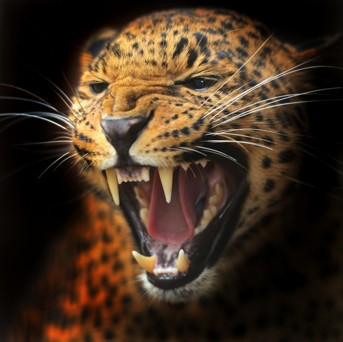
Widely regarded as one of Africa’s most elusive predators, the leopard is a master of camouflage and stealth. These stunning spotted cats are exceptionally wary and predominantly nocturnal, adding another layer of difficulty to an already challenging safari. Hunters pursuing leopard hunts quickly learn that patience, precision, and attention to detail are critical when tracking one of Africa’s most intelligent dangerous game species. The dry season is generally considered the best time to target leopard, as reduced vegetation and increased nighttime activity improve visibility and tracking opportunities.
Underestimating a leopard is a serious mistake. Despite their relatively smaller size compared to other dangerous game animals, wounded leopards are notoriously aggressive and exceptionally dangerous at close quarters.
For hunters considering leopard hunting in Tanzania, some of the premier regions include the Selous Game Reserve, Rungwa Game Reserve, and the Kizigo Central Area. The dense vegetation and remote wilderness concessions found throughout Selous and Rungwa create ideal leopard habitat while also presenting hunters with a truly testing safari experience.
As with all dangerous game safaris, proper shot placement is essential when hunting leopard. Hunters should familiarize themselves with the correct vital zones and shooting angles before the hunt by reviewing our leopard shot placement guide.
The Elephant
African elephants are often referred to as “gentle giants,” but seasoned hunters and professional guides know that this reputation can be dangerously misleading. Highly intelligent, incredibly social, and fiercely protective of their herds, elephants can become extremely aggressive when threatened or pressured, especially in areas impacted by poaching or previous hunting activity. Their immense size, sharp tusks, and sheer power make them one of Africa’s most formidable dangerous game species. Hunters pursuing elephant hunts must be prepared for physically demanding safaris, intense tracking conditions, and high-pressure encounters at close range.
Elephant safaris in Tanzania are heavily regulated through strict quotas and licensing systems, with the dry season generally offering the best hunting conditions due to reduced vegetation and easier tracking. Hunters considering hunting elephant in Tanzania will often find themselves navigating remote wilderness regions, dense vegetation, and swampy terrain in pursuit of mature bulls. Some of the premier elephant hunting areas include the Selous Game Reserve and the remote swamps and concession areas of western Tanzania.
Success on an elephant safari relies heavily on discipline, patience, and precise shot placement under pressure. Due to the anatomy and sheer size of these animals, hunters should carefully study the correct vital zones and shot angles before the hunt by reviewing our elephant shot placement guide.
The Greater Kudu
When it comes to African plains game, few trophies are as iconic and respected as the greater kudu. Often referred to as the “King of the Spiral Horns,” this magnificent antelope is renowned for its impressive spiral horns, which can exceed six feet in length and create one of the most striking trophies in African hunting. Hunters pursuing kudu hunts quickly discover why this species remains one of the most sought-after plains game animals on the continent.
The kudu is also famously known as “Africa’s Grey Ghost” due to its remarkable ability to blend effortlessly into thick bush and woodland habitat. Despite their large size, kudu can disappear into dense vegetation within seconds, making them a challenging species to spot and stalk successfully. The dry season generally offers the best conditions for kudu hunting, as reduced vegetation improves visibility and tracking opportunities.
For hunters considering hunting kudu in Tanzania, the Rungwa Game Reserve and parts of Central Tanzania remain some of the country’s premier kudu territories, offering excellent habitat and the opportunity to pursue mature bulls in remote wilderness concessions.
The Sable Antelope
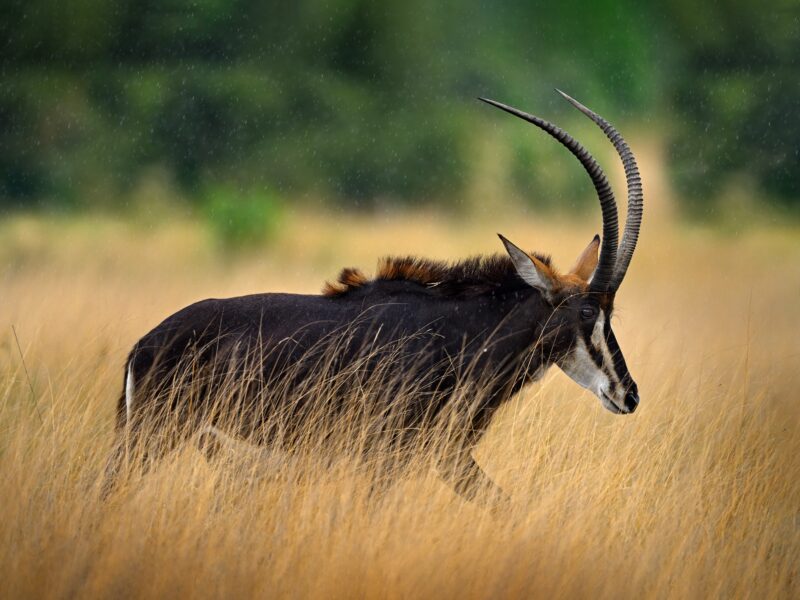
Few African plains game species can rival the sable antelope when it comes to sheer beauty and presence. Renowned for its glossy dark coat, muscular build, and long scimitar-shaped horns that can exceed four feet in length, the sable remains one of the most admired trophies in African hunting. Mature bulls can weigh up to 600 pounds, and hunters pursuing sable hunts quickly learn why this species is considered one of the continent’s premier plains game trophies.
Despite their striking appearance, sable are notoriously cautious and exceptionally alert animals. Their shy nature, combined with their preference for thicker bush and woodland habitat, can make stalking them a serious challenge. Hunters need patience, strong tracking skills, and careful shot placement to successfully pursue these magnificent antelope in difficult terrain.
For hunters considering hunting sable in Tanzania, the Rungwa Game Reserve and parts of Central Tanzania remain some of the country’s top sable hunting regions, offering excellent habitat and the opportunity to pursue mature trophy bulls in remote wilderness concessions.
The Gerenuk
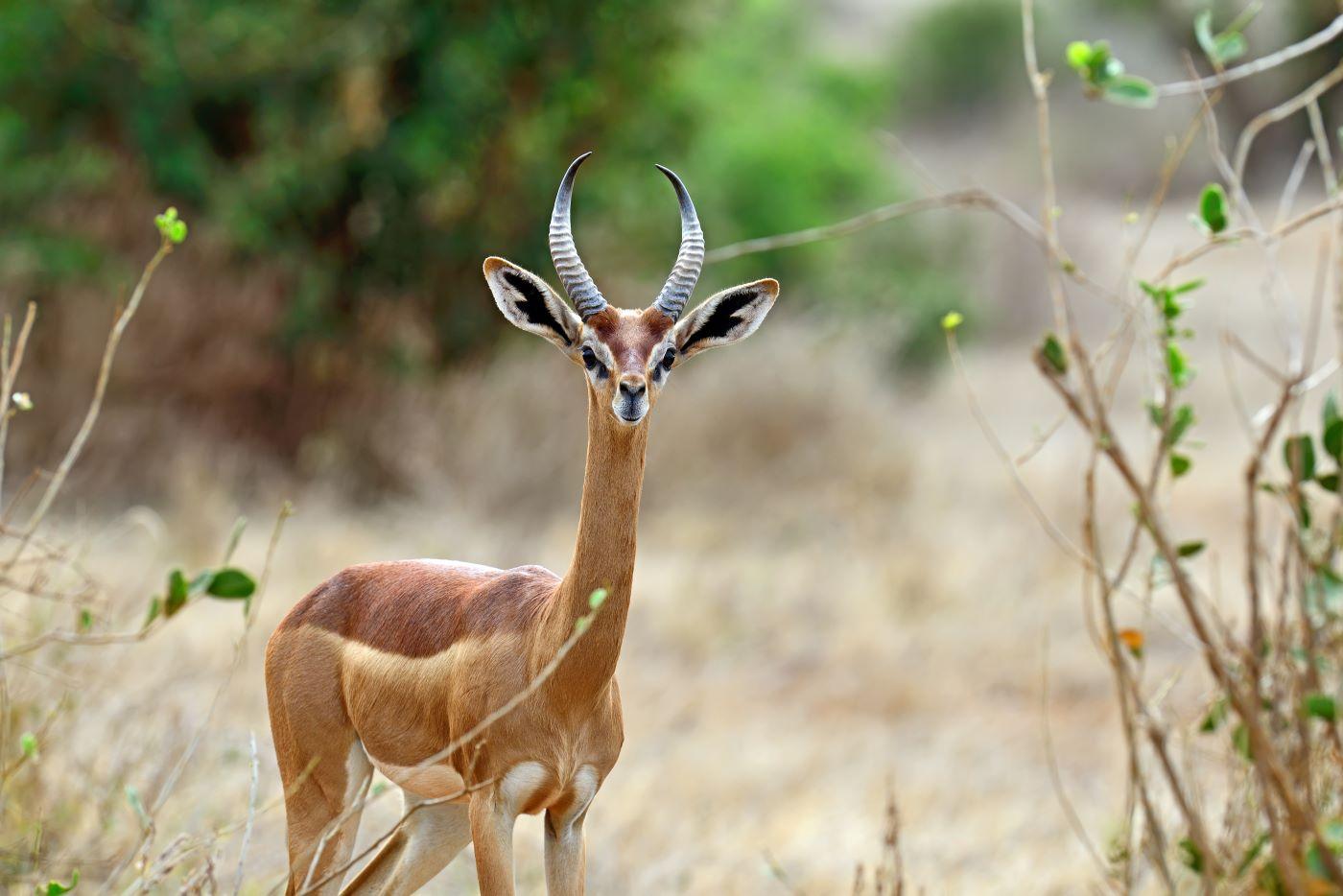
The beautiful and unusual gerenuk, easily recognized by its elongated neck and slender build, remains one of East Africa’s most distinctive and sought-after plains game hunts. Found primarily in Tanzania’s Maasailand and northern regions, these elegant antelope thrive in semi-arid bushveld and thorny scrublands, where their natural camouflage and cautious behavior make them exceptionally difficult to spot.
Gerenuk are incredibly shy and alert animals. When sensing danger, they often freeze momentarily before rapidly disappearing into dense cover, making successful stalks both challenging and rewarding. Their keen eyesight and nervous temperament require hunters to move slowly, remain patient, and pay close attention to wind direction and movement when attempting to close the distance.
The dry season generally provides the best conditions for pursuing gerenuk, as thinner vegetation improves visibility throughout the semi-arid terrain and increases the chances of spotting these elusive antelope before they vanish into cover.
The Eland
The eland, the world’s largest antelope, remains one of Africa’s most respected and physically demanding plains game trophies. Found throughout southern Tanzania and the famed Selous Game Reserve, these massive antelope are renowned for their incredible endurance, sharp senses, and ability to cover vast distances in a remarkably short period of time. Hunters pursuing eland hunts quickly discover that patience, persistence, and strong tracking skills are essential when following these impressive animals through remote wilderness terrain.
Despite their enormous size, eland are surprisingly agile and can effortlessly disappear into dense vegetation when pressured. Mature bulls are capable of jumping heights of up to six feet from a standing position, making them even more difficult to pursue successfully. Their cautious nature and excellent eyesight often force hunters to spend long hours tracking on foot before an opportunity finally presents itself.
For hunters considering eland hunting in Tanzania, the Selous region and southern concession areas continue to produce exceptional trophies in truly wild and challenging conditions. Due to the sheer size and toughness of these animals, hunters should ensure they use an adequate caliber and focus heavily on precise shot placement to achieve a clean and ethical harvest.
The Roan
The roan antelope is one of Africa’s most impressive and underrated plains game species, admired for its striking facial markings, muscular build, and sweeping backward-curving horns. Hunters pursuing roan hunts quickly learn that these large antelope can be exceptionally challenging to hunt, particularly in the dense bushveld and woodland regions they prefer to inhabit. The dry season generally provides the best hunting conditions, as thinner vegetation improves visibility and tracking opportunities throughout the concession areas.
Some of Tanzania’s premier roan hunting regions include the Katavi Reserve in western Tanzania, as well as parts of Central Tanzania where suitable habitat and permanent water sources attract mature bulls. Despite their size, roan are surprisingly agile and capable of covering ground quickly when pressured, often disappearing into dense vegetation before hunters can close the distance.
Roan hunting safaris can be physically demanding, requiring patience, careful stalking, and strong tracking ability to successfully pursue these magnificent plains game animals in remote wilderness terrain.
The Fringe-Eared Oryx
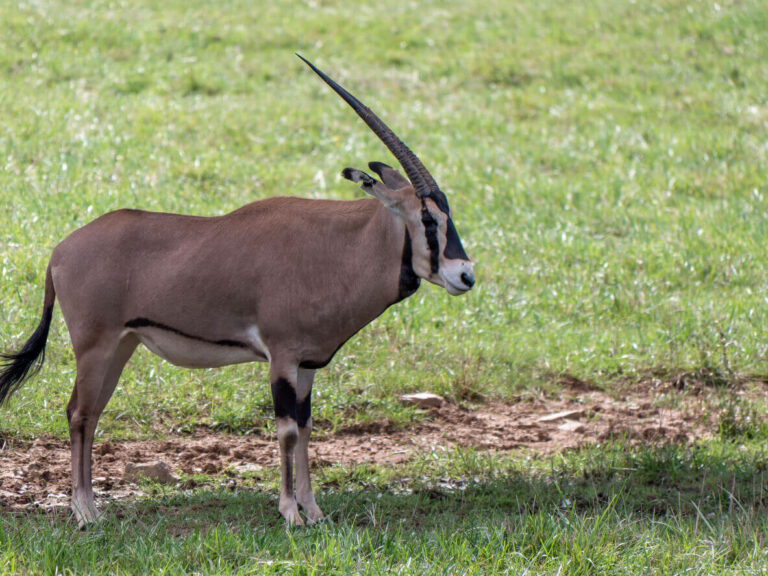
The fringe-eared oryx, recognized by its long, straight horns and distinctive ear tufts, is one of East Africa’s most unique and challenging plains game hunts. Adapted to arid and semi-arid environments, these hardy antelope are highly nomadic and capable of roaming across enormous home ranges that can exceed 150 square miles. Their constant movement patterns and preference for open, unforgiving terrain often make locating and tracking mature bulls a serious test for both hunters and trackers alike.
Fringe-eared oryx are exceptionally alert animals with outstanding eyesight and a naturally cautious temperament. Successfully stalking within shooting distance requires patience, careful movement, and constant attention to wind direction and cover. Even the slightest mistake can result in these antelope disappearing rapidly across open country long before a shot opportunity presents itself.
Hunters pursuing fringe-eared oryx in Tanzania’s northern and semi-arid regions should be prepared for physically demanding days spent covering significant distances in challenging terrain while searching for this highly prized East African plains game trophy.
Frequently Asked Questions
Is hunting in Tanzania legal?
Yes, it is legal to hunt in Tanzania. There are three hunting licenses that can be purchased, depending on which species you wish to target, as well as the length of the Tanzanian hunt. The licenses are 10-day, 16-day, and 21-day licenses, each which come with their own set of species that can be hunted and regulations related thereto.
Is it legal to hunt lions in Tanzania?
Yes, lions can be hunted in Tanzania. The king of the jungle is a sought-after species and international game hunting enthusiasts travel great distances to hunt this dangerous game animal in Tanzania.
What caliber is used for lion hunts in Tanzania?
A minimum of a .375 is the legal requirement when dangerous game hunting in Tanzania, and lion hunts fall under this category.
Where are the best locations to hunt in Tanzania?
Tanzania offers great hunting throughout the country, with different areas being popular for different species:
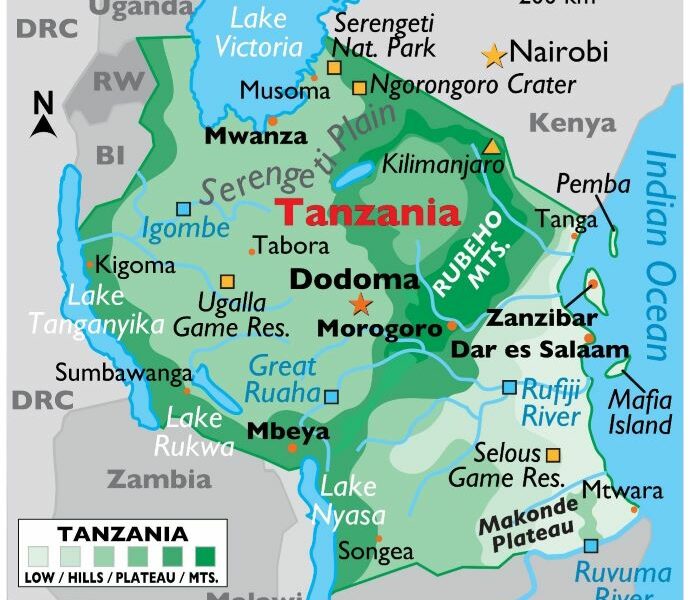
- Kilombero Valley: Renowned for its Cape buffalo, lion, leopard, hippopotamus, and crocodile.
- Selous Game Reserve: As the largest game reserve in Africa, the elephant, lion, African plains game, leopard and buffalo are popular species targeted here.
- Ruaha Valley: A good option to hunt elephant, lion, leopard and African plains game.
- Maasailand: Known for its leopard, buffalo, and numerous African plains game species, such as the fringe-eared oryx and the gerenuk.
- Kizigo Central Area: This area is known for producing exceptional dangerous game and African cat trophies as well as its variety of species. These include dangerous game such as leopard, elephant, Cape buffalo, and lion, together with African plains game species, including big game like the sable and roan.
- Moyowosi Game Reserve: This area is known for its sitatunga, elephant and a range of African plains game. This area is renowned for its swamp-hunting experiences, perfect for hunting African plains game species such as the sitatunga.
- Luganzo Game Reserve: A popular hunting destination for predators and African plains game.
- Kitumbeine Mountain: This Tanzanian hunting area is renowned for its high densities of the Cape buffalo, ensuring that it’s the perfect location for hunters wanting a challenging dangerous game hunting experience.
Is Bow Hunting Legal in Tanzania?
Yes, bow hunting is allowed in Tanzania, but there are stringent rules and regulations that need to be adhered to when bow hunting. This type of hunting safari is subject to stricter financial conditions and limitations on the types of game that can be hunted, with no dangerous game permitted to be hunted using a bow.
Conclusion
Tanzania remains one of Africa’s most respected destinations for dangerous game and plains game hunting, offering hunters access to an exceptional variety of iconic species across vast unfenced wilderness areas. From Cape buffalo, lion, leopard, and elephant to sought-after plains game such as kudu, sable, roan, and gerenuk, the country delivers an authentic East African safari experience unlike anywhere else on the continent.
Whether pursuing dangerous game in remote concessions or tracking elusive plains game through dense bushveld and semi-arid terrain, Tanzania continues to provide hunters with challenging, rewarding, and truly memorable African hunting experiences.
Author: Pierre van Wyk, Co-Founder of Game Hunting Safaris.
Pierre van Wyk is a passionate African hunting specialist and co-founder of Game Hunting Safaris, with extensive experience in dangerous game and plains game hunting across Africa’s leading safari destinations. His expertise includes African hunting safaris, trophy species, safari planning, and destination-specific hunting opportunities throughout Southern and East Africa.