
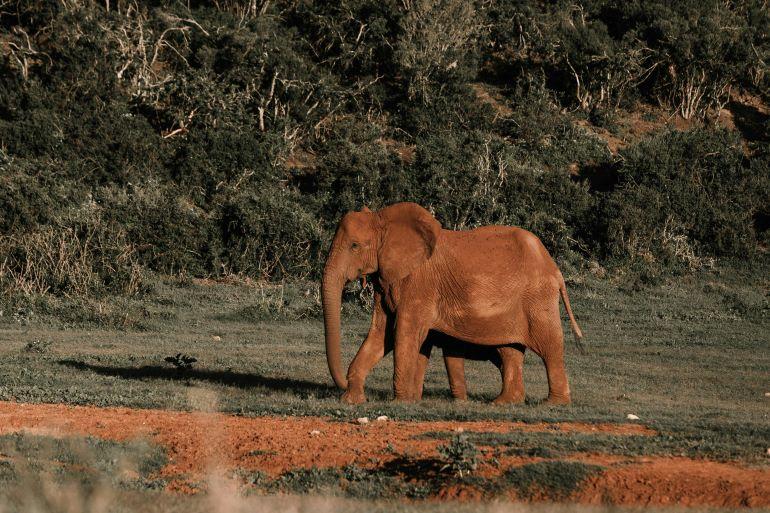
Zimbabwe remains one of Africa’s leading destinations for regulated dangerous game hunting, with the country’s vast wilderness concessions and healthy Elephant populations continuing to attract international hunters seeking authentic free-range safari experiences. Among the more specialized and often misunderstood management hunts available in Zimbabwe are tuskless elephant hunting safaris, which form part of broader wildlife management and conservation strategies in specific hunting areas.
Unlike traditional trophy Elephant hunts focused on mature bulls carrying heavy ivory, tuskless Elephant hunting typically involves female Elephants selected under carefully regulated quota systems. These hunts are often conducted in regions where Elephant populations place pressure on habitats, agricultural areas, or local communities living alongside dangerous game species.
Experienced hunters considering tuskless hunts should first understand the broader realities of Elephant Hunting in Zimbabwe, including the country's hunting areas, quota system and different types of elephant safari. Thick bushveld conditions, protective herd behavior, and close-range encounters with highly defensive cows create an intense dangerous game hunting experience requiring patience, discipline, and experienced professional hunters.
In this guide, we explore the realities surrounding tuskless Elephant hunting in Zimbabwe, including conservation management, hunting regulations, community benefits, safety considerations, and the role these hunts continue to play within modern wildlife management programs.
[DYNAMIC-BLOGTABLEOFCONTENT]
Key Takeaways
- Elephant hunting in Zimbabwe is a legal and sought-after dangerous game hunting safari.
- Hunting in Zimbabwe occurs throughout the year, but the best time to enjoy a hunting safari in the region is during the drier months from April to October.
- There are two types of elephants found in Africa, namely the African bush elephant and the African forest elephant.
- The greater majority of tuskless elephants are female. The gene for tusklessness in elephants is found in adaptations in the X chromosome, resulting in male embryos not developing and male tuskless elephants being extremely rare.
- Tuskless elephant hunts are seen as being more dangerous than hunting elephants with tusks, as they are generally cow elephants that are highly protective over their herd and more likely to react when unexpectedly surprised.
- The best areas to these tuskless elephants hunts in Zimbabwe include the Matesti Deka Concession, the Campfire Communal Concessions throughout the country, as well as the Zambezi Valley.
- The main difference between tusked and tuskless elephant hunting regulations relates to export restrictions, as well as the purpose or objective of the hunt.
Understanding Tuskless Elephants
Africa is home to two Elephant species, the African bush Elephant and the smaller African forest Elephant, with the African bush Elephant being the largest land mammal walking the planet today. Mature bulls can weigh well in excess of 13,000 pounds and are capable of covering vast distances through thick bushveld, open savannahs, river systems, and woodland habitats throughout Southern Africa.
Widely regarded as one of Africa's most iconic Big Game Hunting species, the elephant is known for its intelligence, complex social structure, remarkable memory and unpredictable behaviour when threatened. Despite often being referred to as a "gentle giant," wounded or startled elephants can become highly aggressive, particularly within thick vegetation or when cows are protecting calves and members of the herd.
For international hunters participating in [dangerous game hunts], pursuing free-range Elephant in Zimbabwe represents one of the most physically demanding and mentally challenging hunting experiences available anywhere in Africa.
The African Bush Elephant
This elephant, also known as the African savannah elephant, is native to sub-Saharan Africa, including countries such as South Africa, Kenya, Tanzania, Zambia, Zimbabwe, Uganda, and Angola. These mighty beasts can reach weights of up to 13,200 as adult males.

The African Forest Elephant
This elephant species is native to West Africa and the Congo Basin and is the smallest of the three elephant species, with adult males weighing in at around 6,600 pounds.

Elephants are known for their tough, gray, callous skin. Its large trunk is an extension of its upper lip and nose, and is used for a variety of tasks, including smelling, lifting, sensing, feeling, grasping, and breathing. An elephant’s trunk contains more than 100,000 muscles and tendons that are used to grasp, move and contract as needed. The most noticeable feature of most elephants is, of course, their tusks. These tusks, made from ivory, are actually incisors that extend beyond their mouths. Used in defense against predators, as well as in dominance fights with other elephants, tusks are also used to forage for food and dig for water.
Why Are Elephants Born Tuskless?
Tuskless elephants are born mainly due to genetic adaptations that have been driven by intense ivory poaching, with tusklessness being linked to the X chromosome. While this is mainly lethal for male elephants (and therefore very few male tuskless elephants are found), tuskless female elephants can survive and reproduce with less challenges and stress in environments where poaching is rampant.
While roughly 3-4% of an elephant population are born tuskless, tusklessness has become more prevalent in areas where those without tusks have a higher survival rate, for example in regions where poaching is more prevalent.
Tuskless Elephant Hunts: Unpredictable and Dangerous
Did you know that tuskless elephant hunting is often considered more dangerous than hunting an elephant with tusks? Sounds bizarre, but it is quite true.
Tuskless elephants are generally female, and these cows are highly protective over their herd, as well as any young calves and offspring. When they feel threatened, they are more likely to be aggressive and attack, to protect their family group.
Elephant cows are among the most common species to be shot in self-defense, due to their unpredictability when unexpectedly surprised. Feeling threatened, these elephants then attack the perceived danger, leading to humans shooting them in self-defense.
Elephant hunting can see the hunter unexpectantly coming face-to-face with an elephant while trying to stalk and track the herd through thick vegetation. This unexpected encounter comes with its own challenges, where a sudden attack by the startled elephant is a real consideration, and things can get very ugly very fast.

Where Are Tuskless Elephant Hunts Conducted in Zimbabwe?
The best areas to enjoy tuskless elephant hunts in Zimbabwe are locations with high elephant populations, including amongst others:
Campfire Communal Concessions: These concessions are found throughout Zimbabwe and the community are involved in managing the local wildlife resources. The Campfire Communal Concessions provide hunters with the opportunity to harvest tuskless elephants as part of community-based conservation initiatives.
Zambezi Valley: The Zambezi Valley is renowned for its abundant elephant populations, and this includes tuskless elephants. A popular area for hunting tuskless elephants in this region is the Omay Concession.
Matetsi Deka Concession: This area is known for its abundant wildlife, including tuskless elephants.
How Do Hunting Regulations for Tuskless Elephants Differ from Those for Tusked Elephants?
The main difference comes in terms of export restrictions, as well as the purpose of the hunt. In terms of the purpose of the hunt, tusked elephants are usually hunted as trophies, while tuskless elephant hunting is undertaken mainly for population control and conservation strategies or initiatives.
When it comes to export restrictions, there are specific regulations that need to be adhered to with regards to the exportation of tusks, which therefore doesn’t apply to tuskless elephants.
Both tusked and tuskless elephants are subject to permits and quotas.
While both tusked and tuskless elephant hunting safaris contribute to local communities through financial support and employment opportunities for locals, tuskless elephant hunts, while not as desirable in terms of the lack of tusks, do make a major contribution through the disbursement of meat to local and underprivileged communities.
Elephant Hunting and the Role it Plays in Local Communities
Elephant hunting plays a big role in sustaining local communities and these communities are largely dependent on elephant and other hunts for survival.
- Local community members are employed as trackers, skinners, guides, cooks, cleaners, and so forth to assist in the game hunting industry.
- Meat from the game hunting safaris are distributed to needy communities, ensuring a great source of protein for hungry villagers. In Africa, many communities are impoverished, and meat is a luxury that few can afford.
- Funds from tags and licenses are utilised to fund conservation initiatives and other programs, such as the building of local clinics, schools and infrastructure, across the country.
Frequently Asked Questions
Can You Hunt Tuskless Elephants in Zimbabwe?
Yes. Tuskless elephant hunts are available in Zimbabwe where quota has been allocated for them. These are regulated hunts and are generally associated with wildlife management objectives rather than the pursuit of an exportable ivory trophy.
Hunters interested in the country's broader trophy elephant opportunities, hunting areas and safari options can read our complete guide to Elephant Hunting in Zimbabwe.
Why Are Tuskless Elephant Hunts Different From Trophy Bull Hunts?
A tuskless hunt normally involves a cow elephant rather than a mature trophy bull carrying ivory. The hunting conditions can also be very different. Tuskless cows may be encountered among family groups, making identification, positioning and the Professional Hunter's decision about whether to proceed particularly important.
Are Tuskless Elephant Hunts Dangerous?
They can be extremely demanding dangerous game hunts. Cows are protective of calves and other members of the herd, and several elephants may be close together when the hunter approaches. Thick vegetation can reduce visibility and make close encounters considerably more serious.
Where Are Tuskless Elephant Hunts Conducted in Zimbabwe?
Tuskless quota may be available in selected Zimbabwe hunting areas, including parts of the Zambezi Valley, Matetsi and community-managed hunting areas. Availability can change according to quota and wildlife management requirements, so the specific area and authorization should be confirmed before booking.
When Is the Best Time for a Tuskless Elephant Hunt in Zimbabwe?
Most hunters prefer the dry-season months, when water becomes more concentrated and tracking conditions can improve. The exact timing should also be matched to the hunting area, available quota and current elephant movement rather than choosing a month in isolation.
Can Tuskless Elephant Ivory Be Exported?
A genuinely tuskless elephant does not provide an ivory trophy to export. Hunters should nevertheless establish beforehand what parts of the animal, if any, can legally be exported and what documentation will be required in both Zimbabwe and their home country.
What Rifle Is Used for Tuskless Elephant Hunting?
Elephant hunting requires a suitable dangerous-game rifle and ammunition capable of adequate penetration. The hunter should discuss caliber, bullet construction and the intended shot with the Professional Hunter before the safari and practise extensively with the rifle that will actually be used.
Why Does Zimbabwe Offer Tuskless Elephant Hunts?
Tuskless hunts may form part of broader elephant management programs in particular hunting areas. Quota is regulated, and these hunts can also provide meat and economic benefits to rural communities living alongside substantial elephant populations.
Tuskless Elephant Hunting in Zimbabwe: A Unique Dangerous Game Experience
Tuskless Elephant hunting in Zimbabwe offers experienced hunters a very different type of dangerous game safari compared to traditional trophy bull hunts. Conducted primarily as part of broader wildlife management and conservation programs, these hunts often take place within remote wilderness concessions where growing Elephant populations place pressure on habitats, agricultural land, and surrounding rural communities.
Tracking protective cow Elephants through thick bushveld can be physically demanding, mentally exhausting, and highly unpredictable, particularly when hunting close to breeding herds in dense vegetation. For dangerous game hunters, the combination of close-range encounters, challenging tracking conditions, and defensive herd behavior makes tuskless Elephant hunting safaris one of the most intense hunting experiences available in Southern Africa.
Hunters planning their own African Hunting Trips can also explore our additional guides covering elephant hunting techniques, dangerous game hunting methods, wildlife management and conservation-focused safari operations across Zimbabwe.
About the Author
Pierre van Wyk is the founder of Game Hunting Safaris and has spent years involved in dangerous game and big game hunting safaris across several African countries, including Zimbabwe, South Africa, Namibia, Mozambique, and Botswana. Working closely with professional hunters, safari operators, and conservation-focused outfitters, Pierre has developed extensive experience in African hunting traditions, free-range safari operations, and wildlife management practices throughout Southern Africa.
His work focuses on promoting ethical hunting, sustainable conservation programs, and authentic African safari experiences that support both wildlife conservation and rural communities.