
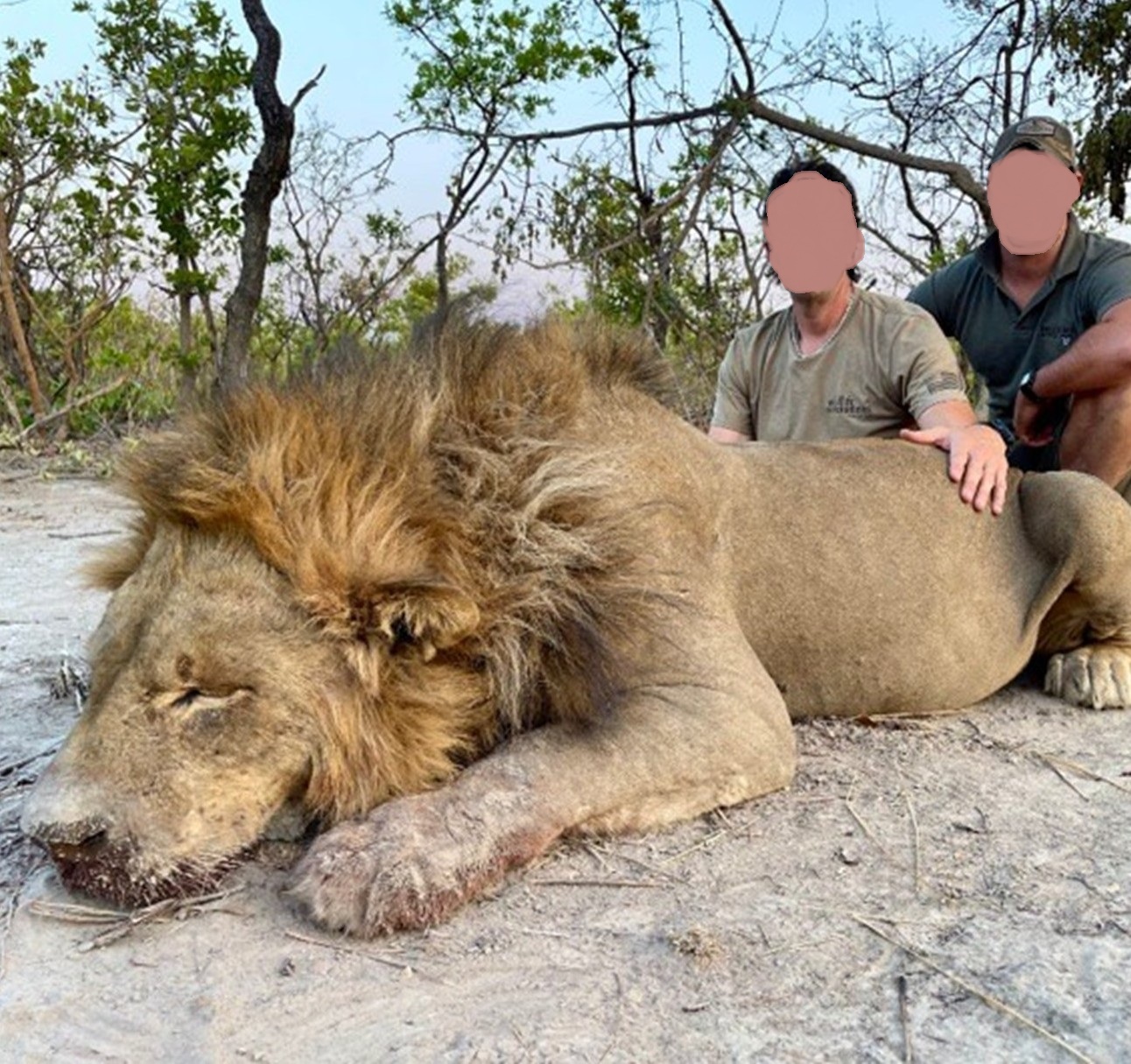
Some hunters are perfectly comfortable taking a lion when the legal opportunity presents itself. Others arrive in Africa with a different expectation: they want to take their lion in daylight, and only in daylight.
That preference can change the hunt far more than hunters realise.
On free-range lion hunts, the right male may be feeding regularly at bait after dark, appearing on trail cameras night after night, yet still leaving before first usable light. The lion is there. The PH may know exactly which male is using the bait. The problem is simply that the hunter has chosen a much narrower window in which he is prepared to take him.
This does not make the hunt impossible, but it can change the amount of time required, the way the team approaches the bait, the hunting strategy, and what happens the following morning if fresh spoor can be picked up.
GHS has seen how important that expectation can be. One client arrived for a lion hunt in Zimbabwe and only then told the outfitter that he wanted to take his lion in daylight.
A daylight-only lion hunt is therefore not just about waiting for sunrise. It can become a different hunting strategy altogether.
A Lion on Bait at Night Is Not Yet a Daylight Opportunity
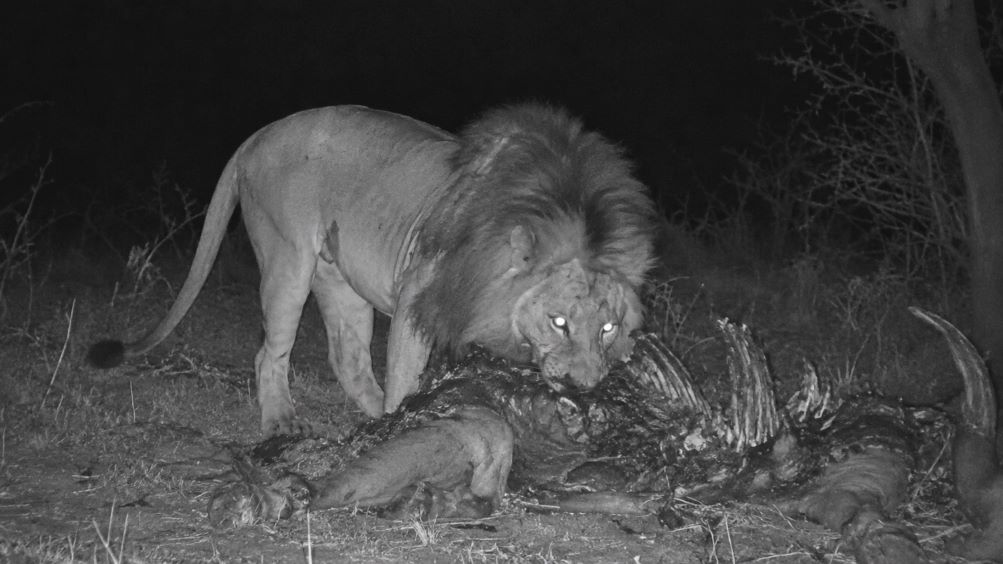
One of the easiest mistakes for a hunter to make is assuming that once the right lion starts feeding regularly, the difficult part is over. The hunt may only have reached the point where the team knows which lion is using the bait and when he is coming in.
A suitable male may visit the same bait night after night, and trail-camera photographs may leave little doubt about the animal. The PH may be happy with his age and condition, the bait may be getting hit consistently, and everything can appear to be moving in the right direction. But if that lion arrives well after
dark and leaves before first usable light, none of that activity gives a daylight-only hunter the opportunity he is waiting for.
Timing becomes just as important as the bait being hit. A lion can be completely reliable after dark and still be extremely difficult to hunt in daylight. The hunt may look promising, fresh activity, repeated visits, yet the hunter can still go days without ever seeing him in shooting light.
There is nothing unusual about the lion’s behaviour. He is simply moving and feeding when it suits him. The difficulty comes from the hunter having chosen a much narrower window in which he is prepared to take the shot.
That changes the way the PH reads the situation. Regular night-time feeding is valuable information, but it does not automatically mean the answer is to sit tighter and wait. Sometimes the lion begins arriving earlier. Sometimes patience is enough. And sometimes the better daylight opportunity starts the following morning, once fresh spoor leads away from the bait.
Too much disturbance around a working bait can be counterproductive, while repeatedly changing the routine may make it harder to establish what the lion is doing. Sometimes the better decision is to keep monitoring the bait and wait for the lion's feeding pattern to change.
Lion hunting in Tanzania provides a good example of why time matters. Lion forms part of Tanzania's 21-day Premium safari structure, and hunting is conducted during legal daylight hours. A suitable male may feed consistently at night without ever giving the hunter a usable opportunity. Those extra days allow more time for the lion's pattern to change, for a daylight opportunity to develop or for fresh spoor to provide another option.
The Morning After a Lion Feeds Can Become a Different Hunt
If a lion has fed during the night and fresh spoor leaves the bait, the hunt may change completely once there is enough light to work with. Instead of waiting for the same lion to return, the PH may decide that the better daylight opportunity is to follow him. From that point on, it can become a different hunt from sitting quietly in a blind and waiting on the bait.
A lion that has fed heavily may spend much of the day resting, and in the right country he may not move far before lying up. That can make the spoor worth following, particularly if the wind is right and the cover gives the team a chance of closing the distance.
The decision to take that track is not automatic. Terrain, temperature, ground conditions and the lion’s direction of travel all matter. Fresh spoor through good tracking terrain is a very different proposition from a track that disappears into broken ground, thick cover or an area where the team will lose too much time trying to keep it.
Experience matters. A good tracker may be able to read whether the lion is still travelling, whether he has slowed down after feeding, or whether he is likely to have found a place to lie up. The PH then must decide whether the track offers a realistic daylight opportunity or whether following it will simply burn the best part of the day.
For hunters who have made daylight a firm condition of the hunt, this can be one of the most important changes in strategy. The night feed and bait drag have still done useful work: they have shown the team which lion is there and given them a fresh starting point.
Daylight-Only Hunting Narrows the Opportunity
Wanting to take a lion in daylight is a reasonable personal preference, but it does remove part of the hunting opportunity. On a free-range lion hunt, that matters because the animal does not adjust his movements to fit the hunter’s preferred hours.
A lion may be active around bait several nights in succession and still give the hunter little usable daylight. He may arrive too late, leave too early, or only become predictable once darkness has settled in. The hunting team can know that the right lion is in the area and still spend days waiting for the timing to line up.
A daylight-only preference should be understood as more than simply choosing when to squeeze the trigger. It can influence how much time the PH is prepared to invest in a particular bait, whether spoor is followed the next morning, and how long the hunter is willing to stay committed to one lion.
A hunter who is flexible may have more ways to capitalize on a lion that is feeding consistently. A hunter who has decided that daylight is non-negotiable may have fewer opportunities, but those opportunities can involve more tracking, more waiting and more patience.
It simply means the hunter should understand what he is asking the hunt to deliver before the safari begins.
Communicate Before You Book
If hunting a lion in daylight is important to you, say so before the hunt is booked. It may sound like a small preference, but on a wild lion safari it can affect the way the hunt is planned, the amount of time that should be allowed and the expectations everyone carries into camp.
This is exactly the sort of detail that should be discussed with GHS or the outfitter while the hunt is still being put together. Ask how lions are normally hunted in that area, what usually happens when the right male is feeding only after dark, and whether following spoor the next morning is a realistic option in that terrain.
The answer may also influence the length of safari that makes sense. A hunter who is prepared to take a legal opportunity when it presents itself has more flexibility than someone who has decided that daylight is non-negotiable. That difference should be understood before flights are booked and hunting days are fixed.
The same applies to other preferences that can materially change a safari. Hunters planning a hunting trip in Africa sometimes focus on country, trophy quality and price, while overlooking how they want to hunt. Those details matter just as much once the safari begins.
Wanting a daylight lion is simply a preference that needs to be communicated before the hunt begins. The mistake is keeping it to yourself until everyone is already in camp.
Frequently Asked Questions About Daylight Lion Hunting
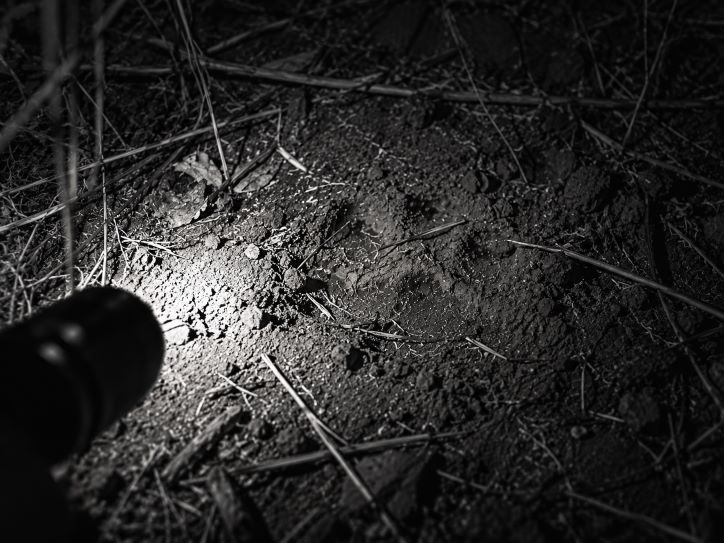
Can a Lion Be Followed on Foot After Feeding at Night?
Yes, sometimes. If a lion has fed during the night and fresh spoor can be picked up after daylight, the PH may decide that following him offers a better opportunity than waiting for another bait visit.
Whether that is realistic depends on the freshness of the track, the terrain, wind, cover and how far the lion has moved before lying up. It is not automatic, and not every lion feeding on bait becomes a tracking hunt. The decision is made from the conditions on the ground.
Can Lions Legally Be Hunted at Night in Africa?
There is no single rule that applies across Africa. Hunting hours, permitted methods and the use of
artificial light can differ between countries and, in some cases, between hunting areas.
Tanzania is a good example of why hunters should clarify this before booking, as lion hunting there is conducted during legal daylight hours. Hunters should always confirm the current rules for the exact country and area they intend to hunt.
What Happens if the Right Lion Comes to Bait Just Before Dark?
That can be one of the most difficult moments of a lion hunt. The PH may finally have the right male in front of the hunter, but there still needs to be enough legal shooting time, visibility and confidence in the shot.
A hunter who has already decided that he wants his lion strictly in daylight may also have a narrower personal limit than the legal shooting window allows. If that matters to you, it should be discussed with the PH before the hunt rather than decided under pressure at the bait.
Are Wild Lion Hunts Always Conducted From a Blind Over Bait?
No. Baiting and waiting from a blind are common parts of many wild lion hunts, but they are not the only way a daylight opportunity can develop.
If a lion feeds during the night and fresh spoor leaves the bait, the hunting team may decide to follow him once there is enough light. In suitable terrain, that can turn the hunt into a tracking and stalking exercise rather than another session waiting at the bait.
Can a Daylight Lion Hunt Be Part of a Big Five Safari?
Yes, depending on the country, quota and safari structure, lion can form part of a broader Big Five Hunting safari. The important point is that a daylight-only preference can consume more hunting time than expected if the right male is active mainly after dark.
If lion is a major objective within a multi-species safari, the PH needs to understand that preference before the hunt begins. Time spent waiting on one lion can affect how the rest of the safari is planned, particularly when buffalo, elephant or another major species is also high on the list.
Daylight Changes More Than the Shot
Wanting to take a wild lion in daylight is a personal choice, but it is one that can change the entire hunt. A lion can be feeding regularly, the right male can be identified, and the hunting team can still spend days waiting for the opportunity to happen in the hours the hunter has chosen.
That preference needs to be understood before the safari begins. It can change how the bait is worked, whether fresh spoor is followed, how much time is allowed and how the PH plans the hunt around the lion.
The important thing is knowing what a daylight-only preference changes before the safari begins. When everyone understands that from the start, the hunt can be planned around the hunter’s expectations instead of trying to adjust once the lion is already on bait.
About the Author
Pierre van Wyk is co-founder of Game Hunting Safaris (GHS) and writes from practical experience with African hunting and safari planning.