
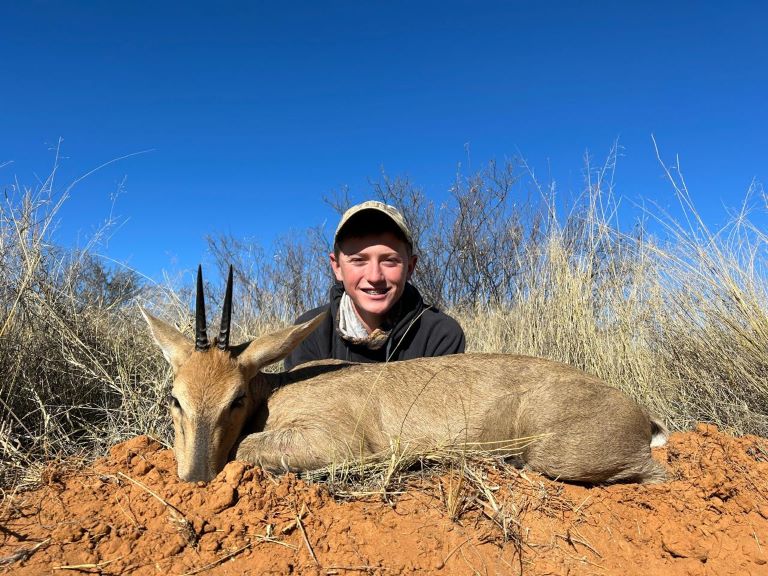
Botswana is not a major plains-game hunting destination in the same way that South Africa or Namibia is. There are fewer outfitters, fewer dedicated plains-game packages, and less choice when it comes to putting together a safari. Yet some of the hunting available, particularly for kudu, eland and gemsbok in the Kalahari, can be exceptional.
The important distinction is between the animals Botswana holds and the hunting opportunities available to visiting hunters. A country can have outstanding plains game without offering a large commercial plains-game hunting industry.
For anyone considering hunting in Botswana, the first question should be what kind of safari they are booking. A dedicated plains-game hunt on an established private Kalahari property is a different proposition from pursuing a handful of available antelope during an elephant or buffalo safari in a remote concession.
Both can provide excellent hunting, but they come with different expectations, species availability and hunting arrangements. Understanding those differences before booking matters far more than simply choosing the longest species list.
There Are Two Very Different Plains-Game Hunts in Botswana
Plains-game hunting in Botswana is easier to understand once you stop treating it as one type of safari.
At one end are dedicated plains-game hunts, usually on established private properties where the safari is built around antelope from the start. In the right Kalahari areas, that can mean hunting species such as kudu, gemsbok and eland as the main objective rather than as something added around another safari. The outfitter knows the property, knows what animals are there, and can usually give the hunter a much clearer idea of what can realistically be hunted during the time available.
That is a different product from a safari where plains game is secondary to elephant, buffalo or another big-game hunt.
In those cases, the hunter may still have access to good plains game, but the structure of the safari is different. The dangerous-game species remains the priority, and antelope are hunted when time, quota, permits and opportunity allow. A concession may hold kudu, eland or other species, but that does not mean the hunter can simply work down a long species list whenever he feels like it.
This distinction matters because the two hunts can look similar on paper.
Both may be advertised as Botswana hunting safaris. Both may list several plains-game species. Both may take place in excellent country. But one is designed around plains game from the outset, while the other offers plains game as part of a broader safari where another species determines how the days are used.
A hunter booking a dedicated Kalahari plains-game safari can usually expect the hunt to revolve around finding and selecting the best available animals from the species included in the package. Time can be spent specifically looking for an old kudu bull, following eland spoor or working open country for gemsbok.
On a dangerous-game safari, that freedom may not exist to the same extent. If elephant tracks are found on the second morning, or buffalo become the immediate priority, the plains-game plan can change quickly. That does not make the hunt worse. It simply means the hunter needs to understand what he is buying.
A Species List Is Not the Same as a Bookable Species List
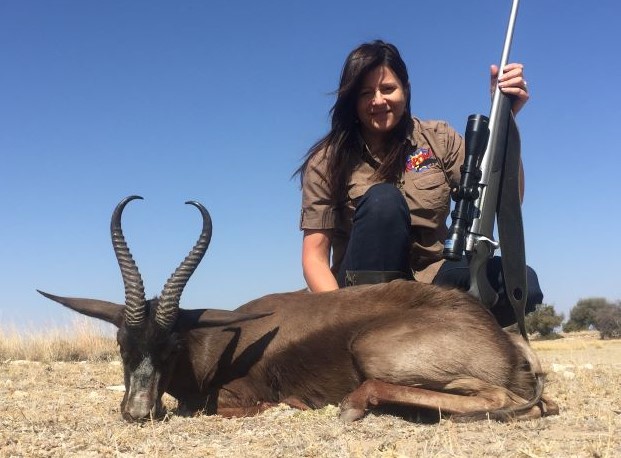
One of the easiest mistakes to make when looking at a Botswana safari is to assume that every species occurring in the area is automatically available to hunt.
A concession may hold kudu, eland, gemsbok, wildebeest and several other plains-game species, but the animals present on the ground and the animals available to a visiting hunter are not always the same thing. Quota, permits, land-use arrangements, operator allocations and the way the safari has been structured can all affect what can be hunted.
This matters on mixed or dangerous-game safaris.
An area may have excellent plains game, but if the safari has been built around dangerous game, the plains-game opportunities may be limited to a smaller number of species that are specifically available on that hunt. Others may be present in the concession but not on quota, already allocated, or simply not part of the package being offered.
Private-property hunts can be more straightforward, but the same principle still applies. A species being present does not tell the hunter how many mature animals are available, whether that species is regularly hunted on the property, or whether the outfitter is prepared to include it in the safari.
Long species lists need to be read carefully.
A list of twenty animals can look impressive, but it tells hunters little unless they know which of those species are available on the exact property or concession they will be hunting.
If kudu is one of the main reasons for booking Botswana, ask about kudu on that specific area. If gemsbok or eland matters, ask the same question. Recent results, mature animals currently being seen, and what has been hunted there tell hunters far more than a general list of species found somewhere in Botswana.
The point is not to distrust the species list. It is to understand what the list really means.
The Kalahari is a Proper Plains-Game Safari in Its Own Right
It is easy to think of Botswana plains game as something added around elephant or buffalo. In the right Kalahari areas, that is not the case.
A dedicated Kalahari safari can be a serious plains-game hunt, with the days built around finding mature animals from the species available on the property. The hunt is not waiting for spare time between dangerous-game priorities. Plains game is the reason the hunter is there.
That changes the way the safari is hunted.
Time can be spent following eland spoor for hours, spending repeated mornings hunting kudu in likely country, or covering enough ground to find the right gemsbok rather than simply taking the first mature animal seen. There is room to pass animals, change areas and concentrate on one species if that is what the hunter came for.
That distinction is familiar to operators working these areas. Kim from Tholo Safaris has stressed the importance of understanding the specific property, the species genuinely available and the way the hunt is structured before judging a Botswana plains-game safari.
The Kalahari also rewards patience.
Game can be widely spread, visibility can change quickly between open ground and thicker bush, and animals that look easy to find on paper can take far more work once the hunting starts. Eland can turn a simple-looking day into a long tracking exercise, while an old kudu bull may require repeated mornings in the same area before everything comes together.
Botswana may offer fewer dedicated plains-game operations than other countries, but fewer options does not automatically mean a lesser hunt. A well-run Kalahari safari with the right property, realistic species availability and enough time can provide exactly the kind of focused plains-game hunting many experienced hunters are looking for.
The important part is knowing that this is the product being booked.
Fenced or Unfenced Tells You Less Than Most Hunters Think
Hunters often use the words fenced and unfenced as though they settle the question of hunt quality. In Botswana, they usually do not.
Not every fence in Botswana is a high game fence either. In some areas, boundaries were originally built for cattle or land management, and certain plains-game species can still move across or through them. That is different from a property enclosed by substantial game fencing designed to contain wildlife.
A large private Kalahari property can offer difficult, fair-chase hunting even though the boundary is fenced. An open concession can provide a different experience, with more natural movement between areas and less control over where animals may be on any given day.
The useful questions are more specific.
How large is the area? How are the animals managed? How much hunting pressure does the property receive? Are the animals moving freely within the area, or being hunted in a much more controlled environment? How much ground will be covered on foot or by vehicle before the stalk begins?
Those answers tell the hunter far more than the fence line alone.
A fence does not automatically make a hunt easy, and an unfenced boundary does not automatically make it better. The quality of the safari still comes down to the scale of the country, how it is managed, the density and behaviour of the game, and how the hunting is conducted.
For Botswana plains game, that distinction matters because the product can vary from one area to another. Hunters need to understand the hunting environment, not simply the label attached to it.
What You Should Confirm Before You Book
Before booking a Botswana plains-game safari, hunters should know exactly what is being offered on the specific property or concession.
Which species are available? Which are regularly hunted there? Is the safari built around plains game, or is plains game secondary to another objective? How many full hunting days are included, and what happens if one of the main target species is not found?
It is also worth asking for recent results from the area rather than relying on a general Botswana species list. Recent animals taken from that property tell hunters far more about the current hunting than trophies shown from somewhere else in the country.
The same applies to the hunting environment. Hunters should understand the size of the property or concession, the type of fencing involved, how the game is managed and how much hunting pressure the area receives.
The financial side should be equally clear. Hunters should know what is included in the package, whether trophy fees are included or charged separately, and what additional costs may arise during or after the safari. Our guide to African hunting safari prices explains how daily rates, trophy fees and other common safari costs are normally structured.
For a U.S. hunter travelling this far for a Botswana safari, those details matter. Flights, travel time and the cost of reaching southern Africa make it worth knowing exactly what the hunt includes before the deposit is paid.
The objective is not to interrogate the outfitter. It is simply to make sure the hunt being discussed is the same hunt the hunter believes he is booking.
Botswana Is a Smaller Plains-Game Market, Not a Lesser One
Botswana will not suit every plains-game hunter. A hunter wanting the widest possible species list, dozens of outfitters to compare and the freedom to build a large mixed bag will usually find more choice in South Africa or Namibia. Botswana's plains-game market is smaller, and in many ways more limited.
That does not make the hunting inferior. It simply means the country needs to be judged for what it offers rather than compared against destinations built around a much larger plains-game industry.
For the hunter who wants a focused Kalahari safari, or who understands exactly which plains-game opportunities are available as part of a broader Botswana hunt, that smaller market can offer excellent hunting. The quality of the safari depends far more on the area, the animals genuinely available, the way the property or concession is managed and the amount of time given to the hunt than on how many species appear on a brochure.
Botswana rewards a little more homework before booking. The important question is not whether the country has enough plains game, but whether the safari matches what the hunter wants to do.
Once that is clear, Botswana becomes much easier to evaluate on its own terms.
Frequently Asked Questions
How Many Days Do You Need for a Botswana Plains-Game Hunt?
For a focused plains-game safari, the right number of days depends on how many species matter to the hunter and how much time they are willing to give the hunt.
A shorter safari may be enough for a small number of priority animals, particularly on a well-managed private Kalahari property where the hunting programme is built around plains game. Hunters wanting several species, or who are prepared to spend more time looking for a particular mature animal, should allow more flexibility.
Is Botswana a Good Choice for a First African Plains-Game Safari?
It can be, provided the hunter understands the type of safari being booked.
South Africa or Namibia may offer a first-time hunter more choice of outfitters, packages and species, but a dedicated Botswana Kalahari hunt can still be an excellent introduction to African plains-game hunting. The smaller market simply makes choosing the right property and understanding what is available more important.
Can You Combine a Botswana Plains-Game Hunt With Chobe or the Okavango?
Yes. Many international hunters use a Botswana hunting trip as an opportunity to spend additional time elsewhere in the country before or after the safari.
Chobe and the Okavango Delta can fit naturally into a longer Botswana itinerary, but the logistics depend on where the hunting area is located, the transfer arrangements and the hunter's international travel schedule. It is usually better to plan that combination before flights are finalised rather than try to add several days of sightseeing at the last minute.
Are Mosquitoes a Problem on a Botswana Plains-Game Hunt?
That depends on where and when the hunt takes place.
The dry Kalahari areas where many dedicated plains-game hunts are conducted can be very different from wetter northern parts of Botswana around places such as the Okavango and Chobe. Mosquito activity and malaria risk vary by region and season, so hunters should get current medical advice based on the exact areas they will visit rather than treating Botswana as one uniform environment.
Choosing the Botswana Hunt That Fits
Botswana plains-game hunting makes more sense once hunters stop comparing species lists and start comparing actual safari products.
A dedicated Kalahari hunt, plains game added to a dangerous-game safari, a private property and an open concession can all offer worthwhile hunting, but they are not interchangeable. The right choice depends on what the hunter wants to pursue, how the area is managed and what is genuinely available during that safari.
When comparing hunting trips in Africa, Botswana should be judged on those terms rather than on whether it offers as many packages or species as its neighbours.
About the Author
Pierre van Wyk is co-founder of Game Hunting Safaris and has spent years travelling, hunting and working with outfitters across southern and East Africa. His writing focuses less on selling the dream and more on helping hunters understand what they are booking, how different hunting areas compare, and which details matter once the safari moves from the brochure into the bush.