
African Hunting Destinations Are Not All the Same
Hunting across Africa varies considerably from one country to another. Some destinations are known for vast unfenced dangerous game concessions, while others offer highly developed plains game hunting on private land. Terrain, species, safari length, infrastructure and the way hunting areas are managed can all change the nature of a safari.
South Africa, Zimbabwe, Tanzania, Zambia, Botswana, Namibia and Mozambique each offer something different. Understanding those differences can make it easier to choose a destination that suits the species you want to hunt, the type of country you want to experience and the way you prefer to hunt. Our hunting safaris in Africa bring together current hunting opportunities across these destinations.
How Hunting Experiences Differ Across Africa
A hunting safari in Africa offers one of the most diverse experiences available anywhere in the world. From dangerous game species such as elephant, buffalo, and leopard, to the wide variety of plains game found across Southern and Eastern Africa, the continent provides unmatched hunting opportunities.
With over 180 species available, African safaris range from focused dangerous game hunts in remote wilderness areas to multi-species plains game safaris that combine a variety of animals in a single trip.
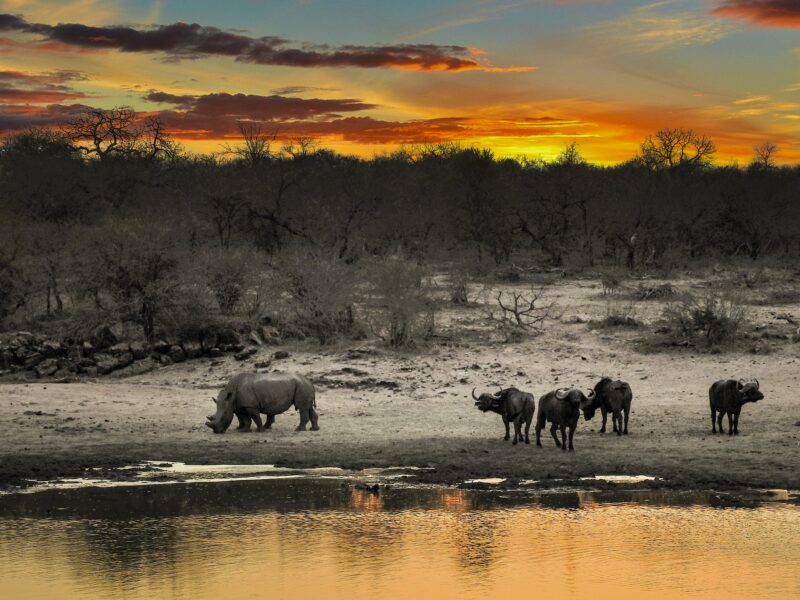
Africa offers an unmatched diversity of species, from small antelope such as duiker to large plains game like eland, as well as some of the world’s most sought-after dangerous game. Many hunters pursue multi-species safaris, while others focus on specific challenges such as spiral-horned antelope or nocturnal predator
Hunting in Mozambique
Hunting in Mozambique is known for its remote wilderness areas and strong dangerous game opportunities, particularly for buffalo, leopard, and crocodile. Regions such as Niassa offer large, unfenced concessions where hunting is conducted in a traditional safari style, often combined with quality plains game.
Hunting in Angola
Angola is not currently an established hunting destination, with commercial safari hunting still limited. While wildlife populations are recovering in some regions, hunting opportunities remain restricted and uncertain.
Hunting in Zimbabwe
Zimbabwe remains one of Africa’s most respected and consistent hunting destinations, particularly for dangerous game. Large, unfenced areas such as the Zambezi Valley, Save Conservancy, and Matetsi offer true wilderness hunting, where safaris are conducted through tracking and following game in naturally occurring populations.
The country is well known for strong populations of elephant, buffalo, leopard, and lion, making it a leading choice for hunters seeking a traditional dangerous game experience. Plains game is also widely available, with species such as kudu, sable, waterbuck, and impala commonly included in safaris.
For a closer look at available areas, species, and safari options, explore hunting in Zimbabwe to understand what makes it one of Africa’s most established hunting destinations.

Hunting in Tanzania
Tanzania offers one of the most authentic and traditional hunting experiences in Africa, with vast, unfenced wilderness areas and safaris conducted in remote concessions far from modern infrastructure. Known for its scale and exclusivity, Tanzania is widely regarded as one of the premier destinations for dangerous game hunting on the continent.
Hunters can expect strong populations of elephant, buffalo, lion, and leopard, along with a range of unique plains game species such as East African eland and sitatunga. Safaris are typically longer in duration and follow a structured licensing system, creating a more immersive and expedition-style experience.
For those seeking a classic African safari, explore hunting in Tanzania to learn more about available areas, species, and what to expect in one of Africa’s most iconic hunting destinations.
Hunting in Kenya
Kenya no longer allows commercial hunting and is now focused entirely on photographic safaris. While it was historically one of Africa’s most iconic hunting destinations, today it serves primarily as a conservation and tourism-based wildlife experience.
Hunting in South Africa
South Africa is one of the most accessible and diverse hunting destinations in Africa, offering a wide range of plains game species and well-developed safari infrastructure. Hunts are typically conducted on private land, allowing for flexible safari options and consistent trophy quality.
It is particularly popular for plains game safaris and is well suited to first-time visitors or those looking to combine hunting with a broader travel itinerary. Hunters considering the country can explore Hunting in South Africa for more information on species, hunting areas, seasons and safari options.
Hunting in the Central African Republic (CAR)
The Central African Republic offers one of the most remote and traditional dangerous game hunting experiences in Africa, with vast concessions and low hunting pressure in key regions. Safaris here are typically focused on species such as buffalo, elephant, and bongo, with hunting conducted in large, unfenced wilderness areas.
Due to ongoing logistical and security challenges, hunting in CAR is limited to specific regions and experienced operators, making it a destination best suited to seasoned hunters seeking a truly wild and less commercial safari experience.
Hunting in Uganda
Uganda offers a unique hunting experience focused on rare and endemic species not commonly found elsewhere in Africa. Hunting takes place in designated areas such as Karamoja, where both plains game and select dangerous game species are available under regulated conditions.
The country is particularly known for species such as Uganda kob, Nile buffalo and East African sitatunga, with safaris typically conducted in remote areas that require careful planning and experienced outfitters. Hunters considering Hunting in Uganda can explore the country's available species, hunting areas and safari options in greater detail.
Hunting in Botswana
Hunting in Botswana offers a unique mix of wilderness and conservation-driven management. Known for its large elephant populations and diverse terrain, hunting is conducted under a controlled quota system following the reintroduction of regulated hunting.
Both dangerous game and plains game opportunities are available, particularly in remote and lightly populated areas.
Hunting in Zambia
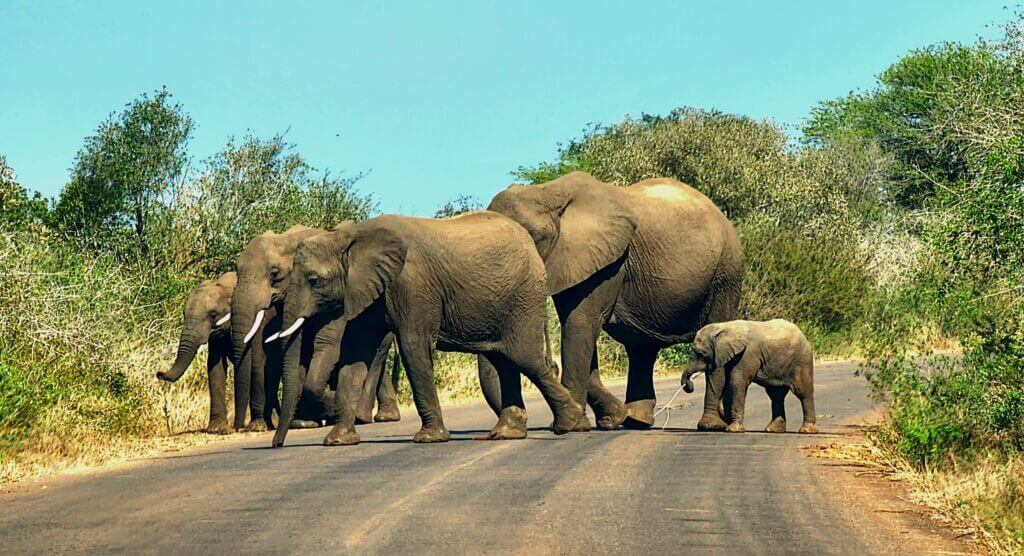
Zambia offers one of Africa’s more traditional hunting experiences, with large Game Management Areas (GMAs) surrounding national parks and providing access to truly wild, unfenced terrain. Safaris here are typically focused on dangerous game, with strong populations of buffalo, elephant, lion and leopard in key regions such as the Luangwa Valley and Kafue.
Plains game is also diverse, with species such as Cookson’s wildebeest, black lechwe, puku and Crawshay’s Defassa waterbuck unique to the region. Hunting conditions vary from riverine systems and floodplains to miombo woodland, creating a more challenging and varied safari compared with more managed environments.
Zambia is best suited to hunters looking for a classic, concession-based safari with an emphasis on tracking, remote camps and a more traditional African hunt. Those considering Hunting in Zambia can explore the country's hunting areas, available species and safari options in greater detail.
Hunting in Namibia
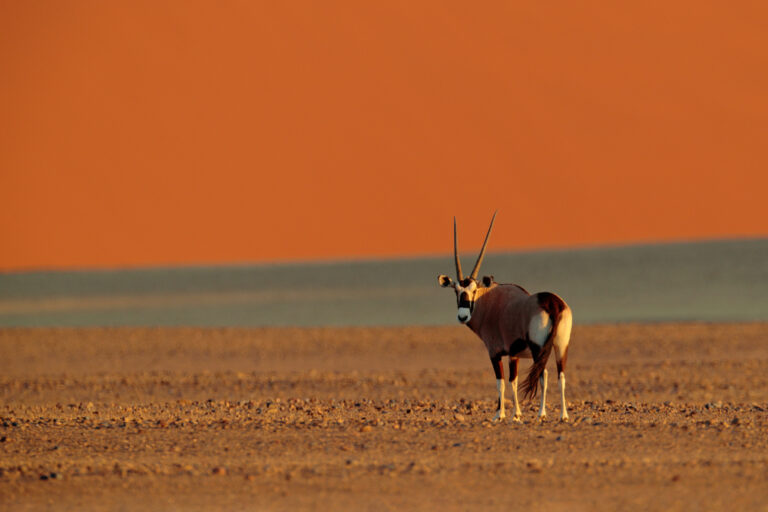
Namibia is one of Africa’s leading destinations for plains game hunting, particularly for hunters seeking open terrain and more challenging spot-and-stalk conditions. Unlike the thicker bushveld found in other regions, much of Namibia’s landscape consists of semi-arid plains and rolling hills, where visibility is greater but getting within range requires careful approach and patience.
Hunting is typically conducted on large private ranches and conservancies, where game populations are well managed and safaris are structured to offer consistent opportunities across a wide range of species. Popular plains game includes kudu, oryx (gemsbok), springbok, hartebeest, and mountain zebra, making Namibia an excellent choice for multi-species safaris.
While primarily known for plains game, some dangerous game hunting is available in northern regions, though the country is best suited to hunters looking for a focused plains game experience in a well-managed and accessible environment.
For a closer look at available areas, species, and safari options, explore hunting in Namibia to learn more about one of Africa’s most consistent plains game destinations.
Choosing the Right African Hunting Destination
The best hunting destination in Africa depends on what you want from the safari. A hunter primarily interested in plains game may find South Africa or Namibia particularly suitable, while someone planning a traditional dangerous game safari may look more closely at Zimbabwe, Tanzania, Zambia, Botswana or Mozambique.
Species are only part of the decision. Hunting area, terrain, season, safari length, travel logistics and the amount of wild country available can all influence where a particular hunt is best undertaken. A buffalo safari in Tanzania can be very different from hunting the same species in South Africa, just as elephant hunting in Botswana differs from pursuing elephant in Zimbabwe or Namibia.
Hunters planning a safari around elephant, buffalo, lion, leopard or other larger species can compare our Big Game Hunting options across Africa. Those wanting to compare complete safaris, destinations and available packages can also explore our African Hunting Trips before deciding where to hunt.
There is no single African country that is best for every safari. The right destination is the one that best matches the species, hunting country and type of hunt you came to Africa for.
Frequently Asked Questions
Which African country is best for a first hunting safari?
South Africa and Namibia are often practical choices for a first African safari because of their developed hunting infrastructure, accessibility and wide variety of plains game. Zimbabwe, Zambia, Tanzania, Botswana and Mozambique may be more appropriate when the priority is a traditional dangerous game or wilderness safari.
Which African countries offer dangerous game hunting?
Dangerous game hunting is available in several African countries, including Zimbabwe, Tanzania, Zambia, Mozambique, Botswana, Namibia and South Africa. Species, quotas and hunting opportunities differ considerably between countries and individual hunting areas.
Where is the best plains game hunting in Africa?
South Africa and Namibia offer some of Africa's broadest plains game opportunities and are particularly well suited to multi-species safaris. Zimbabwe, Zambia, Tanzania, Mozambique and other destinations can also provide excellent plains game hunting, often as part of a longer safari involving dangerous game.
How do I choose between African hunting destinations?
Start with the species you want to hunt, then consider the type of country in which you want to hunt them. Safari length, season, hunting method, available quota, travel logistics and budget can then help narrow the choice. The country with the largest population of a species is not necessarily the best destination for a particular hunt.
Can dangerous game and plains game be hunted on the same safari?
Yes. Many African safaris combine a primary dangerous game species with plains game. The available species depend on the country and hunting area, so this should be considered when selecting a safari rather than added only after the main hunt has been booked.