
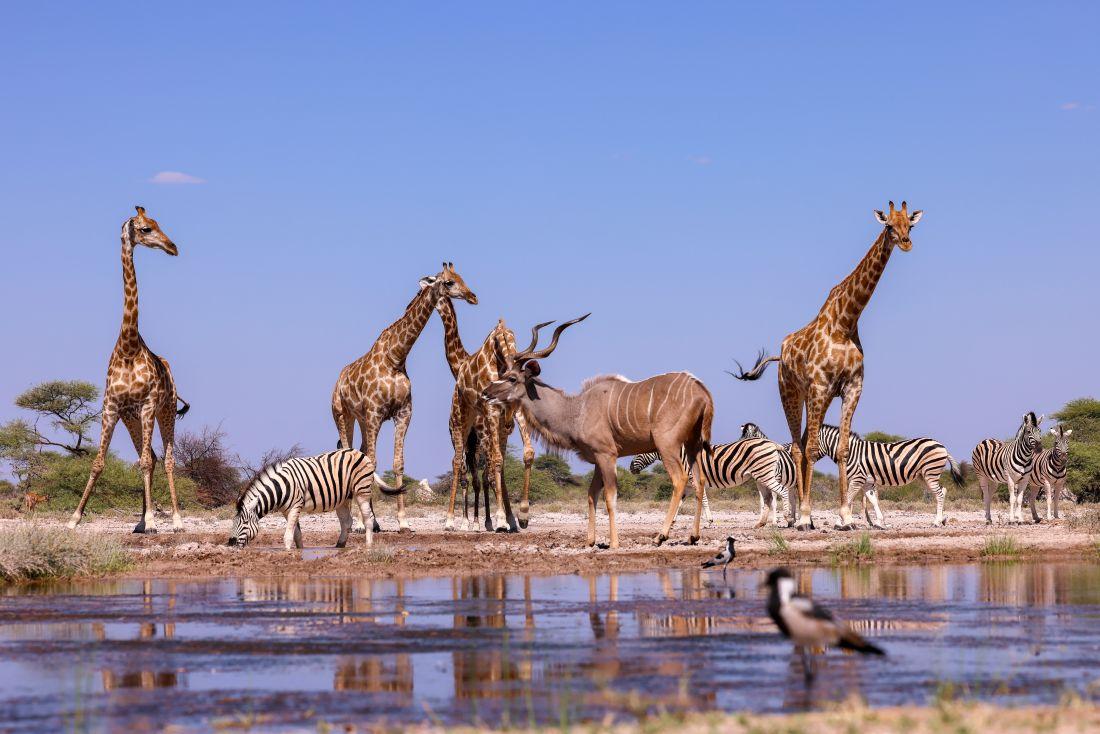
Namibia is a country where the hunting landscape can change dramatically from one region to the next. The river systems and thicker bush of the Zambezi Region feel a world away from the red sands of the Kalahari, while the rugged mountains, dry riverbeds and vast open country farther west create an entirely different challenge.
That variety is an important consideration when planning Hunting in Namibia. The region a hunter chooses can influence the terrain they will cover, the species they may encounter, the distances travelled each day and even the style of hunting itself.
Some areas are best known for classic plains game safaris, while others offer opportunities to pursue dangerous game in remote wilderness. Hunters interested in Plains Game Hunts may find themselves glassing across open valleys or tracking through dry Kalahari country, while other regions demand long days in considerably more isolated surroundings.
This guide explores Namibia's major hunting regions, from the Zambezi and Kalahari to Damaraland, Kaokoland and the Khomas Highlands, helping hunters understand how the country changes from one area to another and why choosing the right region can be just as important as choosing the species you hope to hunt.
[DYNAMIC-BLOGTABLEOFCONTENT]
Key Takeaways
- Namibia's hunting regions vary considerably in terrain, climate, accessibility and the species available to hunt.
- Plains game hunting is available across much of the country, while dangerous game opportunities are limited to specific areas and subject to current quotas and permits.
- The Kalahari, Zambezi Region, Kunene and Khomas Highlands can offer completely different hunting environments within the same country.
- Travel distances should not be underestimated, particularly when hunting in Namibia's more remote northern and northwestern regions.
- Choosing the right hunting region should depend on the species you want to pursue, the terrain you prefer and the level of remoteness you want from your safari.

Namibia Hunting Regions
Hunting in Namibia is readily available regardless of which direction you wander in. These African hunts take place on different land classifications, which can influence quotas, availability, and regulations. Always check with your broker or outfitter for the latest updates on what you’ll need to know before making your final call.
Land Classification: What Category does your Namibia Hunt concession fall into?
Namibia hunting safaris can take place on 4 types of land, as discussed below. These areas, depending on their classification, are either privately owned, community-led, or government-run.
Communal Conservancy
As the name suggests, these areas are run by community institutions formed to uplift and involve local inhabitants in Namibia’s hunting and conservation efforts. Communities can either manage these areas themselves or outsource/contract to an outfitter. But at the end of the day, it's the tribal authority that will have the final say on what's allowed and accessible. The proceeds from these (including trophy fees) are almost always given back to the community itself, allowing them to derive a reliable income and further the training and maintenance of their members and land.
Private Ranch
These ranches are where the majority of Namibia hunting safaris take place and are dedicated to the game industry. These ranches can be a single property or a collection of private ranches combined to create a large hunting area. These lands often carry both Big 5 and plains species that roam freely, thanks to the removal of internal fences or boundaries. Private ranches are also more likely to carry Namibia's more "exotic" species, as they can reintroduce species originally unavailable or driven from the area. Private ranches may have a higher cost but typically offer a variety of game in a secure environment, along with highly rated accommodation options.
Private Farm
These facilities commonly form part of a working farm, meaning American hunters could encounter herds of cattle or goats just as regularly as they might spot an antelope. Just like private ranches, many of these facilities have no internal fencing on the hunting side, creating a free-range environment for plains or big game hunting. Accommodation is typically a separate house on the property, or a subdivision of the main farmhouse.
State-owned or Government Concessions
Approximately 20% of Namibia's game land is owned by the government, although not all of it is available for hunting. These lands often border national parks or reserves and tend to be more remote in location, with tourism and game hunting being more regulated and controlled. State concessions also sometimes employ a community-led approach to keep residents involved and provide opportunities for growth and improvement.
Popular Regions for your Namibia Hunt
Caprivi (aka Zambezi region)
Arguably Namibia's most well-known hunting ground, the Caprivi Strip is home to almost all the Big 5 beasts, save for the Rhino. The area is home to the Okavango and Linyanti Rivers, housing both trophy Hippo and Crocodile and prized Cape Buffalo. Leopard and Lion also visit the area in search of both water and prey. Big cats are normally hunted with bait and blind, while Cape Buffalo, Hippo, and Crocodile hunts can be carried out via the shoreline or by boat on the water itself.
Leopard opportunities are also available in Namibia, although quota, permits and hunting conditions should always be confirmed for the specific area and season. Hunters considering Leopard Hunting in Namibia should pay particular attention to the hunting area itself, as habitat, leopard populations and the practical approach to the hunt can differ considerably across the country.

Kalahari
Namibia's Kalahari Desert region is known for its vast and desolate plains that have become home to a diverse range of both dangerous game and African plains game species. The famous red dunes form a spectacular hunting backdrop for Oryx, Kudu, Hartebeest, Impala, and Eland. Hunting in Namibia requires knowledgeable guidance, and the Kalahari's Bushmen guides are the only choice you'll need. Building off generation upon generation of local knowledge, these Bushmen are highly attuned to the area's climate and animal behavior and can provide insights like no other.
The Kalahari is a large area, demanding patience and vigilance from its hunters. Scouting and tracking from high points or dunes is often required, especially if the desert winds have scattered the herds, but the effort put in is well worth the potential reward. In the dry season, animals flock to both natural and man-made watering holes. Blinds set up around these attractions are a feasible option for those who might not be able to follow the Bushmen on foot for miles on end.

Kunene
Kunene stretches across Namibia's northwestern reaches, from the Skeleton Coast toward the Angolan border, and is one of the country's most remote and visually striking regions. The landscape is dry, rugged and often sparsely populated, with vast open spaces, rocky terrain and desert-adapted wildlife shaping the character of the area.
Hunting opportunities in Kunene are generally associated with plains game and species suited to this harsh environment. The wider region is also known for desert-adapted elephants, although hunters researching Elephant Hunting in Namibia should understand that elephant hunting is tightly controlled and depends on current quota, permits and the specific approved hunting area. The presence of elephants in the region does not mean they are automatically available to hunt.
Travel to Kunene can involve long road transfers or, depending on the concession, charter flights from Windhoek. The remoteness is part of the appeal, but hunters should confirm access, transfer times and camp logistics with their outfitter before booking.
Damaraland
This region’s appearance relies on the season; rainy months bring lush greenery, but the dry season brings out the area’s true ruggedness. Regardless of the season, Damaraland’s backdrop of expansive plains and unique rock formations takes hunters to a place wedged between Erongo and Kunene. A Namibia hunt in this section of the land provides hunters with a choice of plains game like springbok, Oryx, Sable, Roan, and Kudu, as well as desert-dwelling Lions and Elephants, and naturally, the Damara Dik-Dik.
Otjozondjupa
The Waterberg Plateau forms the backbone of Otjozondjupa’s hunting grounds, rising over 6,000 feet above ground. This influence on the landscape creates pockets of savannah plains, mountain streams, forests, and red stone formations that give the area an otherworldly appeal. The main offering of this area is Cape Buffalo…record Cape Buffalo. Hunts for multiple Cape Buffalo are limited but available; other popular species include Warthog, Giraffe, Leopard, Eland, Oryx, and Hartebeest.
Spitzkoppe
This area derives its name from the 120-million-year-old bald granite peaks soaring out of the desert floor. A few hours from Windhoek, Spitzkoppe is a large free-roaming conservancy marked by changing landscapes that consist of desert, grassy plains, dry riverbed, and the titular mountains. The area is plains game dominant, but leopard opportunities do come around; game available includes Kudu, Hartebeest, Oryx, Zebra, Springbok, and Klipspringer.
Khomas Hochland
This highland region is a large free-range hunting area consisting of rolling valleys, mountains, and riverbeds. The Khomas highlands provide largely plains game hunting opportunities for species like Zebra, Kudu, Wildebeest, Oryx, and Steenbok, as well as Jackal when available and occasional Leopards. The area is relatively close to Windhoek and is easily accessible by road.
If choosing to hunt in Khomas, hunters will need to research outfitters, as available hunts depend on the chosen area of the highlands, animal availability, and hunting experience required.
Kaokoland
Considered one of the most desolate and rugged sectors, the Kaokoland is home to Namibia’s indigenous Himba tribe. The region is very dry and rocky, making it appear almost inhospitable to both animals and humans, yet life still finds a way. Kaokoland is known for sizeable springbok herds and other antelope such as Klipspringer, Kudu, Oryx, and steenbok. Other plains game varieties include zebra and giraffe, while big game opportunities exist thanks to the region's permanent elephant and lion populations, as well as wandering leopards.
Hardap
Bordering Botswana to the east and the Atlantic on the west, Hardap’s reach through Namibia and into the Kalahari combines scenery of desert plains, savannah, and mountain formations. This side of hunting in Namibia generally takes place on private farms or conservancies with a focus on plains species like Oryx, Waterbuck, Hartebeest, Kudu, and even Ostrich for those looking for something different. Farms must have registered fences, and quotas are pre-approved before the season.
Karas
Almost solely consisting of the Namib Desert, Karas is a hot, rocky, and dry area that requires thorough planning and a resolve as tough as the animals that choose to inhabit it. Leopard hunting opportunities are limited but available, generally in Namibia’s cooler months of April to August. Other Namibia hunting safaris on offer include Mountain Zebra, Springbok, Hartebeest, and Oryx.
Omaheke
Based almost entirely within the Kalahari, this region of Namibia's hunting territory is vast, open, and flat. Largely agricultural and with some of the highest total game density, Omaheke has a boundless supply of undisturbed hunting territory with species like Steenbok, Duiker, Springbuck, Oryx, Kudu, Blue Wildebeest, Eland, and Warthog. This region takes hunters back to the basics of hunting, walking, tracking, and stalking are the order of the day in Omaheke; open sands and tall grass provide cover for both animal and hunter, and there’s less gravel or rock to scatter thanks to the Kalahari Sandveld that Omaheke falls into.
While water is an almost non-existent commodity, there are a few scattered springs as well as man-made water supplies drilled by farmers and game ranches.
What American Hunters Often Underestimate About Namibia
Namibia can look deceptively straightforward when planning a safari from home. Good roads connect many parts of the country, English is widely understood within the hunting industry, and Windhoek provides a relatively easy starting point for most international hunters. Once you begin travelling beyond the capital, however, the distances, dry conditions and sheer scale of the landscape can surprise first-time visitors.
A hunting area that appears reasonably close on a map may still involve several hours on the road. Some camps are easily reached by vehicle, while more remote hunting areas can require considerably longer transfers or, depending on the destination, a charter flight. Reaching camp is part of the journey, and hunters should understand the logistics before deciding which region best suits their safari.
The landscape itself can also take some adjustment. Hunters accustomed to judging distance across greener or more enclosed country may find Namibia's open terrain deceptive. A gemsbok standing across a wide valley or a kudu spotted against a distant mountainside can appear closer than it really is. Depending on the region, hunters may spend considerable time glassing before beginning a stalk, only to discover that reaching the animal requires navigating considerably more country than expected.
The dry climate presents another challenge. Long days walking in low humidity can take their toll before a hunter realizes how much fluid has been lost. Good boots, sun protection and arriving with reasonable walking fitness can make a noticeable difference, particularly when hunting mountainous terrain or following game through the Kalahari sand.
Hunters should also consider how dramatically temperatures can change. Cool mornings can give way to warm afternoons, while conditions in the higher country may feel very different from those in the desert or farther north. Packing for the hunting region rather than simply packing for "Africa" is a small distinction that can make a safari considerably more comfortable.
Perhaps the biggest mistake is assuming that a Namibia hunting safari describes one particular type of hunt. A plains game safari on a private property within easy reach of Windhoek can be completely different from hunting in remote country farther north. Terrain, travel time, accommodation, species and the amount of walking involved can all change from one region to another.
That is why choosing where to hunt deserves almost as much thought as choosing what to hunt. Understanding the country before booking allows a hunter to match the region to the kind of safari they actually want rather than simply selecting Namibia on a map.
Choosing a Namibia Hunting Region Based on How You Want to Hunt
Choosing where to hunt in Namibia should begin with more than a list of species. The type of country you want to hunt, how remote you want to be and how you prefer to spend your days in the field can all point toward very different regions.
A hunter looking for a classic plains game safari may prefer an area offering several species within the same concession. Kudu, gemsbok, zebra, wildebeest and other plains game can often be combined into a multi-species safari, but the terrain can vary considerably. Some areas offer relatively open country, while others require more glassing, walking and careful stalking through broken or mountainous terrain.
Hunters drawn to the Kalahari should expect a different challenge. Sand, open spaces and long sightlines influence how game is located and approached, while tracking can become an important part of the hunt. The distances involved can also be deceptive, with animals spotted across open country often requiring a considerably longer stalk than first expected.
The mountainous regions offer another style of hunting altogether. Glassing from elevated positions may reveal animals far across a valley or on an opposing slope, but finding them is only the beginning. Closing that distance can involve substantial walking and careful use of the terrain, making reasonable physical preparation worthwhile.
Then there are hunters who deliberately seek remoteness. Namibia's more isolated northern and northwestern areas can require longer transfers and considerably more planning, but that isolation is precisely what attracts some hunters. Others may prefer established hunting areas within easier reach of Windhoek, particularly when safari time is limited or hunting forms part of a longer African vacation.
Dangerous game adds another consideration. These opportunities are tied to specific hunting areas, quotas and permits, so choosing a region cannot be separated from choosing the species. A hunter planning a dangerous game safari should establish exactly where the hunt will take place and understand the logistics of reaching that area before booking.
There is no single "best" hunting region in Namibia. The better question is which region best matches the hunt you have in mind. Decide what you want your days in the field to look like, how far you are prepared to travel and which species matter most, and the choice of region becomes considerably easier.

Finding Your Place in Namibia
Choosing Namibia is only the beginning. The more important decision may be deciding which part of the country offers the kind of hunt you actually want.
One hunter may picture long days tracking gemsbok and kudu across dry Kalahari country. Another may prefer glassing mountainous terrain for plains game, while someone returning to Africa for dangerous game may be looking toward the more remote hunting areas of the north. All of these safaris can take place within Namibia, yet the days spent in the field can feel completely different.
That diversity is one of the country's greatest strengths. Namibia allows hunters to match the landscape, species and level of remoteness to their own expectations rather than trying to fit every safari into the same mould.
When comparing Hunting Trips across Africa, it is worth looking beyond a list of available species and asking a more important question: Where do I want to spend my days hunting? In Namibia, the answer could take you from red Kalahari sand and rugged mountain valleys to dry riverbeds and remote wilderness hundreds of miles away.
Choose the right region, and Namibia becomes far more than simply another destination on the map. It becomes your particular version of an African hunting safari.
Frequently Asked Questions
Which part of Namibia is best for a first African hunting safari?
The best region depends on the species you want to hunt and the type of safari you prefer. First-time hunters often choose established plains game areas where species such as kudu, gemsbok, springbok, zebra and wildebeest may be available. Hunters should compare the terrain, species list and daily hunting conditions of individual concessions rather than assuming every region of Namibia offers the same safari.
Which region of Namibia is best for plains game hunting?
Namibia offers plains game hunting across several regions, but the habitat and species mix can vary considerably. The Kalahari is known for its dry, open landscapes, while the Khomas Highlands offer more mountainous terrain where glassing and stalking can play a greater role. Central and eastern hunting areas can also provide diverse plains game opportunities. The best choice depends on the hunter's priority species and preferred style of hunting.
Where can you hunt dangerous game in Namibia?
Dangerous game hunting is restricted to appropriate hunting areas and depends on the species, current quotas and permits. Opportunities in northern Namibia, including parts of the Zambezi Region and other approved areas, can differ significantly from the predominantly plains game safaris found elsewhere in the country. Hunters planning a dangerous game safari should confirm exactly what is available in the specific concession before booking.
Can you hunt the Big Five in Namibia?
Namibia offers hunting opportunities for several of Africa's Big Five species, subject to current quotas, permits and the specific hunting area. Availability varies considerably by species and region, so hunters planning Big Five Hunting should not assume that every animal is available in every concession. The hunting opportunities found in northern Namibia can be very different from the plains game country across much of the central and southern regions.
How far are Namibia's hunting areas from Windhoek?
Transfer times vary considerably depending on the hunting region. Some hunting areas can be reached by road from Windhoek, while remote concessions in northern and northwestern Namibia may involve long overland transfers or charter flights. Hunters should ask their outfitter for realistic door-to-camp travel times when comparing safaris, as distances that appear manageable on a map can still require a full day of travel.
What should American hunters consider when choosing where to hunt in Namibia?
Start with the animals you want to pursue, then consider terrain, physical demands, remoteness and travel logistics. A hunter looking for a multi-species plains game safari may choose a very different part of Namibia from someone planning an elephant or leopard hunt. Americans should also consider how much time they want to spend travelling after arriving in Windhoek and whether they prefer comfortable access to established hunting areas or the isolation of a more remote safari.