
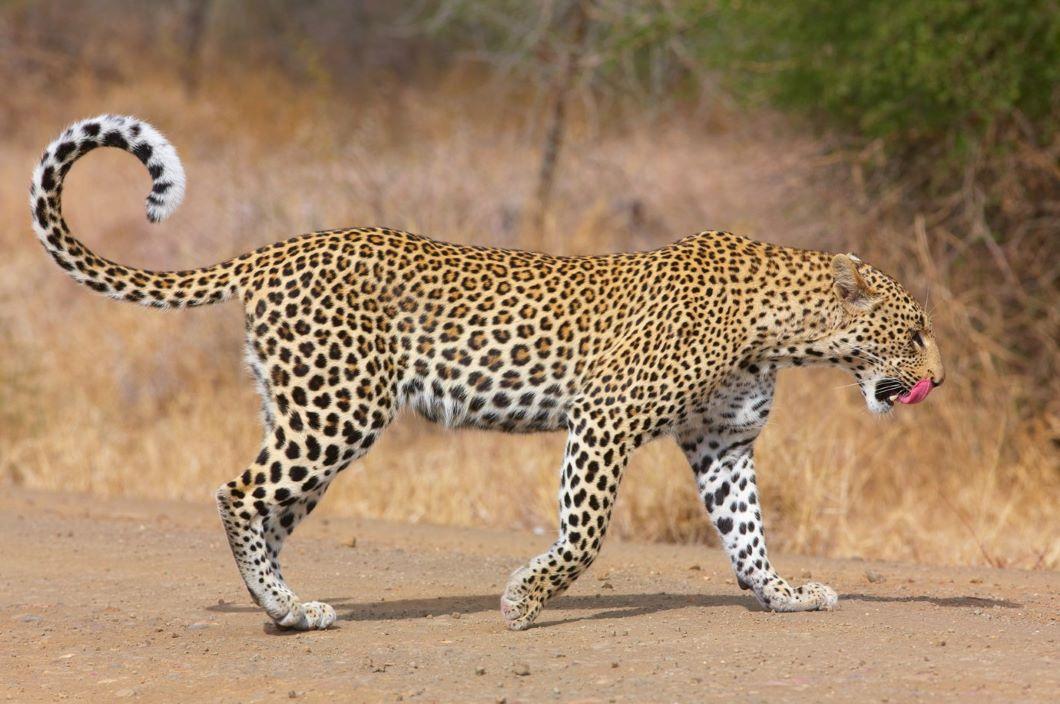
For centuries, leopards have occupied a special place in African folklore. Their elusive nature, remarkable camouflage and ability to appear and disappear silently have made them symbols of power, wisdom, secrecy and spiritual authority across different cultures.
Stories and traditions involving leopards have been passed between generations, while leopard imagery and skins have been associated with leadership, ceremony and social standing. This article examines those cultural beliefs and traditions, while hunters interested in pursuing the species can explore available Leopard Hunts across Africa.
[DYNAMIC-BLOGTABLEOFCONTENT]
Key Takeaways
- Leopards hold a special place in the folklore and traditions of several African cultures.
- Their strength, secrecy and elusive nature have made them symbols of power, wisdom, courage and spiritual protection.
- Stories and legends involving leopards have been passed between generations, with different cultures offering their own interpretations of the animal and its distinctive markings.
- In some traditions, leopard skins and imagery are associated with leadership, ceremony and social standing.
- Leopards continue to face threats from habitat loss, declining prey populations, poaching and human-wildlife conflict.
- Understanding the leopard’s cultural significance provides another perspective on why this animal continues to inspire such respect across Africa.
Leopards in African Folklore
In ancient African folklore, these majestic African cats were seen as symbols of power. African myths and legends portray the leopard as possessing and embodying strength, protection, and spirituality.
I think the most famous African folktale would be the one of “How the Leopard Got His Spots” which begins by relaying a story about a leopard without markings. It starts by saying he was sandy or light-colored, like a lion, without any markings whatsoever. He was then hunted by a famous hunter who had the leopard in his sights and the leopard was desperate to escape.
To avoid becoming prey, the leopard was told to eat the roots of a magical plant, and the poisoned arrows and weapons would then not affect or kill him. The tale then continues with how the leopard ate the plant for this magic to become a reality. And it did! Although the arrows did touch him, they didn’t injure or kill him, but rather left dark, round marks on his fur where they had touched him.
After that, the markings helped him blend among the trees and plants, making him notoriously difficult for the hunter in the story to see or target. And that is how the leopard got his spots.
There are various stories or versions of this legend, with diverse tribes and territories weaving different tales about the leopard and its intricate and unique coat markings. But one thing that they all have in common is that they speak of leopards with awe, respect, and a fondness that doesn’t go unnoticed.
No matter how you believe that the leopards got their spots, this dangerous African cat continues to inspire awe and wonder across cultures, with an air of mystery, strength, and secrecy.
Sacred Animals in African Folklore
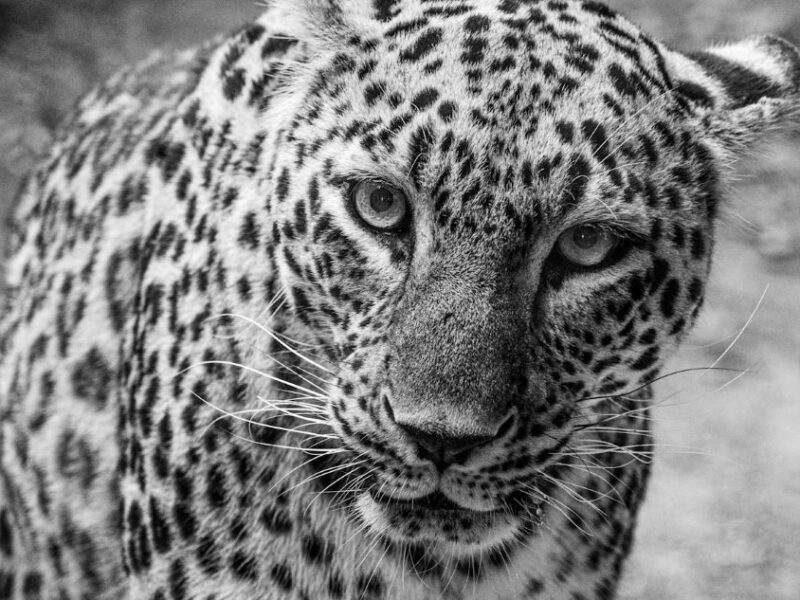
Leopards are often seen as sacred or holding a more prominent place than other animals in African folklore.
For example, in ancient Egyptian mythology, leopards symbolized strength and were associated with the god Osiris. Osiris was the god of fertility, life, the dead, and the afterlife, amongst others, and the association between the two reflects the power and authority that the leopard is seen as having.
Along the same vein, leopards were seen as symbols of courage, spiritual protection, as well as cunning in West African folklore, with enthralling tales and legends aligning with this train of thought.
Yet other African countries and cultures believed (and many still do) in the supernatural qualities that these African cats are said to have, with stories of shapeshifters, and magical encounters, to name but a few.
The leopard’s intelligence and secretive nature have inspired stories for centuries. Its ability to remain unseen, adapt to changing surroundings and survive across widely different habitats continues to reinforce its reputation as one of Africa’s most mysterious animals.
Rituals & Beliefs Relating to Leopards in Africa
Across Africa, cultural beliefs and rituals have developed over centuries, with leopards appearing in stories, ceremonies and symbols of leadership. Some of these traditions remain part of cultural life today.
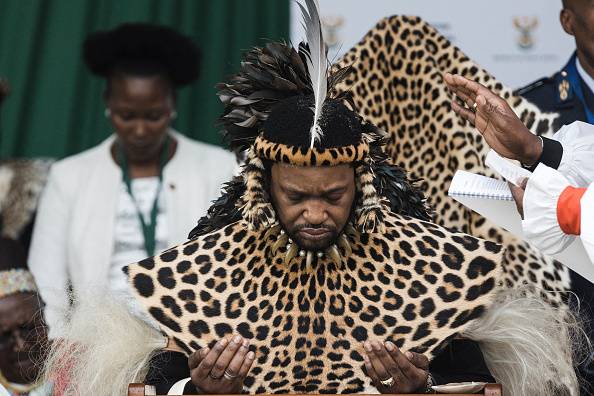
- Leopard imagery and skins have traditionally been associated with leadership and authority in some African cultures. They have appeared in ceremonial clothing, including capes, masks and headdresses, although practices differ considerably between communities and regions.
- In some African cultures, men undergo initiation before being seen as a “man” within their society. These initiations can involve wearing leopard skins or even imitating leopard movements and behavior.
- Sangomas, shamans, and traditional healers often have leopard imagery in their abodes, as the body parts of the leopard, such as the bones, claws, and skins are said to have healing powers.
- Countless African cultures believe in a cultural connection between leopards and humans and incorporating them into their everyday lives, believing that it will help them be successful and wise.
In the image below, the current king of the Zulu nation, King Misuzulu Zulu, is inaugurated in May 2022. Note the use of the leopard skins to confirm and showcase his standing within the Zulu nation. (Photo Credit: Photo by RAJESH JANTILAL/AFP via Getty Images)
Threats to Africa’s Leopard Population
The International Union for the Conservation of Nature has listed the leopard as vulnerable. Although not endangered, leopards are facing a declining habitat due to population growth, as well as other challenges including human-wildlife conflict, lack of prey or less prey in their natural habitat, poaching, and climate changes.
- As population growth continues worldwide, so does the need for further agricultural land, and the infrastructural development of new towns and cities as urbanization grows and expands into known wildlife habitat regions.
- The challenge is that as humans encroach on leopard territories and with fewer prey, leopards start targeting and attacking local livestock as a food source, inciting human-wildlife conflict. This leads to violence against leopards to kill or remove them from the area.
- Illegal hunting and poaching remain serious threats in some regions, with leopards targeted for their skins and body parts used in clothing, jewellery and traditional items.
- With less prey being available, this directly affects both the survival of the species as well as their reproduction.
- Deforestation due to urban spread, as well as the stark reality of climate change worldwide has a lasting effect on the leopard.
Why the Leopard Remains an African Icon
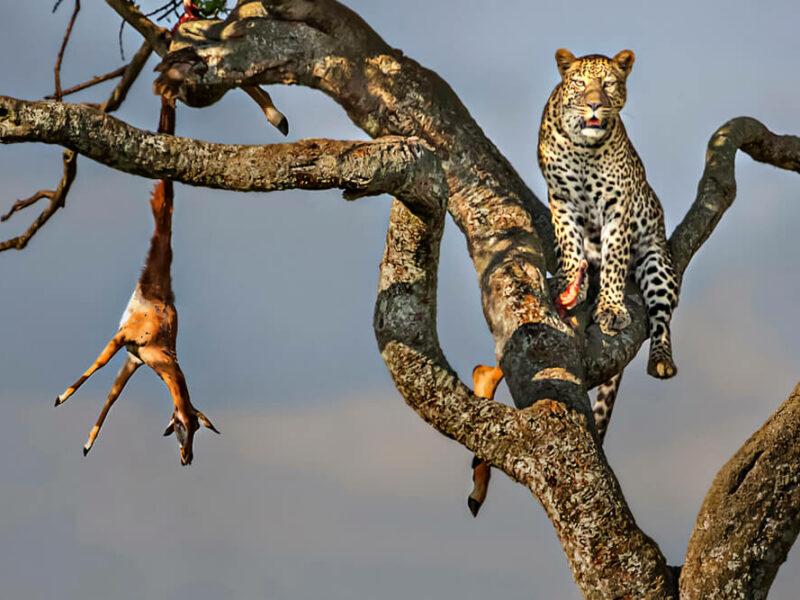
The leopard’s place in African culture reaches far beyond its physical strength. Its ability to remain hidden, survive across different landscapes and appear without warning has helped shape centuries of stories, beliefs and traditions.
That cultural importance existed long before the leopard became associated with modern Big Five Hunting and Dangerous Game Hunts in Africa. Whether represented in folklore, ceremonial clothing or stories passed between generations, the leopard remains one of Africa’s most respected and mysterious animals.