
Updated: July 2026
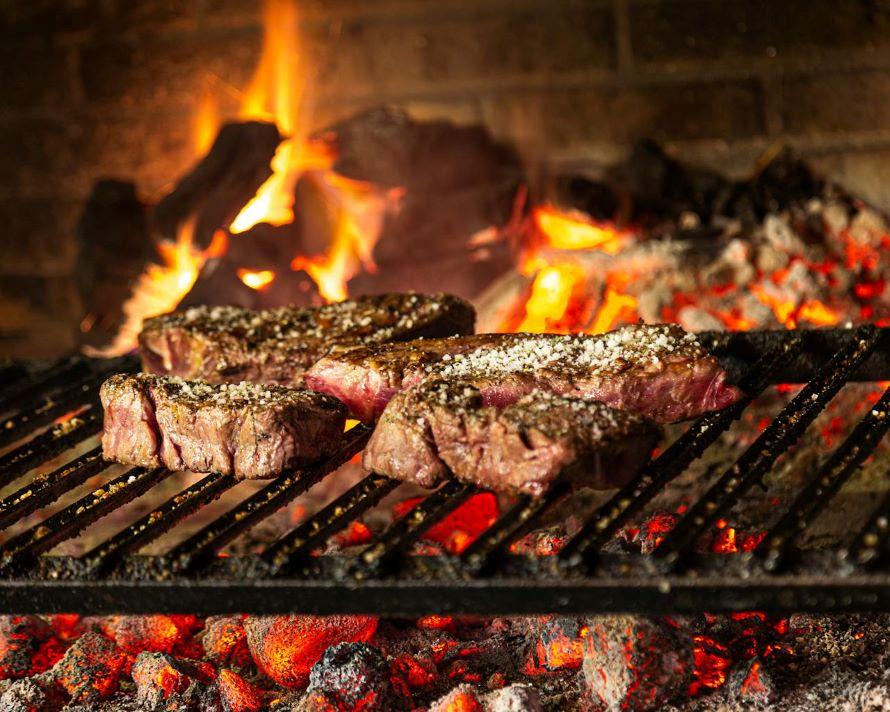
A good day in the African bush has a way of building an appetite. After hours spent tracking, walking and hunting under the African sun, there are few things better than returning to camp, settling around the fire and discovering what is being prepared for dinner.
Food is one of the parts of African Hunting Safaris that hunters rarely think much about before their first trip, yet it often becomes part of the memories they take home. Depending on where you hunt, the table may include familiar favorites alongside kudu, eland, impala, gemsbok, warthog or other locally available game meat, prepared over an open fire or incorporated into dishes influenced by the traditions of the region.
The meals served during Hunting Trips across Africa also tell a broader story about the safari. Meat harvested through hunting is utilized in different ways depending on the country, hunting area and local arrangements. Some may be enjoyed in camp, while significant quantities can be distributed among staff and surrounding communities.
This article takes a closer look at the food you may encounter on an African hunting safari, what can happen to the meat after a successful hunt, and some of the dishes and cooking traditions found across Africa's major hunting destinations.
[DYNAMIC-BLOGTABLEOFCONTENT]
Why choose Africa for A Game Hunting Safari?
- Africa is a world of its own. As Rudyard Kipling famously said, “One cannot resist the lure of Africa” and many game hunters worldwide can attest to this.
- Often referred to as the “Dark Continent,” Africa is a mysterious continent worth exploring and discovering. One of the reasons why hunters love to embark on African hunts is that there are destinations where hunting is advocated in relatively untouched, wild locations. This allows the hunter to experience “Africa of old” and to understand how the early hunters felt on an African expedition: In the middle of the wild, man versus beast.
- Africa is home to an amazing array of fauna and flora, with many of these endemic to certain regions or areas in Africa, allowing the hunter to experience and hunt a diverse range of species each time, depending on his location.
- Hunting concessions are exceptional, with free-range hunting options available across many regions and countries.
- Hunters experience the very best in terms of accommodation and cuisine, with 5* luxurious hunting lodges and accommodation available.
- Africa is a dream tourist destination, from the tip of Africa upwards, and remains a great choice for a pre or post-hunting safari trip. The continent combines safari experiences with rich heritage and culture, exceptional destinations, and unparalleled experiences to allow tourists an all-round African adventure.
- An African hunting adventure can be tailored to suit a novice, intermediate, or expert hunter, depending on the species targeted, the location, and the hunting method. From an African plains game hunting safari that, depending on your species, can be for novices right through to experts and hunting adventures featuring Africa’s Big 5 and Dangerous 7 specifically targeting expert and experienced hunters, Africa has something for everyone on an African hunting trip.
- Africa is passionate about sustainable hunting practices that ensure the conservation of wildlife for generations to come. Many countries run various conservation and wildlife initiatives and programs, which are supported by the fees paid by those hunting in the region. Some of these programs are already showing results, such as the successful reintroduction of the blue wildebeest into Namibia.
- Africa is home to expert African outfitters, guides, and professional hunters (PH), all ready to assist and ensure that your African hunt is a successful and rewarding experience.
What are the Most Popular Hunting Destinations in Africa?
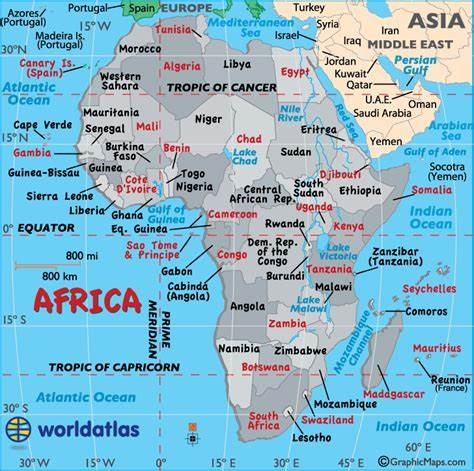
While South Africa is seen as the pinnacle game hunting destination in Africa, offering diverse experiences, species, landscapes, and hunting adventures, many other destinations also allow a hunter to experience an exceptional hunting experience.
At a glance, cheetah hunting in Namibia is something that cannot be undertaken elsewhere worldwide, while Botswana is renowned for its immense herds of elephants and provides an unforgettable dangerous game hunting experience. Zambia and Zimbabwe’s Lake Kariba, an area renowned for its top-quality hippo and crocodile trophies, has dangerous game hunters visiting; while Tanzania’s famous Selous Game Reserve is the dream of many African plains game hunters, offering diverse species to target. Mozambique’s Niassa Reserve with its monster Cape buffalo and other species is well worth a visit, but this quick tally doesn’t do any of the aforementioned destinations with their vast wildlife and offerings justice!
How is the Meat from my African Hunt utilized?
What happens to the meat harvested during an African hunt varies depending on the country, hunting area and arrangements made by the outfitter. Some of the meat may be used in camp, giving hunters the opportunity to enjoy game they have harvested, while the remainder is often distributed among staff, local communities or others living in the surrounding area.
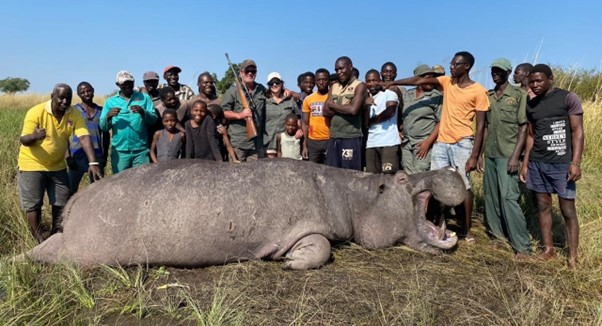
In remote parts of Africa, this meat can be particularly valuable to communities where access to fresh protein may be limited. One example comes from a hippo hunt in Namibia's Zambezi Region, formerly known as the Caprivi Strip. After the hunt, the meat from the hippo was distributed within the local community, where it provided a substantial amount of food for local families.
Moments like these also show hunters a side of an African safari that is rarely seen in photographs. The value of a harvested animal can extend well beyond the trophy, with the meat being fully utilized and shared among the people who live and work in the hunting area.
Traditional Culinary Delights Per Destination
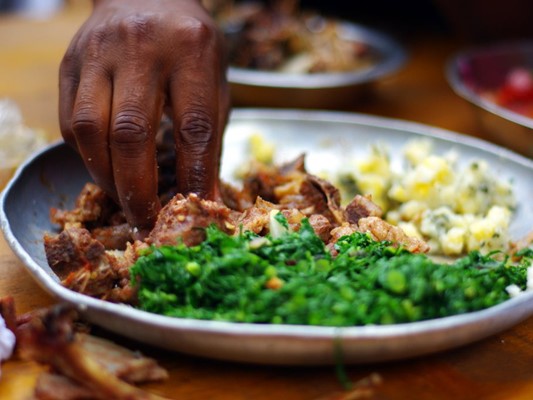
With more than 50 countries on the African continent, each is home to its own unique heritage and culture, as well as its cuisine. For many households, meat is a pure luxury, and the staple food in many regions is rice or maize, prepared in a variety of ways with different spices and cooking techniques coming to the fore per country.
Game meat is also part of the culinary side of many Plains Game Hunts, with species such as kudu, impala, gemsbok and eland sometimes finding their way onto the table in hunting camps. The way it is prepared varies considerably between countries and regions, reflecting local ingredients and cooking traditions.
Tanzania
For generations, the inhabitants of the area have hunted and served game meat dishes to their families and friends. Popular game meat options in Tanzania include buffalo, wildebeest, hartebeest, and impala.
Traditional Dishes include:
- Nyama Choma: This traditional Tanzanian dish features antelope or goat meat that is marinated and then slowly grilled over the fire, resulting in a flavorsome, tender meat, served with a type of dumpling and salad.
- Mshikaki: This meat is also grilled over the open flames and marinated in a mix of spices. A variety of game meat can be used for this tasty dish that is typically served with flatbreads, rice, salads, or wedges.
- Ndizi na Nyama: This popular dish is made with game meat, flavored with an array of spices including curry, cayenne pepper, onions, and tomatoes. The dish consists of combines plantains with the meat of choice to make a delicious meal, fit for a king.
Mozambique
Situated on Africa’s East Coast, Mozambique’s traditional dishes feature a range of seafood and game dishes that homage to its rich heritage and culture.
Some popular dishes include:
- Xima and Game Meat Stew: Incorporating a rich array of spices, tomatoes, and onions, along with game meat such as impala or kudu, this stew is served with xima. Xima is a local maize porridge that is served with this stew for a warming, comforting foody experience.
- Matata: Indulge your tastebuds in this traditional Mozambican stew, that includes coconut milk, peanuts, and cassava leaves. The type of game meat used in this dish is warthog or antelope, with a rich array of spices and flavors providing a tasty, nutritional, and appetizing dish.
- Peri-Peri Game Meat: Mozambican food is renowned for its excellent use of spices and sauces and this one is no exception! Kudu and impala are usually utilized in this dish, which features the meat marinated in a spicy peri-peri sauce and grilled over the coals for a smoky, spicy flavor.
- Feijoada: A traditional bean stew, feijoada is made with a variety of meats including game meat.
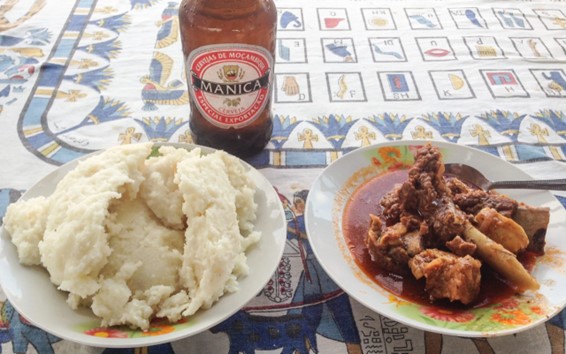
Zimbabwe
As with many African dishes, Zimbabwe features dishes rich in herbs and spices, bringing to the fore the delectable flavors of local ingredients that are often slow-roasted or grilled over an open fire.
Some tantalizing options include:
- Mhofu Stirfry: This dish features eland, in a quick and easy stir-fry, with vegetables and packed with spices for a healthy and tempting meat dish.
- Stewed and Grilled Meat: A variety of venison meat (impala, kudu, and warthog) is grilled or stewed and served together with a traditional porridge known as “sadza.” This porridge is a staple food for many Zimbabweans and is often served and prepared in many ways to incorporate it in options from breakfast through to dinner.
- Crocodile: The cold-blooded predator is considered a major delicacy in the region and is served as steak, or prepared into sausages.
- Biltong: As with many countries across the continent, biltong is made with numerous types of game meat, including impala, kudu, and eland.
Zambia
This landlocked African country has many tasty delicacies featuring both venison and seafood.
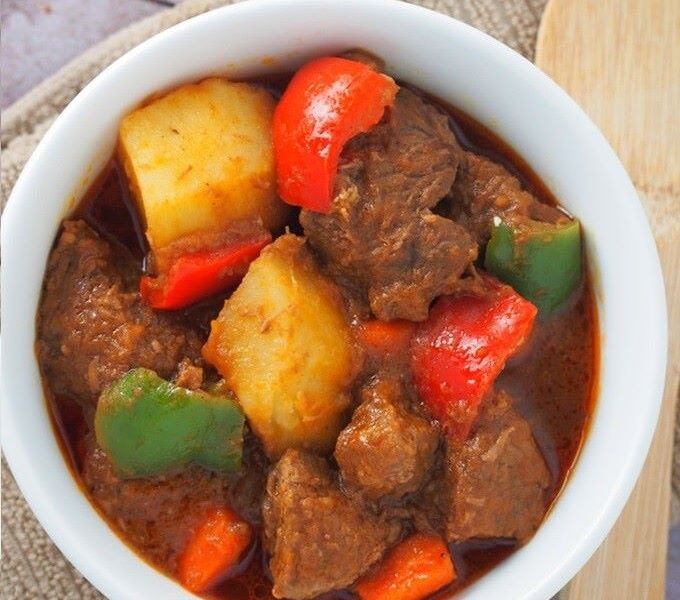
- Curried Venison/ Gazelle: With game meat being plentiful in the area, there are many tasty and flavorful recipes available, including curried venison. As a lean meat, venison provides a healthy, tasty meal option and this tempting curry features venison meat in a spicy, curry sauce, served with rice.
- Impala Stew: This tasty meaty stew features an array of vegetables, along with herbs and spices for an aromatic, tempting, and delicious stew. Served with rice, bread, or traditional maize porridge (nshima), this tasty, healthy dish is full of goodness and flavor
Botswana
Another great game hunting destination offering tantalizing and tasty culinary fare! No African hunting trip to Botswana is complete without tasting some of these delicious options.
These options include:
- Morogo: A dish traditionally made with wild spinach, game meat can be used for extra protein and flavor combinations.
- Seswaa (aka known as chotlho): Botswana’s national dish is a simple one, relying on the flavor and taste of the meat to shine through. Although typically featuring goat or beef, it can also be prepared using game meat such as impala or kudu, giving the dish a different flavor base. The dish features the meat slow-cooked until tender, after which it is pounded with a wooden mallet, and then served. Traditional accompaniments for this scrumptious meal include wild spinach (morogo), maize meal balls (dikgobe), or maize porridge (pap).
Namibia
The “land of sand” is home to a diverse range of wildlife, allowing incredible African hunts and safaris in the area. There is a wide selection of game meat available to consume, including kudu, wildebeest, springbok, ostrich, oryx (gemsbok), and eland.
Traditional cuisine made and enjoyed in Namibia featuring game meat includes:
- Kapana: Prepared over open flames, kapana is a street food made of cubed meat, often beef or game, and enjoyed by all.
- Kudu Steak: Nothing comes close to a tasty kudu steak, perfectly marinated and grilled to perfection. Often served with pap, this tasty venison steak is high in protein, and low in fat, making it a tasty and healthy option.
- Potjiekos: Cooked in a three-legged pot on an open fire, potjiekos loosely translates to “little pot of food” and features meat, together with vegetables, cooked to form a tasty stew. With an array of herbs and spices used to flavor the dish, game meat used in potjiekos includes kudu, eland, warthog, impala, and springbok.
- Biltong: A delicacy enjoyed by many; biltong is a delectable treat that is well worth every cent. Be sure to try this air-dried meat when you are in the area, with a favorite of mine being oryx biltong.
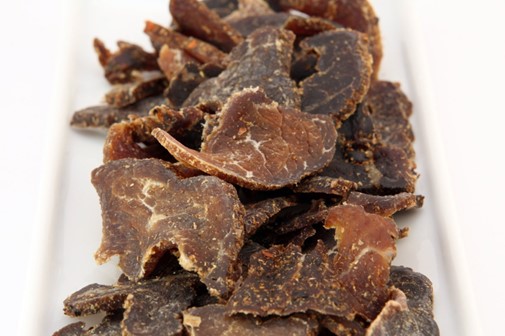
South Africa
South Africa, as with many other African countries, is a region rich in heritage and culture, that has influenced it in different ways, including cuisine.
Some popular South African game meat dishes include:
- Braai: From the north to the south of the country, from east to west, and everywhere in between, this country is braai-mad, and these braais can happen anywhere at the drop of a hat!! Tasty options included on a braai would be kudu steaks and sosaties, warthog sausage or chops, and ostrich steaks, amongst others. These are all served with a variety of sides, such as salads, garlic loaves, or the ever-popular “braaibroodjie” (toasted sandwich cooked over the fire).
- Potjiekos: Nothing beats a good potjie, with just the right amount of vegetables, meat, and spices combined to make a mouthwatering stew. Cooked in a three-legged pot on an open fire, potjiekos in South Africa sees a variety of meat options used, including chicken, lamb, beef, and game meat options.
- Biltong: Known in the US as “jerky” but far more flavorsome and spiced, biltong is a South African delicacy made from various game meat with popular options including springbok and kudu biltong.
- Droewors: A sausage that is air-dried, droewors is packed with flavor and another delicacy enjoyed throughout the country. Popular game meats used for droewors include kudu, impala, and springbok.
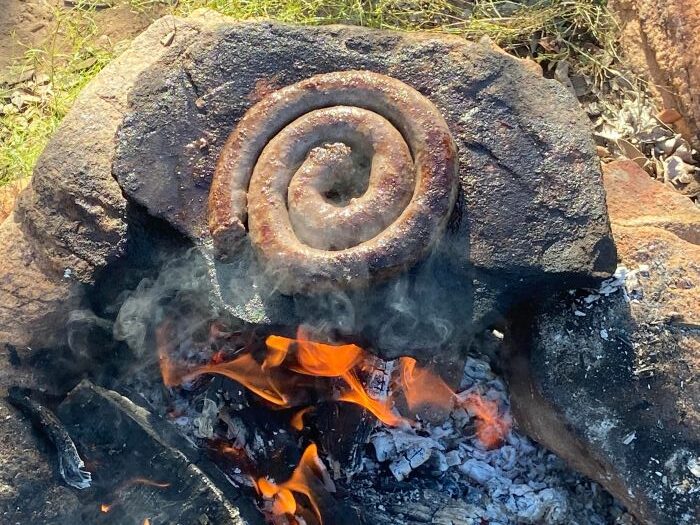
More Than a Meal at the End of the Day
Some of the best memories from an African hunting safari are made after the rifles have been put away for the day. Sitting around the fire, sharing a meal and talking through the day's hunt is as much a part of safari life as the hours spent in the bush.
Trying locally prepared game meat and discovering the different flavors and cooking traditions of the country you are hunting in adds another dimension to the trip. You may arrive in Africa thinking mostly about the hunt and the trophy you hope to take home, but it is often the unexpected moments around camp, the food, the stories and the people you share them with, that stay with you long after the safari is over.
Author: B. Hershensohnn