
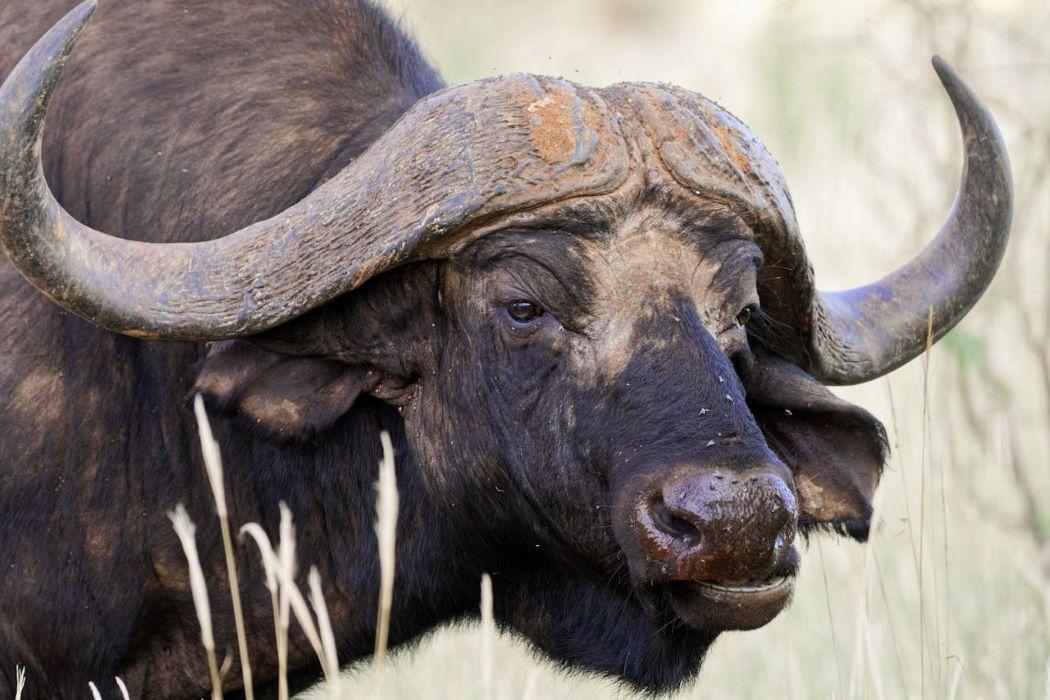
This is Part 2 of our African Cape buffalo hunting guide series, focusing on the moments that matter most once the shooting sticks are up and the distance closes inside dangerous game range.
Few hunting situations create the same level of pressure as standing within close range of a mature Cape buffalo in thick African bush. In many cases, opportunities develop quickly, visibility changes constantly, and decisions must be made within seconds. This is why experienced professional hunters place such strong emphasis on preparation, communication, and disciplined shot execution during dangerous game hunting safaris.
While understanding proper shot placement on Cape buffalo is critical, what happens immediately after the shot is often just as important. A buffalo may run with the herd, stop suddenly in thick cover, circle downwind, or disappear silently into dense vegetation. Reading these situations correctly requires patience, composure, and careful coordination between the hunter, trackers, and professional hunter.
For many international hunters, Cape buffalo hunts in Africa become defined not only by the shot itself, but by everything surrounding it — the tracking, the pressure, the follow-up, and the intensity of entering thick bush after a wounded buffalo.
This guide explores the realities of shot execution, follow-up decisions, wounded buffalo behavior, and the challenges that make dangerous game hunting in Africa one of the most demanding hunting experiences in the world.
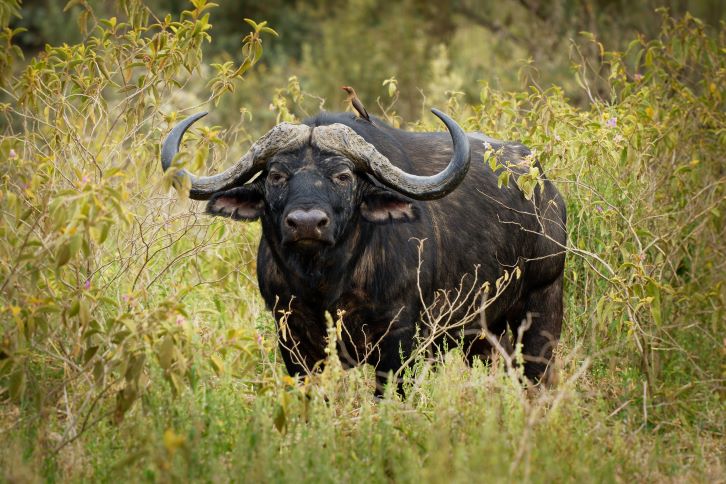
[DYNAMIC-BLOGTABLEOFCONTENT]
Preparing for a Cape Buffalo Hunt
For many American hunters, a Cape buffalo safari in Africa is unlike any previous hunting experience. Dangerous game encounters often happen at close range in thick bush where visibility changes quickly and shot opportunities may only last a few seconds.
Unlike many North American hunts where hunters have time to range distances, reposition, or wait for a perfect broadside angle, Cape buffalo hunting frequently requires faster decision-making under far greater pressure. This is one of the reasons experienced professional hunters place so much emphasis on preparation long before the safari begins.
Physical conditioning certainly matters, especially when tracking buffalo for hours through heat, sand, river systems, or dense mopane bush. But mental preparation is equally important. Hunters must be comfortable shooting from sticks, reacting calmly under pressure, listening carefully to PH instructions, and remaining composed after the shot when visibility and communication become limited.
Experienced dangerous game hunters also spend considerable time preparing with the exact rifle, scope setup, ammunition, and shooting positions they intend to use during the safari. Small details such as shooting speed, recoil management, follow-up shot recovery, and confidence on sticks become extremely important once a mature buffalo is standing inside close range.
For first-time American hunters traveling to Africa, understanding how dangerous game hunting safaris actually unfold in the field often becomes one of the most valuable parts of the preparation process.
Many first-time buffalo hunters also underestimate how often Cape buffalo safaris are combined with additional plains game hunting opportunities during the same trip. Depending on the hunting area and country, hunters may pursue species such as kudu, sable, impala, waterbuck, or nyala alongside dangerous game hunting safaris in Africa. These additional hunts often provide a completely different pace and shooting dynamic compared to the pressure and intensity of close-range buffalo encounters.
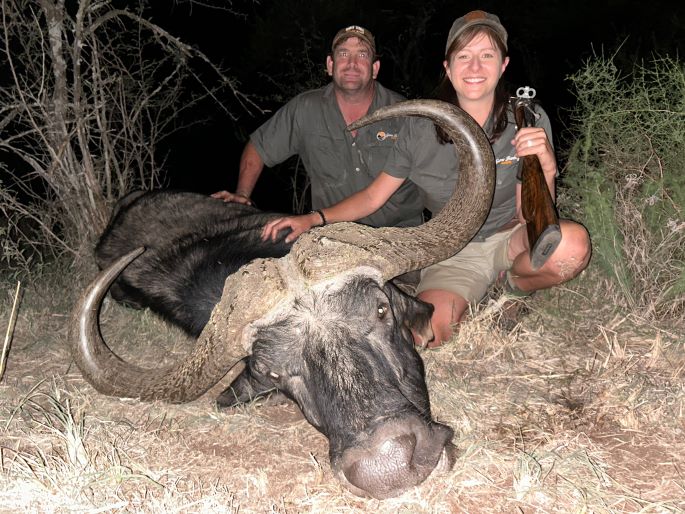
The Hunt: What Happens Once The Tracking Begins
A Cape buffalo hunt often begins long before the hunter ever sees the animal. Early mornings are typically spent cutting fresh spoor near water, river crossings, feeding areas, or along well-used game paths before slowly following tracks through thick bushveld or mopane country.
As the distance closes, the pace and atmosphere of the hunt usually change quickly. Communication becomes quieter, movement slows considerably, and professional hunters begin paying close attention to wind direction, herd positioning, visibility, and possible shooting lanes. In many situations, hunters may only catch partial glimpses of a mature bull through grass, brush, or moving herd animals before a shooting opportunity appears.
One of the biggest adjustments for many first-time dangerous game hunters is learning how quickly shot opportunities can develop and disappear. Buffalo rarely stand perfectly broadside for long periods, particularly inside dense cover where visibility constantly changes. This is why experienced professional hunters place such strong emphasis on calm communication, patience, and disciplined shot execution under pressure.
Safety during a Cape buffalo hunt extends far beyond firearm handling alone. Once buffalo become alert or wounded, follow-up situations can become unpredictable very quickly. Hunters, trackers, and professional hunters must work together carefully while maintaining awareness of herd movement, terrain, visibility, and escape routes inside thick bush.
For many hunters, this combination of tracking pressure, close-range encounters, and constant decision-making is what makes Cape buffalo hunting in Africa so different from almost any other hunting experience in the world.
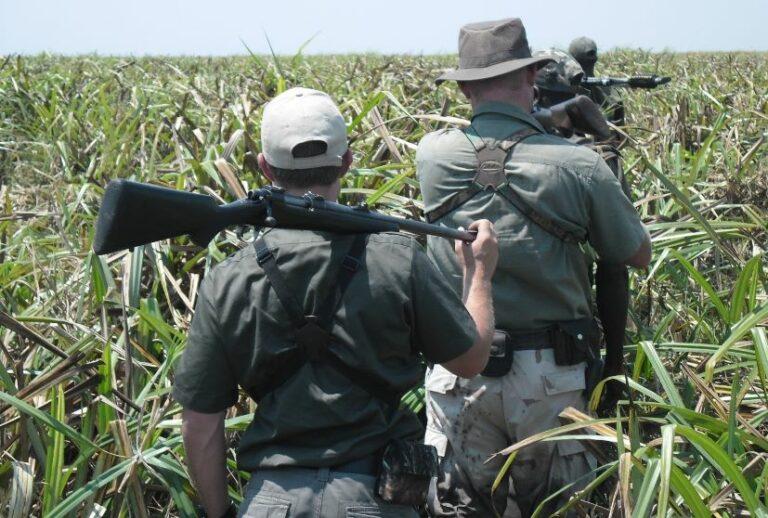
How Hunting Conditions Change Across Africa
One of the biggest surprises for many international hunters is how different Cape buffalo follow-up situations can feel depending on the country, terrain, and hunting area involved.
In places such as South Africa, buffalo hunting often takes place in thicker bushveld environments where visibility can become extremely limited once buffalo move into cover. Follow-up situations in these areas may happen at very close range with little warning, requiring careful communication between the hunter, trackers, and professional hunter.
In Tanzania and Mozambique, buffalo hunts frequently unfold across much larger wilderness concessions where tracking distances can become physically demanding and follow-ups may continue through river systems, floodplains, or dense vegetation for extended periods. These conditions often place greater emphasis on endurance, patience, and reading buffalo movement over long distances.
Zimbabwe is widely respected among dangerous game hunters for its traditional tracking style and unpredictable buffalo hunting conditions, particularly in areas with thick jesse bush or dry river systems where wounded buffalo can disappear quickly into heavy cover.
For many American hunters planning their first dangerous game safari, understanding how terrain, visibility, vegetation density, and tracking conditions differ between African hunting destinations can play a major role in both preparation and overall safari expectations.
Challenges and Realities After the Shot
One of the biggest misconceptions among first-time dangerous game hunters is believing the hunt becomes easier once the trigger is pulled. In reality, the moments immediately after the shot are often the most stressful and unpredictable part of a Cape buffalo safari.
Even well-hit buffalo may disappear into thick brush, move with the herd, or remain standing far longer than expected. Dust, vegetation, poor visibility, adrenaline, and moving animals can make it difficult to immediately determine how effective the shot was. This is why dangerous game PH's carefully watch the buffalo’s reaction, body posture, direction of travel, and herd behavior within the first few seconds after impact.
A wounded buffalo can become extremely dangerous during follow-up situations, particularly inside dense cover where visibility is limited and communication becomes quieter and more deliberate. Hunters are often surprised by how much patience and discipline are required after the shot, especially when tracking a buffalo that has slowed down, circled into cover, or stopped somewhere ahead of the hunting party.
Understanding proper Cape buffalo shot placement and follow-up procedures is critical, but experienced hunters also know that composure after the shot often becomes just as important as the shot itself. Rushed decisions, unnecessary movement, or poor communication can quickly increase risk during dangerous game follow-ups.
For many hunters, these moments of uncertainty, tracking pressure, and close-range tension become the defining memories of a Cape buffalo hunt in Africa.
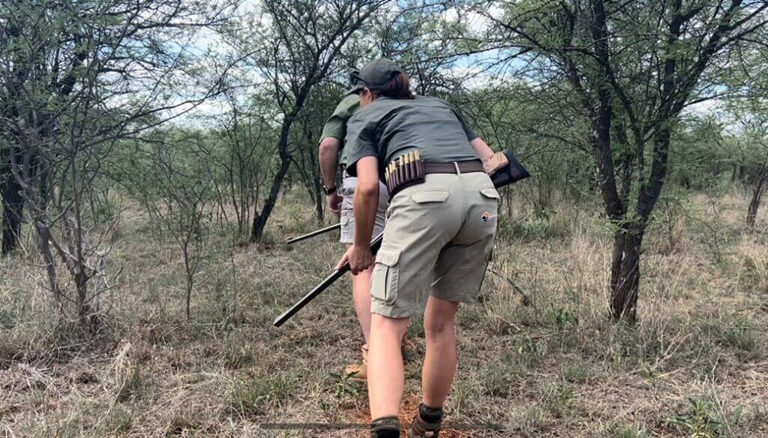
For many hunters, the most memorable part of a Cape buffalo safari is not necessarily the shot itself, but the moments surrounding it.
The silence after the rifle fires, the reaction of the herd, the sound of movement disappearing into thick bush, and the tension of following tracks through dense cover often leave a lasting impression long after the safari ends. Many first-time dangerous game hunters arrive expecting the experience to revolve around a single trigger pull, only to realize how much of the hunt is shaped by patience, communication, positioning, and decision-making under pressure.
Experienced PH's often remind clients that Cape buffalo hunting is as much about staying calm after the shot as it is about making the shot itself. In thick cover, situations can change quickly, particularly during follow-up scenarios where visibility, wind, terrain, and herd movement all influence what happens next.
For many American hunters visiting Africa for the first time, these close-range encounters and follow-up situations become the defining moments of the entire safari experience.
Recap the Challenges of Cape Buffalo Hunting
Cape buffalo hunting in Africa is often defined by the moments that happen immediately before and after the shot. The pressure of closing the distance inside thick bush, the split-second decisions once a shooting lane opens, and the tension that follows a wounded buffalo into dense cover are what make dangerous game hunting such a demanding experience.
For many hunters, especially first-time American sportsmen visiting Africa, the biggest lesson is how quickly situations can change once a buffalo reacts to pressure. A hunt that feels controlled one moment can become unpredictable seconds later, which is why experienced professional hunters place so much emphasis on communication, patience, and disciplined follow-up procedures throughout the safari.
Understanding how a Cape buffalo hunt unfolds in the field, preparing properly for dangerous game conditions, and learning the realities of follow-up situations all contribute to safer, more effective hunting experiences.
To continue learning more about Cape buffalo hunting in Africa, explore these additional guides:
Follow the hunt from the beginning in A Guide To An African Cape Buffalo Hunt: Part 1
Learn more about dangerous game encounters in Facing the Ultimate Adversary: Cape Buffalo Hunting in Africa
For many hunters, the intensity of these close-range encounters — and the discipline required after the shot — ultimately become the most unforgettable parts of the entire safari.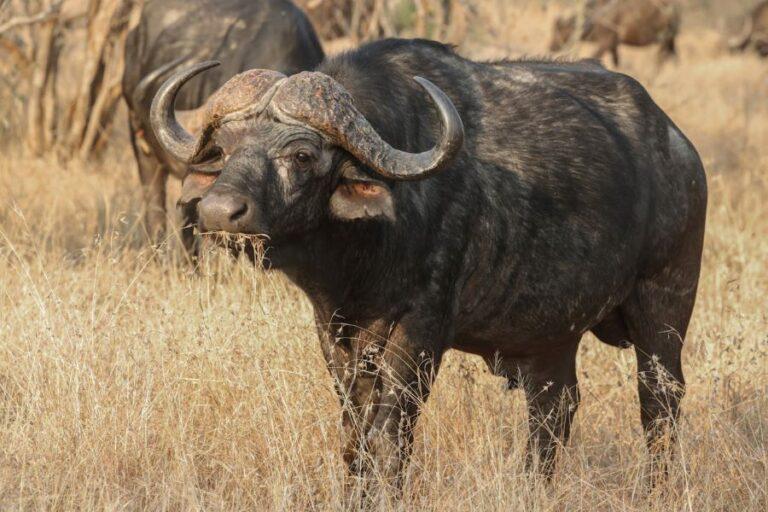
Frequently Asked Questions About Cape Buffalo Follow-Up Situations
What usually happens after shooting a Cape buffalo?
A Cape buffalo may react very differently depending on shot placement, herd position, terrain, and stress levels at the moment of impact. Some buffalo collapse quickly, while others run with the herd, stop in thick cover, or circle downwind before bedding. Experienced professional hunters carefully watch the buffalo’s body language and direction immediately after the shot before deciding how to approach the follow-up.
Why are wounded Cape buffalo considered so dangerous?
Wounded Cape buffalo are dangerous because they often retreat into dense cover where visibility becomes extremely limited during follow-up situations. Unlike many plains game species that continue fleeing over long distances, buffalo may stop, watch their back trail, or react aggressively once pressured. This is why dangerous game follow-ups require careful communication, patience, and disciplined movement inside thick bush.
What is the biggest mistake first-time American hunters make during a buffalo follow-up?
One of the most common mistakes is rushing after the shot instead of allowing the professional hunter and trackers time to assess the situation properly. Adrenaline, limited visibility, and herd movement can create confusion very quickly. Experienced dangerous game hunters understand that composure, listening carefully to PH instructions, and avoiding unnecessary movement are critical during buffalo follow-up situations.
Which African countries offer the most challenging Cape buffalo tracking conditions?
Countries such as Zimbabwe, Mozambique, and Tanzania are widely known for physically demanding Cape buffalo hunting conditions involving thick bush, large wilderness concessions, river systems, and extended tracking on foot. In many of these areas, follow-up situations can become especially intense due to dense vegetation and limited visibility inside traditional dangerous game hunting terrain.
About the Author
Pierre van Wyk is the co-founder of Game Hunting Safaris and has spent years hunting dangerous game across Southern Africa, including Cape buffalo in South Africa, Namibia, and Mozambique. Having worked closely with professional hunters, trackers, and international clients, he focuses on helping hunters better understand the realities of dangerous game hunting in Africa — particularly the decision-making, shot discipline, and follow-up situations that define a Cape buffalo safari.