
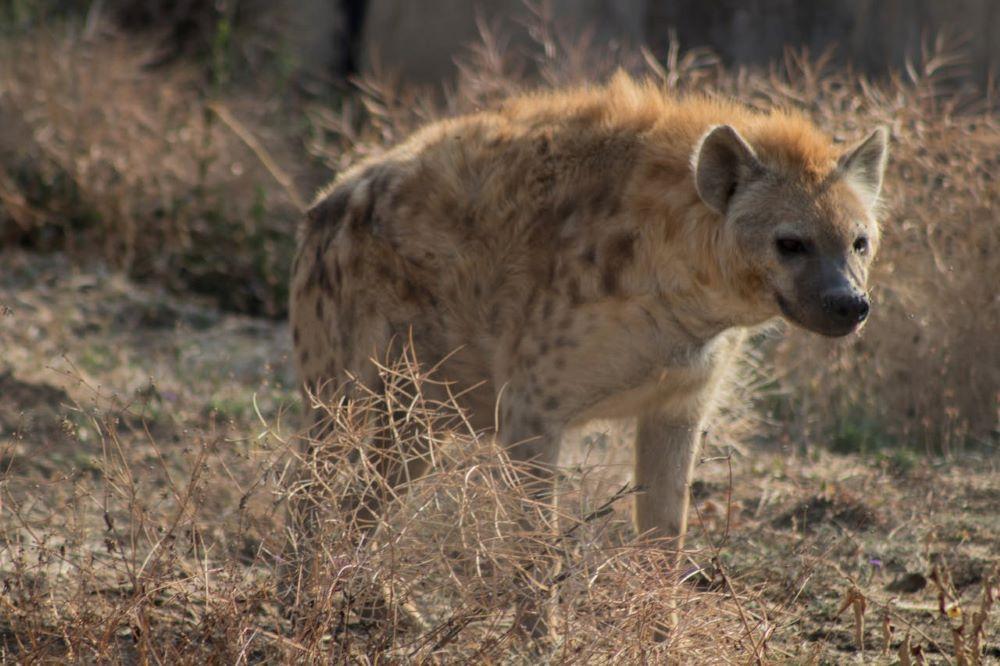
Hyenas have fascinated people for centuries, appearing in African folklore as tricksters, supernatural creatures and symbols of both fear and respect. Behind these legends is an intelligent and adaptable predator whose unusual calls and nocturnal behaviour have helped shape its reputation. Although today's hyena hunts in Africa are very different from the stories surrounding these animals, their cultural significance remains an interesting part of their history.
[DYNAMIC-BLOGTABLEOFCONTENT]
Introduction
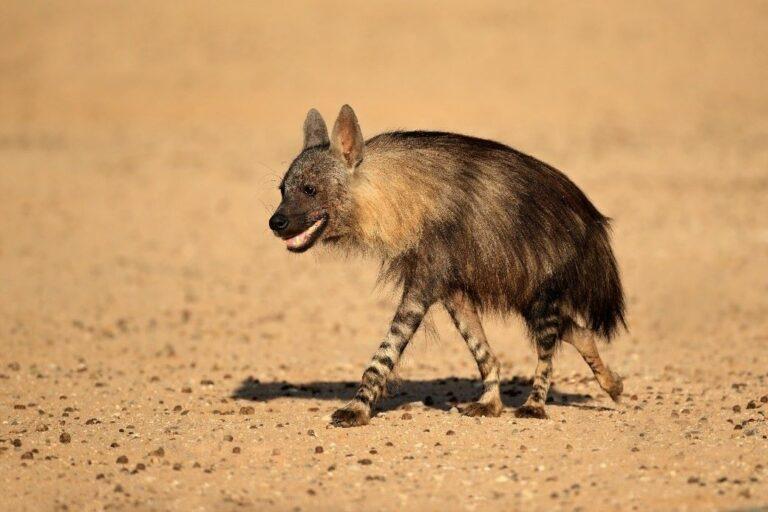
- Hyenas, which belong to the Hyaenidae family, include species such as spotted, brown, and striped hyenas. While they’re often recognized for their scavenging abilities and powerful jaws that can crush bones, they are also effective hunters.
- Their contribution to the ecosystem is significant, as they help regulate animal populations and clean up carrion, ensuring ecological balance.
History of Hyena Hunting
Early Practices and Tools
- For thousands of years, humans have interacted with hyenas, driven by survival needs and cultural beliefs. Early game hunting methods included using spears and traps to capture or kill hyenas for food, and fur, and to protect livestock.
Cultural Evolution
- Hyenas took on different cultural meanings; some societies revered them as symbols of cleverness, while others feared them as harbingers of death and deception. These early interactions set the stage for the intricate relationship between humans and hyenas, influencing cultural stories and shaping perceptions in various societies.
Mythical Connections
Ancient Hyena Mythology
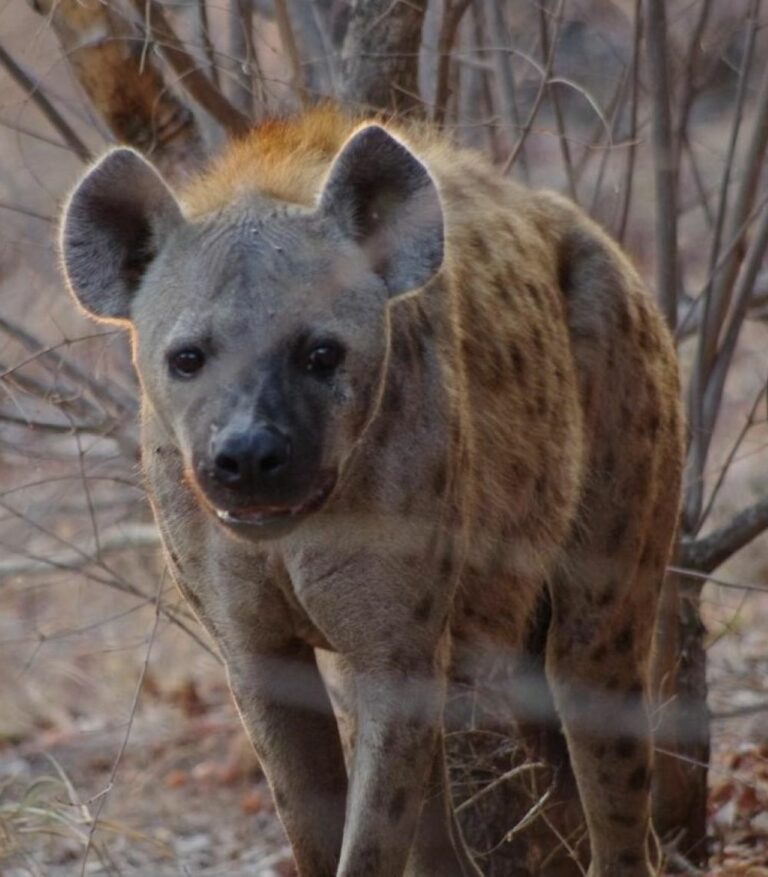
- In ancient mythologies hyenas held significant symbolic roles.
- In various African cultures, they were sometimes linked with witchcraft or portrayed as cunning tricksters.
- These mythological connections reveal deep-rooted cultural attitudes towards hyenas across different civilizations.
Hyenas have made a lasting impression on ancient mythologies worldwide, transcending their physical presence to become powerful symbols and characters in cultural narratives. From Africa to Asia and beyond, hyenas have been integrated into mythological stories that reflect human perceptions, fears, and reverence for these mysterious creatures.
Symbolism and Roles
- In ancient African mythologies, hyenas often appeared as complex figures embodying both positive and negative traits.
- Among certain cultures, they were revered for their cunning intelligence and resourcefulness. For example, in some African folklore, hyenas were portrayed as tricksters who used their wit and agility to outsmart larger predators, earning respect and admiration from human observers.
Moral Lessons and Folklore
- Hyenas are featured in moral fables and cautionary tales across various cultures, imparting lessons about greed, trickery, and the repercussions of deceit.
- In Persian folklore, hyenas are occasionally portrayed as symbols of treachery and dishonesty. These tales warn against trusting appearances and stress the significance of discernment and integrity.
Folklore Surrounding Hyenas
Folktales and Legends
Hyenas occupy a prominent place in folklore from various cultures worldwide, where they are often portrayed as complex and compelling characters that embody both positive and negative attributes. These tales reflect humanity’s fascination with the cunning and adaptability of hyenas, weaving narratives that explore themes of morality, identity, and the supernatural.
1. Somali Folklore: Werehyena LegendsIn Somali folklore, hyenas are depicted as mystical beings known as the Hyena Men. These legendary figures possess supernatural powers and shape-shifting abilities, allowing them to traverse between the human and animal realms at will.
- The Hyena Men are often portrayed as enigmatic and powerful figures who command respect and fear in equal measure. They are said to possess knowledge of ancient secrets and magical rituals, using their abilities to protect their communities or exact vengeance on their enemies.
- The tales of the Hyena Men serve not only as cautionary tales but also as symbols of resilience and resourcefulness in the face of adversity. Their shape-shifting abilities symbolize the fluidity of identity and the interconnectedness between humans and the natural world, blurring the boundaries between reality and myth.
2. Moral Fables and Lessons
- Across various cultures, hyenas feature prominently in moral fables that impart lessons about human behavior and societal values. In these tales, hyenas are often portrayed as cunning tricksters or symbols of greed and deception. They use their intelligence and resourcefulness to outwit other animals or humans, only to face consequences for their actions.
- In some fables, hyenas serve as cautionary examples of the perils of excessive ambition or selfishness. Their portrayal as protagonists or antagonists underscores their dual nature as both predators and scavengers, reflecting broader themes of survival and competition in the natural world.
3. Cultural Interpretations
- Also across various cultures, the folklore surrounding hyenas offers unique interpretations of their behavior and characteristics.
- In many societies, hyenas provoke suspicion or fear due to their nocturnal scavenging habits and unsettling vocalizations. Their eerie cries and haunting laughter at night contribute to their portrayal as enigmatic and unpredictable creatures, capable of mischief and perceived malevolence.
- Simultaneously, hyenas are admired for their resilience and adaptability in harsh environments. Their ability to thrive across diverse habitats and sustain themselves primarily on carrion highlights their essential role in ecosystems, where they play a crucial part in carcass disposal and disease prevention.
- These narratives provide a window into humanity’s varied cultural perspectives and imaginative interpretations. They entertain, educate, and deepen our understanding of our intricate relationship with the natural world, revealing our enduring fascination with creatures that straddle the boundaries between civilization and the untamed wilderness.
4. The Hyena Men of Harar, Ethiopia
In the Ethiopian city of Harar, hyenas have a place in local tradition that is quite different from their reputation elsewhere in Africa. For generations, residents have lived alongside spotted hyenas that enter the city at night, feeding on discarded animal remains.
Local folklore associates these animals with protection against harmful spirits. Another tradition involves offering porridge to hyenas during the festival of Ashura, with the animals' behaviour interpreted as an indication of the year ahead.
Today, Harar is particularly well known for its hyena men, who feed wild spotted hyenas outside the old city walls. The familiar practice of feeding hyenas by hand developed during the twentieth century, although the relationship between the community and these predators is much older.
Harar offers an unusual example of how an animal feared in some communities can become an important part of another community's cultural identity.
Literary and Artistic Representations:
- From ancient texts to modern literature, hyenas have been a source of inspiration for writers and artists alike.
- In visual art, hyenas are frequently portrayed in dynamic poses that emphasize their strength and agility. These depictions capture the essence of hyenas as powerful and adaptable creatures.
Beyond the Myths: Understanding the Real Hyena
Few African animals have inspired as many conflicting beliefs as the hyena. Across different cultures, these predators have been associated with witchcraft, transformation, cunning and spiritual protection. Some traditions portray them as creatures to be feared, while others regard them with respect or even reverence.
Behind these stories is an animal whose behaviour has helped shape its reputation. Hyenas are intelligent, adaptable predators, capable hunters and opportunistic scavengers. Their powerful jaws, unusual calls and often nocturnal habits have contributed to centuries of fascination and misunderstanding.
The legends may differ from one culture to another, but they share something in common: the hyena has never been an ordinary animal in the human imagination. Understanding the folklore alongside the animal's actual behaviour gives us a fuller picture of why these remarkable predators continue to attract so much attention.
Reviewed and Updated by Tamlyn van Wyk
Tamlyn van Wyk is part of the Game Hunting Safaris team, helping develop and review information about African wildlife, hunting destinations and safari experiences. This article explores the historical and cultural beliefs surrounding hyenas and distinguishes traditional folklore from the animals' natural behaviour.