
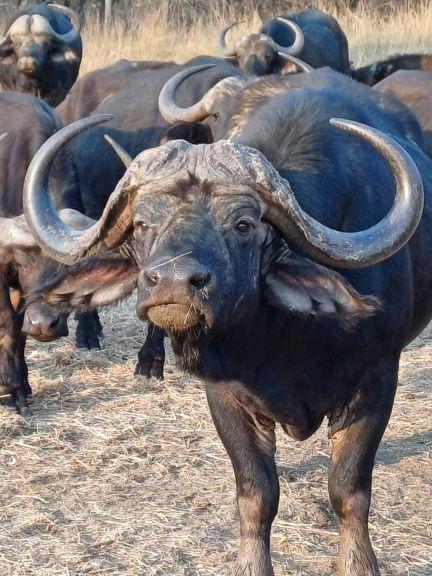
Why hunters pursue Cape buffalo in Africa is difficult to explain to anyone who has never followed fresh buffalo tracks through thick bushveld with visibility measured in only a few yards. For many international and American hunters, the experience becomes far less about pulling the trigger and far more about the pressure, uncertainty, and concentration that slowly build during close-range encounters with one of Africa’s most respected dangerous game animals.
Unlike many other dangerous game hunts in Africa, buffalo hunting rarely feels controlled or predictable for very long. Herd movement changes constantly, wind direction shifts without warning, and calm situations can become tense within seconds once buffalo become aware of nearby danger or human presence.
Many hunters researching traditional Cape buffalo hunts eventually discover that the attraction has little to do with trophies alone. The challenge comes from operating calmly under pressure while tracking an animal widely respected for its awareness, resilience, unpredictability, and willingness to stand its ground inside thick African cover.
[DYNAMIC-BLOGTABLEOFCONTENT]
Why Cape Buffalo Hunting Feels Different
Many hunters who have spent years pursuing species such as kudu, eland, or other traditional plains game hunts in Africa are often surprised by how differently Cape buffalo hunts unfold once tracking begins on foot. While plains game hunting frequently rewards patience, observation, and long-range glassing, buffalo hunting tends to become far more physical, mentally demanding, and unpredictable at close range.
The pressure changes once hunters move into thick bushveld following fresh buffalo tracks through areas where visibility may disappear within only a few yards. Every shift in wind direction, herd movement, or sudden sound inside dense cover demands concentration and discipline, particularly when tracking mature bulls known for circling back or standing silently inside thick vegetation after detecting danger.
Why the Hunting Area Changes the Experience
Hunters pursuing Cape buffalo in open floodplains or thick Southern African bushveld often describe a very different experience from tracking smaller forest buffalo in the dense rainforests of Central Africa. Visibility, terrain, humidity, and even the pace of tracking change dramatically once hunting moves into heavy equatorial forest environments.
In parts of Central Africa, particularly during traditional hunting safaris in Cameroon, hunters may spend days moving slowly through dense rainforest where visibility is limited to only a few yards and buffalo encounters happen at extremely close range. Thick jungle vegetation absorbs sound differently from open bushveld, making movement difficult to track while constantly limiting visibility ahead of the hunting party.
Hunters often describe these forest hunts as mentally exhausting because the pressure never fully disappears. Instead of glassing distant animals across open country, hunters move carefully through dark vegetation where buffalo may remain completely unseen until the final moments of an encounter. While forest buffalo are smaller than Southern Africa’s Cape buffalo, the confined terrain and constant lack of visibility create a very different type of dangerous game experience that many hunters never forget.
Why Many Hunters Return to Africa for Another Buffalo Hunt
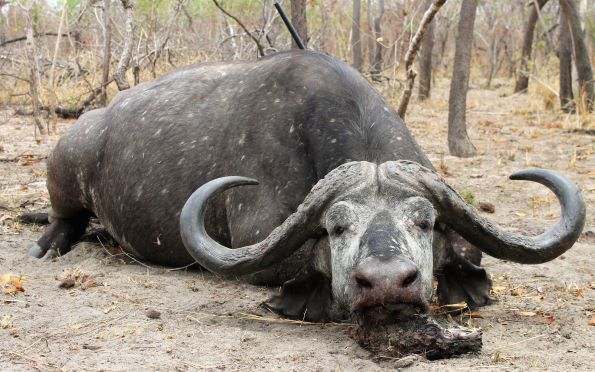
Many hunters describe their first Cape buffalo hunt as physically demanding, mentally exhausting, and far less glamorous than they originally imagined. Days are often spent moving slowly through heat, dust, floodplains, thick bushveld, or dense riverine vegetation where visibility changes constantly and opportunities may disappear within seconds.
In remote buffalo areas across Tanzania, Mozambique, and parts of Zambia, hunters may spend long days tracking through isolated wilderness regions where tsetse flies, humidity, rough terrain, and heavy vegetation steadily wear down concentration and physical stamina. In many of these areas, the presence of tsetse flies has historically limited domestic livestock farming, leaving vast stretches of habitat where buffalo, elephants, lions, and other dangerous game species still move through relatively untouched wilderness systems. Some of Africa’s most remote elephant hunts
still take place in these same wild regions.
For hunters planning future African Hunting Trips around buffalo, these conditions often become part of the attraction. Buffalo hunting rarely feels controlled or comfortable for long. Instead, it forces the hunter to slow down, remain patient and adapt constantly to changing wind, terrain, herd movement and close-range pressure inside truly wild African environments.
Where Buffalo Country Still Feels Wild
Part of what draws many hunters toward Cape buffalo hunting is the atmosphere surrounding dangerous game areas themselves. In remote wilderness concessions across Tanzania, Mozambique, Zambia, and parts of Zimbabwe, buffalo are rarely the only large animals moving through the surrounding bush.
Hunters comparing destinations for traditional Cape Buffalo Hunts quickly discover that remote hunting areas often contain some of Africa’s last truly wild dangerous game ecosystems, where elephant, lion, buffalo, leopard and other species still move through enormous unfenced landscapes.
Fresh elephant tracks crossing buffalo spoor, lions vocalizing after dark near camp, or leopard tracks appearing along dry river systems all contribute to a very different psychological environment from most traditional hunting experiences. The pressure, isolation, unpredictability, and constant awareness inside these wilderness areas are part of what makes dangerous game hunting feel so different from most other forms of hunting around the world.
It's Not Only About the Trophy
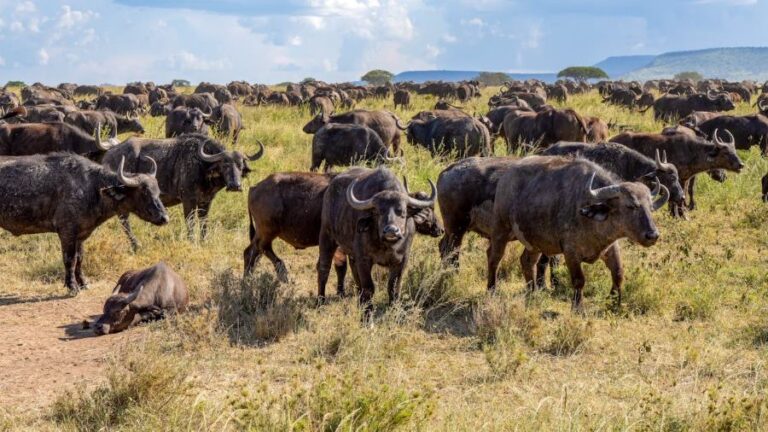
Cape buffalo hunting eventually becomes less about horn measurements and more about everything that happens before the shot is ever taken. Long hours spent tracking through dust, heat, silence, and thick cover often leave a deeper impression than the moment the hunt finally comes together.
Hunters returning from buffalo safaris frequently remember small details long after leaving Africa — the sound of unseen movement inside dense vegetation, trackers studying fresh spoor in soft sand without speaking, or the sudden tension that settles over the hunting party once a mature bull is believed to be standing nearby in thick bush.
Unlike hunts focused primarily on trophy size or scoring measurements, Cape buffalo hunting leaves many hunters talking more about atmosphere, pressure, uncertainty, and the unpredictability of dangerous game encounters than the animal itself. That combination of tension, wilderness, and close-range intensity is one of the reasons buffalo hunting stays with many hunters long after the safari has ended.
The Conservation Debate Around Cape Buffalo Hunting
Cape buffalo hunting remains one of the most debated forms of hunting in Africa, particularly among people unfamiliar with how many dangerous game areas are managed across remote wilderness regions. Opinions surrounding hunting, conservation, and wildlife management often differ sharply depending on geography, culture, and personal perspective.
In many parts of Africa, however, remote buffalo concessions continue protecting large wilderness systems that might otherwise face increasing pressure from agriculture, livestock expansion, settlement, poaching, or habitat loss. Some of the same wild areas supporting buffalo populations also continue sustaining elephant, lion, leopard, and numerous plains game species across enormous unfenced ecosystems.
Hunters drawn toward traditional dangerous game hunts in Africa are often motivated by far more than trophies alone. For many, the attraction lies in experiencing truly wild places where dangerous game still moves freely through physically demanding landscapes that remain remote, unpredictable, and largely unchanged from earlier generations of African hunting.
The debate surrounding buffalo hunting will likely continue as wildlife management, conservation funding, land use pressure, and public attitudes toward hunting continue evolving worldwide. Yet among hunters who have spent time tracking buffalo through remote African wilderness areas, the experience is often remembered less as a simple trophy hunt and more as an intense encounter with one of Africa’s most respected dangerous game animals.
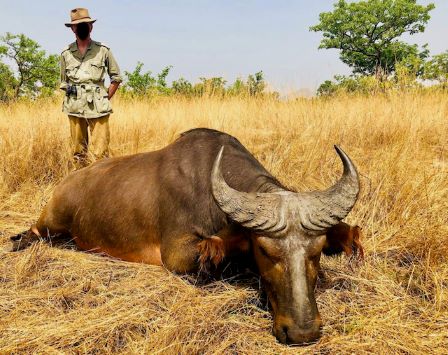
Cape buffalo occupies a distinctive place within Big Game Hunting in Africa because the hunt rarely feels predictable, comfortable or controlled for very long. Following buffalo through thick cover, reading changing herd behaviour and remaining calm inside dangerous game country creates a challenge unlike most other hunts around the world.
For some hunters, the attraction lies in the challenge itself. For others, it is the atmosphere surrounding remote wilderness areas where buffalo, elephant, lion, and other dangerous game species still move through vast unfenced landscapes largely unchanged by modern development. In many cases, hunters remember the tension, silence, and uncertainty surrounding the hunt long after the safari itself has ended. 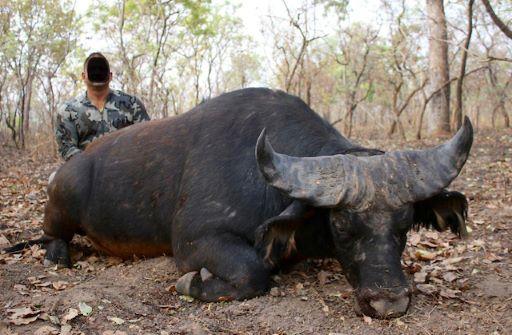
Frequently Asked Questions
Why do hunters consider Cape buffalo one of Africa’s most challenging animals to hunt?
Cape buffalo are widely respected because they are unpredictable, physically powerful, and highly aware of their surroundings. Hunting buffalo often involves tracking animals through thick bushveld at close range where visibility, wind direction, herd movement, and pressure can change rapidly. Many hunters consider buffalo hunting mentally demanding because calm situations can become dangerous within seconds.
Why do many hunters return to Africa for another Cape buffalo hunt?
Many hunters describe Cape buffalo hunting as physically exhausting, psychologically intense, and very different from most traditional hunting experiences. The pressure of tracking dangerous game on foot through remote wilderness areas often leaves a lasting impression long after the safari ends. For many hunters, the atmosphere, tension, and unpredictability become part of the attraction.
Why is Cape buffalo hunting often connected to conservation discussions in Africa?
Cape buffalo hunting is frequently part of broader discussions around wildlife conservation, land management, and rural economics in Africa. In some remote wilderness regions, hunting concessions help maintain economic value for large unfenced habitats that also support elephant, lion, leopard, plains game species, and anti-poaching initiatives.
About the Authors
Written by Pierre and Tamlyn van Wyk, co-founders of Game Hunting Safaris. Having spent years involved in dangerous game hunting across Africa, including Cape buffalo, elephant, lion, and plains game safaris, they focus on sharing practical field experience, realistic hunting insights, and a deeper understanding of Africa’s wild hunting environments.