Designed by Hunters, for Hunters

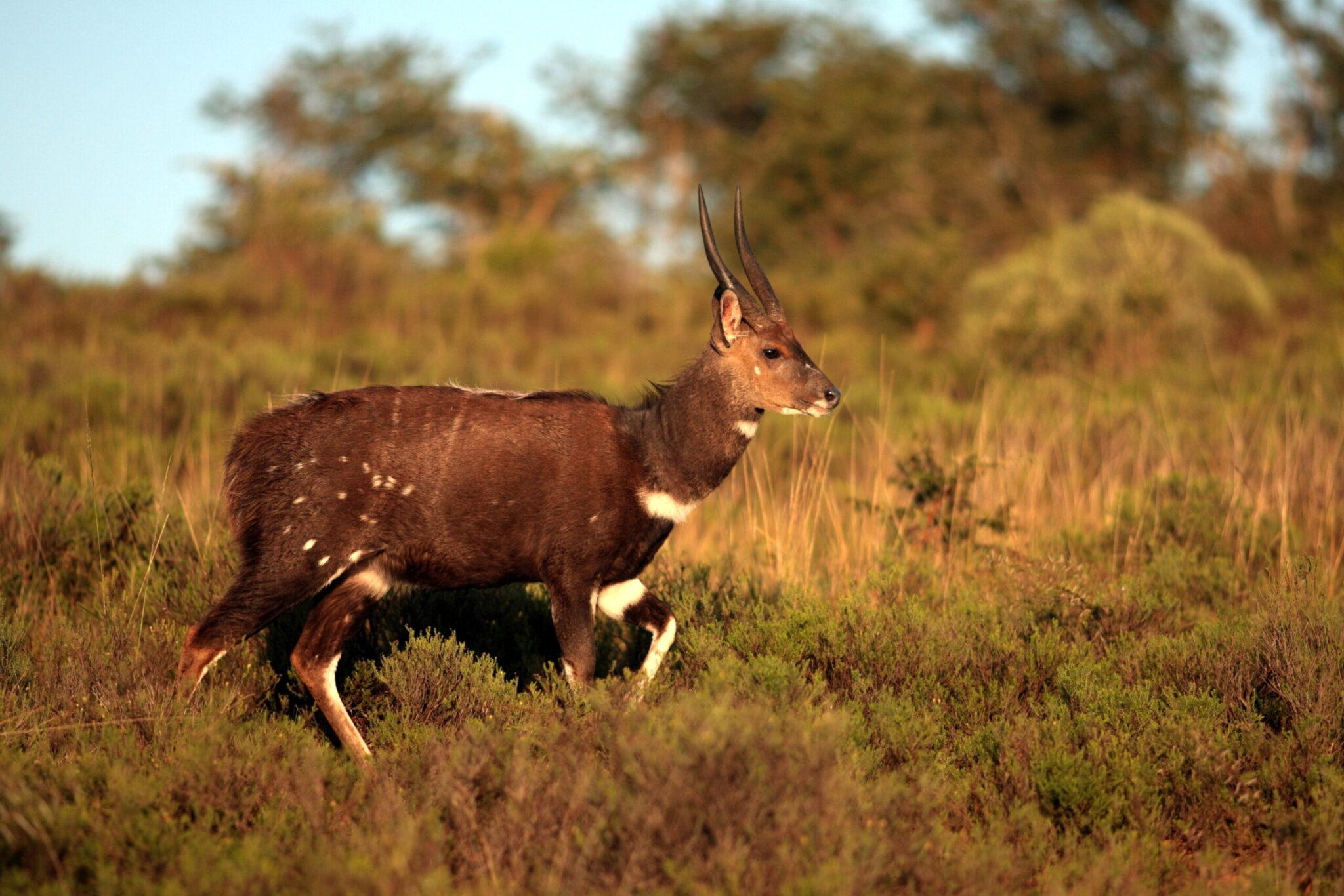
A bushbuck hunt in Uganda offers a more deliberate and traditional plains game experience, set in dense riverine and woodland environments. Unlike open-country antelope hunts, bushbuck hunting requires patience, careful movement, and a strong understanding of terrain.
The Nile bushbuck is a native subspecies found in Uganda, and remains a consistent target for hunters looking to include a challenging plains game animal as part of a well-structured hunting safari in Uganda.
For hunters traveling from the United States, Uganda provides a quieter and less commercialized environment, where bushbuck hunting is conducted in natural habitat with limited pressure. Nile bushbuck are often considered one of the more challenging plains game species due to their habitat and behavior.
Bushbuck are found across much of Africa, but the species hunted in Uganda is the Nile bushbuck, a distinct subspecies adapted to dense riverine and woodland environments.
Compared to bushbuck found in Southern Africa, Nile bushbuck are typically encountered in thicker cover, requiring slower, more deliberate hunting methods and closer shot opportunities. East African bushbuck share some similarities, but Uganda remains one of the most consistent destinations for hunting this particular subspecies in its natural habitat.
For hunters familiar with bushbuck in other regions, Uganda offers a different experience—less open terrain, more emphasis on tracking and patience, and a more traditional style of hunting.
For a broader overview of the species across Africa, see our bushbuck hunting guide.
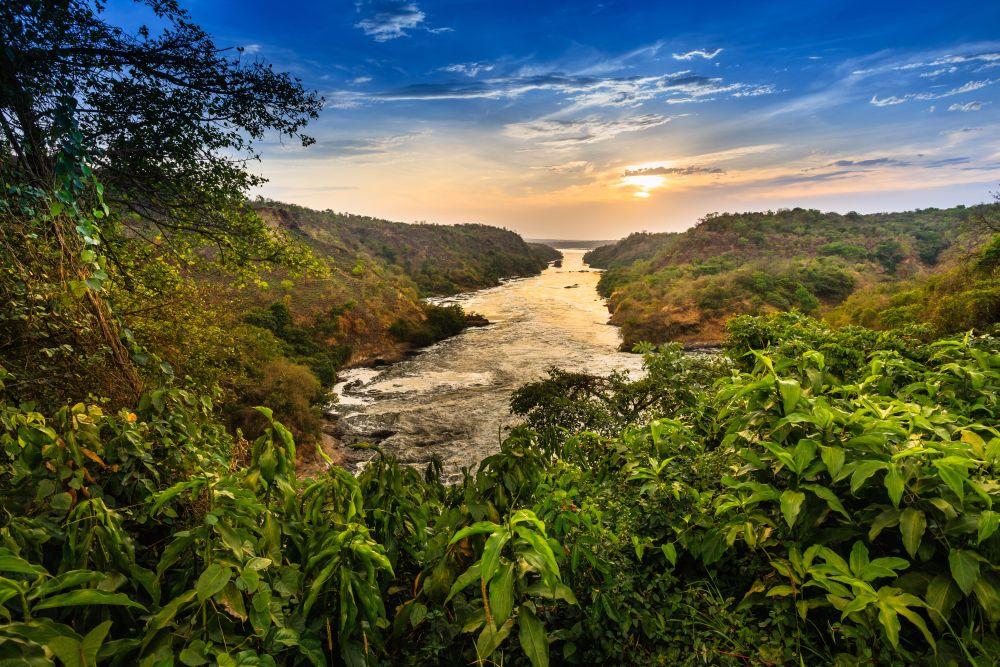
Nile bushbuck are typically found in areas with dense vegetation, particularly along river systems, floodplains, and thick woodland where cover is consistent and water is nearby.
In Uganda, two of the most established areas for bushbuck hunting are the Kabwoya Wildlife Reserve and the Kafu River Basin. These regions offer a mix of riverine bush, open patches, and lightly wooded savannah, creating ideal conditions for bushbuck to move between cover and feeding areas.
Kabwoya is characterized by broken terrain along the Lake Albert escarpment, with thick vegetation along drainage lines and valleys. This creates natural corridors where bushbuck are often encountered, particularly during early morning and late afternoon movement.
The Kafu River Basin provides a different but equally productive environment, with flatter terrain and extensive river systems bordered by dense bush. Here, bushbuck are typically found holding in cover close to water, requiring slow and methodical hunting approaches.
Across both areas, visibility is often limited, and hunting conditions differ significantly from open plains game. Success depends on careful movement, reading sign, and taking advantage of short-range opportunities rather than covering large distances quickly.
Nile bushbuck can be hunted throughout much of the year, but conditions are generally more favorable during the dry seasons, from December to February and from June to September.
During these periods, vegetation is less dense in some areas, improving visibility along river systems and game trails where bushbuck are most often encountered. Access to hunting areas is also more consistent, particularly in regions where seasonal rains can affect movement. Bushbuck, however, remain a species of thick cover regardless of season. Encounters are typically at close range, and success depends more on patience, positioning, and time spent in productive habitat than on seasonal movement alone.
Early morning and late afternoon tend to offer the most consistent opportunities, when animals move between feeding areas and cover along riverine edges.
During a safari, bushbuck are usually included as part of a broader Ugandan safari rather than hunted as a standalone species. Daily rates generally range from $1,200 to $1,800, depending on the area, level of accommodation, and outfitter. Trophy fees for Nile bushbuck are usually set within a structured price list, and are often combined with other plains game or dangerous game species within a single safari package.
Most safaris run between 7 and 10 days, allowing sufficient time to hunt multiple species in the same concession. Bushbuck are often taken opportunistically during these hunts, particularly in areas where they occur alongside kob and buffalo.
Final pricing depends on several factors, including the hunting area, species combination, and logistical requirements specific to Uganda. For most hunters, bushbuck forms part of a balanced safari rather than a primary standalone objective.
Bushbuck hunting is normally conducted using spot-and-stalk methods, but differs significantly from open-country plains game hunts.
Animals are most often encountered in thick cover along river systems, drainage lines, and densely vegetated edges. Hunting requires slow, deliberate movement, careful glassing into shaded areas, and the ability to pick up subtle movement rather than relying on long-range visibility.
Shots are usually taken at closer ranges due to vegetation and limited shooting lanes. Opportunities can be brief, requiring quick but controlled shot placement when an animal presents itself.
Bushbuck are not typically the primary focus of a safari. They are pursued as part of a broader hunting plan, often encountered while moving between areas or when hunting other species such as kob or buffalo. For hunters planning a combined safari, see our buffalo hunting in Uganda guide.
Most hunters traveling to Uganda arrive via Entebbe International Airport, which serves as the main international entry point.
From there, access to hunting areas is arranged either by road transfer or charter flight, depending on distance and terrain. Travel times can vary, particularly when moving into more remote concessions.
Firearm import permits are required and are typically arranged in advance with the outfitter. This process includes documentation for rifles, ammunition limits, and temporary import approvals on arrival. Safari camps are established within or close to hunting areas, providing accommodation and operational support. Professional hunters, trackers, and camp staff manage daily logistics, including transport, tracking, and field preparation.
For hunters traveling from the United States, advance planning is important to ensure smooth handling of firearms, equipment, and travel documentation throughout the journey.
Hunting bushbuck in Uganda is legal and conducted under a regulated quota system managed by the Uganda Wildlife Authority.
Hunting is restricted to designated areas and controlled through a permit system, ensuring that all activity is aligned with conservation objectives and sustainable wildlife management practices. Each hunt is conducted with a licensed professional hunter, and all operators work within strict national guidelines governing species quotas, seasons, and permitted hunting methods.
For international hunters, this framework provides a clear and structured environment, where all aspects of the hunt—from permits to field operations—are managed in compliance with Ugandan law.
Bushbuck fall within the medium antelope category, but their habitat often limits shot opportunities.
The preferred shot remains a broadside heart-lung placement just behind the shoulder. Due to thicker cover, shots are often taken at shorter distances, requiring precise placement.
For additional detail, see our medium antelope shot placement guide.
Bushbuck do not require heavy calibers, but a reliable plains game rifle is recommended.
Common choices include .270 Winchester, .308 Winchester, and .30-06 Springfield. Shot placement and bullet selection remain more important than caliber alone.
Nile bushbuck are valued more for horn shape, symmetry, and maturity than for absolute length alone. Mature rams typically carry well-formed spiraled horns, with trophy quality judged on curl, thickness, and overall balance. While measurements vary, experienced hunters place greater emphasis on a fully developed, symmetrical set of horns rather than raw size.
In the field, identifying a mature bushbuck requires attention to more than horn length. Body condition, neck thickness, behavior, and horn wear are all important indicators of age. Older rams are often more solitary and tend to hold in thicker cover, making them less frequently encountered but more desirable as trophies.
Professional hunters will assist in evaluating animals under field conditions, ensuring that the selected trophy reflects maturity and quality rather than simply opportunity.
Uganda offers one of the most natural environments for bushbuck hunting, with less pressure and more traditional hunting conditions compared to other regions.
The combination of dense habitat, controlled hunting areas, and naturally occurring populations creates a more deliberate and rewarding experience.
Bushbuck hunting in Uganda is not about volume, it is about patience, positioning, and understanding the terrain.
Bushbuck are normally included within a broader Ugandan safari rather than being hunted in isolation. Most hunts are structured to combine multiple species, allowing hunters to make effective use of their time in the field while moving between different habitats and concessions. Bushbuck are often taken opportunistically, particularly in areas where they occur alongside species such as kob and buffalo.
Planning a successful safari involves balancing species priorities, available hunting areas, and seasonal conditions. Bushbuck are usually pursued during periods of movement along river systems or when working through thicker cover between primary hunting locations.
Time in the field is an important factor. Because bushbuck are not always encountered consistently, they are best approached as part of a well-paced safari rather than a primary target on a short-duration hunt.
For most hunters, the focus is on building a balanced and flexible safari plan, where bushbuck is included as a valuable addition rather than the sole objective.
Is bushbuck hunting legal in Uganda?
Yes. Hunting is permitted in designated areas under regulated quota systems.
How much does a bushbuck hunt cost?
Bushbuck are typically included in safari packages ranging from $8,000 to $15,000 depending on duration and species.
What is the best caliber for bushbuck?
Standard plains game calibers such as .270, .308, and .30-06 are sufficient.
When is the best time to hunt bushbuck in Uganda?
The dry seasons offer the most consistent conditions, although bushbuck are encountered year-round.
Search from our range of Hunts across various popular destinations in Africa.

Book Your Hunt