

Leopard Hunting Trip, Big Cats in Bushmanland Botswana
Booking Season: 2026
Hunt Difficulty: Difficult

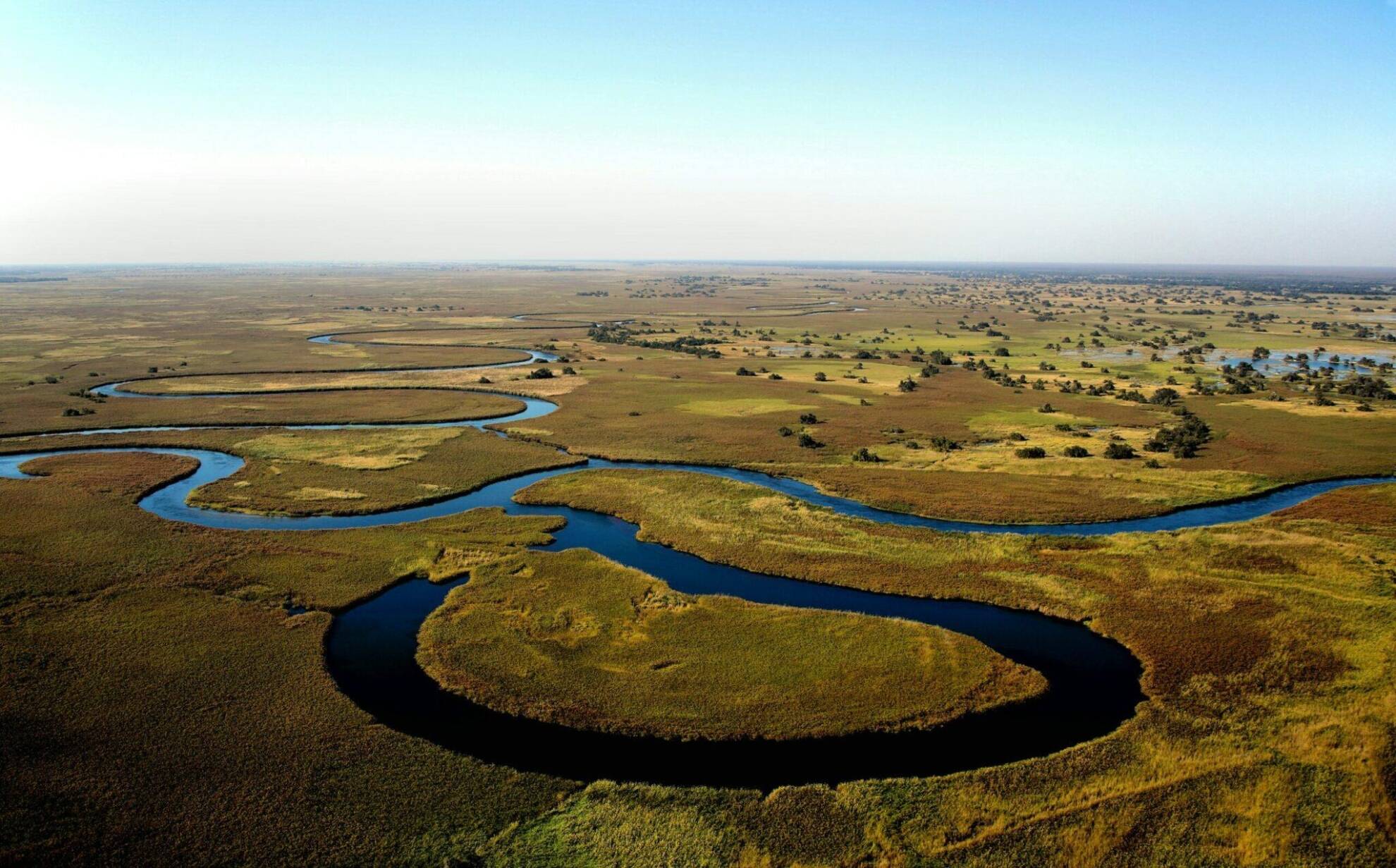
Botswana is not a destination that rewards urgency or rushed decisions. For hunters considering a safari here — particularly those traveling from the United States and Canada — the country is often misunderstood. Perceptions are shaped by older stories and the assumption that legality automatically means opportunity. It doesn't. Not here.
Hunting in Botswana is best approached as a decision, not a dream. The outcome depends less on enthusiasm and more on whether expectations were realistic from the start. This guide explains that reality plainly — without nostalgia, hype, or sales language — so hunters can understand what Botswana actually offers today.
Botswana is generally not well suited for first-time visitors to Africa, hunters on tight schedules, or those expecting highly predictable outcomes. Checklist-driven safaris — where hunters hope to pursue many different species in a short period of time — also tend to fit poorly within Botswana's framework. The country's hunting model prioritises controlled access and low pressure rather than volume.
More About Hunting in Botswana 


Hunting in Botswana is legal again, but it operates within a deliberately narrow and controlled framework. Opportunities are limited, permit-driven, concession-specific, and sensitive to timing and policy. This is not a return to broad-scale hunting. Botswana chose control over volume, and that decision still shapes every hunt today.
Legality does not equal availability — and Botswana rarely makes exceptions. What hunting in Botswana looks like today means one specific concession, narrow species availability, long planning timelines, and very little flexibility once a hunt begins. There are rarely backup options.
Botswana rarely offers high species counts or flexible, multi-species itineraries. Instead, it offers low-pressure environments, focused hunting and wildlife experiences, and a system that values restraint. Species availability is best discussed in relation to specific concessions and permits, not general wish lists. For the right hunter, that is exactly the appeal.
When hunters discuss Botswana, elephant hunting is often part of the conversation. Botswana holds one of the largest elephant populations in Africa, particularly across the northern parts of the country where river systems, mopane woodland, and open sandveld support large numbers of animals. Despite these populations, hunting opportunities remain tightly controlled. Quotas are limited, permits are concession-specific, and only a small number of hunters gain access each season.
Elephant hunting in Botswana is rarely a quick encounter. In most concessions the hunt begins with trackers locating fresh spoor, often in Kalahari sand or along dry river systems where tracks can be followed for long distances. From there, the process becomes a patient exercise in reading sign, managing wind direction, and slowly closing the distance on mature bulls. Hunters may follow a track for many miles before ever seeing the animal responsible for it. For experienced dangerous-game hunters, this style of hunting is part of the appeal. For those expecting quick opportunities, the pace can feel demanding.
Closing the final distance on an elephant is one of the most intense moments in dangerous-game hunting. Unlike plains game, elephants are usually approached at relatively close range. Wind direction becomes critical, and the final stalk often involves slow, deliberate movement through thick cover while the professional hunter studies the bull and confirms it is the right animal to pursue. This is where the experience of the professional hunter becomes essential — reading the bull, positioning the hunter correctly, and managing the situation if the animal reacts unexpectedly.
Cape buffalo hunts in Botswana receive far less attention than elephant hunts, yet they remain one of the most respected dangerous-game pursuits available in the country. Buffalo populations occur primarily in the northern parts of Botswana, in regions influenced by the Okavango Delta, river systems, and seasonal floodplains.
Buffalo hunting in Botswana is typically a tracking hunt rather than a stationary encounter. Professional hunters and trackers begin by locating fresh spoor, often along riverbanks or floodplain margins. Once a track is confirmed, hunters may follow it for hours through mopane woodland, thick bush, and open floodplain areas while carefully managing wind direction. Botswana's buffalo hunts tend to take place in large concessions where wildlife pressure is relatively low. This creates an experience that feels deliberate and traditional, where tracking skill, patience, and careful judgement matter more than speed.
In certain areas of Botswana, a different method may be used — hunting leopard with trained hounds. This approach is familiar to many American hunters who have pursued Mountain Lion using hounds in North America. Once a fresh track is located, trained dogs follow the scent trail while hunters and professional hunters move quickly to stay within range of the pack. This style of hunting is physically demanding and requires well-trained dogs, experienced handlers, and close coordination between everyone involved. Hound hunting is not available everywhere in Africa, and opportunities remain limited even within Botswana.
While Botswana is best known internationally for dangerous-game hunting, certain regions of the country also offer rewarding plains game opportunities. Plains game hunts here follow the same pattern seen across the rest of Botswana's hunting system: limited pressure, large concessions, and an emphasis on patience rather than high animal numbers. Species that may be encountered in suitable areas include gemsbok, eland, hartebeest, wildebeest, and kudu.
In parts of the southern Kalahari near the border with South Africa, kudu populations have developed impressive genetics. Mature bulls with long sweeping horns are occasionally encountered in areas where hunting pressure has historically been low and habitat conditions favour older animals reaching maturity. Tracking kudu in these regions often involves long walks through thornveld and open sandveld while glassing for movement along ridges, dry riverbeds, and scattered bush lines.
Northern Botswana contains some of the most famous wildlife areas in Africa. River systems, seasonal floodplains, and extensive mopane woodland create habitat capable of supporting large numbers of animals, particularly elephants. Much of Botswana's elephant hunting takes place in concessions surrounding the Okavango Delta and extending toward the Chobe region. Buffalo may also occur in suitable habitat near permanent water sources.
Parts of central Botswana transition into vast sandveld environments with scattered woodland and open terrain. These areas are characterised by large concessions where wildlife moves freely across significant distances. Tracking conditions can be excellent in sandy soils. For hunters who appreciate quiet, low-pressure hunting across large wilderness areas, central Botswana offers a style of safari that feels deliberate and unhurried.
Southern Botswana gradually transitions into classic Kalahari country, where red sand soils, thornveld vegetation, and open landscapes dominate the terrain. This environment supports a variety of plains game species and offers excellent tracking conditions due to the sandy soil that preserves spoor clearly. The southern Kalahari areas near the South African border are particularly well known among experienced hunters for their kudu populations.
Botswana tends to suit a very specific type of hunter. In most cases, the hunters who appreciate Botswana the most are those who have already hunted elsewhere in Africa and understand how different hunting systems operate. They arrive with realistic expectations about permits, quotas, and the slower pace that often comes with tightly managed concessions. Botswana particularly appeals to hunters who value access to large wilderness areas and lightly pressured wildlife rather than high animal numbers or flexible species lists.
In parts of Botswana, particularly in Kalahari regions, the role of experienced trackers is difficult to overstate. Many of the best trackers come from San communities whose tracking knowledge has developed over generations of living closely with wildlife in arid environments. These trackers can often interpret spoor that visiting hunters would never notice — a faint track crossing hard ground, a subtle disturbance in the sand, or a broken twig indicating an animal's movement hours earlier. For many visiting hunters, watching these trackers work becomes one of the most impressive parts of the entire experience.
Botswana is widely regarded as one of Africa's most politically stable countries, with a long-standing focus on tourism and structured conservation in place. Decisions are slow and deliberate, policy changes are incremental, and hunting is treated as a tool, not a reaction. The upside is predictability. The downside is scarcity. Botswana does not expand access simply because demand exists — it plans carefully, and it expects visitors to do the same.
Much of Botswana's hunting operates within community-based concession systems. In practice, this means communities have a direct stake in land use, decisions reflect local conditions, and opportunity cannot be forced. This model prioritises long-term land value over short-term harvest numbers. It also explains why patience matters more here than in fully commercial systems.
Botswana operates under a tightly controlled quota system. Hunting opportunities are intentionally limited, and permits are issued in relatively small numbers within specific concessions. The country only recently reintroduced regulated hunting after a period during which big-game hunting was suspended nationwide — and when hunting resumed, the system was designed to remain cautious and highly controlled. Many concessions are also located in remote wilderness areas far from towns and major infrastructure, which requires significant logistics. These factors combine to create a system where access is limited and operating costs are high.
Botswana does not compete on volume, convenience, or guarantees. It rewards patience, preparation, and restraint on a continent where nature sets the rules. For the right hunter, that is exactly the appeal. For everyone else, it can be frustrating — and that is by design. Understanding that difference is what separates a good experience from a difficult one.
Written by the Game Hunting Safaris team, including founder Pierre van Wyk, with firsthand experience evaluating concessions, managing expectations, and navigating the realities of regulated hunting systems in Botswana.
Yes, hunting is legal in Botswana but must be undertaken within a regulated and limited framework. Hunting is defined by vast landscapes, seasonal water movement, and widely dispersed game. Opportunities are limited, permit-driven, and concession-specific. Success requires strategy, persistence, and careful observation over frequent encounters.
Generally no. Other destinations such as Namibia, Zimbabwe, or South Africa offer more flexibility and predictability that first-time hunters often benefit from. Botswana demands a specific mindset — patience, realistic expectations, and comfort with limited flexibility once a safari is underway.
Botswana is best suited for experienced Africa hunters who value access to large wilderness areas, lightly pressured wildlife, and safaris that unfold at their own pace. It appeals to those who prioritise challenge, patience, and the process of tracking animals across large landscapes rather than frequent shooting opportunities.
Many hunting areas are remote, requiring light aircraft transfers or long 4×4 drives. Firearm import permits can take time to process — applying well in advance is strongly recommended. Once permits are issued and concessions allocated, there is very little room to adjust the safari after arrival. Many hunters route through South Africa where firearm transit to Botswana is well established.
Well in advance — Botswana does not accommodate last-minute planning well. Especially for peak game movement seasons or specific species, early booking maximises concession selection, preferred guides, and seasonal opportunity. Planning correctly matters here because the window you are given is often the only one you will have.

9 February 2025
9 January 2025

9 January 2025

Search from our range of Hunts across various popular destinations in Africa.
Find A Hunt


