Lake Kariba Hippo & Crocodile Hunting Safari in Zimbabwe
Booking Season: 2026
Hunt Difficulty: Difficult

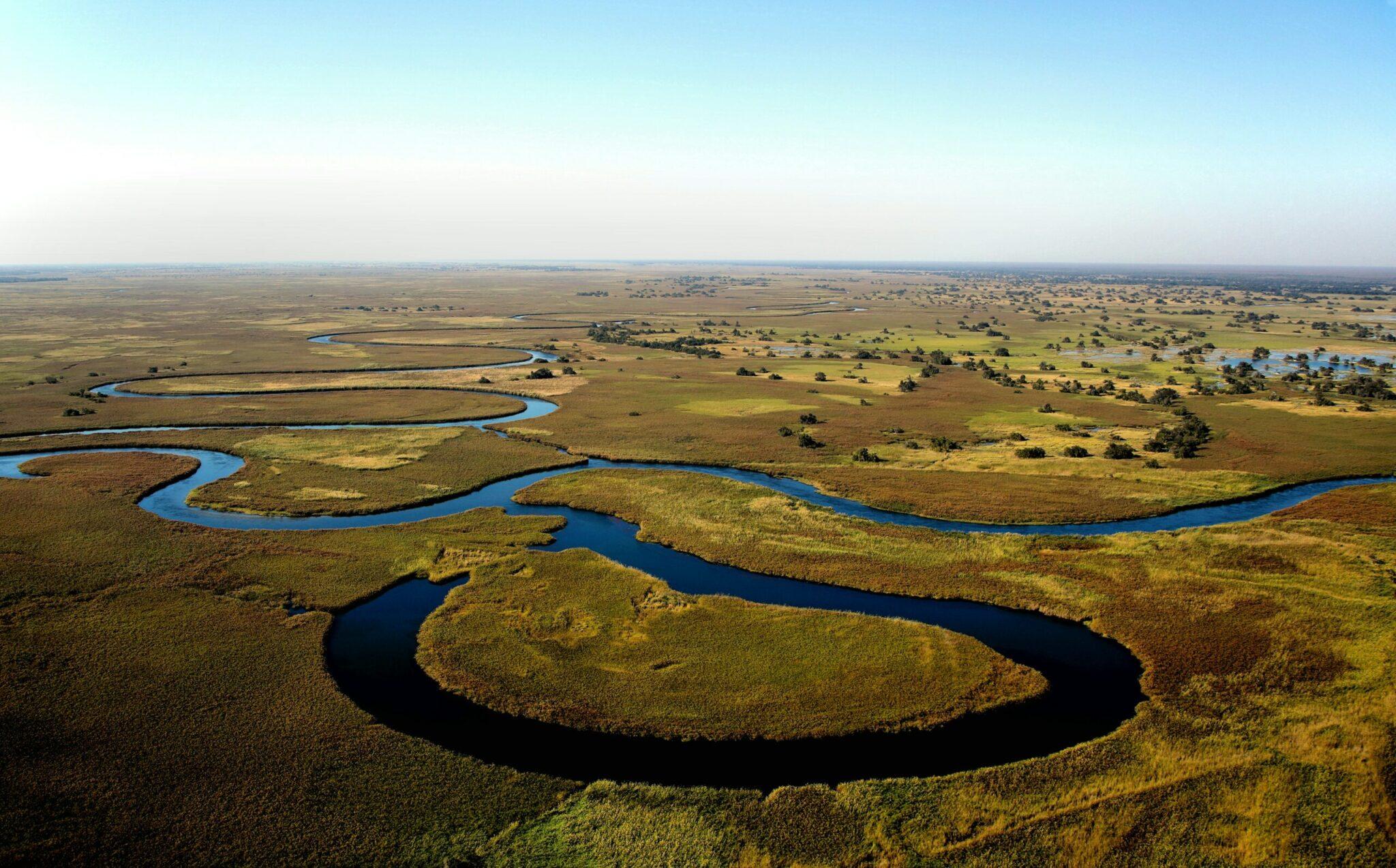
Crocodile hunting in Botswana is a limited and highly regulated dangerous game opportunity, with hunts available only where the necessary quota, licences and hunting rights are in place. The country's northern river and wetland systems support Nile crocodiles, but the presence of crocodiles does not automatically mean that an area is open to hunting.
A Botswana crocodile hunt is usually built around finding a mature animal that can be approached and taken without allowing it to reach deep water after the shot. Large crocodiles spend considerable time close to water, and a poorly positioned animal may disappear almost immediately if the first shot does not anchor it.
Crocodile Hunts therefore involve considerably more than simply finding crocodiles. The Professional Hunter must judge the animal's size, watch where it is lying, consider the distance to deep water and determine whether the shooting position allows an accurate first shot and a realistic chance of recovery.
Baiting and observation from a blind may be used where appropriate, while other hunts can involve searching riverbanks and suitable basking areas before planning an approach. Water levels, vegetation and hunting pressure can all influence where crocodiles are found and how the hunt develops.
Botswana's Nile crocodiles fall under international CITES controls, and any hunt must comply with the applicable Botswana permits, quota and trophy-export requirements. Our Hunting in Botswana guide covers the country's broader safari opportunities, while crocodile availability should be confirmed for the particular hunting area before the safari is booked.
Available African Crocodile Hunts
Lake Kariba Hippo & Crocodile Hunting Safari in Zimbabwe
Booking Season: 2026
Hunt Difficulty: Difficult

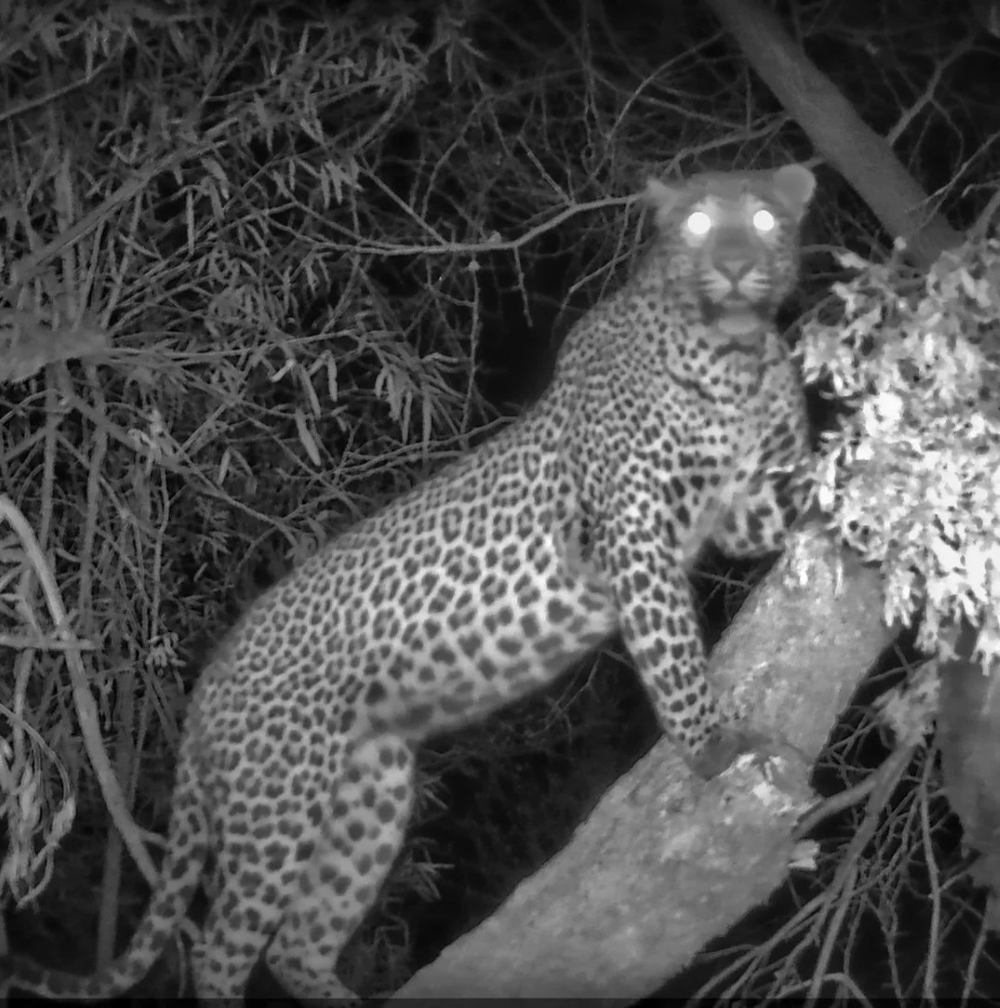
Hunting in Zambia: Leopard, Plains Game Plus Croc OR Hippo
Booking Season: 2027
Hunt Difficulty: Difficult
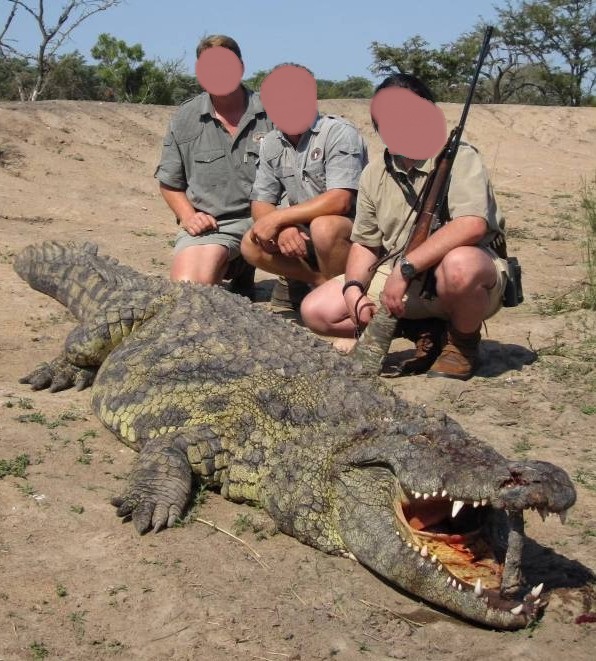
Non-Exportable Crocodile Hunt in Namibia’s Caprivi Strip
Booking Season: 2026
Hunt Difficulty: Moderate, Difficult

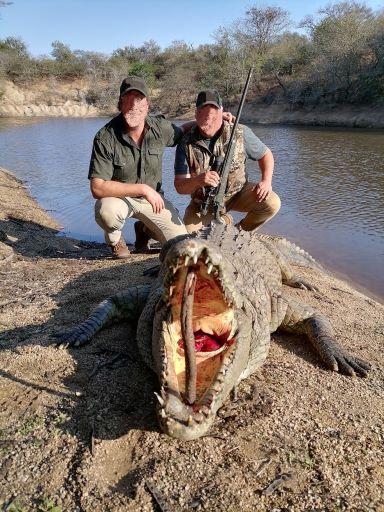
Free Range Crocodile Hunting Safari in Limpopo, SA
Booking Season: 2026
Hunt Difficulty: Moderate
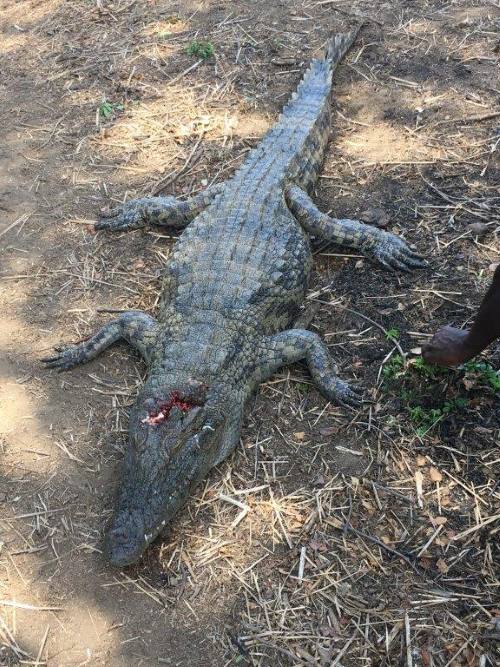
Hippo & Nile Crocodile Hunting Safari in Zimbabwe
Booking Season: 2026
Hunt Difficulty: Difficult
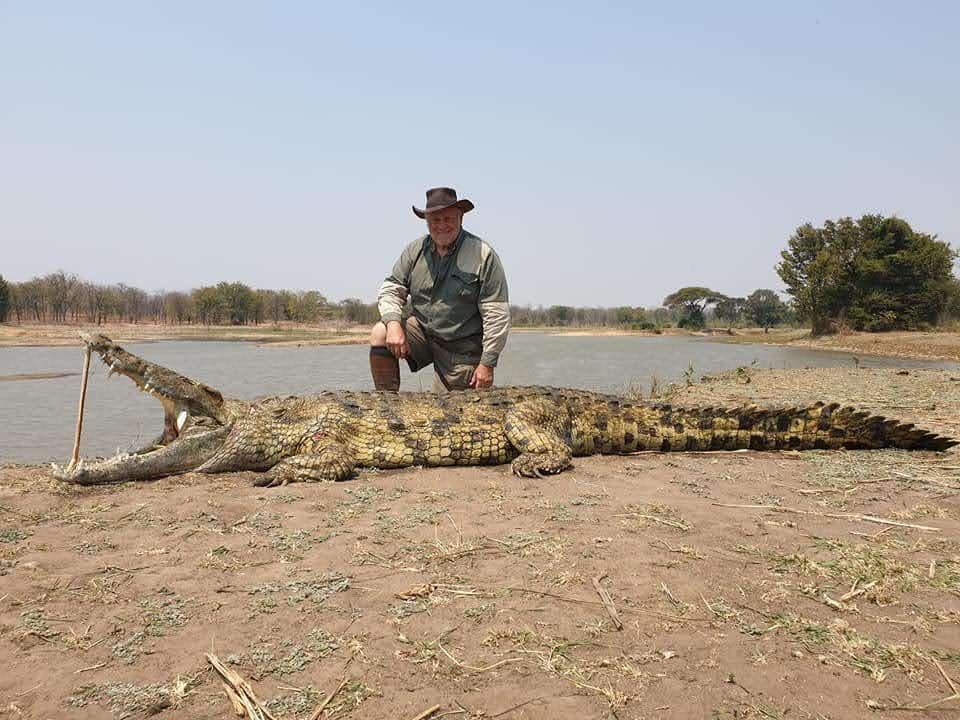
Lake Cahora Bassa Nile Crocodile Hunting Safari
Booking Season: 2026
Hunt Difficulty: Difficult
7-Day Dangerous Game & Plains Game Safari in Zambia
Booking Season: 2026
Hunt Difficulty: Difficult
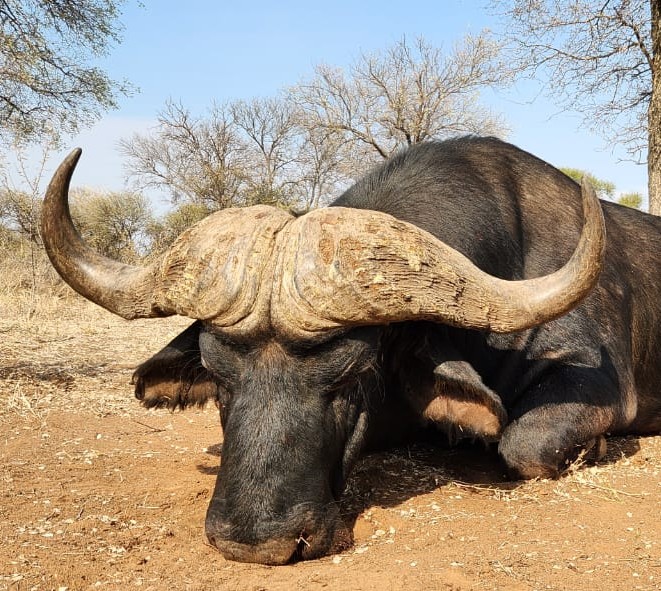
Cape Buffalo, Crocodile & Sable Safari in Limpopo
Booking Season: 2026
Hunt Difficulty: Difficult
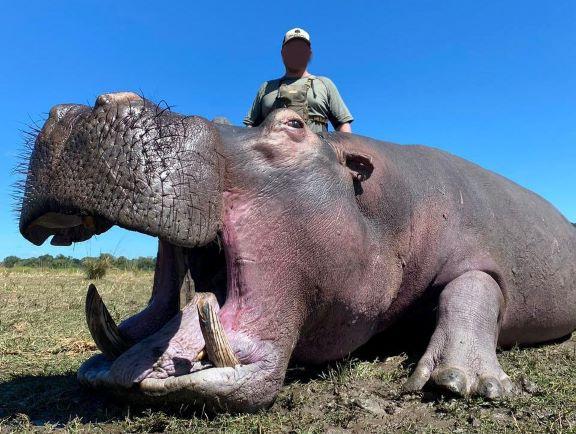
South Africa Dangerous Game & Nocturnal Hunting Safari
Booking Season: 2026
Hunt Difficulty: Moderate, Difficult
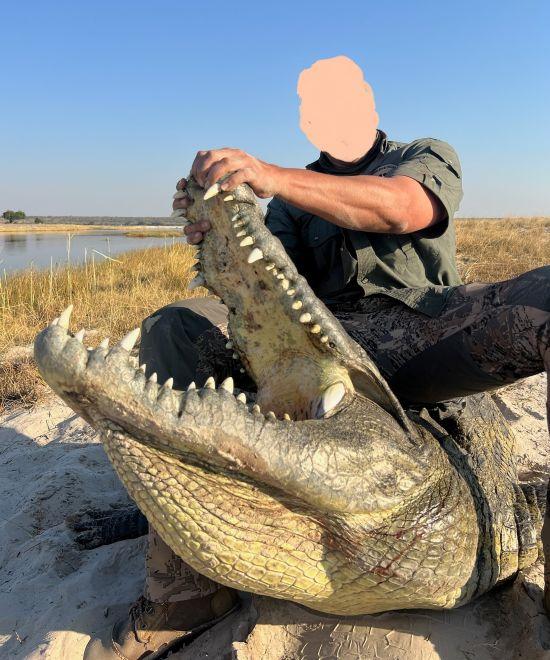
7-Day Nile Crocodile Hunting Safari in Namibia's Zambezi Region
Booking Season: 2026
Hunt Difficulty: Difficult
Crocodile hunting in Botswana may involve baiting a suitable riverbank and watching from a blind, or searching waterways and exposed banks for a mature animal before planning an approach. Much of the hunt can be spent locating and judging crocodiles before the hunter ever gets into position for a shot.
Getting within range is a challenge. Nile crocodiles have excellent senses and will disappear into the water quickly when disturbed. The PH must consider the approach, shooting position and the crocodile's distance from deep water before deciding whether an opportunity is worth taking.
Shot placement becomes particularly important because a wounded crocodile that reaches deep water can be extremely difficult to recover. The first shot needs to be precise, and the hunter should be prepared to follow the PH's instructions immediately if another shot is required.
Our Crocodile Shot Placement guide covers the different shooting angles and anatomical reference points in more detail.
Crocodile hunting places more emphasis on accuracy and bullet placement than simply using the largest rifle available. The 7mm and .300 Winchester Magnum are popular choices, while the .375 is another proven option and may already be familiar to hunters pursuing other species during a Big Game Hunting in Africa safari.
A crocodile's skull presents a small target, particularly when the animal is lying at distance on a riverbank. A flat-shooting rifle that the hunter knows well can therefore be more useful than stepping up to a heavier caliber that is more difficult to shoot accurately.
Bullet selection should provide reliable penetration for the shot being taken. Premium controlled-expansion bullets are commonly used for body shots, while solids may be selected where maximum penetration is required. The final combination should be discussed with the Professional Hunter before the safari, particularly if the same rifle will be used for other game.
Judging the size of a Nile crocodile in the field is not as straightforward as it might appear. Much of the animal may be hidden by water, vegetation or the angle of the bank, and estimating overall length can be difficult even when the entire crocodile is visible.
The PH will look at more than length alone. A mature bull crocodile develops a heavy head, thick neck and substantial body, while older animals often appear considerably more robust than younger crocodiles of similar apparent length. Time spent watching an animal through binoculars can therefore be important before deciding whether to make an approach.
Tracks and slide marks along regularly used banks can also provide clues that a large crocodile is using a particular stretch of water. Once a promising animal has been located, the hunt may become a matter of learning where it prefers to bask and waiting for it to appear in a position where it can be properly judged and safely taken.
A big crocodile in the wrong position may still be passed. If the animal is too close to deep water, surrounded by vegetation or offers a poor shooting angle, the PH may choose to wait for another opportunity rather than risk losing the trophy after the shot.
Yes. Crocodile hunting is permitted in Botswana where the necessary quota, licences and hunting rights are available. Availability depends on the particular hunting area and current quota, so a crocodile hunt should be confirmed with the outfitter before the safari is booked.
Nile crocodiles occur in Botswana's northern river and wetland systems, but not every area holding crocodiles is open to hunting. Hunts can only take place where crocodile is available under the applicable quota and hunting regulations.
The 7mm and .300 Winchester Magnum are commonly suitable choices for crocodile, while the .375 is another proven option. Accuracy is particularly important because a crocodile may present a relatively small target and can reach deep water quickly after a poorly placed shot.
Length is important, but the PH will also consider the size and proportions of the head, neck and body when assessing a mature crocodile. Because distance, water and vegetation can make crocodiles difficult to judge accurately, an animal may be watched for some time before an approach is made.
Yes, when crocodile quota and the necessary licences are available in the hunting area. Crocodile can form part of a broader Big Game Hunting in Botswana safari alongside other species available under quota. Hunters specifically wanting a crocodile should confirm availability before building the rest of the safari around it.
Search from our range of Hunts across various popular destinations in Africa.

Book Your Hunt