
Africa Hunting Trip for Dwarf Buffalo & Sitatunga Cameroon
Booking Season: 2026
Hunt Difficulty: Difficult

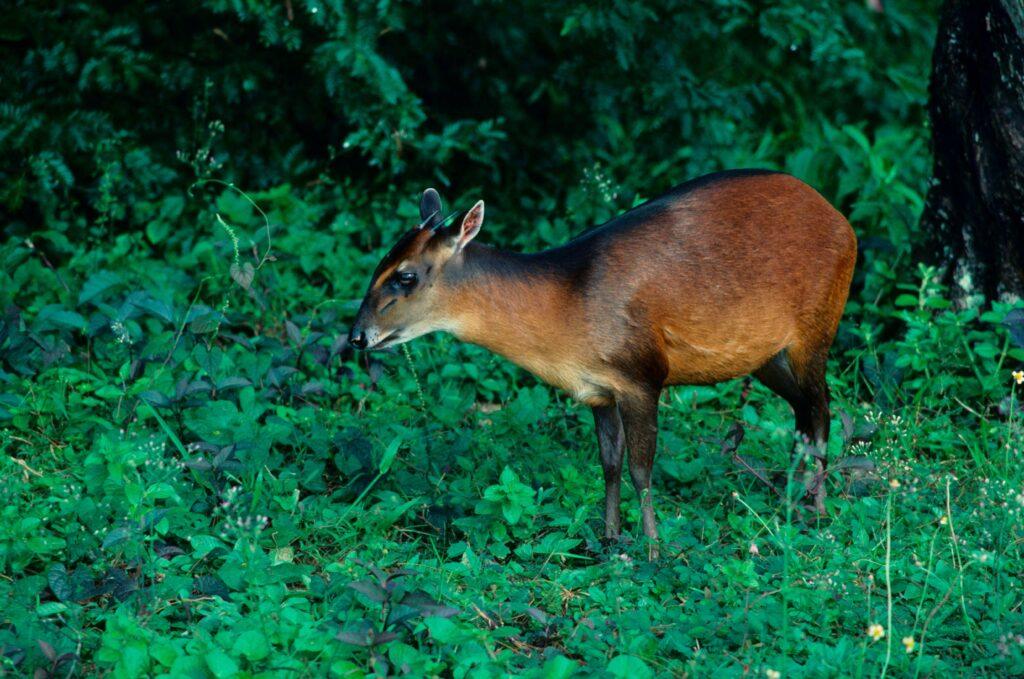
Bay duiker hunting in Cameroon is not a standalone safari, it is typically part of a larger rainforest hunt focused on species such as bongo or forest buffalo. Most hunters do not travel to Cameroon specifically for bay duiker, but rather encounter them opportunistically while pursuing primary forest species.
For American hunters used to structured plains game safaris, this is an important distinction. Cameroon operates very differently. Hunts are built around one primary species, with additional opportunities depending on time in the field and local conditions.
For a full breakdown of how these safaris are structured, see our guide to hunting in Cameroon.
Available Bay Duiker Hunts
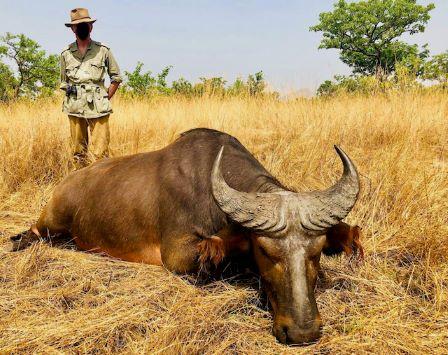
Africa Hunting Trip for Dwarf Buffalo & Sitatunga Cameroon
Booking Season: 2026
Hunt Difficulty: Difficult
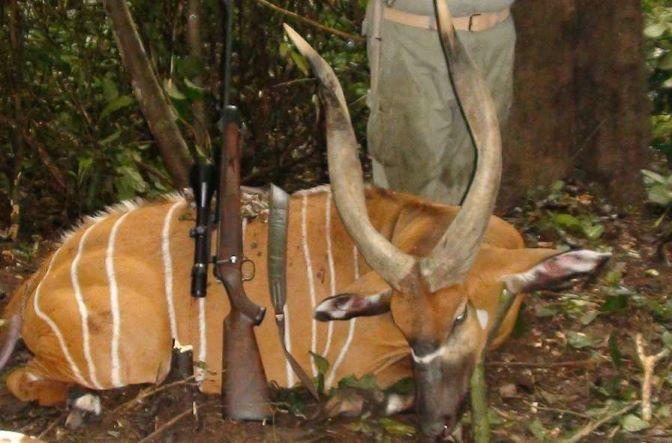
Bongo and Forest Elephant Hunting Safari (13 Days) – Cameroon
Booking Season: 2026
Hunt Difficulty: Difficult
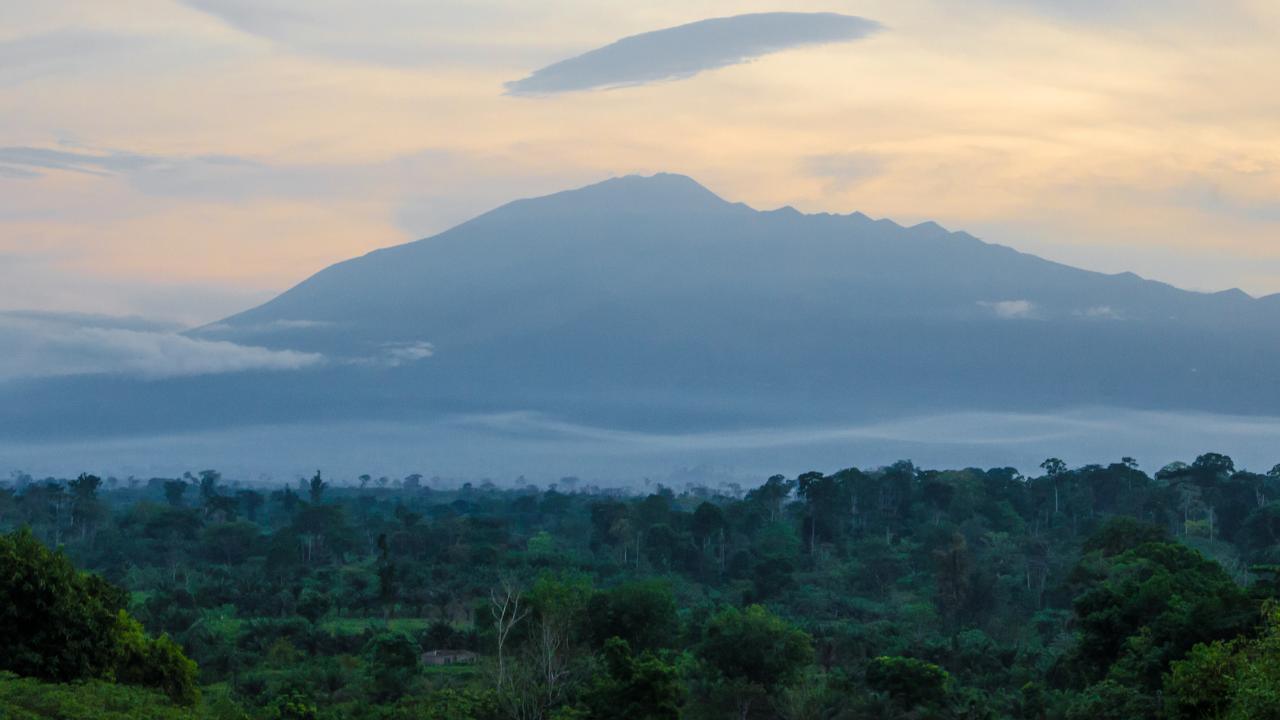
Bay duiker are found in Cameroon’s dense rainforest regions, particularly in the southern and central parts of the country where thick vegetation, low visibility, and high humidity define the hunting environment. Most bay duiker hunting takes place in southern Cameroon’s rainforest concessions, where conditions are very different from the northern savanna regions of the country.
These are not savanna animals. They inhabit:
Dense jungle and forest edge zones
Areas with heavy ground cover and limited shooting lanes
Remote concessions where tracking conditions are difficult
Unlike northern Cameroon, where hunts take place in more open terrain, rainforest hunting is slower, more physical, and heavily dependent on conditions. Cameroon is one of the few countries where these types of forest antelope hunts are still conducted in large, low-pressure concessions.
Bay duiker are not typically tracked in the same way as larger game.
Most opportunities occur:
While moving slowly through forest paths or game trails
Near natural crossings, feeding areas, or salt licks
During early morning or late afternoon movement periods
In many rainforest concessions, hunters move slowly along established footpaths or old logging tracks, often covering several miles a day while scanning ahead for movement in extremely limited visibility. Encounters are usually brief. Hunters may only see the animal for a few seconds before it disappears into cover. This requires fast decision-making, close-range shooting, and clear communication with the professional hunter.
This is not a high-visibility hunt. Success often comes down to being ready when a short opportunity presents itself.
No. Bay duiker are considered a secondary or opportunistic species.
They are:
Not typically the primary focus of a safari
Taken when opportunities arise during a larger hunt
Dependent on quota availability and specific concession areas
Most hunters who take bay duiker are already on dedicated bongo hunts, where extended time in the forest increases the likelihood of encountering smaller antelope. This is one of the key differences in Cameroon. It is not a destination where hunters arrive with a long species list. Hunts are structured around one main animal, with everything else depending on conditions and opportunity.
Bay duiker are small, elusive, and adapted to dense rainforest conditions. Hunters should expect limited visibility throughout the hunt, unpredictable encounters, few clear shot opportunities, and a realistic chance of not encountering one at all.
Even in areas where bay duiker are present, sightings are not guaranteed. Success depends heavily on time in the field, local conditions, and how the hunt unfolds day to day.
Compared to plains game hunting in countries like South Africa or Namibia, bay duiker hunting in Cameroon is significantly less predictable and far more dependent on time in the field rather than opportunity volume.
This type of hunting is best suited to:
Hunters already committed to a rainforest safari
Those pursuing bongo or other forest species
Experienced Africa hunters comfortable with difficult conditions
Hunters who value the process as much as the outcome
This is not the right fit for first-time Africa hunters, those looking for high-volume or multi-species safaris, hunters expecting predictable opportunities, and anyone trying to build a long species list.
Bay duiker are not the reason most hunters come to Cameroon, but they are part of what makes a rainforest safari different. Encounters are brief, conditions are demanding, and opportunities are never guaranteed. For hunters spending extended time in the forest, taking a bay duiker is often the result of being in the right place at the right time.
Understanding how this species fits into the broader structure of a Cameroon safari helps set realistic expectations before the hunt even begins.
Can you hunt bay duiker in Cameroon?
Yes. Bay duiker can be hunted in Cameroon within regulated rainforest concessions, typically as part of a larger safari focused on species such as bongo.
Is bay duiker hunting in Cameroon a standalone hunt?
No. Bay duiker are not usually the primary target of a safari and are most often taken opportunistically during forest hunts.
How difficult is bay duiker hunting?
It is challenging due to dense vegetation, low visibility, and very short shot opportunities.
Search from our range of Hunts across various popular destinations in Africa.
Book Your Hunt