Designed by Hunters, for Hunters

Crocodile hunting in Uganda is legal—but access is limited, highly regulated, and far more technical than most hunters expect.
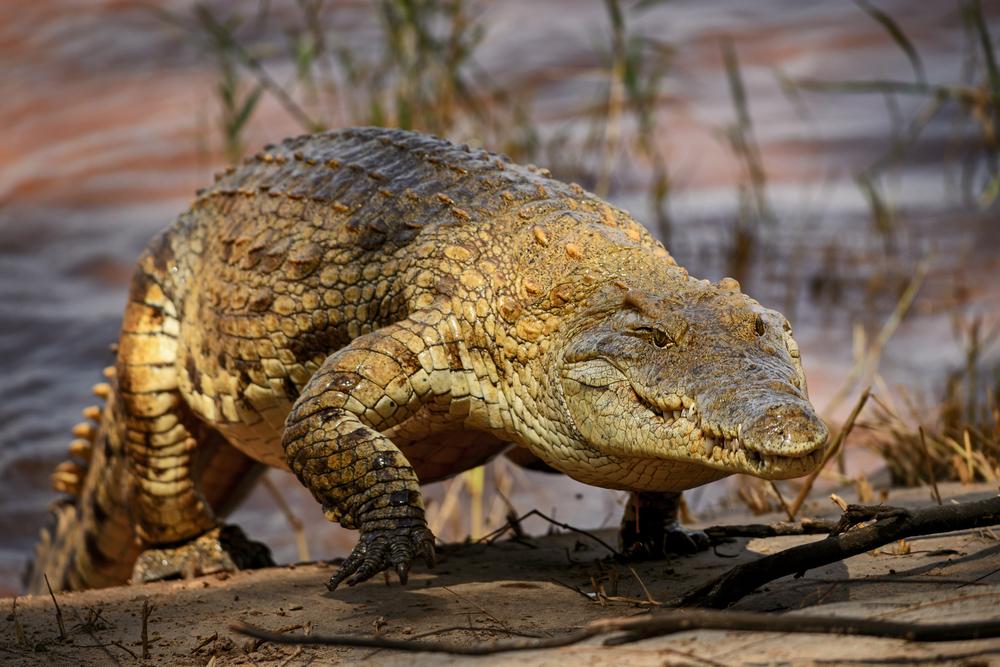
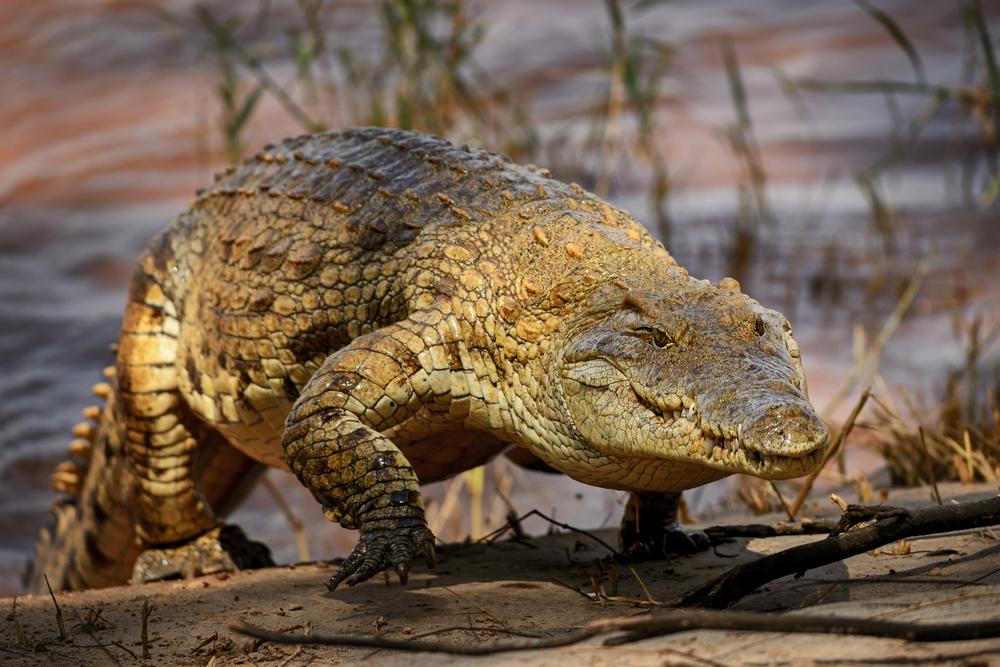
Unlike many traditional African safaris, crocodile hunts are built around patience, observation, and precision rather than covering large distances on foot. Nile crocodiles are typically hunted along river systems and lake edges using carefully placed bait sites and long periods of observation before a shot opportunity presents itself. Success depends heavily on understanding crocodile behavior, water movement, positioning, and precise shot placement under controlled conditions.
Permits are issued in small numbers through licensed outfitters, and availability changes each year based on quota and conservation management. For hunters who secure access, hunting in Uganda offers a less commercial and more unpredictable crocodile safari experience compared to destinations such as Zimbabwe or Tanzania.
Legal status: Legal under permit
Species: Nile crocodile
Hunt type: Dangerous game
Typical safari: 7–10 days
Best areas: Nile River systems, Lake Albert
Cost range: $12,000 – $25,000+
Yes—but only under strict permit control.
Crocodile hunting is regulated through the Uganda Wildlife Authority and operates within a tightly managed allocation system. Each year, a limited number of permits are issued based on population monitoring and conservation priorities, and those permits are tied to specific hunting areas and licensed outfitters.
This is not an open-access destination where hunters can simply arrive and arrange a hunt on the ground. Access is entirely dependent on working with an outfitter that holds valid quota in an approved concession or community-managed area. Without that allocation in place, there is no legal pathway to hunt crocodile in Uganda. What this means in practice is that availability is controlled from the top down. Permits cannot be transferred freely, they are not sold independently to hunters, and they are only valid within designated areas where hunting is authorized. Every hunt is conducted under supervision, with reporting requirements and oversight built into the system to ensure compliance and sustainability.
For hunters, the takeaway is straightforward: crocodile hunting in Uganda is possible, but access is limited, structured, and entirely dependent on securing the right permit through the right operator.
A crocodile hunt is generally more affordable than pursuing species like hippo or buffalo, but it still falls firmly within dangerous game pricing. The overall cost depends on permit access, location, and the quality of the hunting area, rather than just the number of days in the field. Most hunts are structured around a daily rate and a trophy fee. Daily rates typically range from $1,200 to $1,800, depending on the outfitter and concession. The trophy fee for a Nile crocodile usually falls between $3,000 and $6,000 or more, with larger, high-quality animals commanding higher prices.
When combined into a standard safari, most hunters can expect a total cost in the range of $12,000 to $25,000 or more. While shorter hunts are sometimes offered, crocodile hunting is not immediate. Time is needed to establish bait sites, observe patterns, and wait for the right shot opportunity, which is why most safaris run between seven and ten days. Pricing is not fixed, and two hunts can differ significantly depending on underlying factors. Permit availability is one of the biggest drivers, as limited allocations increase value. Trophy size also plays a role, with larger crocodiles requiring more time and more selective hunting. The specific area and water system matter as well, since some regions consistently produce better animals than others.
Outfitter access and experience are equally important. Operators with reliable quota and established baiting areas tend to charge more, but they also offer a higher probability of success. Hunts that are combined with other dangerous game, such as buffalo or hippo, will naturally increase the overall cost through additional trophy fees and extended safari length. Lower pricing can sometimes look appealing, but it often reflects weaker access, less proven areas, or limited permit security. In Uganda, price is closely tied to access—and access is everything.
Crocodile hunting is defined by water. Every aspect of the hunt revolves around river systems, lake edges, and the specific environments where Nile crocodiles live, feed, and establish territory. The most consistent hunting takes place along the Lake Albert shoreline, where long stretches of water and steady food sources support healthy crocodile populations. This area offers a combination of open visibility and predictable movement, making it one of the more reliable regions for baited hunting setups.
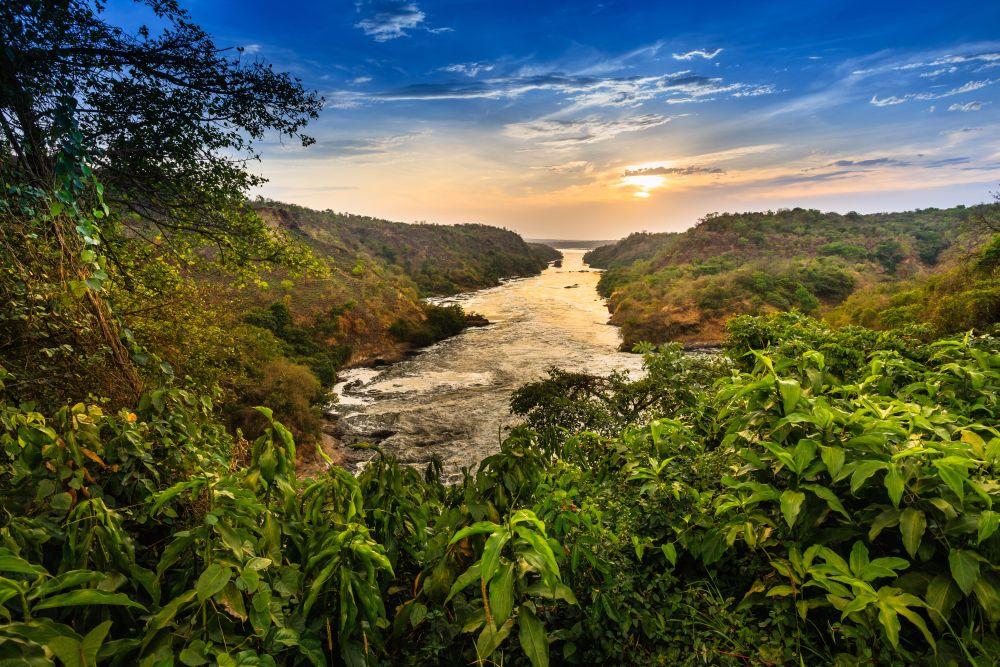
Further north, the Nile River system provides another key habitat. In areas surrounding Murchison Falls, particularly within designated buffer zones, crocodiles are commonly found along banks and channels where they bask and feed. These locations can produce good animals, but conditions such as water levels and vegetation can influence both visibility and shot opportunities. Across all of these regions, the fundamentals remain the same. Crocodiles rely on consistent access to water, stable basking areas, and regular feeding routes. Hunting strategies are built around identifying these patterns and positioning accordingly.
At the same time, conditions are never static. Water levels can rise or fall, pressure from human activity can shift behavior, and visibility can change quickly. Even in strong areas, success depends on adapting to these variables rather than relying on fixed expectations.
In Uganda, where you hunt is not just a detail—it is one of the most important factors shaping the entire outcome of the safari.
This is where most hunters get it wrong. Crocodile hunting is not about covering ground or tracking animals—it is about preparation, positioning, and timing. The entire hunt revolves around setting up the right opportunity and executing a precise shot when it presents itself.
In most cases, bait is placed along riverbanks or lake edges where crocodiles are known to feed. These animals will return repeatedly to a reliable food source, and over time, patterns begin to form. The hunt then becomes a waiting game. Hours—and sometimes days—are spent observing movement, watching how a crocodile approaches the bait, and identifying the moment when a clear, ethical shot is possible.
When that opportunity comes, it is often at distance and under controlled conditions. Crocodile shot placement is critical. Unlike many other species, there is very little margin for error. A poorly placed shot can result in the animal slipping back into the water, where recovery becomes difficult or, in some cases, impossible. Recovery itself is one of the most challenging parts of the hunt. Depending on the terrain and water conditions, retrieving a crocodile can involve navigating thick banks, deep water, or strong currents. This is where experience on the ground matters as much as the shot itself.
What defines this hunt is not movement, but discipline. It rewards patience, observation, and precision far more than physical tracking or volume of encounters.
Crocodile hunts in Uganda are often structured as part of a broader dangerous game safari rather than a single-species hunt. The most common combinations include Cape buffalo and hippopotamus, both of which are available in many of the same river systems and concessions where crocodiles are found.
These combination hunts depend entirely on quota availability within a specific area. Not every concession will have permits for multiple species in a given year, so the structure of the safari is always tied to what the outfitter is authorized to offer. When available, combining species adds significant value to the hunt. Time spent waiting on bait sites for crocodile can be used productively to pursue other game, particularly buffalo, which are often encountered in the same broader ecosystem. This creates a more balanced safari, where different hunting methods and conditions are part of the overall experience.
In Uganda, this kind of combination is not just an add-on—it is often the most practical way to approach a dangerous game hunt, given the limited number of permits and the effort involved in accessing these areas.
Uganda sits in a niche position within Africa’s crocodile hunting landscape. It is not built around volume or large-scale safari operations, and that shapes both the experience and availability.
Compared to Zimbabwe, Uganda offers fewer permits and a smaller outfitter network. Zimbabwe is more established, with consistent access, well-developed concessions, and a reputation for delivering reliable results. Uganda, by contrast, is less commercial and more dependent on specific areas and conditions, which can make hunts slightly less predictable.
When compared to Tanzania, Uganda is generally more accessible from a cost perspective. Tanzania operates at a premium level, with larger concessions, longer safari requirements, and a more structured format. Uganda’s concessions are smaller, the system is less formalized, and the experience tends to be more flexible and field-driven.
What sets Uganda apart is not scale, but character. It appeals to hunters who are less concerned with volume and predictability, and more interested in a quieter, less pressured hunting environment where conditions play a larger role in the outcome.
Uganda is not a beginner-friendly destination, and crocodile hunting here is best suited to hunters who understand that from the outset.
This is a hunt for those who are comfortable operating without guarantees, where success depends on time in the field, changing conditions, and the realities of working within a limited permit system. It suits hunters who value a less commercial experience and are willing to trade structure for authenticity.
At the same time, it is not ideal for those expecting a highly predictable safari. Hunters looking for guaranteed opportunities, high-volume encounters, or tightly managed schedules will likely find other destinations more aligned with those expectations.
In Uganda, the experience is shaped as much by the environment and access as it is by the hunt itself—and that is exactly what makes it appealing to the right kind of hunter.
If you’re looking for a predictable, easy safari, Uganda will frustrate you.
One of the most common mistakes is assuming crocodile hunting in Uganda is easy to arrange.
Access is limited and tightly controlled. Permits are issued in small numbers, not all outfitters have access to them, and availability can change from one season to the next. What matters is not just finding an outfitter, but finding one with confirmed quota in the right area.
Access is the bottleneck, and without it, there is no hunt.
Is crocodile hunting dangerous?
Yes, particularly during recovery. Working around water always carries risk, and a wounded crocodile can still be dangerous in close quarters.
How big are crocodiles in Uganda?
Trophy size varies by area, but mature Nile crocodiles are available in established hunting regions with consistent water systems.
Can you lose a crocodile after the shot?
Yes. Poor shot placement can result in the animal reaching the water, where recovery becomes difficult or, in some cases, impossible.
What’s the best caliber?
Most hunts are conducted with calibers such as .300 Win Mag or .375 H&H, depending on the setup and whether the safari includes other dangerous game.
Crocodile hunting in Uganda is a controlled and highly technical hunt, not a high-volume safari. Access is limited, conditions can change quickly, and success depends on patience, preparation, and precise execution. This is not a hunt built around guarantees—it is built around opportunity.
For hunters who understand that, Uganda offers a unique experience that stands apart from more commercial destinations.
Search from our range of Hunts across various popular destinations in Africa.

Book Your Hunt