Designed by Hunters, for Hunters

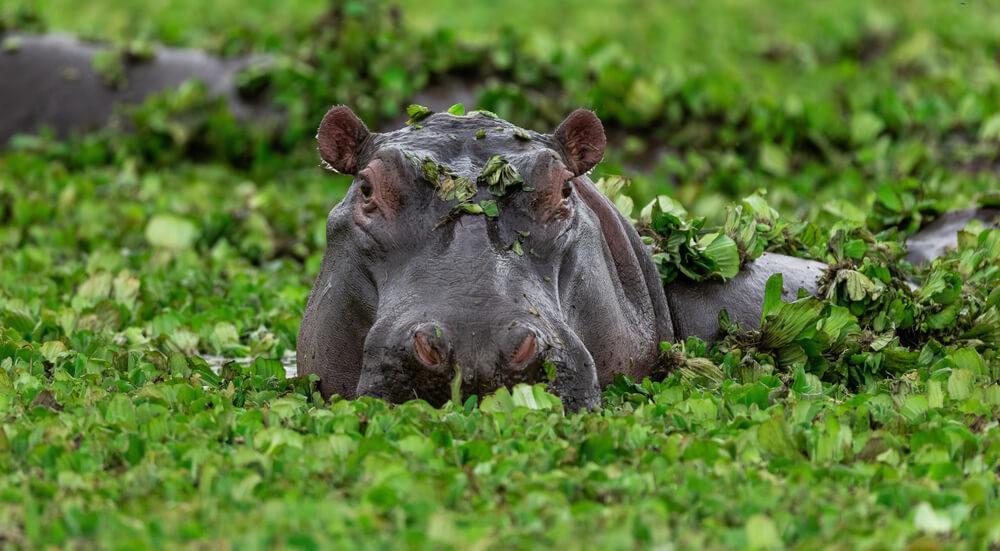
Hippo hunting in Uganda is legal, but access is limited and heavily regulated. For hunters considering hunting in Uganda, hippo safaris are typically structured around river systems, strict permit controls, and specialized dangerous game concessions rather than high-volume commercial hunting operations.
Permits are tightly controlled, access is limited to specific areas, and most hunters will never get the opportunity unless they plan well in advance. On top of that, this is not a standard plains game hunt. Hippos are one of the most dangerous animals in Africa, and hunting them requires the right conditions, the right equipment, and experienced guidance.
For those who do secure a permit, Uganda offers a very different kind of safari. It’s smaller, less commercial, and far less predictable than destinations like Zimbabwe or Tanzania, but that’s exactly why some hunters seek it out.
In this guide, you’ll get a complete breakdown of how hippo hunting in Uganda actually works, legal requirements, real costs, where it happens, and what to expect in the field.
Key Legal Requirements:
Permit-only hunting – No hunting allowed without a valid government-issued license
Quota-restricted access – Only a limited number of hippos may be hunted each year
Designated hunting zones – Hunting is restricted to approved areas (not national parks)
Licensed outfitter requirement – Hunts must be conducted through registered safari operators
Professional Hunter (PH) mandatory – A certified PH must guide all dangerous game hunts
CITES compliance required – Hippo is a regulated species under international trade laws
No public land hunting – Hunting is not open or accessible without concession rights
What This Means for Hunters:
You cannot legally hunt hippo independently in Uganda
Permits are typically bundled into a full safari package
Availability depends on yearly quota allocation
Legal compliance is strictly enforced
Hippo hunts are governed by a tightly controlled, quota-based system designed to balance conservation with sustainable use. Oversight sits with the Uganda Wildlife Authority, which manages how many animals can be taken, where hunting may occur, and who is authorized to conduct it.
Everything revolves around annual quotas. Wildlife populations are monitored through surveys and field data, and from this, a limited number of permits are issued each year. These permits are not generic, they are tied to specific areas and operators. What that actually means is this: you’re not just booking a species, you’re securing access to a specific concession with a fixed allocation.
Permits are distributed to licensed outfitters who hold rights within designated hunting areas, including community-managed zones and buffer areas outside national parks. They cannot be transferred or resold independently, which prevents a secondary market and keeps the system controlled. As a result, availability is directly linked to which operators actually hold quota in a given year.
Rather than functioning as an open licensing model, Uganda’s approach is structured and layered:
Quotas are set annually based on population data and conservation priorities
Allocations are species-specific, with hippo managed separately from other dangerous game
Permits are issued to outfitters, not individual hunters
Hunts must take place within approved concessions or community wildlife areas
This creates a system where access is limited but traceable, and every legal hunt is accounted for from permit issuance through to harvest reporting.
The regulatory framework is not only about limiting numbers, it is also about controlling how hunting is conducted. Hippo hunting is restricted to areas where it does not conflict with fully protected ecosystems, meaning core national parks remain off-limits.
Ongoing monitoring plays a central role. Populations are assessed regularly, and quotas can be adjusted up or down depending on ecological conditions. In many cases, hunting efforts are directed toward specific animals, such as older bulls or individuals contributing to human-wildlife conflict, rather than indiscriminate harvesting.
Every animal taken under permit must be officially recorded, with reporting requirements enforced through both the outfitter and the overseeing authority. In addition, regulated hunting areas often contribute to broader conservation efforts, including anti-poaching presence and community revenue sharing.
For the hunter, this system translates into a very specific kind of experience. Availability is limited, and most permits are secured well in advance. Hunts are conducted within a structured framework, led by a licensed Professional Hunter, with compliance checks and documentation forming part of the process from start to finish.
Conditions remain entirely fair-chase. There are no guarantees of success, and outcomes depend on factors such as water levels, animal movement, and time in the field. Seasonality can also play a role, particularly in areas where access changes with rainfall or river conditions.
Ultimately, Uganda’s regulatory model prioritizes control over volume. It is not designed for mass hunting access, but for a smaller number of carefully managed safaris that align with conservation goals.
Hippo hunting in Uganda is not spread evenly across the country, it is concentrated in a handful of regions where healthy populations overlap with legally designated hunting concessions. These areas are typically located outside core national parks, in buffer zones or community-managed wildlife areas where regulated hunting is permitted under government oversight.
One of the most productive regions is around Lake Albert. This area supports strong hippo numbers due to its extensive shoreline, river inflows, and consistent water access. The combination of open water and grazing banks creates predictable movement patterns, making it one of the most reliable locations for encountering hippos under controlled conditions.
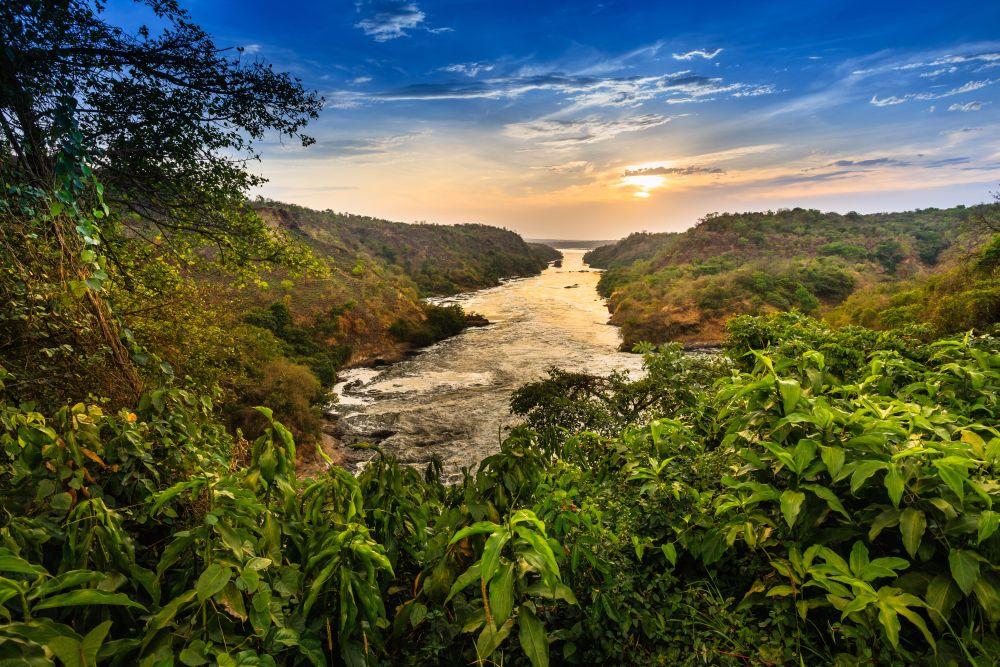
To the north, the areas surrounding Murchison Falls National Park, particularly in designated buffer zones, also offer viable hunting opportunities. While the park itself is fully protected, adjoining concessions allow for regulated hunting, and the broader ecosystem supports a stable hippo population along the Nile River system.
Further east, Aswa-Lolim Game Reserve has developed a reputation as one of Uganda’s key dangerous game areas. Its mix of riverine habitat and less pressured terrain provides suitable conditions for hippo, often in combination with other species such as buffalo.
In the northeast, the wider Karamoja region represents a different model. Here, hunting takes place within community-managed wildlife areas, where local involvement is directly tied to conservation outcomes. These zones are less developed than traditional safari destinations, but they offer a more remote and less commercial experience.
Across all of these regions, the common denominator is water. Hippos are rarely far from rivers, lakes, or wetlands, and hunting strategies are built entirely around these environments. Success depends on understanding how hippos move between water and feeding areas, how they use access points, and how conditions such as water levels or human pressure influence their behavior.
In Uganda, location is not just a detail, it is one of the defining factors of the entire hunt.
For most hunters researching Africa, cost is where interest turns into real decision-making. In Uganda, hippo hunting sits in a mid-to-upper pricing tier, not the cheapest option on the continent, but also not at the premium level of destinations like Tanzania. The final price depends heavily on permit availability, location, and the outfitter’s access to quota.
A typical safari is structured around a daily rate plus a trophy fee. Daily rates generally range between $1,200 and $2,000 or more, depending on the quality of the concession, level of accommodation, and reputation of the operator. These rates are charged per day and form the foundation of the safari cost.
The hippo trophy fee usually falls between $4,000 and $8,000+, and is only paid if an animal is successfully taken. This fee reflects both the controlled quota system and the logistical complexity of hunting hippos in regulated areas.
When combined over a standard 7–10 day dangerous game safari, most hunters should realistically expect a total investment in the range of $15,000 to $30,000 or more. Shorter safaris are uncommon, as dangerous game hunts require time for tracking, positioning, and waiting for the right opportunity.
The cost of a hippo hunt in Uganda is not fixed, it shifts depending on a combination of access, logistics, and outfitter capability. At the center of it all is permit scarcity. Because permits are limited, areas with reliable hippo populations and confirmed allocations naturally command higher prices
Location also plays a major role. Well-established concessions with consistent water systems and predictable animal movement tend to be priced at a premium, while less developed or more remote areas may come in lower, but often with more variable conditions. The length of the safari further influences total cost. Longer hunts increase the overall spend through daily rates, but they also improve the likelihood of success, particularly with a species as environment-dependent as hippo.
Many hunts are structured as combination safaris, and adding species such as buffalo or crocodile will increase the total investment through additional trophy fees and potentially extended days in the field. The outfitter itself is another key variable. Operators with proven access to quota, experienced Professional Hunters, and established infrastructure will typically charge more than newer or less connected operations.
Finally, logistics cannot be overlooked. Remote hunting areas, especially those requiring long overland travel or specialized access to river systems—add operational cost, which is reflected in the final price. In Uganda, two hunts may look similar on paper but differ significantly in execution and cost depending on these underlying factors.
Once in-country, most hippo hunting safaris in Uganda are structured to be largely all-inclusive at the operational level. The daily rate generally covers the core components required to run the hunt safely, legally, and efficiently. This typically includes the services of a licensed Professional Hunter, along with all necessary government permits and concession fees issued through the Uganda Wildlife Authority. Accommodation is provided for the duration of the safari, ranging from functional tented camps to more comfortable lodge-style setups depending on the area.
Meals and basic beverages are included, as is field transportation, usually in the form of 4x4 vehicles adapted for hunting conditions, with additional access methods used where necessary near water systems. A full support team is also part of the package, including trackers, skinners, and camp staff who handle the day-to-day logistics of the hunt. Basic field preparation of the trophy is normally covered as well. This ensures that once an animal is taken, it is properly handled and preserved before being transferred to a professional facility for further processing.
The structure is designed to remove complexity once the hunt begins, allowing the hunter to focus entirely on the experience in the field rather than operational details.
The advertised safari price is only part of the total investment. What often catches first-time hunters off guard are the additional costs that sit outside the daily rate and trophy fee. These are standard across most African hunts, but in Uganda, particularly with a species like hippo, they can add a meaningful amount to the final bill.
International travel is the first major expense. Flights into Uganda vary depending on routing and season, and for most hunters, this is a significant upfront cost before the safari even begins. Once in-country, firearm logistics also come into play. Bringing your own rifle requires temporary import permits and paperwork, while those who choose not to travel with firearms may need to arrange rifle hire through the outfitter.
Ammunition, travel insurance, and medical evacuation cover are additional considerations that are rarely included but strongly recommended, especially for dangerous game hunts conducted in remote environments. Gratuities are another standard component of safari culture. Professional Hunters, trackers, skinners, and camp staff all play a role in the success of the hunt, and tipping is expected at the end of the safari. While amounts vary, this should be factored into the overall budget rather than treated as an afterthought.
Trophy handling is where costs can increase more than expected. After the hunt, the animal must go through a “dip and pack” process—cleaning, treating, and preparing the trophy for export. From there, international shipping costs apply, which can be substantial for large species like hippo due to weight and volume.
For U.S.-based hunters, the process continues on arrival. Importation requires compliance with federal regulations through the U.S. Fish and Wildlife Service, along with customs clearance and broker fees. These steps are routine but add both time and cost to the process.
Taken together, these additional expenses can add several thousand dollars to the overall hunt. In many cases, they are the difference between the advertised safari price and the true end-to-end cost of a Uganda hippo hunt.
When the full scope of a Uganda hippo hunt is considered—from the initial booking through to having a finished trophy delivered back home, the total cost is meaningfully higher than the base safari price alone. For most American hunters, a realistic all-in budget typically falls in the range of $20,000 to $40,000+, depending on travel choices, outfitter pricing, and trophy handling preferences.
This range accounts for the complete journey:
International airfare and travel logistics
Safari costs (daily rates + trophy fees)
Firearm permits or rifle hire
Gratuities and incidentals in camp
Dip & pack services and taxidermy preparation
International shipping and export handling
U.S. import clearance through the U.S. Fish and Wildlife Service
What often gets underestimated is the backend of the process, particularly shipping and trophy preparation. A hippo is a large, heavy animal, and moving it internationally requires specialized handling, which adds both cost and time.
For hunters budgeting seriously, it is not enough to plan for the hunt itself, the full financial picture runs from departure to final delivery.
Uganda occupies a very specific position in the African hunting landscape. It is not designed around volume or high-throughput safaris. Instead, it offers access to a limited number of permits in areas that are less commercially developed and often more variable in terms of conditions.
Compared to Zimbabwe, Uganda can sometimes come in at a slightly higher price point for similar dangerous game species. This is largely due to permit scarcity and a smaller, less saturated outfitter network. Zimbabwe, by contrast, operates at scale, which tends to stabilize pricing and availability.
When compared to Tanzania, Uganda is generally more accessible from a cost perspective. Tanzania is widely considered a premium destination, with large concessions, longer safari minimums, and significantly higher overall pricing structures.
What Uganda offers instead is a more niche experience, fewer permits, less pressure, and a hunting environment that feels less commercialized. For some hunters, that trade-off represents real value.
Hippo hunting in Uganda is a serious financial commitment, but it is not a complicated one once the structure is understood. The key is looking beyond the advertised daily rates and trophy fees, and instead evaluating the full cost from booking through to trophy delivery.
Every stage of the process, permits, travel, logistics, and export adds a layer to the total investment. Hunters who plan for the complete picture avoid surprises and are in a much stronger position to choose the right outfitter and location.
Pricing transparency is not just helpful—it is essential. For most hunters, it is the point where research turns into action, and where a potential safari becomes a confirmed one. If a price looks unusually low, it usually means one thing, no real permit access.
Yes, American hunters can legally hunt hippo in Uganda, provided the process is handled correctly from start to finish. This is not a destination where you can operate independently; everything must be done through a licensed outfitter with access to quota and permits issued by the Uganda Wildlife Authority.
From a legal standpoint, the process is straightforward but structured. A hunter must secure a valid permit through an authorized operator, arrange firearm import clearance (or rifle hire), and ensure all international documentation is in place before and after the hunt. Hippo are listed under international trade regulations, which means CITES compliance is mandatory for export.
On the U.S. side, trophy importation is regulated and requires approval through the U.S. Fish and Wildlife Service. As long as all permits and documentation are properly completed, hippo trophies can be legally imported into the United States.
In practical terms, Uganda is accessible to American hunters, but only with proper planning, correct paperwork, and a reputable outfitter handling the process.
Once a hippo has been successfully taken, the process shifts from hunting to logistics. Exporting a dangerous game trophy is a multi-step procedure that takes time and coordination between multiple parties.
The process begins in Uganda, where a CITES export permit is issued for the animal. From there, the trophy is sent to a licensed facility for “dip and pack,” where it is cleaned, treated, and prepared for international shipment. Export documentation is then finalized before the shipment leaves the country.
Upon arrival in the United States, the shipment must clear inspection and import procedures through the U.S. Fish and Wildlife Service, along with standard customs clearance. Most hunters work with a broker to handle this stage.
Timelines are not immediate. From harvest to final delivery, it is realistic to expect a timeframe of 6 to 12 months, sometimes longer depending on shipping schedules and processing times.
Hippo hunting in Uganda falls squarely into the category of dangerous game hunting, and it carries the same level of intensity and risk. These are not casual encounters, hippos are powerful, unpredictable animals that spend much of their time in or near water, which shapes the entire hunting approach.
Most hunts take place along rivers, lake edges, and wetland systems where hippos feed and travel. The hunt itself is often a waiting game, built around identifying movement patterns and positioning near access points where animals enter or exit the water. Opportunities can be brief and highly situational, requiring both patience and precise execution.
Shot placement is critical. A brain shot is typically preferred for an immediate, humane kill, particularly given the risks associated with a wounded hippo. Unlike plains game, there is very little margin for error, especially when dealing with an animal that can retreat into water or charge if threatened.
Conditions are variable and depend heavily on environment. Water levels, visibility, and terrain all influence how the hunt unfolds. This is a field-driven experience, not a scripted one.
Hippo are large, dense animals, and the equipment used must reflect that reality. Most outfitters will set minimum caliber requirements, with the .375 H&H widely accepted as the baseline. Many Professional Hunters prefer larger calibers such as the .416 Rigby or .458 Lott for increased stopping power, particularly in high-risk situations.
Rifle selection is only part of the equation. Shot placement, familiarity with the firearm, and the ability to remain composed under pressure are far more important than raw caliber alone.
This is not considered entry-level hunting. While Uganda can offer a unique and rewarding experience, hippo hunting is best suited to hunters who are comfortable with dangerous game conditions and understand the level of responsibility involved.
Uganda’s dangerous game offering is intentionally limited, but it is focused and well-defined. In addition to hippo, hunters typically have access to Cape buffalo and Nile crocodile, both of which can be pursued under the same regulatory framework and, in some cases, within the same safari if quota allows.
Cape buffalo are the most commonly combined species. They are widely regarded as one of Africa’s most challenging dangerous game animals and are well established within Uganda’s hunting system. In areas where both species occur, a buffalo and hippo combination hunt is a natural pairing. Nile crocodile are also available in certain concessions, particularly in river systems and areas with strong aquatic ecosystems. Crocodile hunts are often conducted opportunistically alongside hippo, given the overlap in habitat.
What defines Uganda is not variety, but structure. The country does not offer a broad dangerous game list—it offers a narrow, regulated portfolio built around a few key species.
Uganda maintains strict protection on several iconic species. Neither elephant nor lion are available under any hunting permit, regardless of outfitter or location. These animals are fully protected under national law, and there are no legal exceptions within the current system.
For hunters accustomed to Southern African destinations where a wider dangerous game list may be available, this is an important distinction. Uganda is not a “Big Five” hunting destination, it is a specialized one.
Uganda sits in a different category from more established hunting destinations. It is not built around volume or scale, and that directly affects both availability and overall experience.
Compared to Zimbabwe, Uganda offers far fewer permits and a smaller outfitter network. Zimbabwe operates a more mature hunting industry, with consistent quota availability and a reputation for delivering strong value across multiple dangerous game species. It is often the benchmark for accessibility and pricing balance. Tanzania, on the other hand, represents the opposite end of the spectrum. It is widely regarded as a premium destination, with large concessions, longer minimum safari requirements, and significantly higher costs. The experience is expansive and highly structured, but comes at a price point that reflects that scale.
Uganda falls between these two. It is less accessible than Zimbabwe and less expensive than Tanzania, but what it offers is a more niche experience—fewer hunters, less pressure, and conditions that feel less commercialized. For some, that is precisely the draw.
Uganda is not a beginner-friendly hunting destination. If you’re looking for a straightforward first African safari, this is not it. Uganda is best suited to hunters who understand what a limited quota system means in practice. This is not a destination built around convenience or guaranteed outcomes. It appeals to those who are comfortable operating in environments where conditions can shift and where success depends on time in the field rather than structured predictability.
Hunters who value a less commercial, more grounded safari experience tend to find Uganda particularly rewarding. The scale is smaller, the logistics can be more variable, and the experience often feels closer to traditional East African hunting than highly developed safari markets.
It is less suited to first-time African hunters or those looking for a high-volume, highly structured hunt. Expectations need to be aligned with the realities of the destination—limited permits, variable conditions, and a focus on quality over quantity.
Booking a hippo hunt in Uganda is less about selecting dates and more about securing access. The process begins with identifying a licensed outfitter that holds valid quota for the current or upcoming season. Without quota, no hunt can take place.
If an outfitter cannot confirm quota upfront, you don’t have a hunt, simple as that. Once availability is confirmed, planning typically moves forward well in advance—often six to twelve months ahead of the intended safari. This allows time to coordinate permits, travel logistics, and any required documentation, including firearm import arrangements.
Because permits are limited and tied to specific operators, flexibility is often necessary. Hunters who approach the process early and work with established outfitters are in the strongest position to secure a viable hunt.
A common misconception is that hippo hunting is widely available across Africa and can be arranged without much difficulty. While it is legal in several countries, access is always controlled through quota systems. In Uganda, this restriction is even more pronounced. Not every outfitter has access to hippo permits in a given year, and availability can change depending on quota adjustments and allocation decisions.
The practical reality is simple: access depends entirely on who holds permits, and those permits are limited.
Is hippo hunting dangerous?
Yes. Hippos are among the most dangerous animals in Africa, particularly when wounded or encountered near water.
How many permits are issued each year?
Numbers vary annually based on population assessments and conservation priorities. There is no fixed public number.
Can you hunt hippo on land or water?
Both scenarios are possible, but most hunting activity is concentrated around water systems where hippos spend the majority of their time.
What caliber is required for hippo?
A minimum of .375 H&H is generally required, with larger calibers often recommended for safety and effectiveness.
How long is a typical safari?
Most hippo hunts run between 7 and 10 days, depending on permit structure and whether additional species are included.
Hippo hunting in Uganda is legal, but only within a tightly controlled system of permits, quotas, and licensed operators. It is not a widely accessible or high-volume hunt. Instead, it represents a limited opportunity shaped by conservation priorities and regulatory oversight. For hunters who understand those constraints, Uganda offers a distinct kind of experience, smaller in scale, less commercial, and closely tied to the realities of the environment.
The key is not just knowing that it is legal, but understanding what it takes to access it.
Search from our range of Hunts across various popular destinations in Africa.

Book Your Hunt