Plains Game Hunting in South Africa, Small Antelope in Limpopo
Booking Season: 2025
Hunt Difficulty: Moderate, Difficult

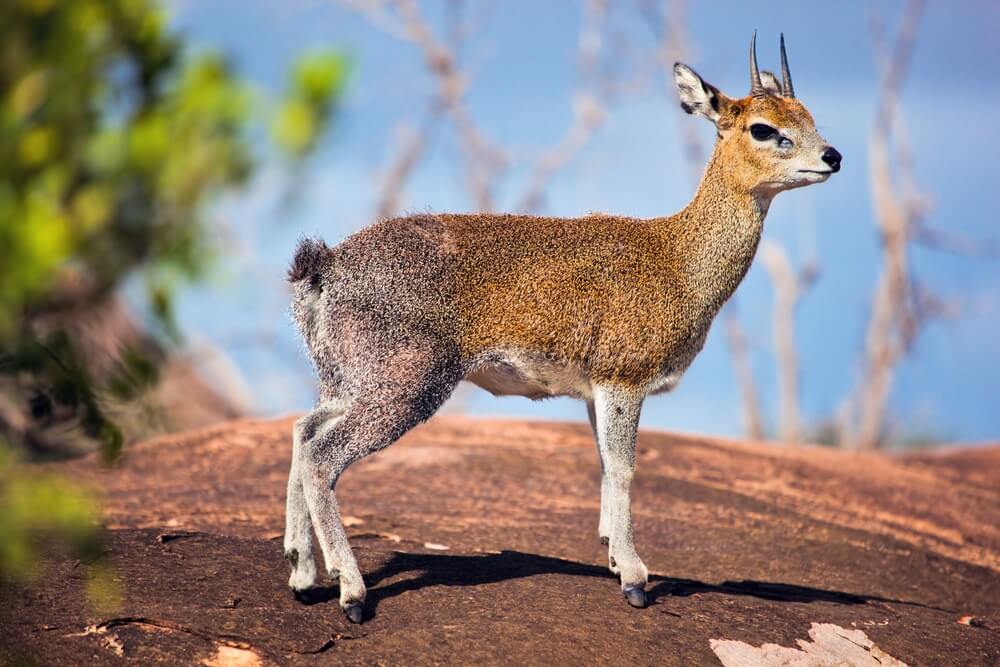
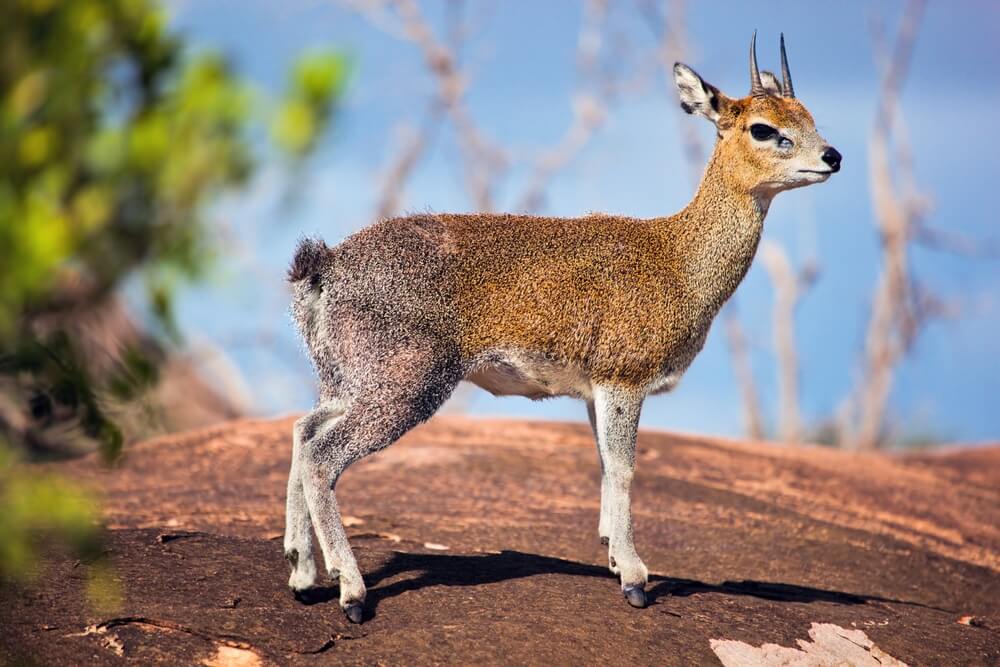
South Africa is home to one of Africa's most distinctive antelope. Often referred to as Africa's rock antelope, the Klipspringer inhabits steep granite outcrops, rugged hillsides and rocky escarpments where few other plains game species spend their lives. Perfectly adapted to this unforgiving environment, it moves across exposed boulders and narrow ledges with remarkable confidence, often appearing where hunters would least expect to find an antelope.
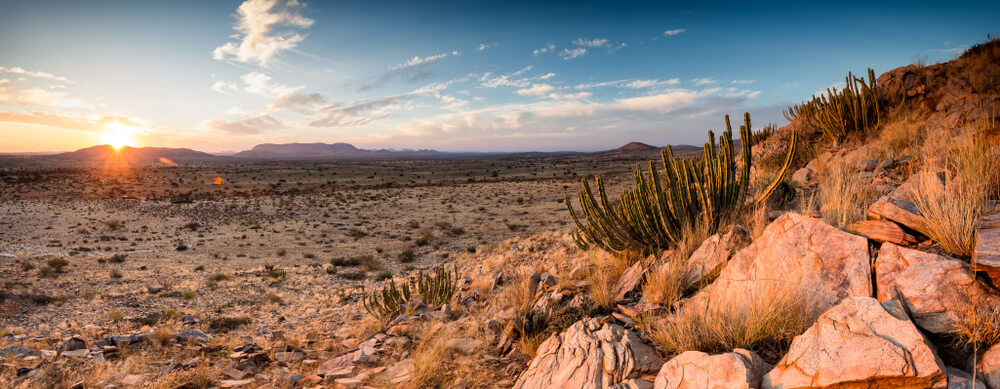
A Klipspringer hunt offers a completely different perspective on Hunting in South Africa. Rather than stalking through bushveld or open grasslands, hunters spend much of the day glassing rocky kopjes, cliffs and mountain slopes, searching for the unmistakable outline of a mature ram standing motionless against the rocks. What first appears to be nothing more than another granite outcrop can suddenly reveal one of Africa's most sought-after Tiny Ten trophies.
Despite its small size, the Klipspringer has earned enormous respect among experienced hunters. Mature rams are exceptionally alert, their elevated vantage points allowing them to detect movement long before a hunter closes the distance. Every successful stalk depends on patience, careful planning and making full use of the terrain to remain hidden.
Klipspringer hunting is a hunt defined by precision rather than distance. Those fortunate enough to take a mature ram quickly understand why this remarkable little antelope has become one of South Africa's most admired mountain trophies.
Available Klipspringer Hunts
Plains Game Hunting in South Africa, Small Antelope in Limpopo
Booking Season: 2025
Hunt Difficulty: Moderate, Difficult
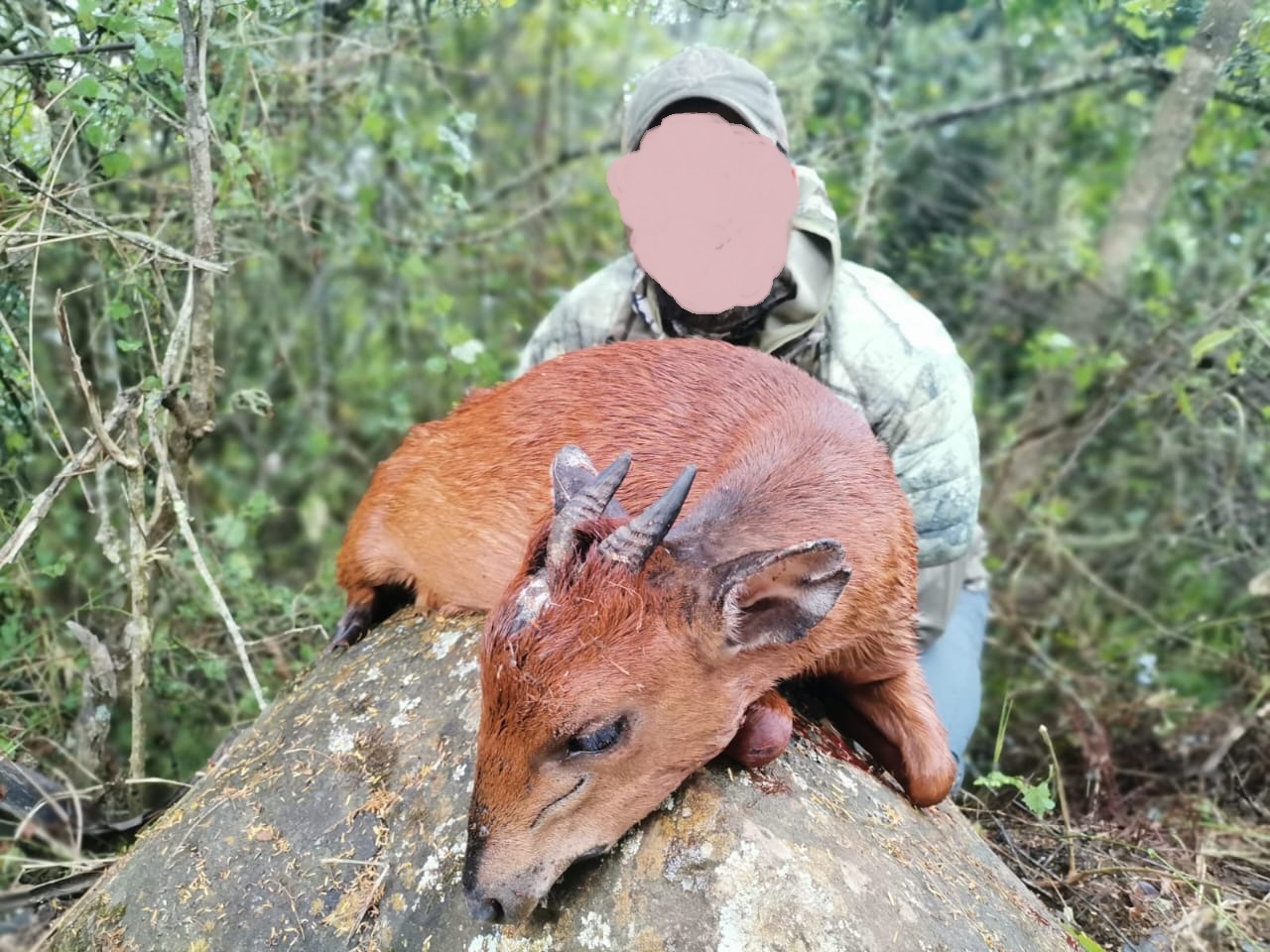
Limpopo African Hunt: Steenbok, Duiker & 3 More Tiny Trophies
Booking Season: 2026
Hunt Difficulty: Difficult
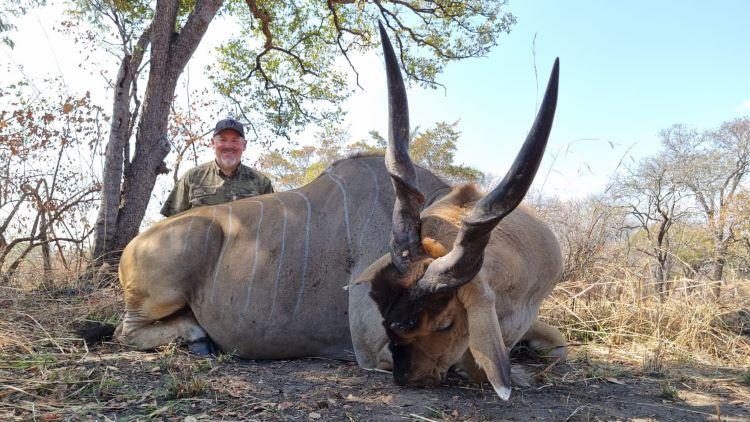
10x African Plains Game Trophies in 10 Days in Limpopo, SA
Booking Season: 2026
Hunt Difficulty: Moderate, Difficult
The Klipspringer has long held a special place among hunters pursuing Africa's Tiny Ten. While it may be one of the continent's smallest antelope, it is also one of its most distinctive. A mature ram displayed in a trophy room immediately tells a story of steep hillsides, rocky kopjes and a hunt unlike any other.
The appeal of the Klipspringer has never been about size. It comes from pursuing an animal perfectly adapted to terrain that appears almost impossible to inhabit. Every successful hunt reflects careful observation, patient stalking and the ability to approach an exceptionally alert antelope without being detected.
A mature Klipspringer is often high on a hunter's wish list, whether completing the Tiny Ten or simply looking for a trophy that stands apart from the more familiar plains game species. Few African antelope are so instantly recognisable, and few represent such a specialised style of hunting.
Hunters who earn a mature Klipspringer seldom remember it only as another trophy. They remember the rocky country, the careful stalk and the remarkable little antelope that seemed completely at home where almost nothing else could live.
South Africa's rocky hills and mountain ranges create the perfect habitat for Klipspringers. Unlike antelope that rely on speed across open country, Klipspringers trust the terrain around them. Steep slopes, granite kopjes and broken ridges provide both security and an unrivalled vantage point from which they can detect approaching danger.
Every hunt begins with careful glassing. Professional Hunters study distant rock faces and isolated outcrops, often picking out a mature ram that would be almost impossible to spot without quality optics. Once located, the challenge becomes planning a stalk that uses every fold in the landscape to remain out of sight until a shooting opportunity presents itself.
This style of hunting showcases a very different side of Plains Game Hunting. Success depends less on covering long distances and more on reading the terrain, understanding the wind and moving patiently through country where a single careless movement can bring the hunt to an end.
Rocky mountain habitat is also home to other sought-after species. Hunters pursuing Kudu Hunts, mountain reedbuck or even baboons may find themselves hunting the same ridges and valleys, making a Klipspringer a natural addition to a well-planned safari in South Africa's high country.
A Klipspringer is rarely the only reason hunters travel to South Africa, but it is often one of the most memorable trophies they take home. Time spent hunting the country's rocky hills and mountain slopes naturally creates opportunities to pursue other species that thrive in the same rugged landscapes, allowing hunters to enjoy several very different styles of hunting during a single safari.
The appeal lies in the variety. A morning spent carefully glassing granite outcrops for a mature Klipspringer may be followed by tracking kudu through broken valleys or hunting mountain reedbuck on open slopes. Each species presents its own challenge, yet all reward patience, good fieldcraft and careful shot placement.
Some trophies are remembered for their size. Others are remembered for the hunt itself. South Africa's mountain landscapes have a way of slowing the pace, encouraging careful observation and rewarding those prepared to hunt methodically. A Klipspringer fits naturally into that style of safari, becoming one of those trophies that continues to stand out long after the hunt has ended.
South Africa's mountain landscapes provide the perfect setting for one of Africa's most distinctive antelope. Hunting a Klipspringer is never about covering the most ground or pursuing the largest trophy. It is about careful observation, patient stalking and succeeding in terrain where the animal holds every advantage.
Whether a Klipspringer is part of a broader safari or one of the final species needed to complete Africa's Tiny Ten, careful planning helps make the most of the time available in the field. Exploring the right Hunting Trips allows hunters to combine species, habitats and hunting styles into a safari that is every bit as memorable as the trophies themselves.
Long after the safari has ended, a mature Klipspringer often serves as a reminder that some of Africa's greatest hunting challenges come in its smallest packages.
Klipspringers inhabit South Africa's rocky mountain ranges, granite kopjes and escarpments. Areas with steep terrain and exposed rock formations provide the ideal habitat for mature rams and create the challenging spot-and-stalk hunting for which the species is known.
Yes. Klipspringers rely on excellent eyesight, elevated vantage points and rugged terrain to avoid danger. Successful hunts depend on careful glassing, patient stalking and making full use of the landscape to remain concealed.
Yes. Klipspringers are often hunted alongside other species that inhabit South Africa's mountain regions, allowing hunters to enjoy several different hunting styles during the same safari.
Flat-shooting, accurate rifles are generally preferred because shots may be taken across valleys or broken mountain terrain. As with any small antelope, careful shot placement is more important than calibre alone.
Yes. The Klipspringer is one of the best-known members of Africa's Tiny Ten and is highly sought after by hunters looking to complete this specialised collection of small antelope species.
Klipspringers can be hunted throughout South Africa's hunting season. Cooler months often provide comfortable hunting conditions, while the sparse winter vegetation can make glassing rocky hillsides and locating mature rams easier.
Klipspringers are primarily hunted using spot-and-stalk methods. Professional Hunters spend time glassing rocky slopes before planning a careful approach that uses the terrain and wind to reach shooting distance without being detected.
The Klipspringer's appeal lies in its unique habitat, distinctive appearance and the challenge involved in hunting it. A mature ram represents far more than a small antelope, it reflects patience, careful stalking and success in some of South Africa's most rugged mountain country.
Search from our range of Hunts across various popular destinations in Africa.

Book Your Hunt