Designed by Hunters, for Hunters

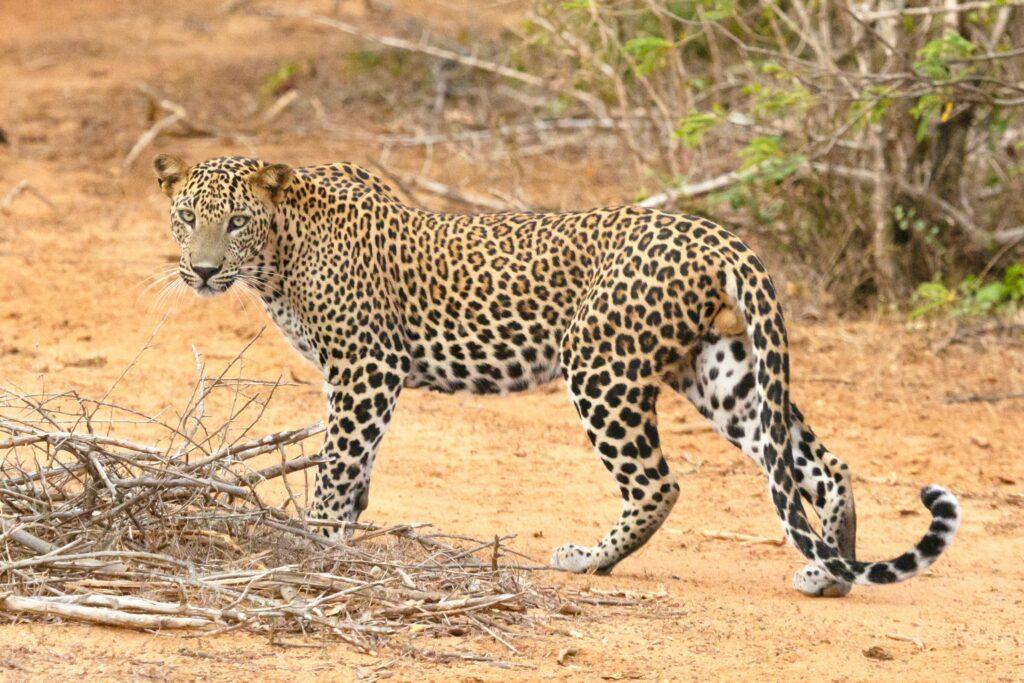
The African leopard is one of the most elusive and adaptable predators on the continent, with mature males typically weighing between 60 and 90 kilograms. Known for their stealth, intelligence, and nocturnal behavior, leopards are widely regarded as one of the most challenging dangerous game species to hunt.
In Ethiopia, leopard populations are found in rugged and less pressured environments, which often results in less predictable movement patterns, requiring patience and adaptability throughout the hunt.
Leopard hunting in Ethiopia requires precise shot placement due to the animal's relatively smaller size and tenacity. The vital zone is compact, and poor shot placement can lead to difficult follow-up situations.
Most opportunities occur at close range, often in low-light conditions. Hunters must be prepared to take controlled, accurate shots under pressure, especially when visibility is limited or when the animal is partially obscured.
A minimum caliber of .375 H&H is generally recommended for leopard hunting in Ethiopia, although many professional hunters are comfortable with smaller calibers such as .300 Win Mag when paired with the correct bullet selection.
Soft-point or controlled expansion bullets are typically preferred to ensure effective energy transfer while minimizing the risk of over-penetration in baited or close-range scenarios.
Regardless of caliber choice, shot placement remains the most critical factor due to the risk of wounded animals in dense cover.
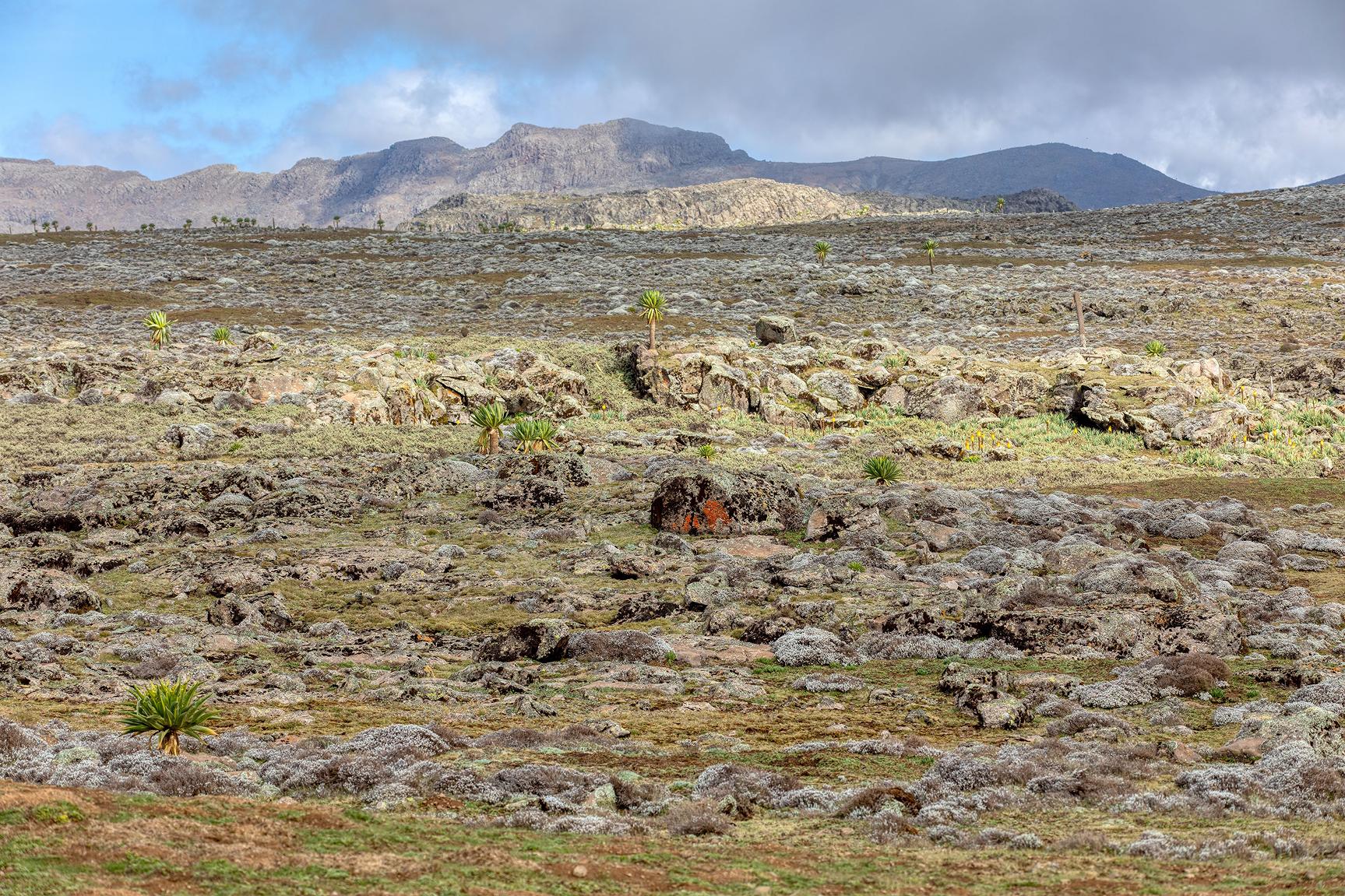
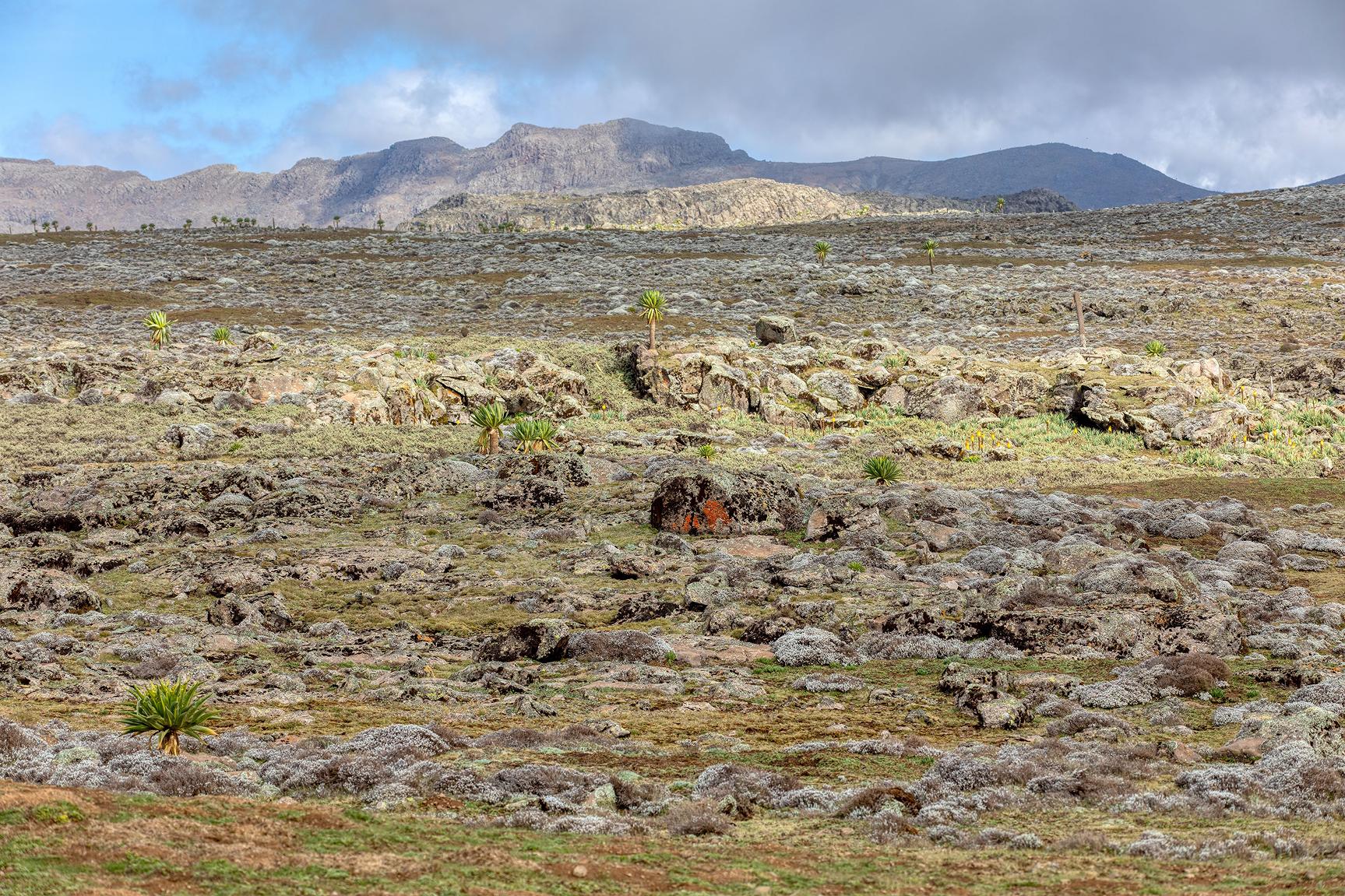
Leopard hunts in Ethiopia typically take place in remote and rugged regions, including parts of the Omo Valley and other designated hunting concessions.
These areas are characterized by:
• Mountainous terrain and rocky outcrops
• Thick bush and broken cover
• Low hunting pressure and large concession areas
Leopards in these regions are highly elusive and require careful planning and patience to locate.
Leopard hunting in Ethiopia is not a high-volume or highly predictable hunt. Success depends heavily on locating active animals, setting baits correctly, and waiting for consistent feeding patterns to develop.
Leopard densities are relatively low in Ethiopia compared to more established destinations, which contributes to longer waiting periods and less predictable outcomes.
Days are often spent checking bait sites, reading tracks, and monitoring movement. Opportunities are limited and may come unexpectedly, requiring patience and discipline throughout the hunt.
It is not uncommon for multiple bait sites to be active without producing a mature tom during the early part of the hunt.
Leopard hunting in Ethiopia usually begins with identifying suitable areas for bait placement based on spoor, terrain, and previous animal movement.
Unlike lion hunting in Ethiopia, which is often tracking-based, leopard hunting relies more heavily on baiting systems and careful monitoring of feeding patterns.
Once bait sites are established, they are checked regularly for activity. When a leopard begins feeding consistently, a blind is set up within shooting range of the bait.
Most shooting opportunities occur at last light or during the night, depending on regulations. These situations require calm execution, as the window for a shot is often brief and visibility can be limited.
Not all bait sites produce results, and multiple setups may be required throughout the hunt. Patience is a critical factor, and several days may pass without a shot opportunity.
The best time to hunt leopard in Ethiopia is typically during the dry season, when animal movement becomes more predictable and baiting conditions improve.
During this period:
• Leopards move more consistently between water and hunting areas
• Tracking and bait placement become more effective
• Vegetation is less dense, improving visibility
Leopard hunting in Ethiopia is regulated through a strict quota system, with only a limited number of permits issued annually.
This limited availability means hunts must be planned well in advance. Ethiopia is not a destination where leopard hunts are readily available on short notice.
International hunters should carefully review leopard trophy import regulations before booking a hunt in Ethiopia.
Import requirements vary by country and can be complex, particularly for leopard. Ensuring that all permits and documentation are in place prior to the hunt is essential to avoid complications.
Compared to countries like Zimbabwe, Tanzania, or Mozambique, Ethiopia offers a more remote and less structured leopard hunting experience.
While other destinations may provide more consistent success rates and established systems, Ethiopia is best suited to hunters specifically looking for a less conventional and more challenging hunt.
This comes with trade-offs, including lower predictability, limited availability, and more complex logistics.
Ethiopia is not a general recommendation for leopard hunting, but there are specific situations where it can make sense.
It is most suitable for hunters who:
• Have already completed leopard hunts in more established countries
• Are specifically looking for a more remote and less conventional experience
• Are comfortable with lower success rates and longer waiting periods on bait
• Value low hunting pressure over structured systems
For most first-time leopard hunters, countries with more established baiting systems such as Zimbabwe, Mozambique, Zambia, or Tanzania will generally provide a more practical and predictable experience.
Leopard hunting opportunities across Africa vary widely depending on quota systems, hunting methods, and country regulations.
While Ethiopia offers a rare and specialized experience, most leopard hunts take place in countries with more established baiting systems and higher success rates.
Hunters who are still comparing destinations or looking for a broader understanding of available options may want to review current leopard hunting opportunities across Africa before making a final decision.
Leopard hunting in Ethiopia should be considered a challenging hunt with moderate to low success rates compared to more established destinations.
The combination of low densities, large territories, and cautious animal behavior means that hunters must be prepared for extended periods without opportunities.
Leopard hunting in Ethiopia is not the right fit for most hunters.
It is best suited to those who value a remote, low-pressure hunting environment and are willing to accept lower success rates in exchange for a more authentic and less commercial experience.
The trade-off is clear. Ethiopia offers a unique and challenging hunt, but with that comes uncertainty, limited availability, and more complex logistics compared to more established destinations.
For international hunters, this decision should be made carefully, particularly when considering permit availability and trophy import regulations.
For those specifically seeking a less conventional leopard hunt, Ethiopia can offer a rewarding experience. For most others, more established countries will provide a more practical option.
Leopard hunting in Ethiopia is not suited for hunters looking for a highly structured or high-success safari. Opportunities are limited, and patience is required throughout the hunt.
It is also not ideal for many international hunters who require straightforward import processes, as leopard regulations can be complex depending on the hunter's home country.
Hunters looking for a more structured leopard hunt with established baiting systems and higher success rates may be better suited to countries like Zimbabwe or Mozambique.
Search from our range of Hunts across various popular destinations in Africa.

Book Your Hunt