Designed by Hunters, for Hunters

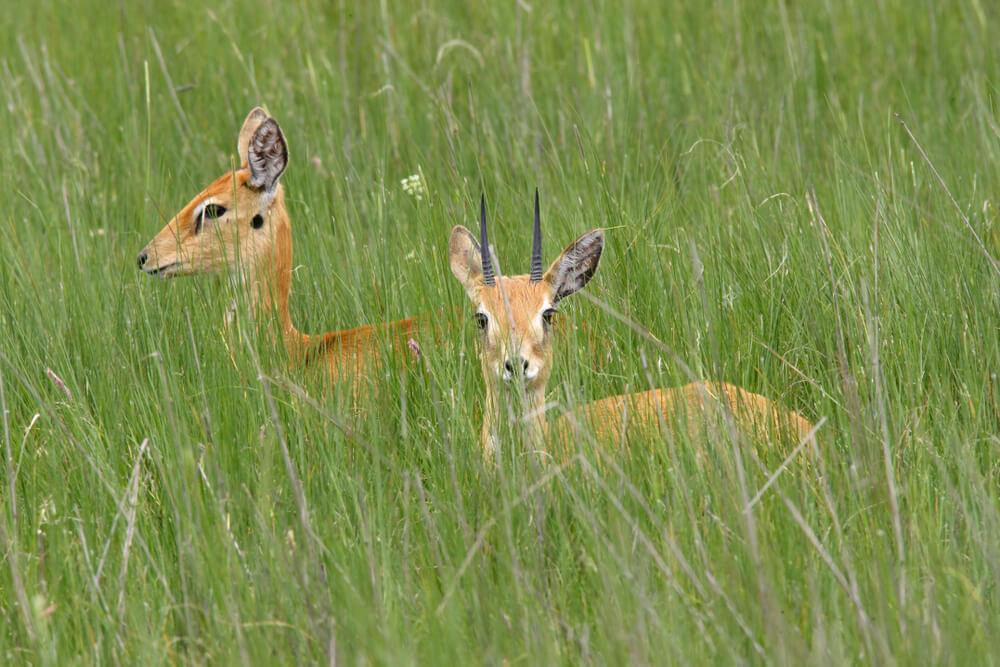
Oribi hunting in South Africa often begins with a simple question.
"What's that?"
While glassing across rolling grasslands, a Professional Hunter may quietly point towards a tiny antelope standing almost motionless in the distance. Through the binoculars, the hunter catches sight of a remarkably elegant little ram unlike anything they have ever seen before. The next response is often just as predictable.
"I want one."
Although oribi are among Africa's smallest antelope, they have a habit of capturing a hunter's attention almost immediately. For dedicated collectors, the oribi is also regarded as one of Africa's most rewarding small antelope and is often pursued alongside other sought-after miniature species during specialist safaris.
Their alert posture, distinctive white markings and delicate appearance make them one of those species that hunters may never have considered before arriving in Africa, yet quickly decide they would love to add to the trophy room.
Today, oribi are regularly included as part of broader Plains Game Hunts. Rather than travelling specifically to hunt a single small antelope, many hunters pursue an oribi while enjoying a varied South African safari that includes several other plains game species.
Their small size, however, can be surprisingly deceptive. Judging a mature ram is often far more difficult than hunters expect, and what appears to be an exceptional trophy at first glance may prove to be an average animal once viewed more carefully. Taking the time to study several rams and listening to an experienced Professional Hunter often leads to a far better trophy.
Selecting the right property is equally important. Healthy populations, suitable grassland habitat and careful long-term management all influence the quality of rams available. Looking beyond trophy fees alone often results in a far more rewarding hunt.
One of the challenges when hunting oribi is recognising a truly mature trophy ram. Their small size can make judging horn length surprisingly difficult, and a ram that appears exceptional at first glance may prove to be quite average once viewed more carefully.
Unlike larger antelope where heavy horns or body size often reveal maturity, oribi require closer attention. Horn length is important, but so are the thickness of the bases, the overall shape of the horns and the mature appearance of the ram. Taking time to compare several animals usually provides a much better understanding of what the property has to offer.
Perhaps the most valuable advice is also the simplest. If you are uncertain, ask your Professional Hunter. Local PHs spend countless hours observing the same population of oribi and can often recognise an exceptional ram almost immediately. A few extra moments discussing the trophy before taking the shot may prevent years of wishing you had waited for a better opportunity.
Opportunities can disappear quickly. A mature ram may pause for only a few seconds before slipping back into long grass or disappearing over a rise. Even so, it is worth using every second available to assess the animal before making a final decision. Once the trigger is pulled, there are no second chances.
When the decision has been made, the focus should immediately shift to making a clean, ethical shot. Although oribi are among Africa's smallest antelope, understanding Shot Placement for Small Antelope before arriving helps ensure a quick harvest while preserving both the trophy and the quality of the venison.
Unlike many African plains game species, hunting oribi is often influenced more by visibility than by the animal itself. Their small size allows them to disappear surprisingly easily in long grass, making the condition of the veld an important consideration when planning a safari.
The cooler months generally provide the best hunting conditions, as shorter grass improves visibility across rolling grasslands. This not only makes locating rams easier, but also gives hunters more time to judge horn length and overall trophy quality before deciding.
Early mornings and late afternoons are often the most productive times to hunt. Oribi are frequently encountered feeding in open grasslands before retreating into thicker cover as temperatures rise. Careful glassing from elevated ground followed by a patient stalk usually offers the best chance of success.
Although hunting seasons vary between provinces and individual properties, discussing your preferred hunting dates with your outfitter before booking remains one of the best ways to ensure conditions match the type of hunt you are hoping to enjoy.
Although oribi naturally occur in several African countries, including South Africa, Zimbabwe, Mozambique and parts of East Africa, South Africa has become one of the most accessible destinations for hunters hoping to pursue this elegant little antelope.
One of the greatest advantages of Hunting in South Africa is the opportunity to combine an oribi with a wide variety of other plains game species during the same safari. Rather than planning an entire trip around a single small antelope, hunters can build a diverse safari that includes everything from common plains game to some of Africa's most sought-after collector species.
For dedicated collectors, the oribi also holds a special place among Africa's famous Tiny Ten. While hunters may first encounter one by chance during a broader plains game safari, others travel to South Africa specifically because it provides an excellent opportunity to add this elusive little antelope to an expanding collection.
That combination of accessibility, experienced Professional Hunters and exceptional plains game hunting has helped establish South Africa as one of the continent's premier destinations for oribi hunting. A safari that begins with a simple curiosity about a tiny antelope often ends with one of the most memorable trophies in the hunting room.
Oribi may occur on several South African hunting properties, but healthy populations of mature trophy rams are far from common. Suitable grassland habitat, careful wildlife management and responsible hunting practices all play an important role in producing quality animals year after year.
Some properties simply have the occasional oribi, while others actively manage their populations and consistently produce mature rams. That difference is not always obvious until discussing the property with the outfitter, reviewing recent trophy photographs and understanding how the population has been managed over time.
Photographs alone do not always tell the full story when judging oribi trophies. Asking about average horn length, the age structure of the population and how frequently mature rams are harvested often provides a far better understanding of what can realistically be expected during the safari.
Habitat is equally important. Well-managed grasslands with limited disturbance provide ideal conditions for healthy oribi populations, while properties with only small or fragmented populations may offer fewer opportunities to encounter mature rams during the hunt.
Choosing the right property often has a greater influence on the quality of the hunt than any piece of equipment carried into the field.
Although an oribi may not have been the species that first attracted a hunter to Africa, it often becomes one of the most memorable trophies taken during the safari. Planning ahead helps ensure there is enough time to pursue the species properly rather than simply hoping to encounter a mature ram by chance.
Discussing your priorities with the outfitter before arriving is always worthwhile. Some hunters want to make an oribi a primary objective, while others prefer to take advantage of an opportunity if a mature ram presents itself during a broader plains game safari. Setting those expectations early helps the Professional Hunter plan each day accordingly.
Budget planning is equally important. Although an oribi may represent only one trophy on the safari, it is usually hunted alongside several other plains game species. Understanding trophy fees, daily rates and other safari costs beforehand helps hunters build an itinerary that matches both their hunting goals and their budget. Our African Hunting Safari Prices guide explains the factors that influence safari costs and helps hunters plan with confidence.
Whether an oribi is the primary objective or simply an unforgettable addition to a broader safari, it has earned its place on many African Hunting Trips. For hunters who have never seen one before, it is often the unexpected trophy that remains one of the strongest memories long after returning home.
Yes. South Africa is one of the most accessible destinations for hunting oribi, with healthy populations found on selected grassland properties. They are often included as part of broader Plains Game Hunting in South Africa, allowing hunters to pursue an oribi alongside a wide variety of other African game species.
The cooler months generally provide the best hunting conditions, as shorter grass improves visibility and makes it easier to locate and judge mature trophy rams. Early mornings and late afternoons are often the most productive times to hunt.
Yes. The oribi is regarded as one of Africa's most sought-after small antelope and is a popular species among hunters working towards completing the famous Tiny Ten collection.
A mature trophy ram is judged by more than horn length alone. Horn shape, base thickness, overall symmetry and the mature appearance of the ram all contribute to trophy quality. If you are uncertain, listening to your Professional Hunter is often the best way to avoid taking an immature animal.
Absolutely. Oribi are commonly hunted as part of a broader plains game safari, where they may be pursued alongside springbok, blesbok, wildebeest, kudu, gemsbok and many other South African antelope species.
Not every hunting property supports the same quality of oribi population. Asking about habitat, recent trophy photographs, average horn length and how the population is managed provides a much better understanding of what to expect before booking your safari.
Search from our range of Hunts across various popular destinations in Africa.

Book Your Hunt